Ixlu: A Maya Port and Archaeological Site in Guatemala
Site at a Glance
- Popularity
- Medium
- Country
- Guatemala
- Primary era
- Medieval
- Eras represented
- Classical, Medieval, Early Modern
- Civilizations
- Maya
- Site type
- Settlement
- Remains
- City
On this page9 sections
History
Ixlu is a Maya archaeological site in Guatemala. Pottery fragments indicate activity in the early Middle Preclassic, around 1000–800 BC, and construction at the site dates to about 300 BC. The Preclassic, Classic, and Postclassic are successive periods in Maya chronology. Occupation at Ixlu extended through the Classic Period (AD 200–900) and Postclassic Period (AD 900–1525), continuing until about 1700.
Ixlu became an important port, connected to Lake Petén Itzá by the Ixlu River. It has been identified with Saklamakhal, a capital of the Kowoj, one of the Maya political groups of Petén.
Hieroglyphic texts from Ixlu resemble those from Dos Pilas, whose rulers had claimed legitimate rule over Tikal. This similarity has prompted the suggestion that Ixlu’s lords may have taken refuge there after Dos Pilas collapsed.
In 1697, the Petén Lakes region came under the Spanish Crown. Ixlu then lay in territory disputed by the mutually hostile Itza and Kowoj kingdoms. Don and Prudence Rice briefly investigated the site in 1980.
Remains
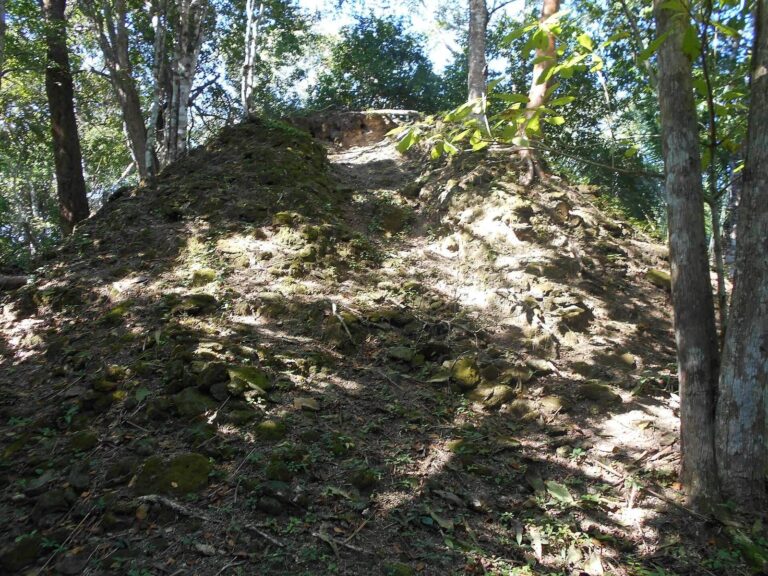
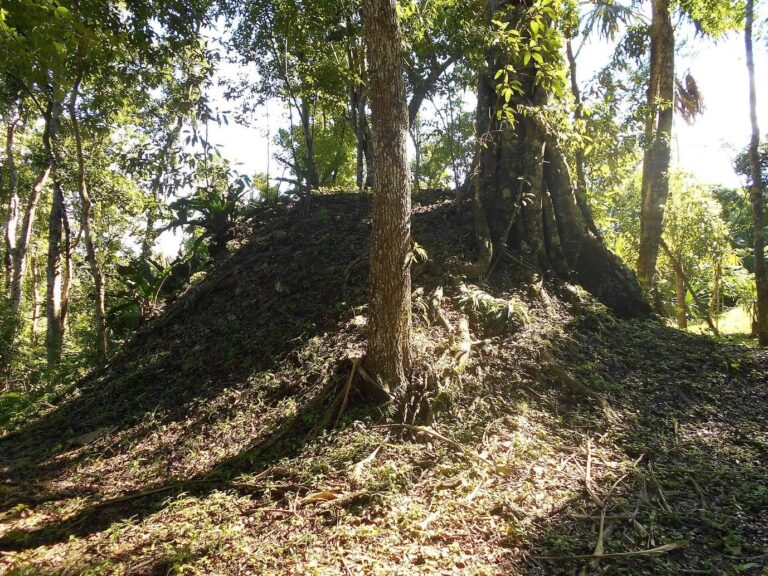
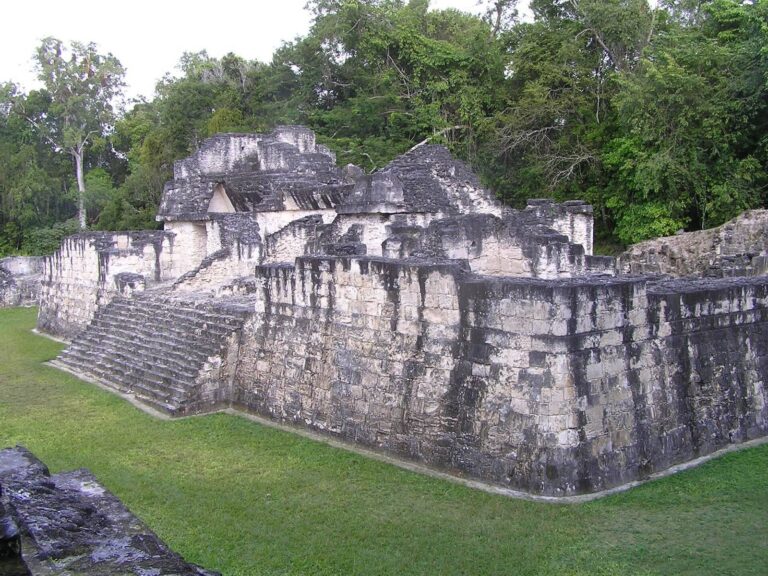
Ixlu occupies an isthmus between Lakes Petén Itzá and Salpetén. More than 150 structures are present, most with Postclassic characteristics, and 50 have been mapped. Of those mapped, nine have upper structures arranged as C-shaped benches, while two have L-shaped forms.
Courts and paired pyramids
Ballcourts
The site has two ballcourts, built courts associated with the Maya ballgame. Ixlu is one of only two Postclassic sites in the central Petén lakes region with a recognizable court, although both of its examples appear to date to the Late Classic.
Twin-pyramid complex
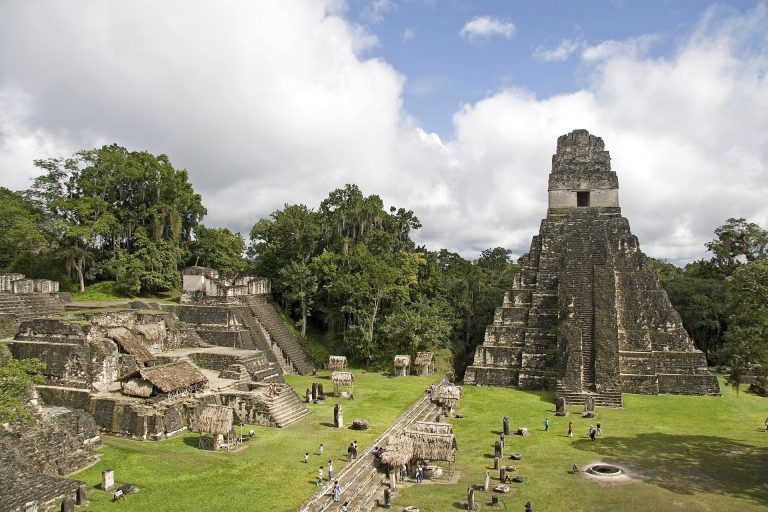
Ixlu also has a twin-pyramid complex, an arrangement of paired pyramidal structures that is rare beyond Tikal and may reflect that city’s political influence. The site’s architecture also resembles that of Late Classic Seibal, on the Pasión River.
Temple of the Hidden Jars
Building and layout
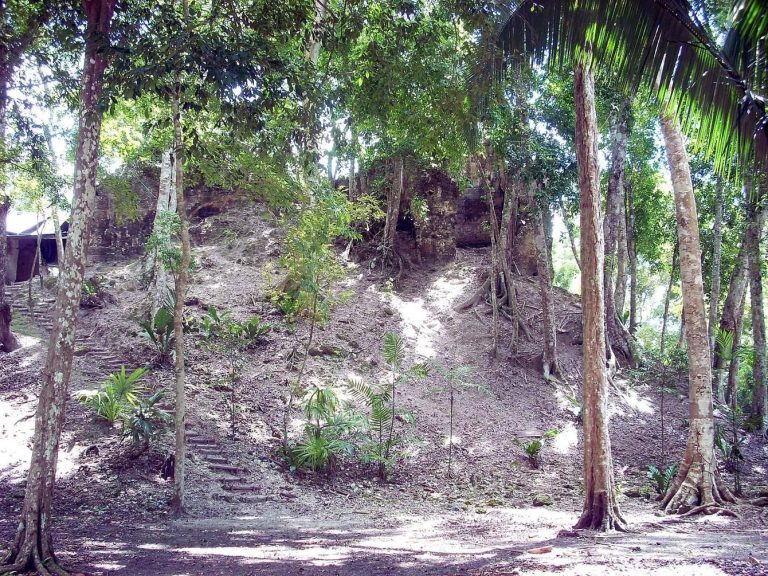
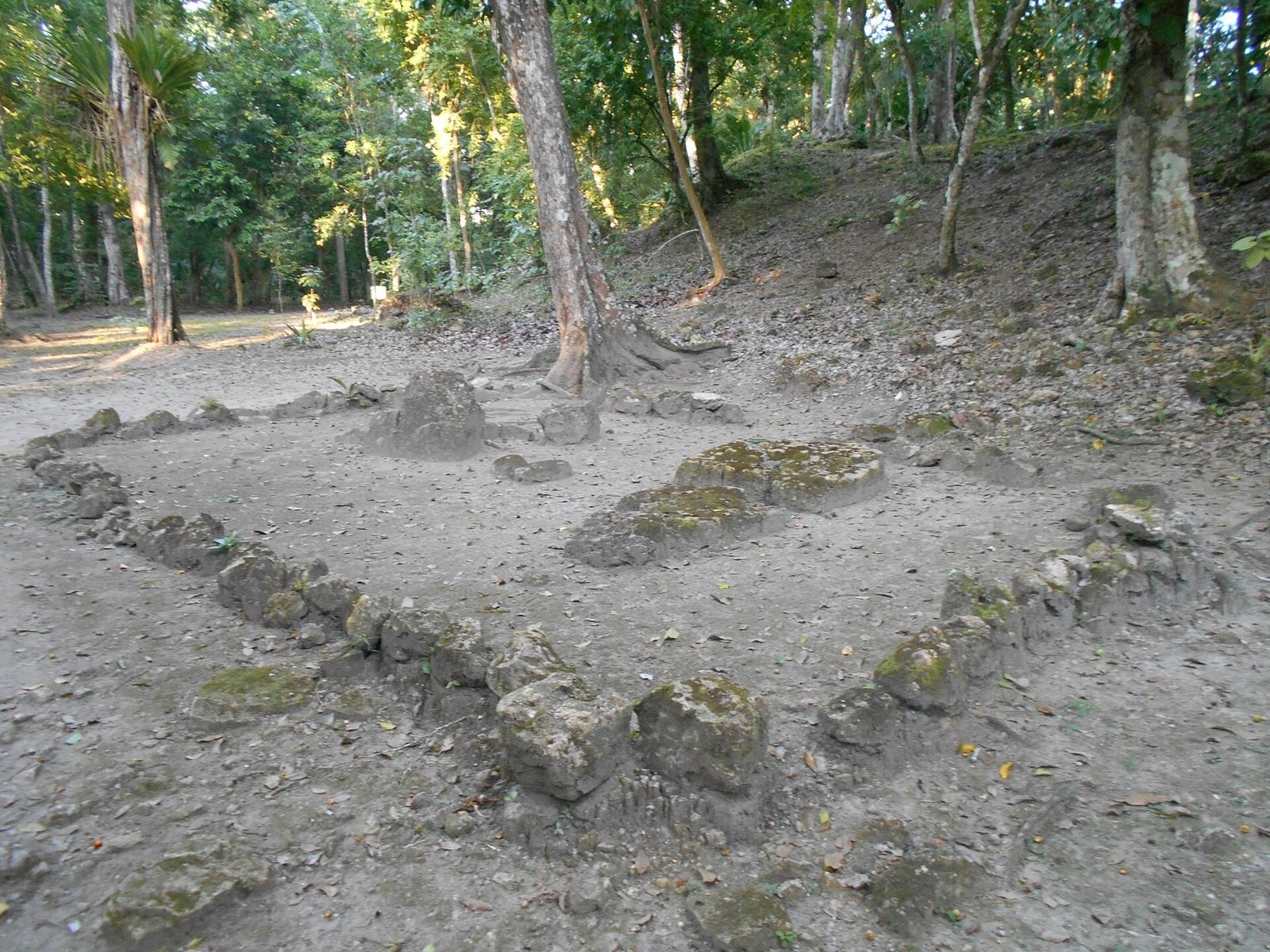
The Temple of the Hidden Jars, also called Structure 2034, dates to the Late Postclassic Period (AD 1200–1525). It measures 13.9 by 9.6 m and stands on a platform with two levels, 1.15 m and 1.2 m high. A stairway climbs the west side to a summit altar measuring 1 m. The temple’s east side faces Patio B; Structure 2041 lies to its south, Structure 2036 to its west, and Structure 2035 to its north.
Concealed vessels
Two concealed niches in the temple’s west side each held a red-brown ceramic vessel. One niche was at the bottom of the stairway and the other beneath an altar on the steps. Each vessel measured about 14 by 16 cm, had four evenly spaced handles around its body and a handled lid, and contained brown soil. Concealed niches of this type are also associated with ceremonial buildings at Mayapan in northern Yucatán.
Carved stone monuments
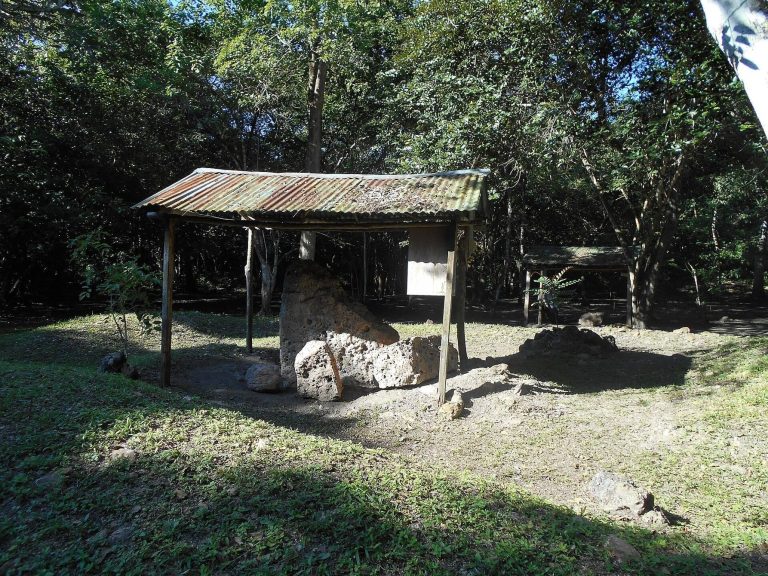
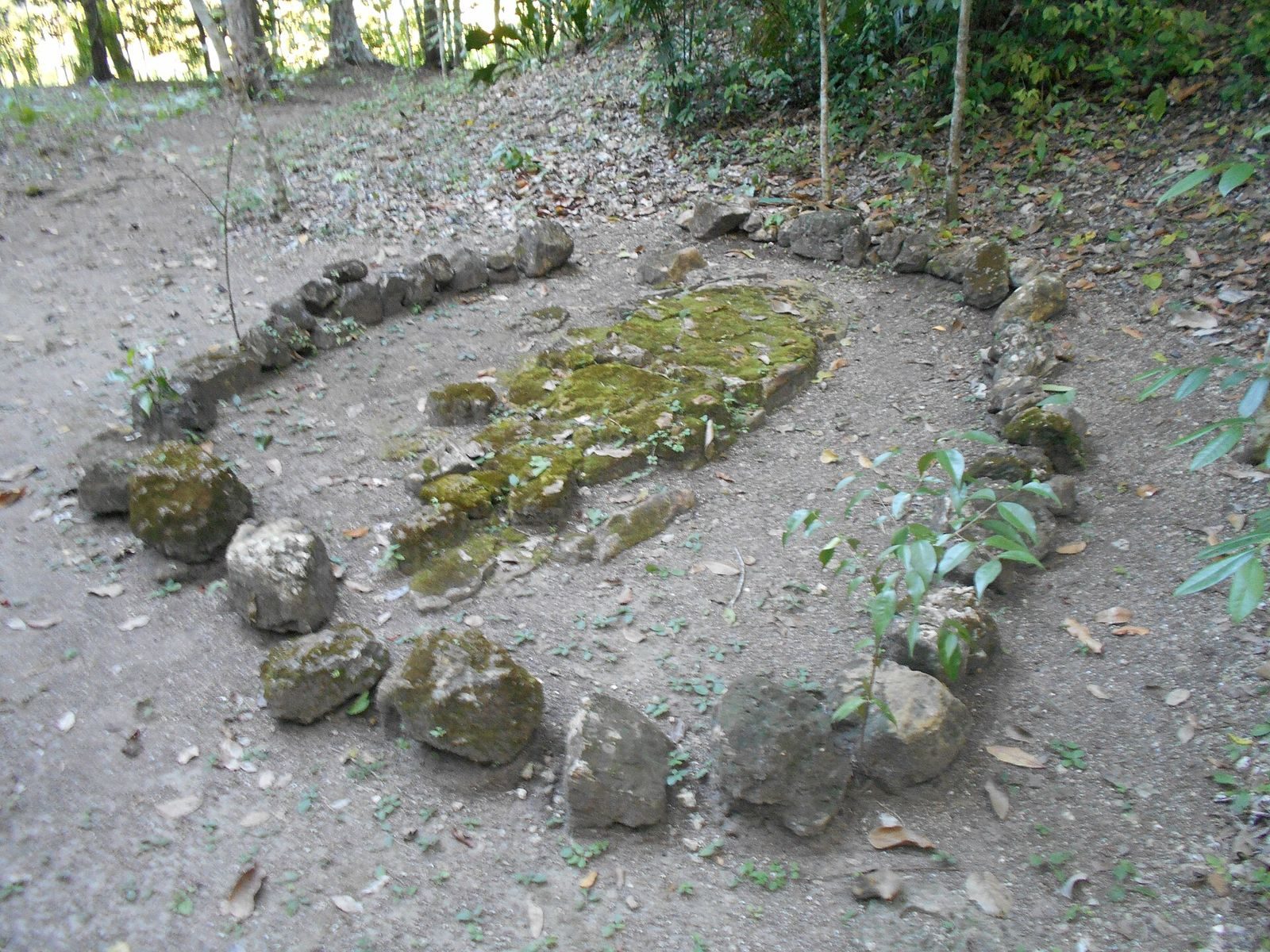
Four sculpted Classic Period monuments were found at Ixlu: two stelae, or carved stone monuments, and two altars. The stelae resemble Classic Maya examples from Tikal and show bloodletting rituals and manifestations of the Paddler Gods, deities in Maya religious tradition. Stela 1 bears the date AD 879 and portrays a ruler using Tikal’s Emblem Glyph, a hieroglyphic title associated with a Maya political center, along with the title K’ul Mutul Ahaw, meaning “holy lord of Tikal.” Stela 2 depicts the Jaguar Paddler God and is now in the main plaza of Flores.