Itter Castle: From Medieval Border Fortress to Wartime Prison
Site at a Glance
- Popularity
- Very High
- Country
- Austria
- Primary era
- Modern
- Eras represented
- Medieval, Modern
- Civilizations
- Austria-Hungary, Habsburg, Holy Roman Empire, Prince-Archbishopric of Salzburg
- Site type
- Domestic
- Remains
- Castle
On this page10 sections
History
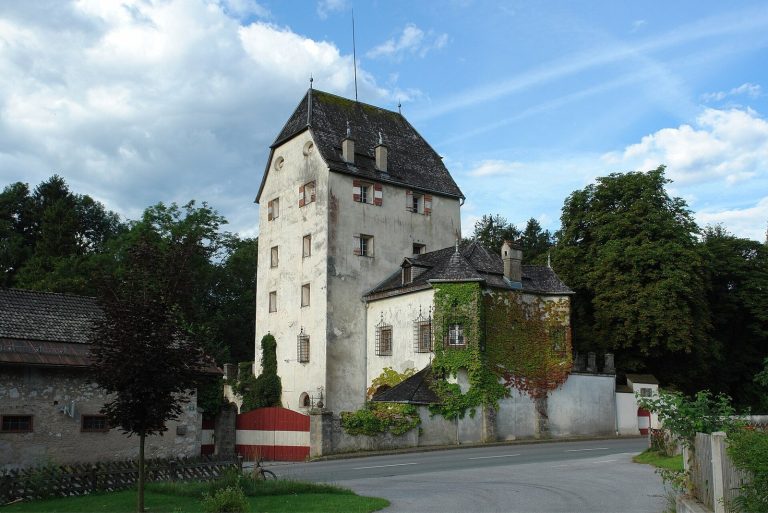
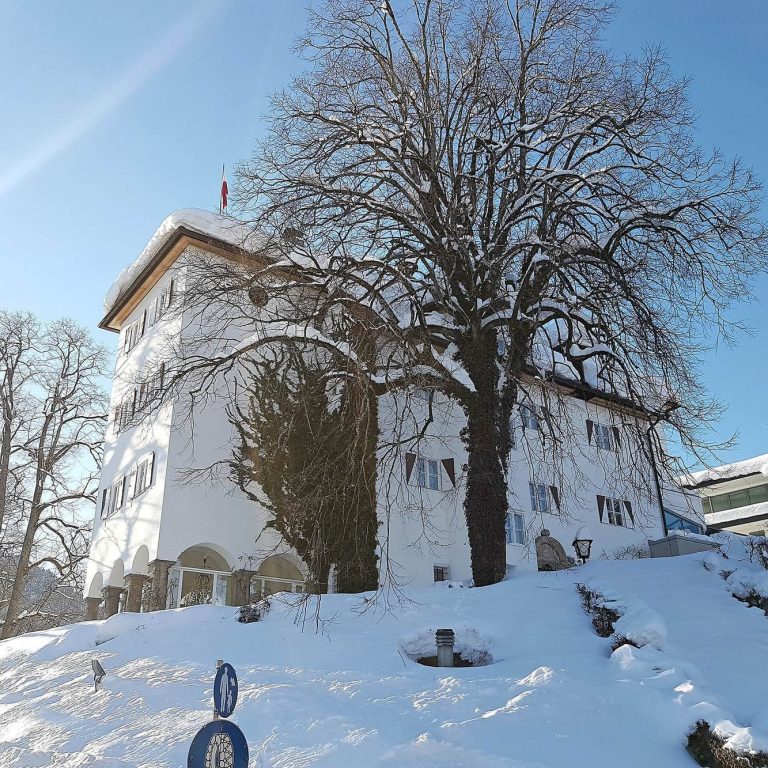
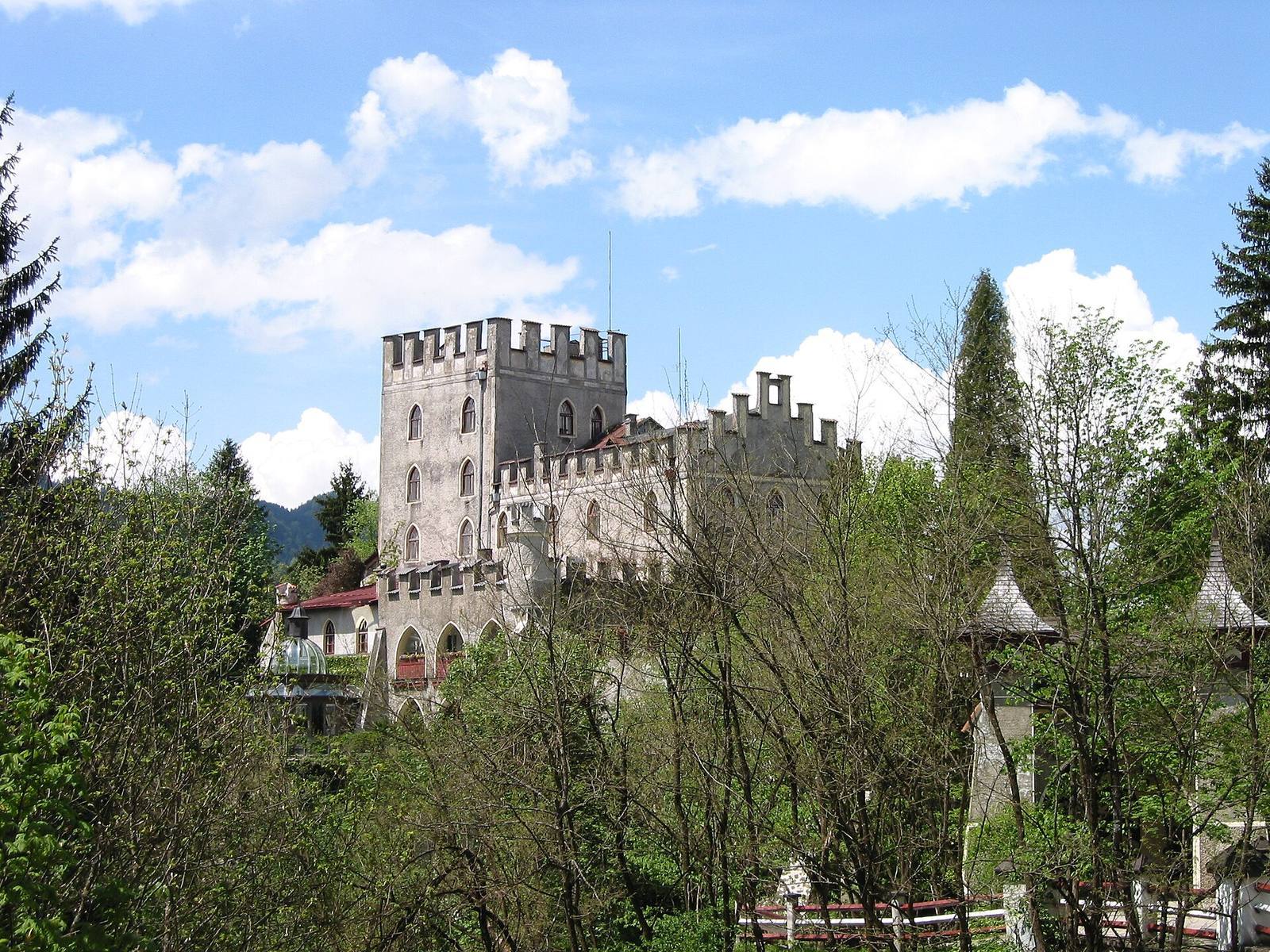
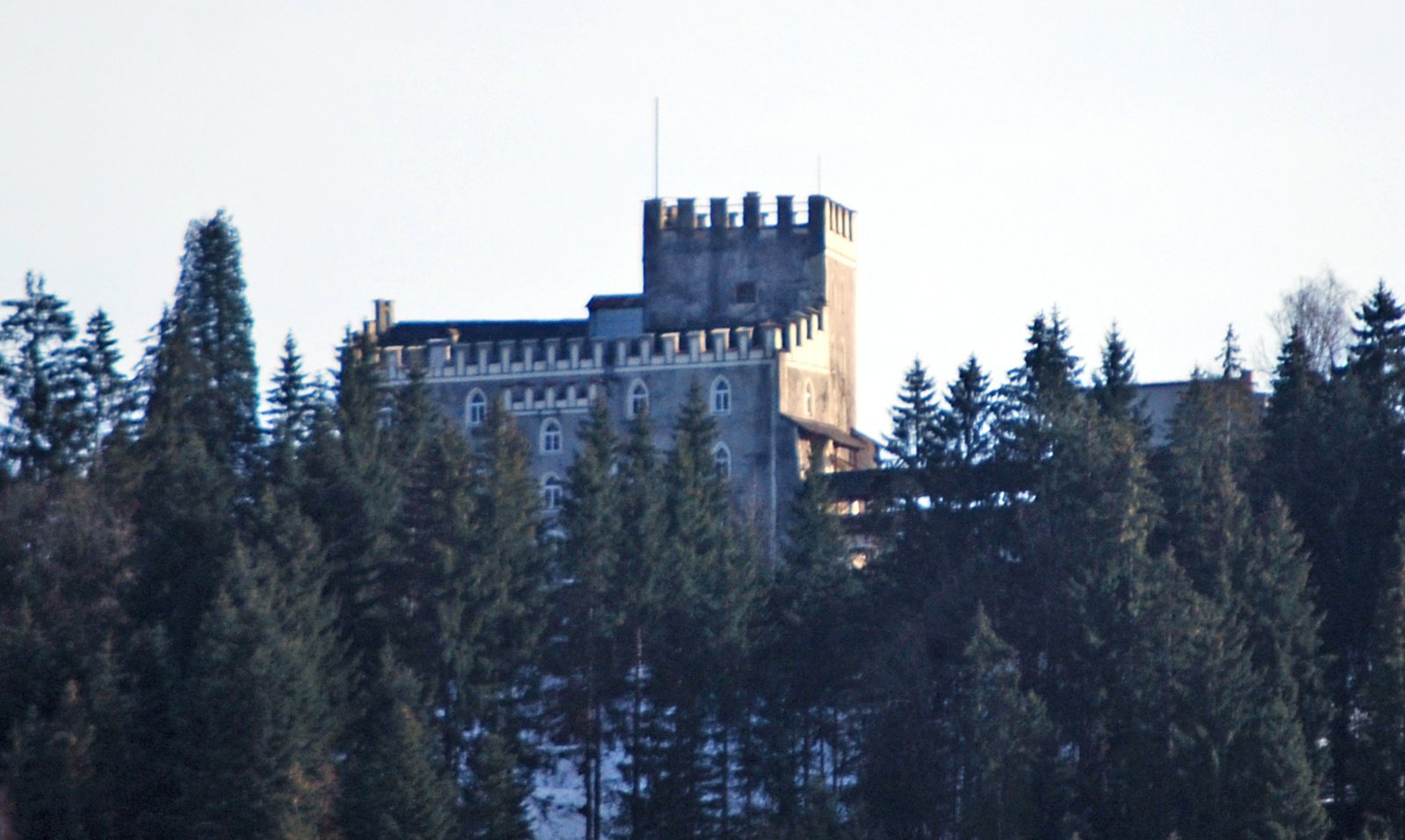
Itter Castle stands above the village of Itter in Austria. Its earliest fortress may date to the 10th century, while the present building was constructed from 1878 and remodelled in 1902 in a neo-Gothic style with details inspired by Tudor-era English architecture. The medieval stronghold guarded a territorial boundary and later served as an administrative centre, before its use changed through successive periods of ownership.
Border fortress and ecclesiastical administration
The fortress may have been built after the Brixental came under the Regensburg bishopric in 902. Regensburg’s bishopric and Salzburg’s archbishopric were ecclesiastical territories governed by church leaders. Itter was intended to protect Regensburg’s lands and watch the valley entrance facing Salzburg. Its first recorded association dates to 1241, when it was linked to Count Palatine Rapoto of Ortenburg.
The counts of Ortenburg used the castle as an administrative centre. By the 14th century it housed a local court and government offices. Residents had to provide food and firewood, maintain roads, and supply military contingents. The Brixental passed to Salzburg in 1312. In 1380, Regensburg’s cathedral chapter sold Itter to Salzburg’s archbishopric, then led by Archbishop Pilgrim II.
Destruction, decline, and changing ownership
Pinzgau peasants destroyed the castle in 1526 during the German Peasants’ War, a peasant revolt. It was rebuilt by 1532. In the late 16th century, an ecclesiastical court at the castle prosecuted people accused of witchcraft. After the local court moved to Hopfgarten in the 17th century, the castle fell into disuse.
Ownership shifted repeatedly in the early modern period. The castle came into the possession of Joseph II, a Habsburg emperor, in 1782. Napoleon Bonaparte, the French military and political ruler, took it over in 1805, and it passed to Maximilian I, king of Bavaria, in 1809. In the early 19th century, the Bavarian government sold the ruins to the municipality of Itter for 15 florins. Local people used the remains as a quarry. The Brixental became part of Austrian Tyrol in 1816.
Residence and hotel
In 1878, Munich entrepreneur Paul Spieß had a new castle built on the earlier foundations. His plan to operate a 50-room guesthouse did not succeed. Concert pianist Sophie Menter bought the property in 1884 and welcomed guests including her teacher Franz Liszt, composer Pyotr Tchaikovsky, and the young Arthur Rubinstein. During a visit in 1892, Tchaikovsky orchestrated one of his compositions there.
Owner Eugen Meyer remodelled the castle in 1902, giving it a neo-Gothic appearance with Tudor influences. It became a residence and luxury hotel during the Belle Époque, a period of relative prosperity and cultural flourishing in Europe before the First World War. The hotel had electric lighting and modern sanitation. In 1925, Franz Gruener acquired the property to display his collection of paintings and sculptures.
Prison under Nazi rule
The German government leased the castle for state use in 1940. A conversion into a smoking-cessation facility was planned in 1942, but on 7 February 1943 SS Lieutenant General Oswald Pohl requisitioned it for the SS on Heinrich Himmler’s orders. The SS was the Nazi organization responsible for administering the concentration-camp system. By 25 April, Itter had become a prison and a subcamp of Dachau, the Nazi concentration camp in Germany. It held mainly prominent French prisoners until 1945, although conditions there differed markedly from those at Dachau’s main camp.
A small SS detachment guarded the prison. Deportees from Dachau were forced to work at the castle, including a group of women and several men. Eastern European prisoners were also held there for service and other labour. Among the French detainees were former prime ministers Édouard Daladier and Paul Reynaud; labour leader Léon Jouhaux, whose wife joined him at her own request; and tennis champion Jean Borotra, a former minister under the Vichy regime, the French government that cooperated with Germany. Other prisoners included André François-Poncet, French ambassador in Berlin from 1931 to 1938; politician Michel Clemenceau, son of Georges Clemenceau; generals Maurice Gamelin and Maxime Weygand, the latter accompanied by his wife; and François de La Rocque, a former leader of the nationalist Croix-de-Feu movement. Captain Granger, whose brother-in-law was General Giraud, was also held there. Francesco Saverio Nitti, a former Italian prime minister, was among the prisoners.
Former French president Albert Lebrun was held at Itter from late August until October 1943, when he was returned to France for health reasons. Klaus Barbie had abducted him from the home of his son-in-law, Jean Freysselinard, in Vizille. In the summer of 1944, Dachau prisoners forced to work at Itter planned an escape to Switzerland for themselves and the prominent detainees. The plan failed when the prominent prisoners declined to join them. In April 1945, Marie-Agnès de Gaulle, a Resistance member and older sister of Charles de Gaulle, arrived from the Buchenwald subcamp at Bad Godesberg.
Fighting in May 1945 and later use
As U.S. forces advanced, Dachau’s last commandant, Eduard Weiter, fled to Itter. He died by suicide there on 2 May 1945. On 4 May, after the SS guards withdrew, prisoners armed themselves in expectation of an attack. Two Sherman tanks from the U.S. 23rd Tank Battalion, 12th Armored Division, commanded by Captain John C. Lee Jr., joined anti-Nazi Wehrmacht troops led by Major Josef Gangl. The Wehrmacht was Nazi Germany’s regular armed forces; Gangl had joined the Austrian resistance.
The defenders, including French prisoners, fought Waffen-SS forces through the night and into 5 May. The Waffen-SS was the military branch of the SS. The attacking force was estimated at 100 to 150 men. Gangl was killed, and reinforcements from the U.S. 142nd Infantry Regiment, 36th Infantry Division, arrived at about 4 p.m. on 5 May. The prisoners were liberated. After their release, the French detainees were taken to General Anthony McAuliffe and then to General Jean de Lattre de Tassigny’s headquarters in Lindau. Acting on orders from Paris, de Lattre arrested Borotra and Weygand.
Artillery fire damaged the castle during the fighting. The damage was repaired after the war, and the building briefly operated again as a luxury hotel. By 1950, hotelier Wilhelm Woldrich had acquired the property and added an outdoor swimming pool and a larger garage. The hotel property passed to Bettina McDuff in 1964 and to Ittag-Hotel AG in 1972. The hotel closed in 1980; the castle was sold to a private owner in 1985 and acquired by attorney Ernst Bosin in the late 1980s. It remains privately owned and protected as a historic monument.
Remains
Castle fabric and layout
Medieval fortress remains
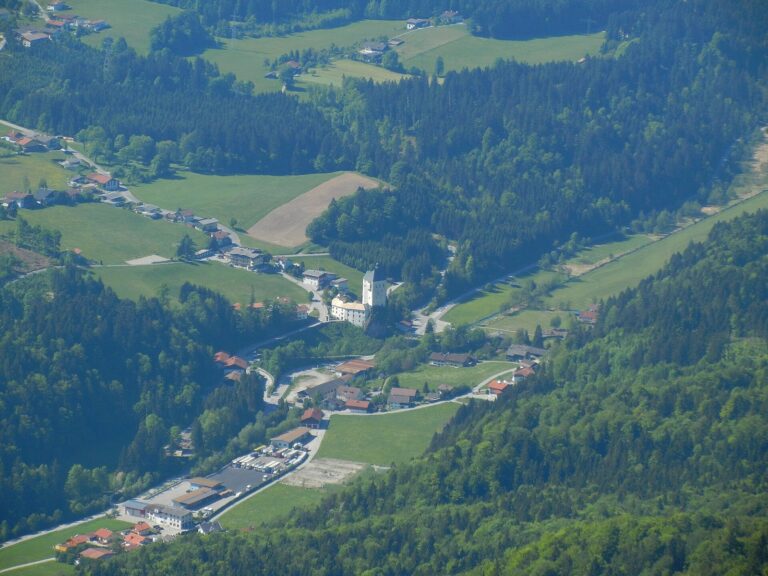
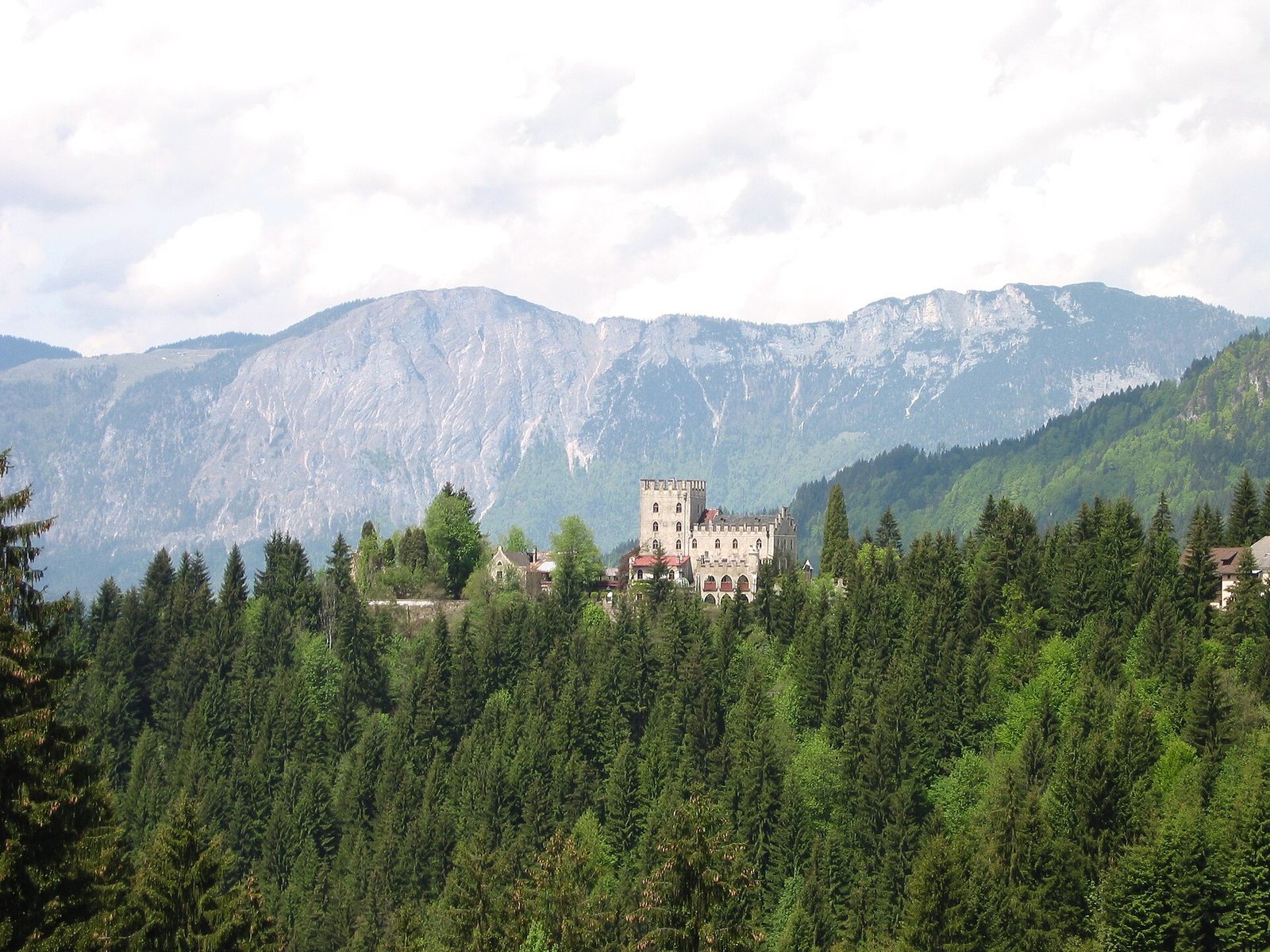
The castle occupies a rocky hill above Itter, at the entrance to the Brixental Valley. The surviving medieval fabric includes parts of two keeps and a wing connecting them. These remains belong to the earlier fortress, whose foundations underlie the later castle.
Later castle and hotel additions
The present building was constructed from 1878 on the fortress foundations and remodelled in 1902 with neo-Gothic forms and Tudor-inspired details. The postwar hotel additions included an outdoor swimming pool and a larger garage.