Ilburg: High-Medieval Hilltop Castle in Germany


Site at a Glance
- Rating
- 3.7
- Popularity
- Very Low
- Country
- Germany
- Primary era
- Medieval
- External website
- Open
- Eras represented
- Medieval
- Civilizations
- Holy Roman Empire
- Site type
- Military
- Remains
- Castle
On this page7 sections
History
Ilburg is the remnant of a high-medieval hilltop castle near Ilfeld in Germany, traditionally associated with Elgerus de Bilstein and the origins of the Counts of Hohnstein. Local tradition places its construction around 1150, when Elgerus later adopted the title Count of Ilfeld.
Foundation and the Ilfeld Counts
The castle may originally have been called Burg Ilfeld. A report written by the monk Johannes Caput between 1296 and 1300 names it first as “Yliborgk” and then as Ilfeld. Elgerus’s successor, Adelger von Ilfeld, married Lutrude von Hohnstein around 1162. Their marriage established the Hohnstein comital dynasty, a hereditary ruling family headed by counts.
Abandonment and Reuse
Around 1180, Adelger, also identified as Elger II, moved his residence to neighboring Hohnstein Castle. Ilburg then lost much of its military and aristocratic residential importance and was abandoned around 1189. Later, stones from the deserted castle were reused in the construction of Ilfeld Monastery, founded by the Counts of Hohnstein.
Remains
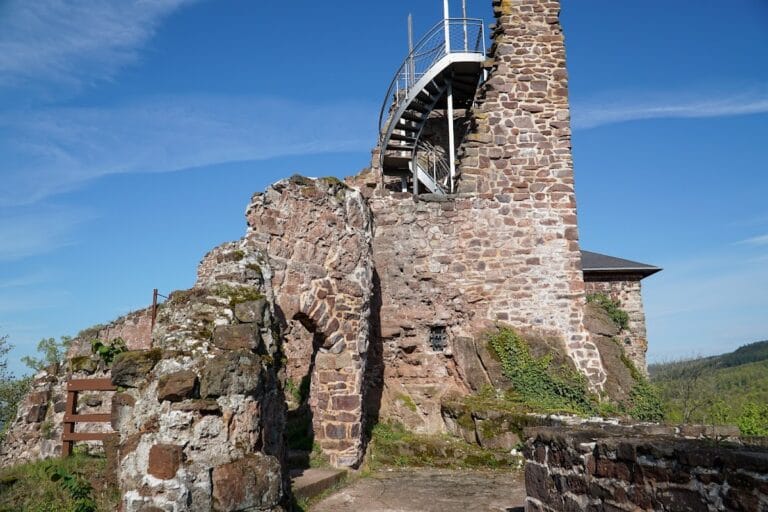
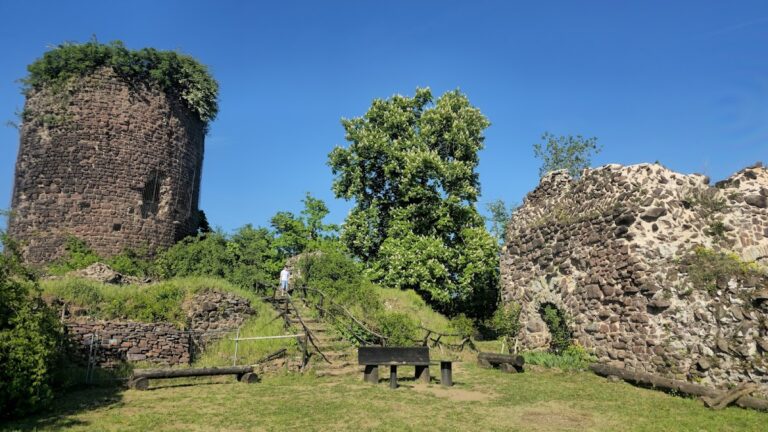
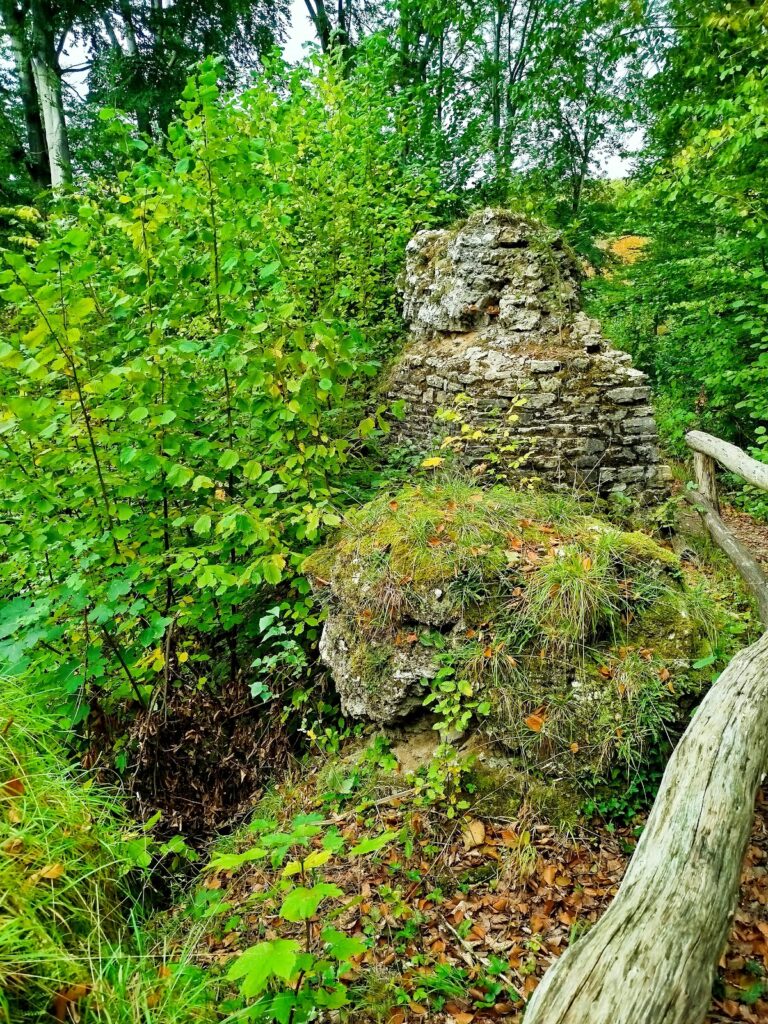
Ilburg occupied a steep, prominent hill at approximately 300 metres above sea level above Ilfeld. The complex consisted of a main castle on the hilltop and an outer bailey extending north and west. Only slight wall and foundation remains survive, most of them heavily overgrown.
Fortified Layout
Main Castle
The main castle had an approximately rectangular plan. Its elevated courtyard was enclosed by a rectangular wall and included a round keep, the principal fortified tower used for defence and sometimes residence. The courtyard offered little room for residential buildings.
Outer Bailey
The outer bailey probably contained economic and service buildings. A defensive wall enclosed it completely, while a ring ditch, a defensive ditch encircling or partly encircling a fortified enclosure, protected the complex and remains recognizable today. An additional round tower stood at the western corner. The entrance was probably reached through a gate complex on the northeast side.
Nearby sites