Ikisan Choshizuka Kofun: A Keyhole-Shaped Burial Mound in Japan
Site at a Glance
- Rating
- 3.3
- Popularity
- Very Low
- Country
- Japan
- Primary era
- Classical
- External website
- Open
- Eras represented
- Classical
- Civilizations
- Unclassified
- Site type
- Burial
- Remains
- Burial Mound
On this page8 sections
History
Kofun-period construction
Ikisan Choshizuka Kofun is a large burial mound in Japan, built during the latter half of the fourth century in the Kofun period, an era of ancient Japanese state formation that lasted approximately from the third through the seventh centuries. It is a keyhole-shaped kofun, combining a circular rear section with a square front, and is the largest kofun in the Itoshima area and on the Genkai Sea coast.
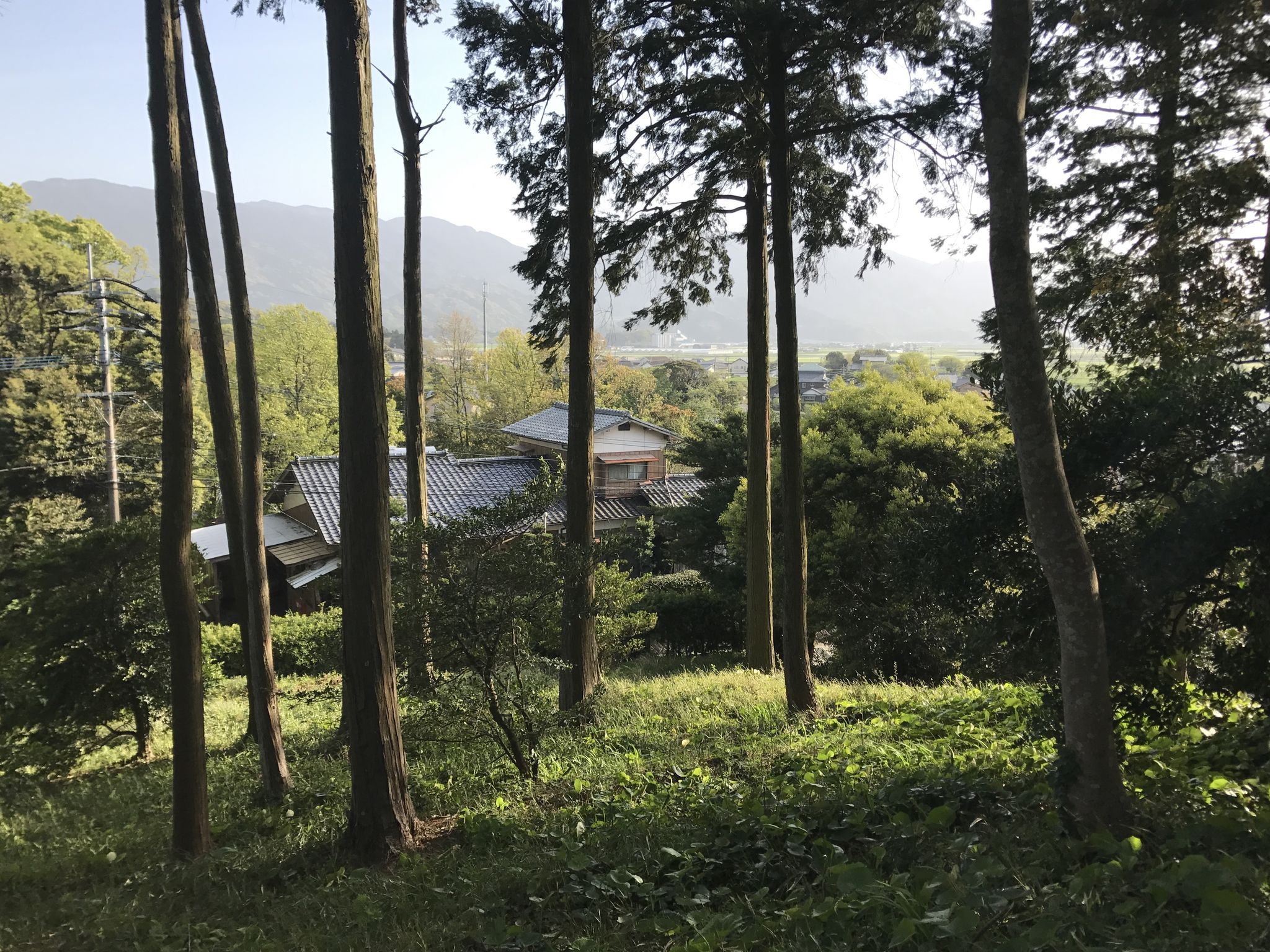
The mound was built on a hill near the mouth of the Nagano River, on the western bank overlooking Karatsu Bay. Its location placed it within a coastal landscape connected to the northwestern part of Kyushu. The burial facility was positioned in the summit of the circular rear section, where it held a rich collection of grave goods and a wooden coffin.
Later history and excavation
Ikisan Choshizuka Kofun was described in the Edo-period work Chikuzen no Koku Zoku Fudoki. The Edo period was the era of Tokugawa shogunate rule from 1603 to 1868. During the Meiji period, which followed the establishment of Japan’s modern imperial government in 1868, a ventilation trench was cut into the mound.
In 1950, the Fukuoka Prefectural Board of Education and the Japanese Archaeological Association excavated the burial facility. Numerous objects were found in their original depositional positions, preserving evidence of how the burial was arranged. The mound’s name comes from a local tradition that a golden sake ewer was buried there.
The site became a National Historic Site in 1957 under the designation name “Choshizuka Kofun.” Its protected area was enlarged in 2021 and again in 2024.
Remains
Mound and setting
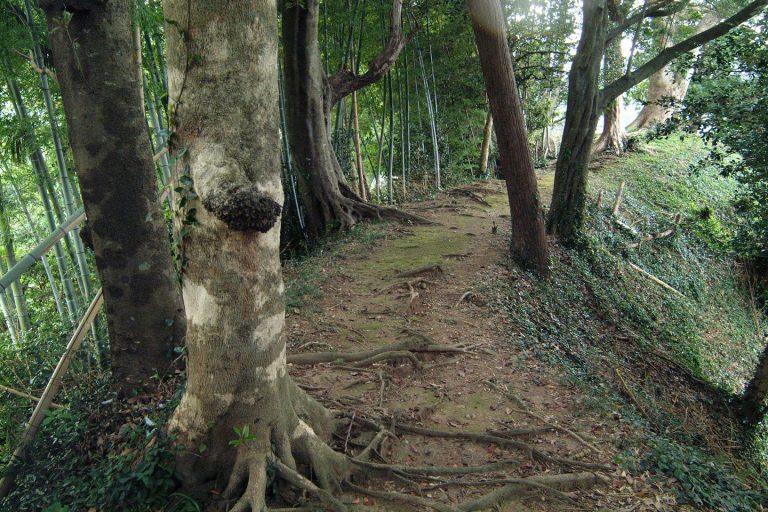
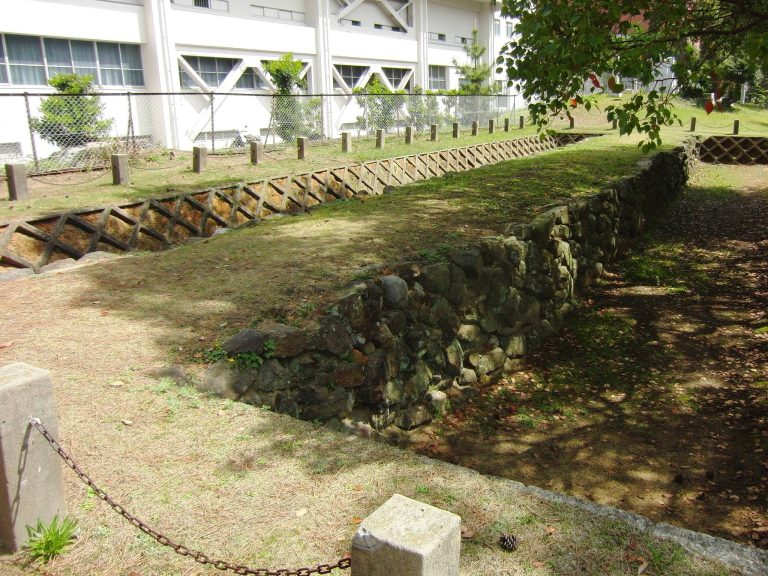
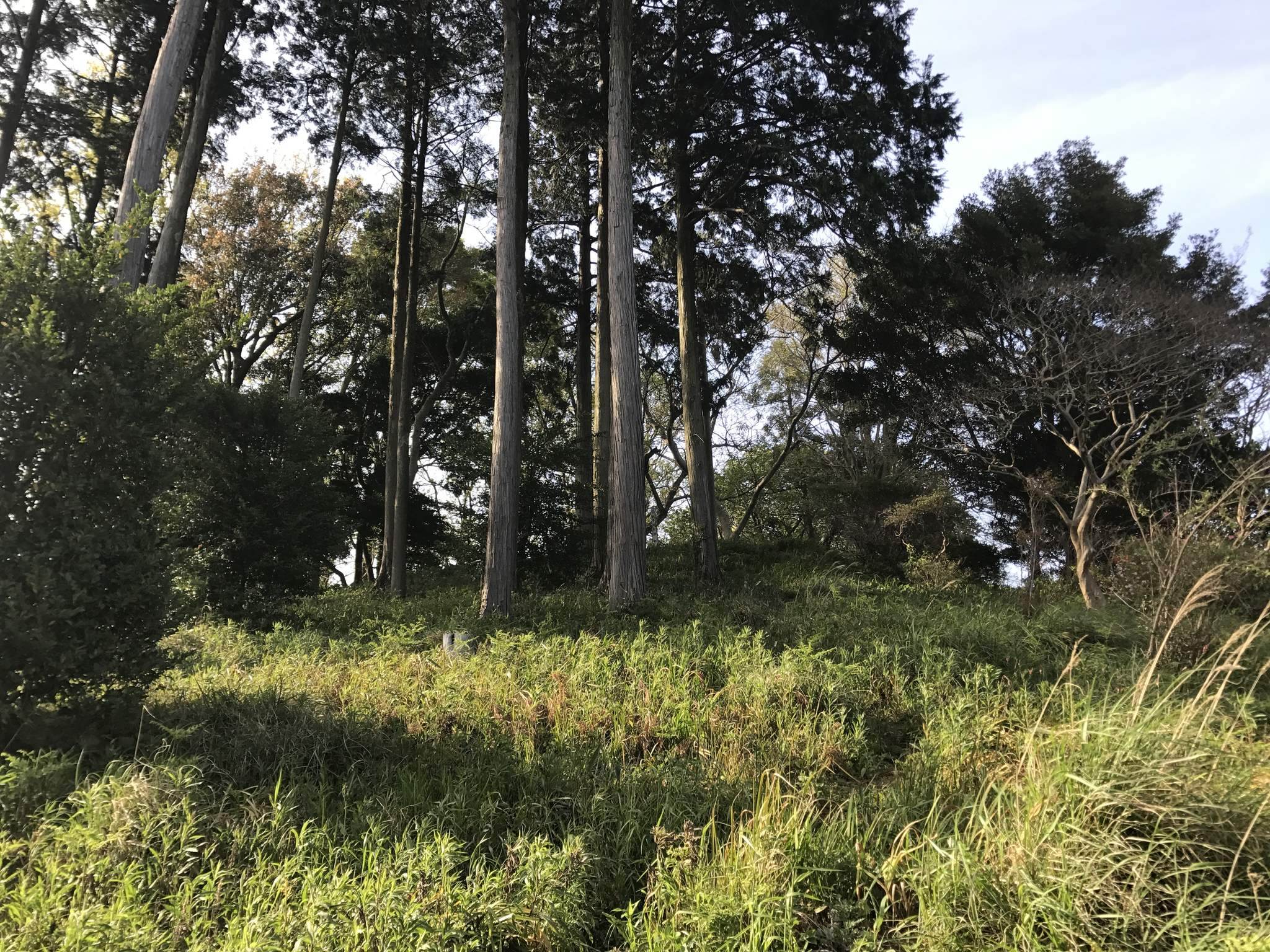
The mound extends for 103 meters along an approximately north-south axis, with its square front directed north. Its keyhole plan occupies a hill near the Nagano River’s mouth and faces the waters of Karatsu Bay. The circular rear section was built in three tiers. It is about 60 meters across, with a summit measuring 28 meters in diameter and a height of 9.5 meters.
The square front section was constructed in two tiers. It is approximately 30 meters wide, narrowing to about 26 meters at the neck, and rises 6 meters high. Part of the mound’s original form has been lost, but its principal keyhole-shaped outline and the division between the circular rear and square front sections remain evident.
Burial facility and grave goods
Stone burial chamber
A pit-style stone burial chamber, an enclosed burial facility set within the mound, lies near the center of the summit of the circular rear section. It measures 3.4 meters long, 1.4 meters wide, and 0.8 meters deep. Builders used granite cobbles, placing the narrow faces outward, and laid stones across the floor. Basalt slabs covered the upper part of the chamber. Its direction runs diagonally to the mound’s main axis.
A composite wooden coffin is thought to have stood inside the chamber. The original roof stones are not present, and the coffin may have been covered with stone slabs in an unusual arrangement. Fragments of the coffin and part of the cinnabar pigment used in the burial are preserved at the Itoshima High School Local History Museum.
Mirrors and other burial objects
The excavation produced ten bronze mirrors, magatama beads, cylindrical beads, iron swords, spears, and arrowheads. Magatama are curved, comma-shaped beads used as ornaments and ritual objects. Near the head of the coffin were a square-patterned four-deity mirror and an inner-flower-pattern mirror, both dating from the middle to late Han dynasty, the ancient Chinese imperial dynasty traditionally dated from 206 BC to AD 220.
Four triangular-rimmed divine-and-beast mirrors were placed along the chamber’s left and right side edges. These bronze mirrors carried figures or motifs associated with protective supernatural beings, and they were made in Japan. Most of the excavated materials are held by the Kyoto University Museum, while the coffin fragments and cinnabar remain at the local history museum in Itoshima.