Church of Santa Cruz: A Manueline Parish Church in Portugal
Site at a Glance
- Popularity
- Very Low
- Country
- Portugal
- Primary era
- Early Modern
- Eras represented
- Early Modern
- Civilizations
- Portuguese
- Site type
- Religious
- Remains
- Church
On this page7 sections
History
Foundation and patronage
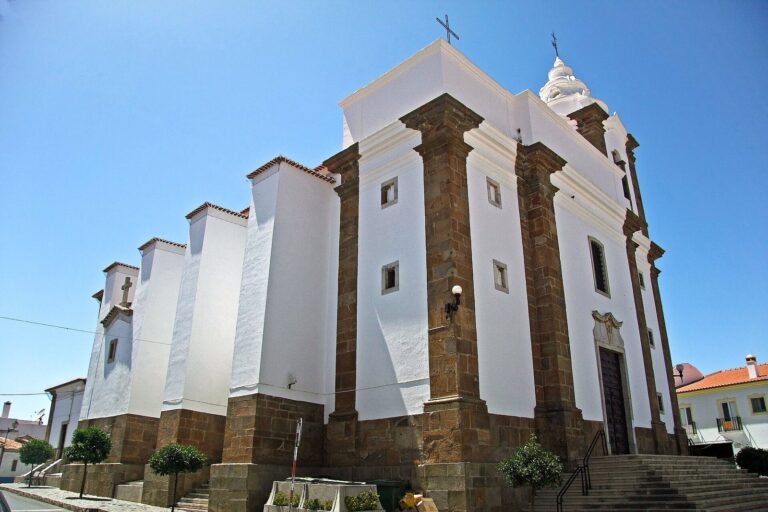
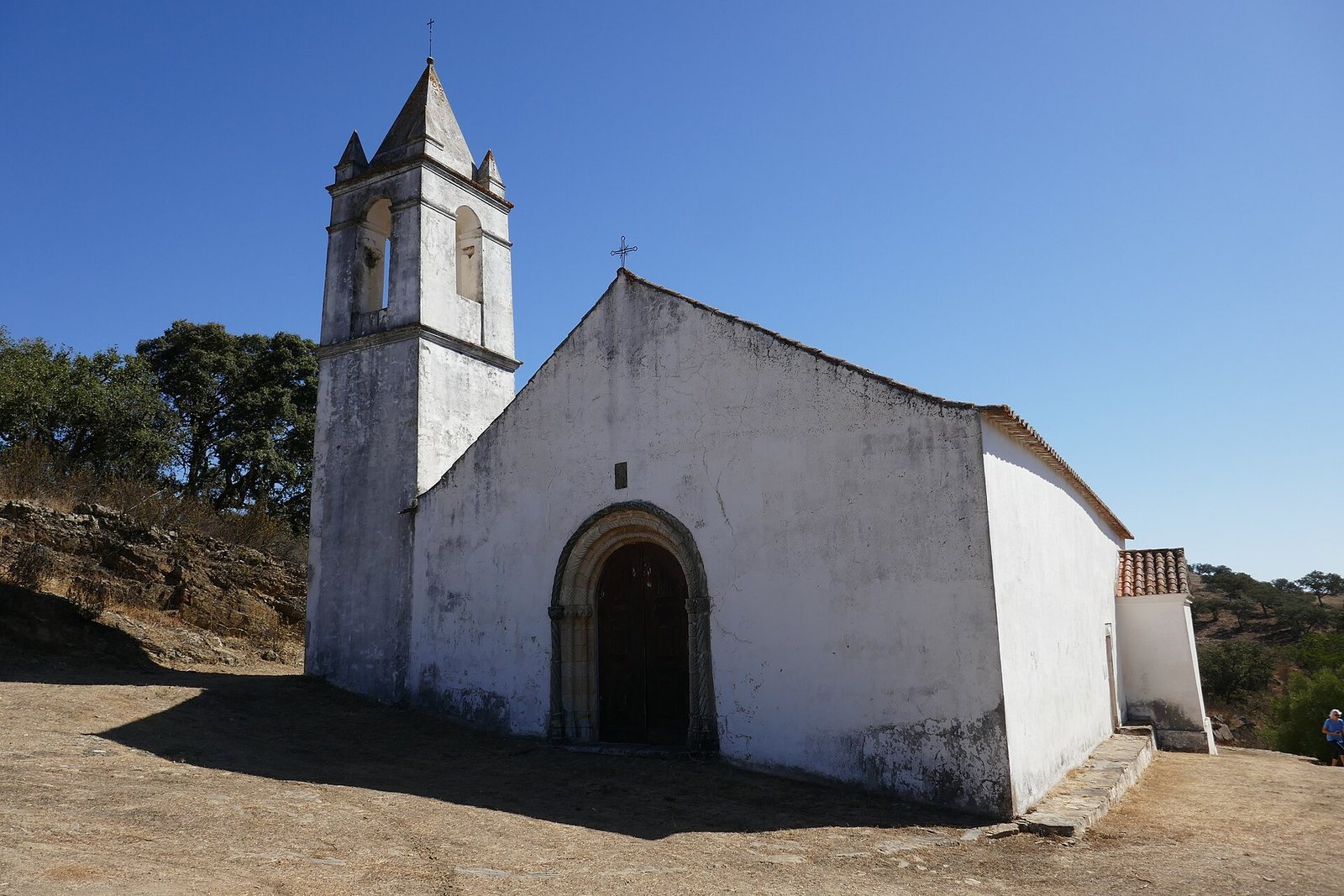
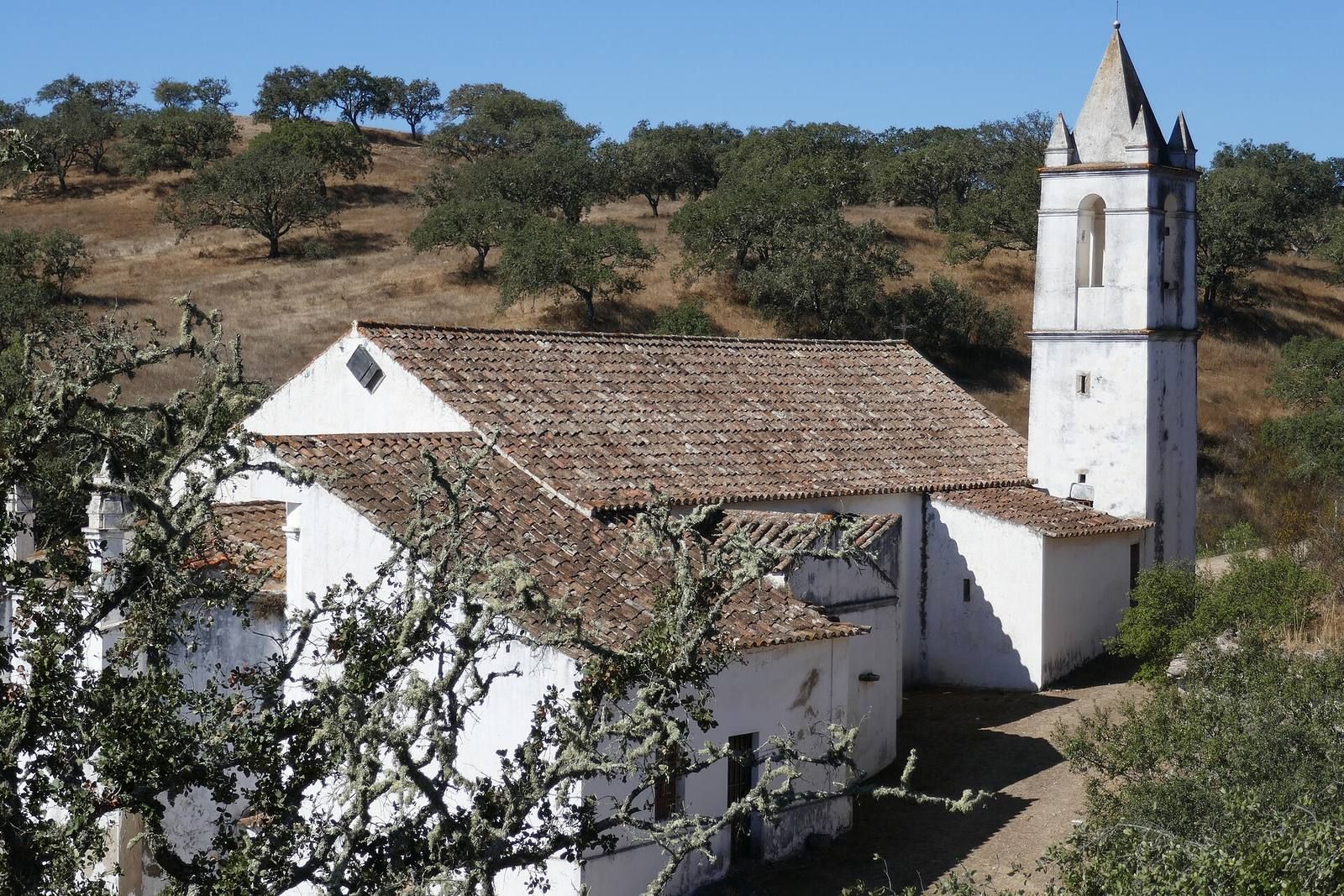
The Church of Santa Cruz is a sixteenth-century parish church outside the settlement of Santa Cruz, in the municipality of Almodôvar, Portugal. It follows the Manueline style, a Portuguese form of late Gothic architecture associated with the reign of King Manuel I. The church’s foundation was probably part of the patronage of Dom Fernão de Mascarenhas, holder of the commandery of Almodôvar, and his wife, Dona Violante Henriques. A commandery was an institutional benefice or estate.
Later history and conservation
One of the church’s two original towers, the clock tower, was destroyed in the early eighteenth century. In 1955, the church was classified as a Property of Public Interest. Restoration and conservation work in the 1960s and early 1980s addressed its roofs, exterior, doors and interior. The nave roofs were reconstructed in 1962, followed by work on the sacristy and apse roofs in 1966. Exterior features, doors and the raised sections of the chancel battlement were restored in 1968. Further work in 1981 covered roofs, doors and naves, while repairs to interior plaster, floors and ceilings followed in 1982.
Remains
Setting and plan
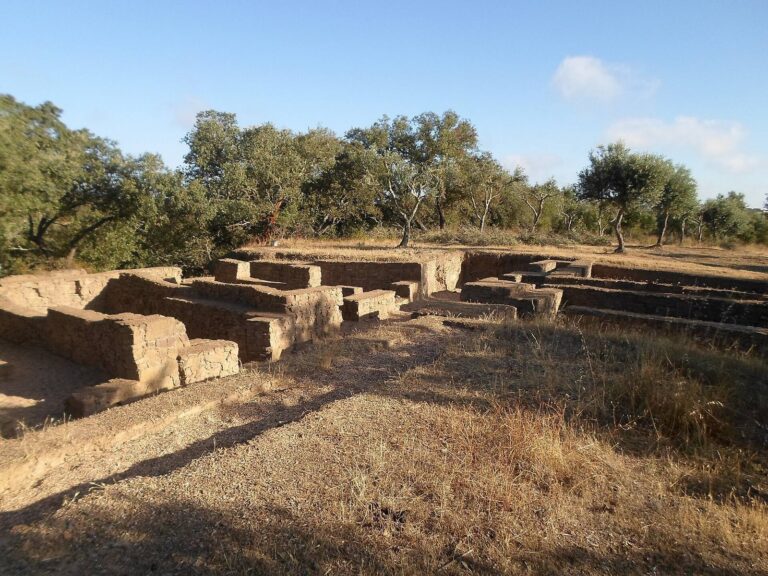
The church stands outside Santa Cruz as part of a group that also includes a small prayer chapel dedicated to Mary under the title Our Lady of Lapa, the ruined Chapel of St Benedict, a fountain and a public washhouse. Inside, three naves, the main body of the church, lead to a chancel, the area around the altar. The building also has a sacristy, a room for preparing services and keeping liturgical items. The chancel is covered by a star-shaped vaulted ceiling.
Entrance and bell tower
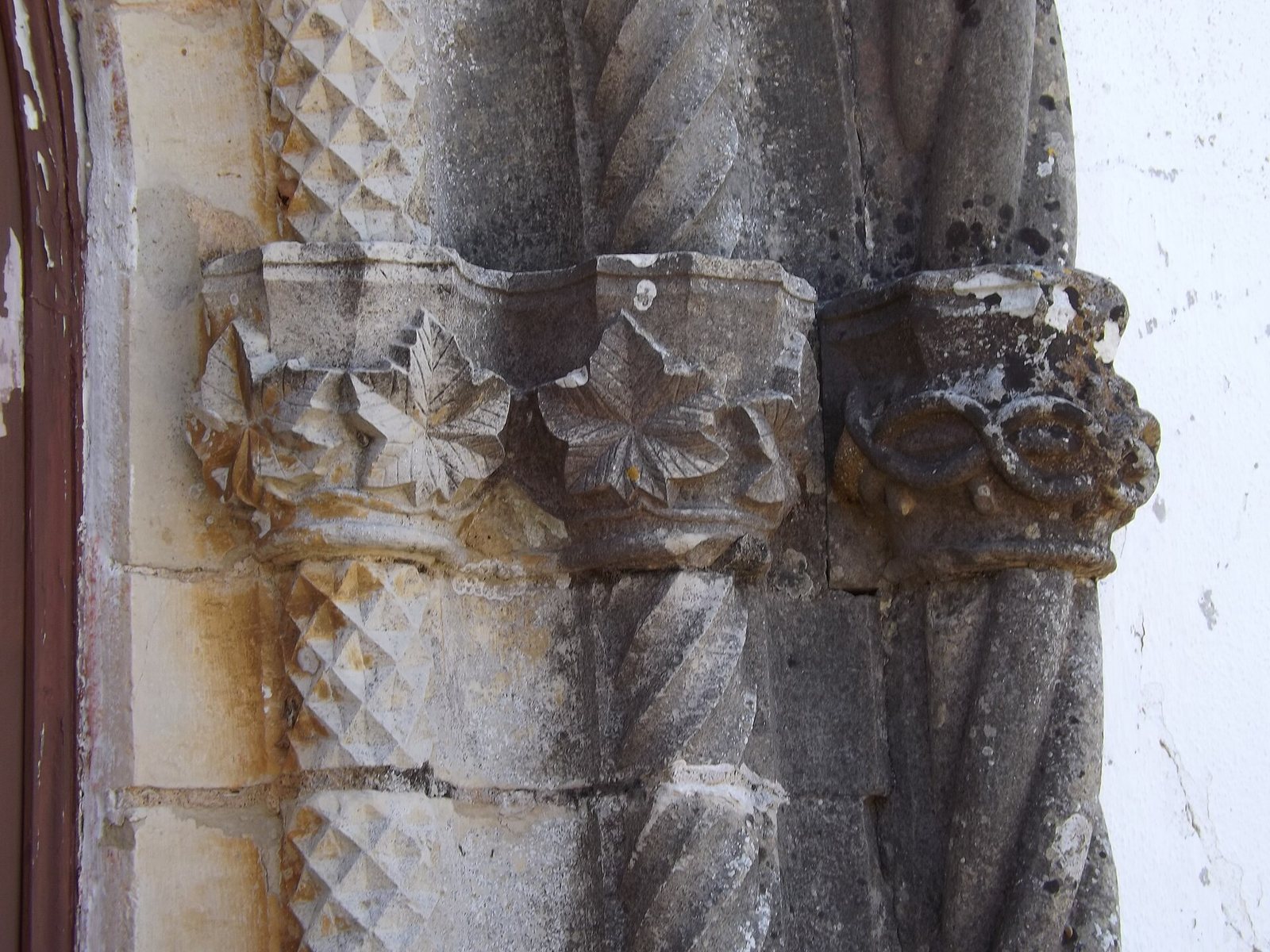
The main entrance has a rounded arch framed by three curved ornamental bands. The outer two are twisted like cords, while the inner band has a net-like honeycomb pattern. The tops of the supporting columns are decorated with naturalistic motifs. The crowning of the bell tower dates to the seventeenth century.
Interior decoration and fittings
The sacristy also dates to the seventeenth century, and its basin for ritual handwashing bears an inscription dated 1681. The chancel contains seventeenth-century wall paintings and ornate Baroque altar structures with gilded woodcarving. The church’s rounded projecting end, or apse, bears the coats of arms of Dom Fernão de Mascarenhas and Dona Violante Henriques. A side chapel’s vaulted ceiling shows Jesus Christ in the Garden, depicted sweating blood because of an illness.