Museu Municipal de Almodôvar: An Ethnographic Museum in Portugal
Site at a Glance
- Rating
- 4.5
- Popularity
- Very Low
- Country
- Portugal
- Primary era
- Early Modern
- External website
- Open
- Eras represented
- Early Modern
- Civilizations
- Portuguese
- Site type
- Civic
- Remains
- Town Hall
On this page6 sections
History
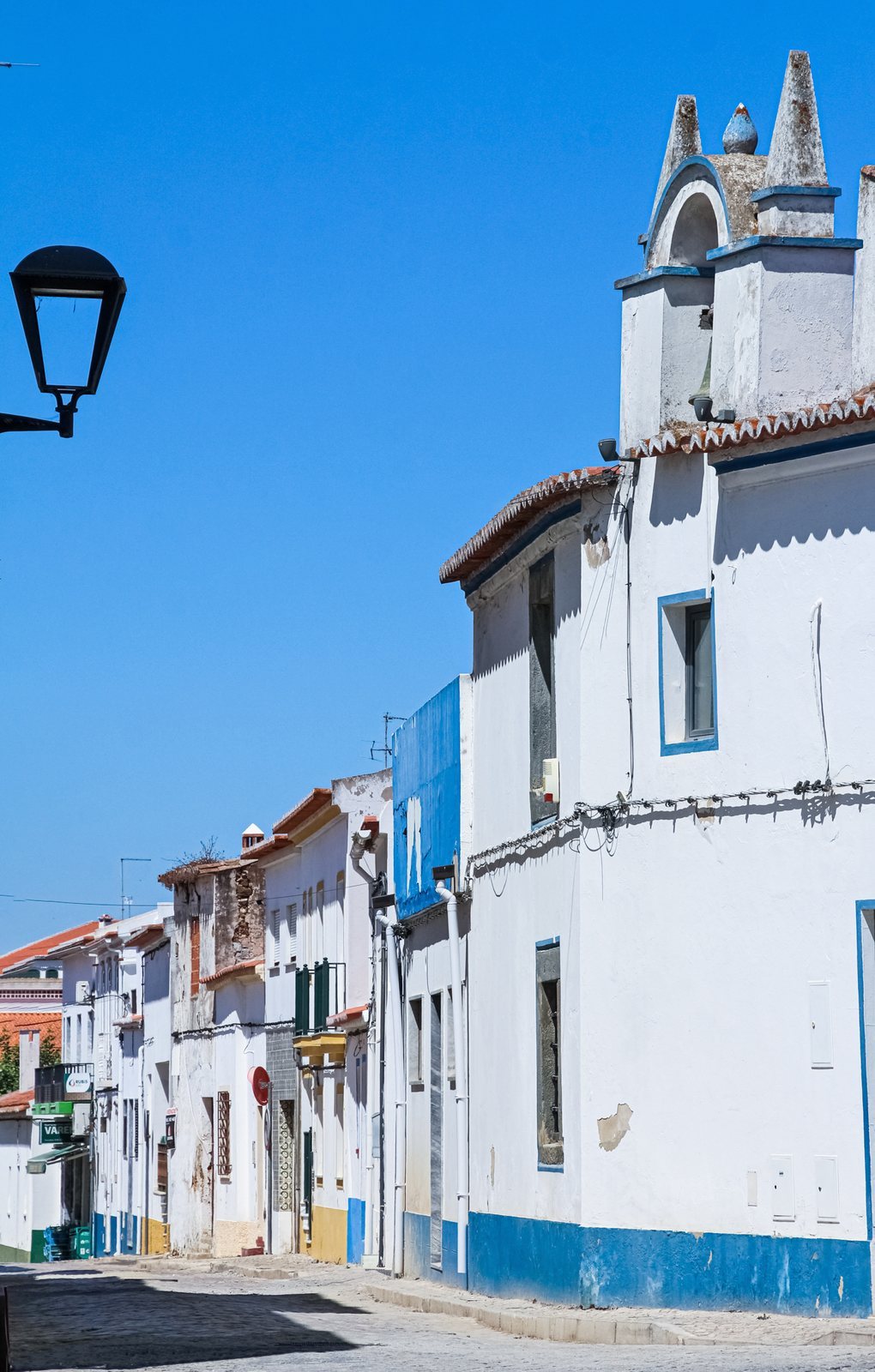
The Museu Municipal de Almodôvar is an ethnographic museum and cultural institution in Almodôvar, Portugal, housed in a seventeenth-century former town hall. Its vernacular architecture has a strong Baroque influence, especially in the belfry. The museum is also known as the Museu Municipal Severo Portela, in honour of the artist who donated a substantial part of his estate to the municipality.
From town hall to prison
The building originally served as Almodôvar’s municipal town hall. Local tradition holds that King Sebastian, the Portuguese monarch who reigned from 1557 until his death in 1578, stayed there overnight between 8 and 9 January 1573 while travelling through the Alentejo and Algarve.
In 1859, the municipal headquarters moved to the Convent of Saint Francis. The former town hall was then converted for use as a prison, adding a new institutional phase to the building’s history.
Transformation into a museum
In 1970, the building began housing the clock and clock face from the Clock Tower. The municipality carried out adaptation works in 1983, when the building opened as a museum dedicated to Severo Portela and its collections. It reopened to the public in November 2024 after maintenance that included refurbishment of the interior and painting of the interior and exterior.
Remains
The museum occupies the historic former town hall and prison on Praça da República, near the Church of Mercy and the Manueline Window House. The two-storey building combines vernacular construction with a pronounced Baroque treatment, retaining features connected with its former civic and penal uses.
Building and belfry
The belfry is the building’s most prominent Baroque feature. It ends in a curved gable and is flanked by pyramid-shaped pinnacles. The combination of a former prison and a belfry is also found in buildings at Estremoz and Mirandela.
Exhibition and clock
The ground floor contains the permanent exhibition Shoemaker: Memories of a Craft, devoted to footwear manufacture. Shoemaking was once an important economic activity in Almodôvar, where numerous shoemakers and footwear shops operated. The building also preserves the clock and clock face formerly belonging to the Clock Tower.