Church of San Agustín, Valladolid: Former Augustinian Convent Church
Site at a Glance
- Popularity
- Medium
- Country
- Spain
- Primary era
- Early Modern
- Eras represented
- Early Modern, Modern
- Civilizations
- Crown of Castile, Habsburg, Habsburg Spain, Spanish
- Site type
- Religious
- Remains
- Church
On this page5 sections
History
Augustinian foundation and church construction
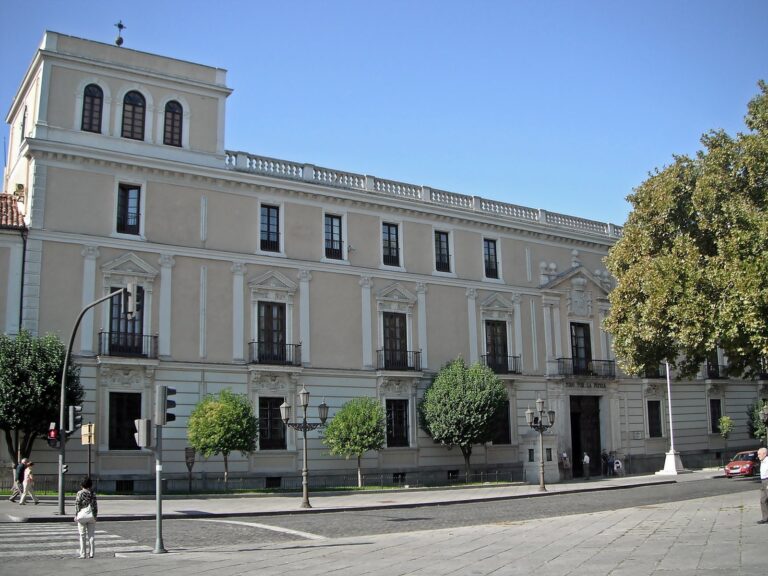
The Church of San Agustín is a former Augustinian convent church in Valladolid, Spain. Its construction began in 1550 and was completed in 1627, with a first phase in the late Gothic style and a later Classicist phase. The convent itself was founded in 1407, when the Augustinians took over the former palace of Ruy López de Dávalos, a senior royal official.
Augustinians had reached Valladolid during the reign of Henry III of Castile. From the thirteenth century onward, convents helped shape the city’s development. Nearby religious foundations included San Pablo, Santa Isabel, Santa Catalina, and San Quirce, as well as the Monastery of San Benito. A papal bull granted the convent loans toward construction of its church in 1550. The convent grew prosperous and acquired many surrounding properties, which it retained until the nineteenth century. The church served Catholic worship and was dedicated to Saint Augustine.
Damage, closure, and military use
During the French invasion of Spain, the convent housed French troops travelling through Valladolid on their way to Portugal. Their presence damaged the complex, and French forces plundered its wealth. Monastic life resumed in 1814 with only four monks, but the convent was vacated again during the Liberal Triennium, the period of liberal government from 1820 to 1823. Religious life later returned before ending in 1835, when the confiscation of church property led to the convent’s near-total dismantling.
The complex deteriorated during the nineteenth century. Parts were demolished and transferred to the military for use as a barracks and fort. The convent also served as a bakery, while the church became a granary for the garrison’s horses. By the middle of the century the buildings were in very poor condition, and, following a report by the Academy of Fine Arts of San Fernando, demolition of the church was considered.
Ruins and municipal archive
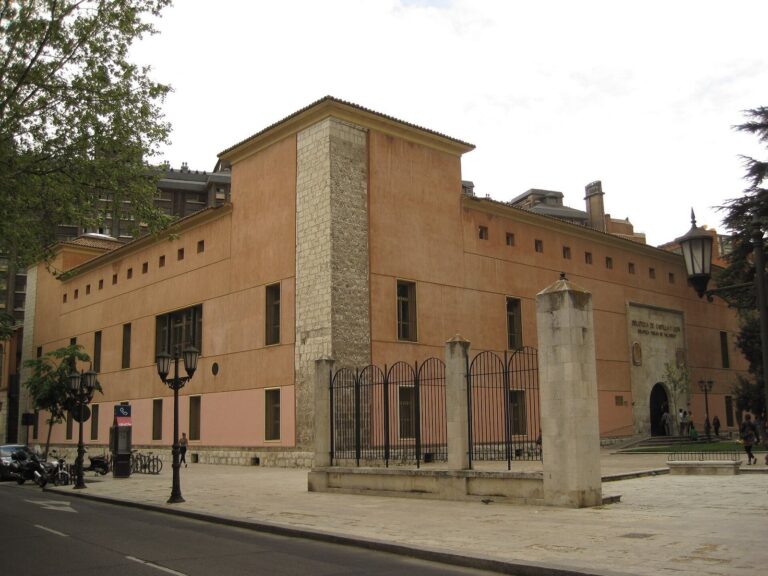
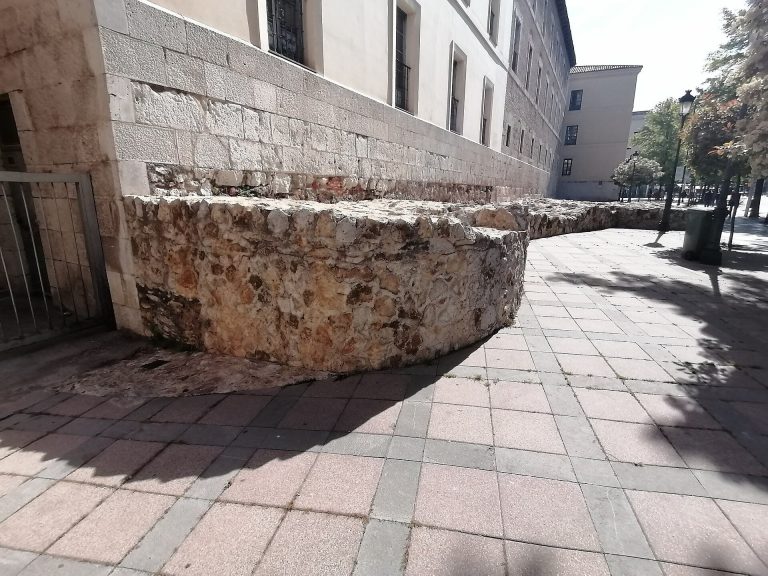
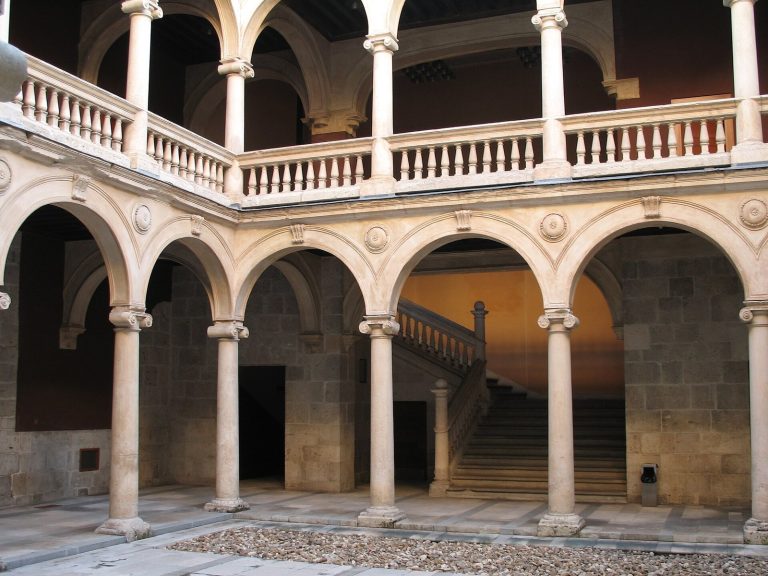
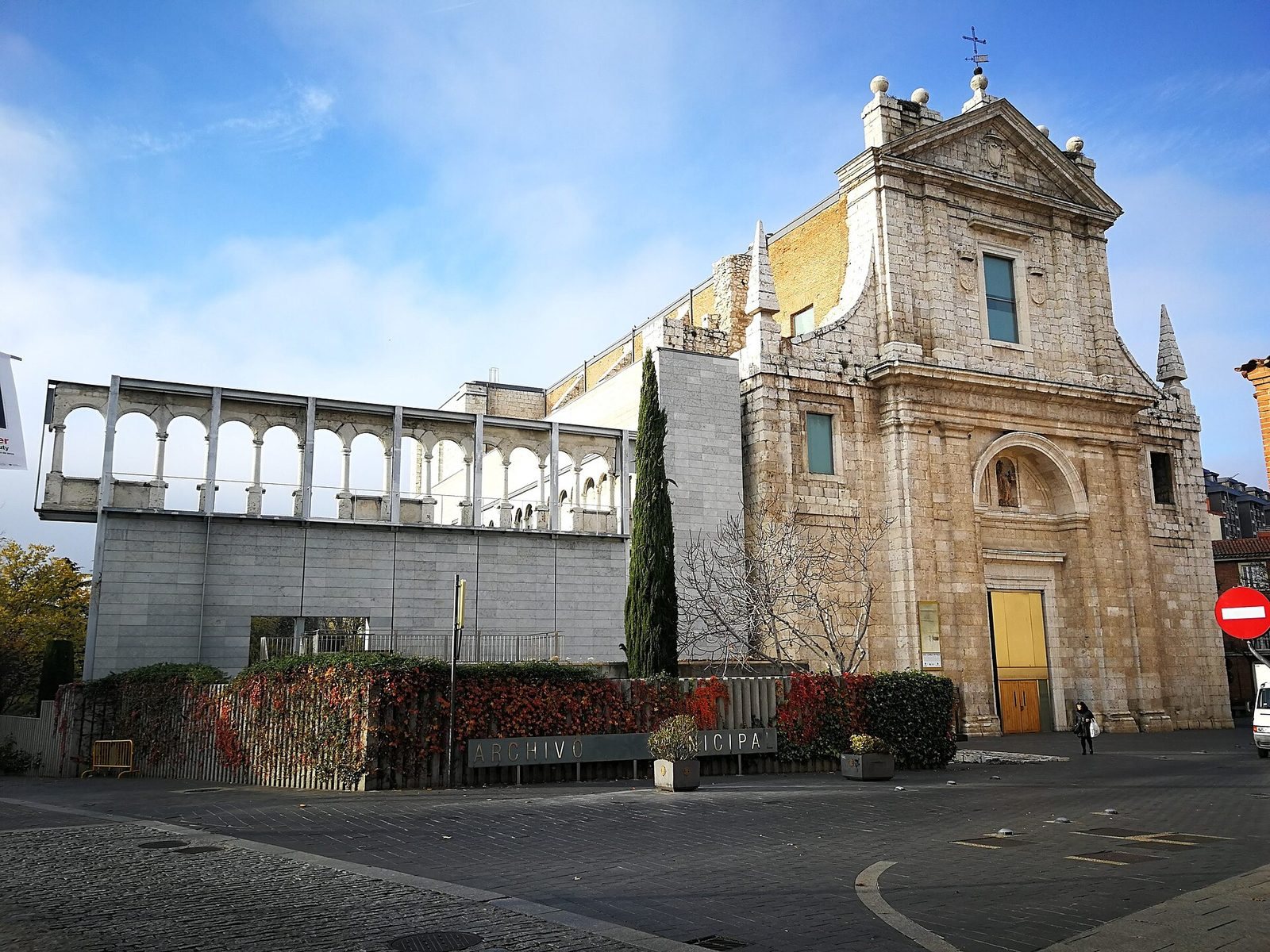
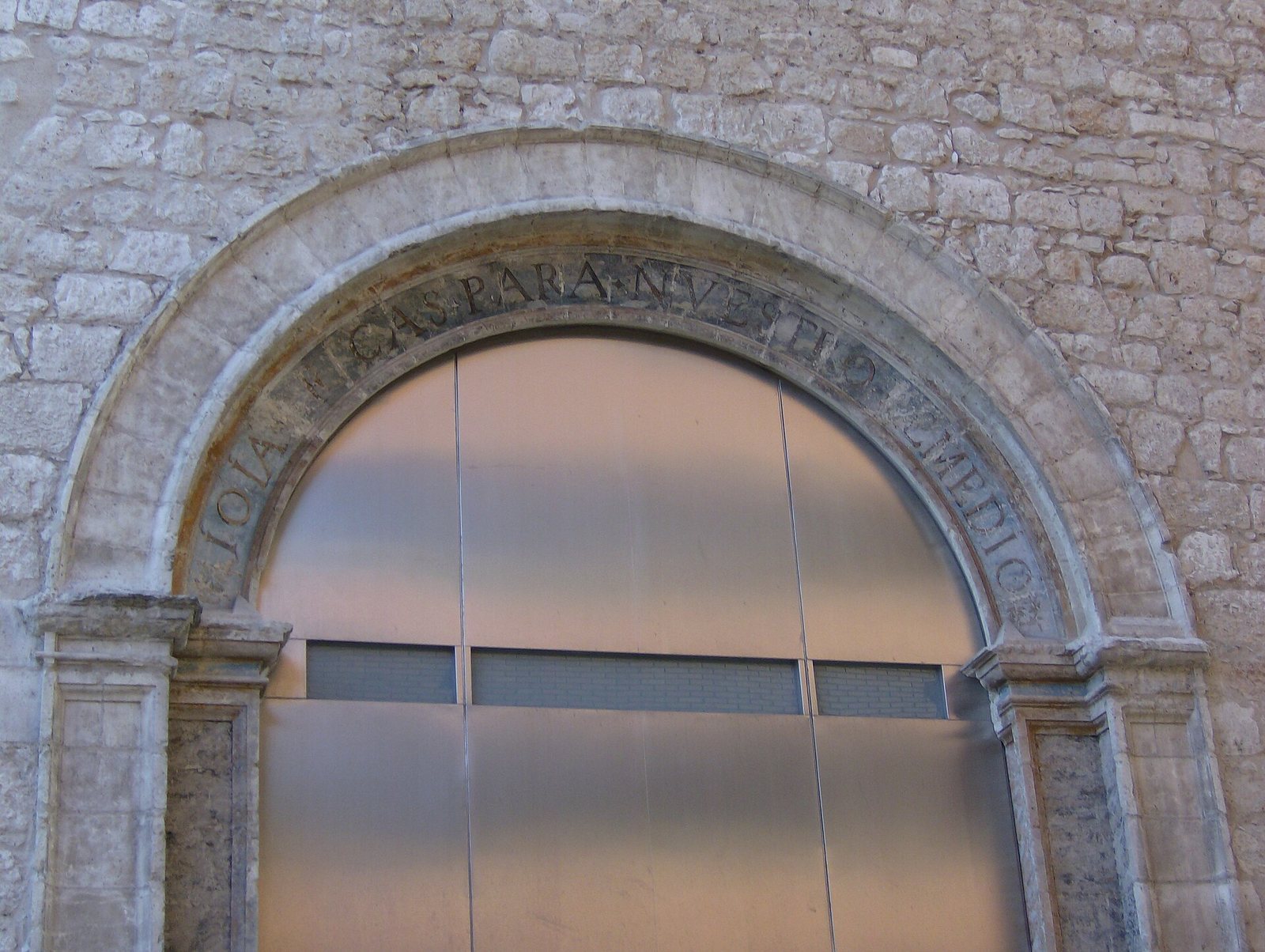
The church remained in ruins from the early twentieth century. In 1925, the cloister was dismantled and moved to the Archaeological Museum of Valladolid. It was later installed in Campo Grande Park and eventually deposited at the National Museum of Sculpture. In 1942, the ruins passed to Valladolid City Council in an exchange. After archaeological test excavations around the church in 2000–02, the building was rehabilitated in 2002 for use as the Municipal Historical Archive of Valladolid.
The archive holds records dating from the twelfth century to the present. Its oldest document is a royal charter issued by Henry I of Castile, granting the council of Valladolid the town and castle of Cabezón de Pisuerga in recognition of its loyalty to the king amid conflicts with the nobility.
Remains
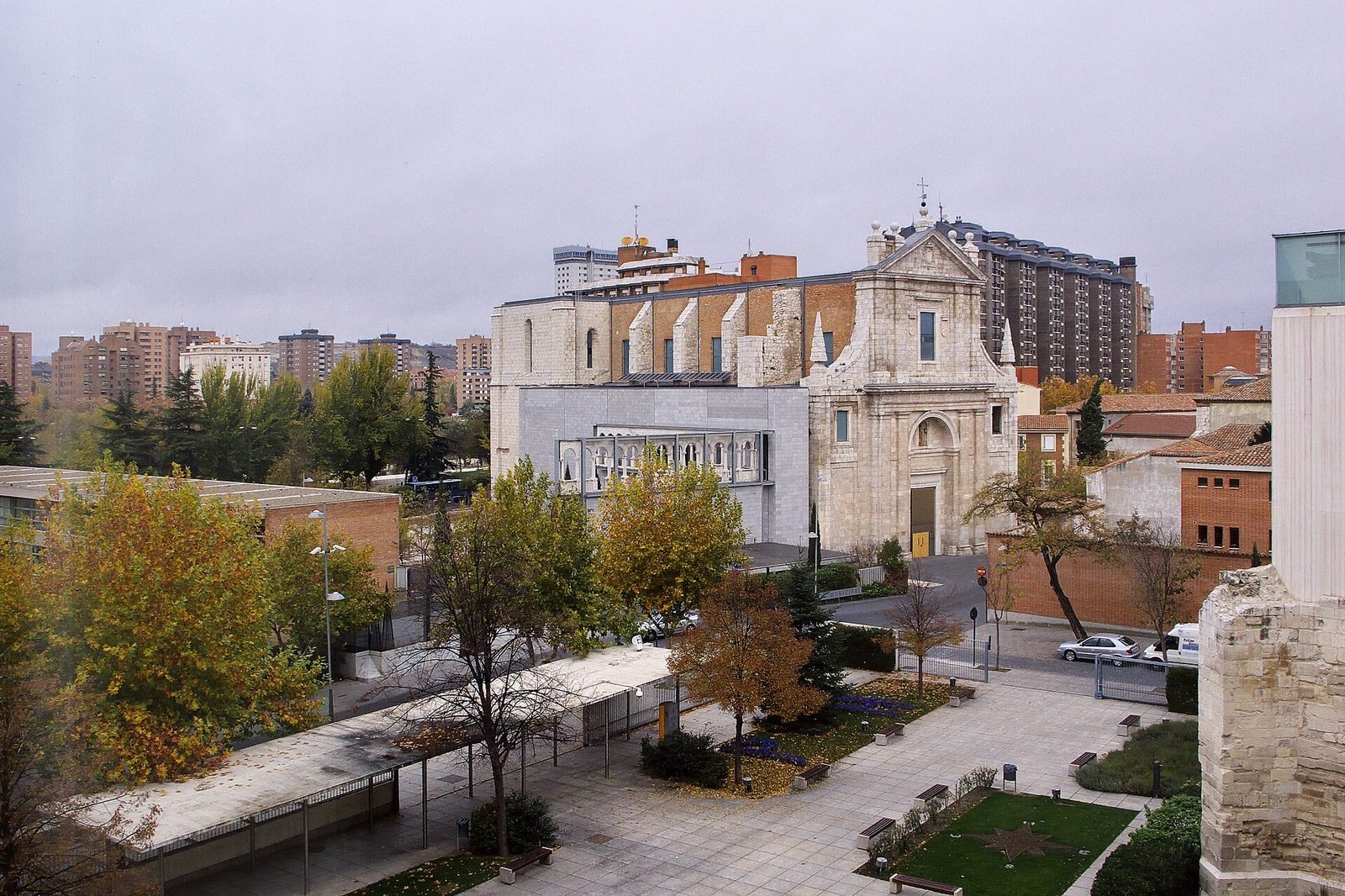
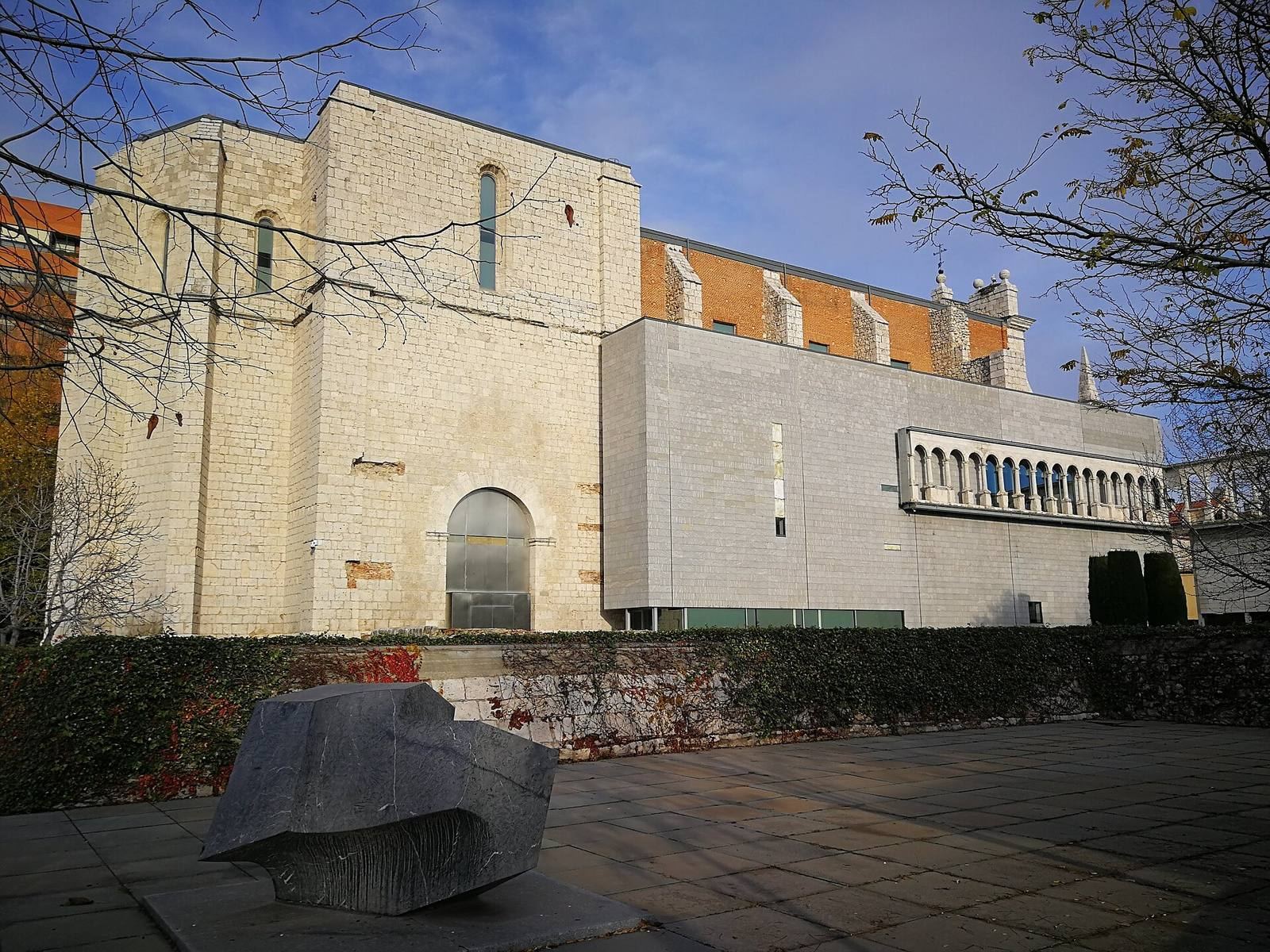
The church is the surviving part of the former convent complex. Its construction combines a late Gothic first phase, inspired by the Jesuit collegiate church at Villagarcía de Campos, with a later Classicist phase that completed the main façade. Inside, a single elongated nave is bordered by five chapels on each side, set between projecting buttresses that support the walls and vaults. The two chapels nearest the entrance on each side lie beneath the choir, which rests on a groin vault formed by intersecting barrel vaults.
The main façade bears the arms of the Counts of Villamediana. Following restoration, an arcade from the former cloister was recovered and attached to the façade.