Hôtel des ducs de Bourgogne: A Ducal Palace and Wine Museum in Beaune
Site at a Glance
- Popularity
- Medium
- Country
- France
- Primary era
- Medieval
- Eras represented
- Medieval, Early Modern
- Civilizations
- Duchy of Burgundy, French
- Site type
- Domestic
- Remains
- Palace
On this page7 sections
History
Ducal seat and royal lodging
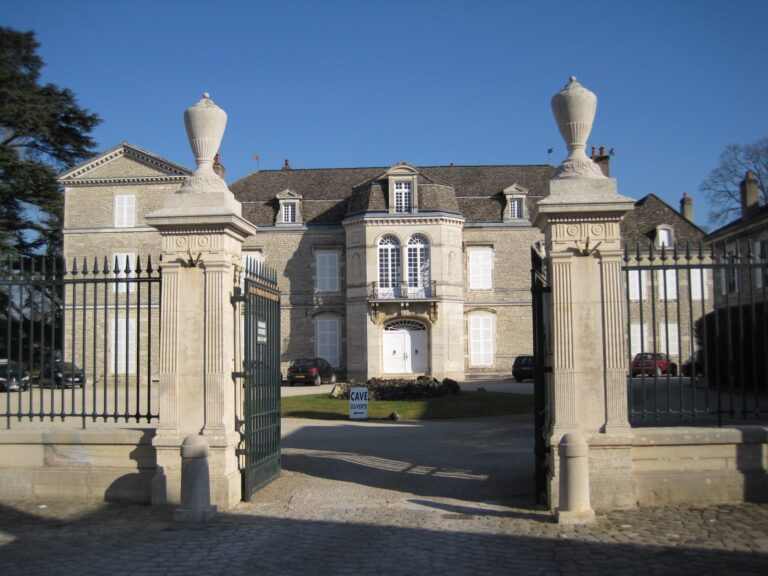
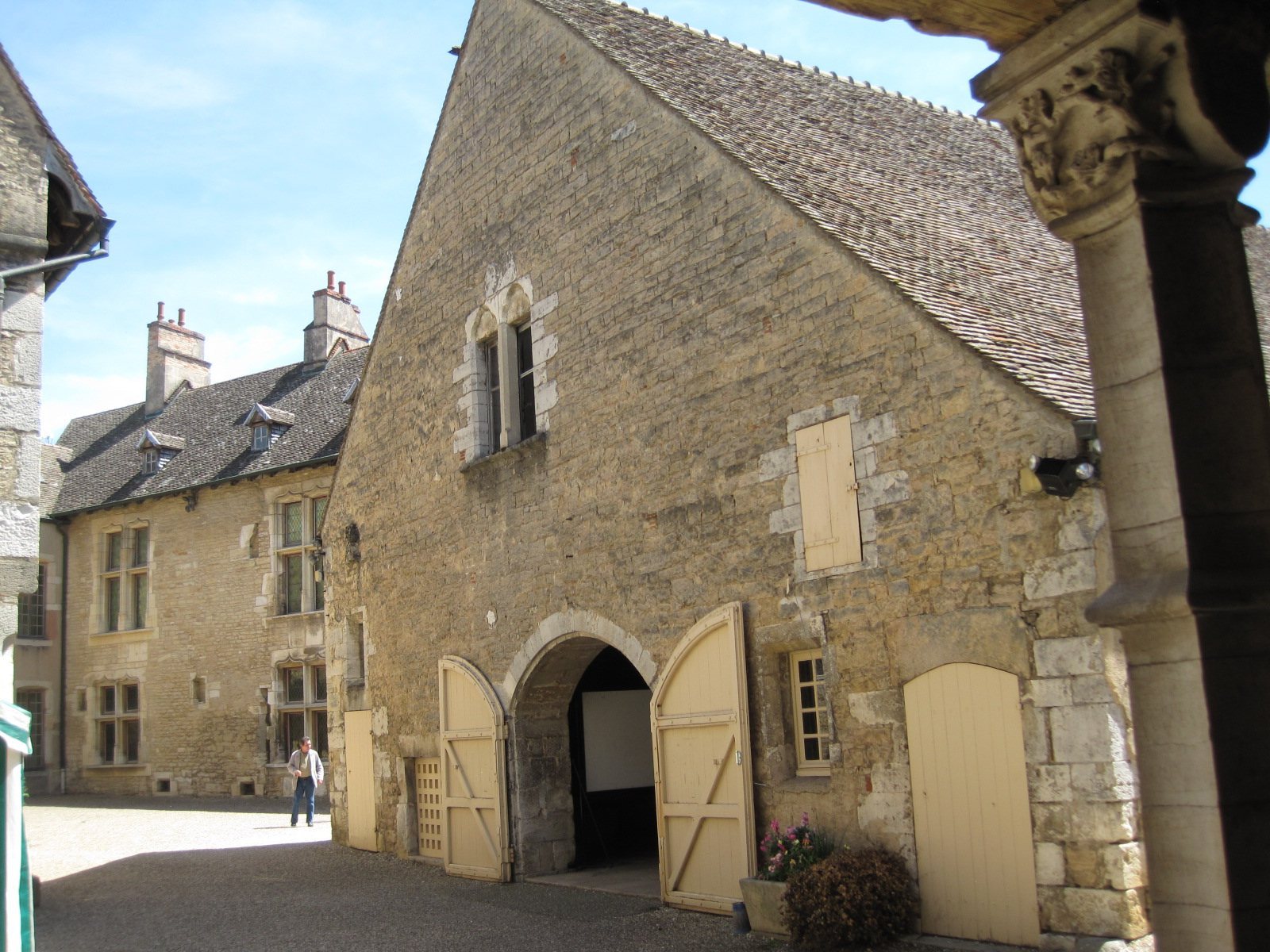
The Hôtel des ducs de Bourgogne is a fourteenth-century palace in Beaune, France, built for the Dukes of Burgundy. In 1354, it became the initial seat of the Parliament of Burgundy, a judicial institution rather than a modern legislature. Beaune was then the judicial capital of the Duchy of Burgundy, also known as the Burgundian State.
In 1478, after Louis XI incorporated part of the Burgundian State into the French kingdom, the Hôtel became the King’s Lodging. The Parliament moved to Dijon. The palace was sold to private owners in 1566. Its last owner, Mademoiselle Develle, left the property to the Académie française, a French institution concerned with language and literature. The Académie transferred it to the City of Beaune in 1919.
From palace to wine museum
A wine-museum project began in the 1910s. In 1938, Roger Duchet, a winegrower, mayor of Beaune, and senator for Côte-d’Or, established the Burgundy Wine Museum in the town’s former belfry, or clock tower. It was France’s first ecomuseum, a museum interpreting the heritage and ways of life of a particular place or region. The museum moved to the Hôtel in 1946. Museum specialist Georges Rivière and ethnologist André Lagrange, a scholar of cultures and societies, took part in the project from that year.
The museum presents the history of Burgundy’s vineyards across twenty centuries, from ancient Greek and Gallo-Roman times to the 1920s. Its subject matter includes the work of winegrowers and coopers, as well as regional culture, wine production, and viticultural traditions. The Hôtel has been classified as a historic monument since 5 April 1924, and the museum holds the Musée de France designation.
Remains
Palace and museum features
Surviving palace buildings
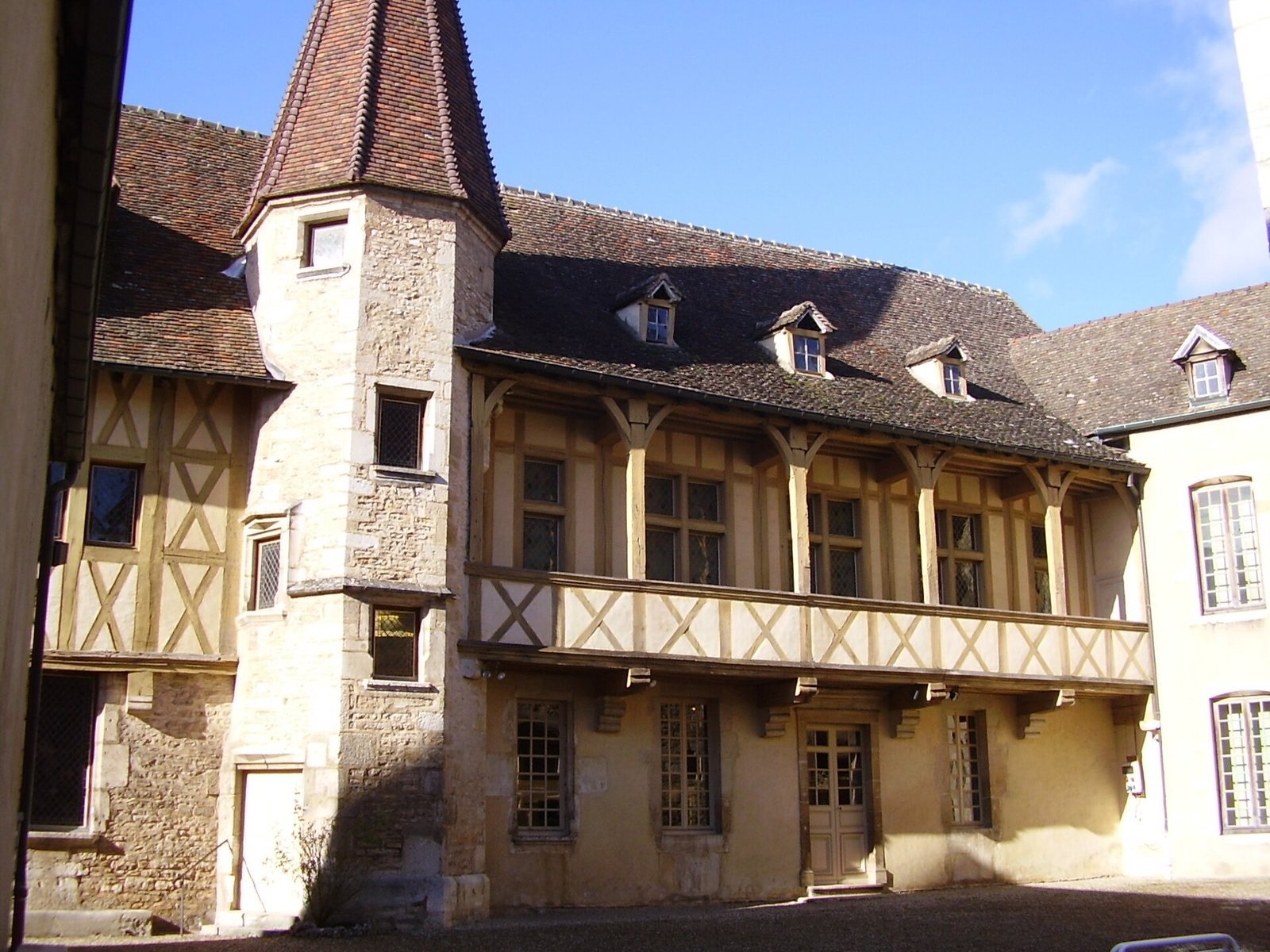
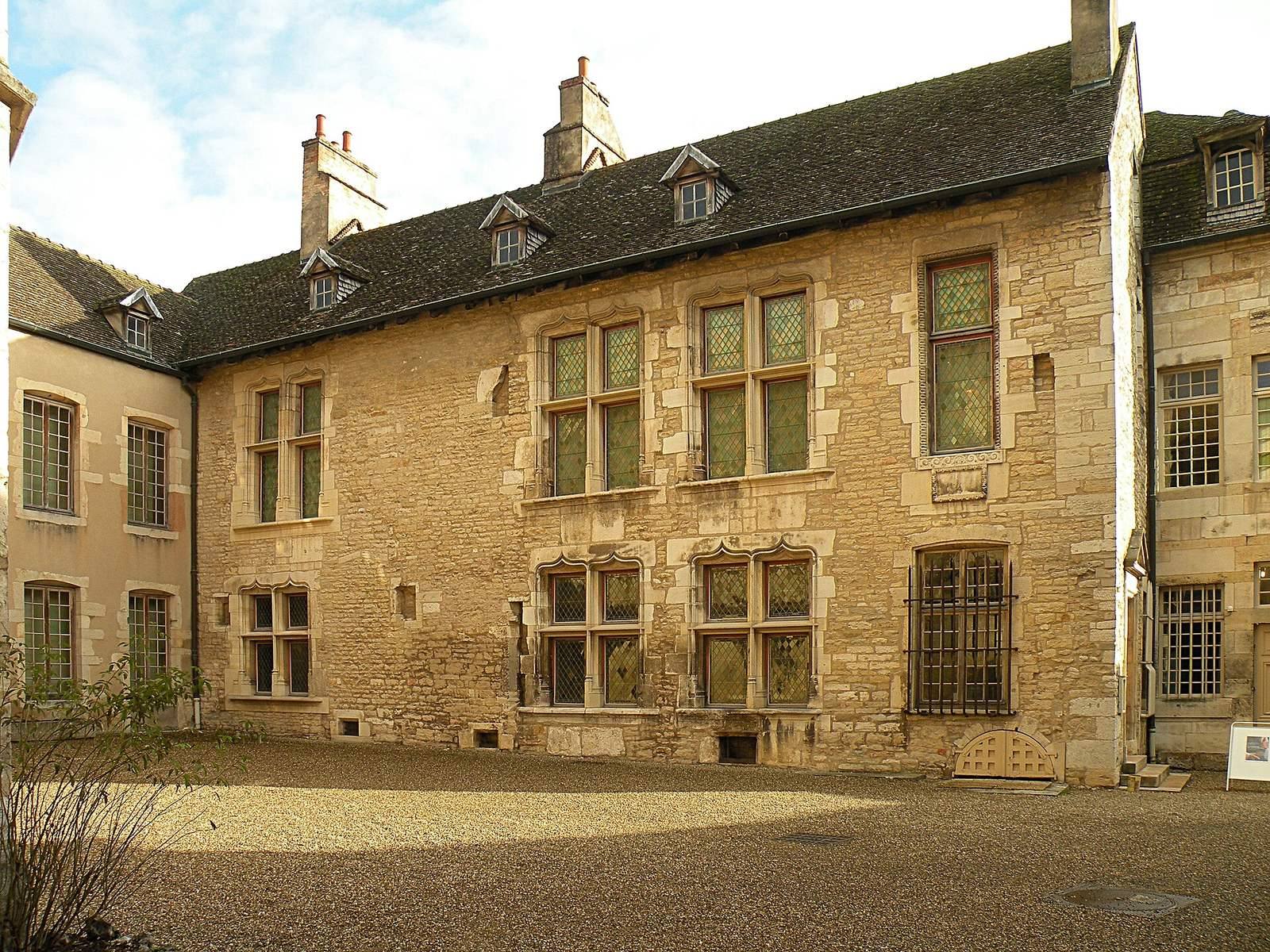
The large palace was partly incorporated into Beaune’s castrum, a fortified settlement or stronghold, and stood between Rue d’Enfer and Rue Paradis. Its surviving buildings are half-timbered. The Hôtel is close to the twelfth-century collegiate church of Notre-Dame de Beaune and the fifteenth-century Hospices of Beaune.
Wine-vat room and collections
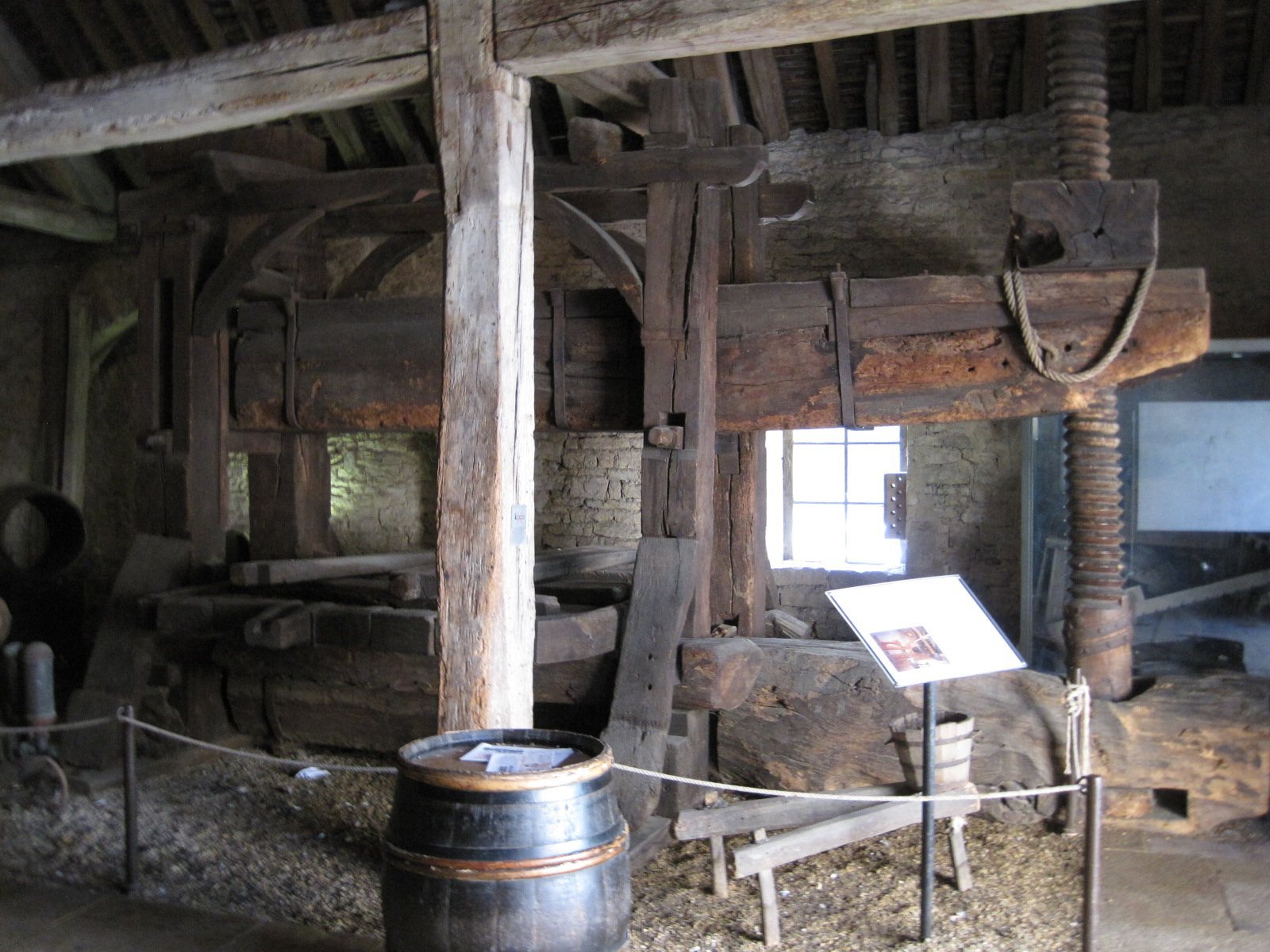
The museum’s wine-vat room has a timber framework dating to the sixteenth century. Its wine presses range in date from the sixteenth to the nineteenth centuries. The collections include tools, documents, prints, posters, paintings, photographs, ceramics, and objects relating to housing, furniture, silverware, clothing, and glassware. They also include Burgundy wine bottles, amphorae, wine-tasting cups, and faience, a type of glazed earthenware.
Works connected with Dionysus and Bacchus, the Greek and Roman gods associated with wine and festivity, form part of the collection. Aubusson tapestries, from a French center known for tapestry-making, depict wine and vines; their makers include Jean Lurçat and Michel Tourlière.