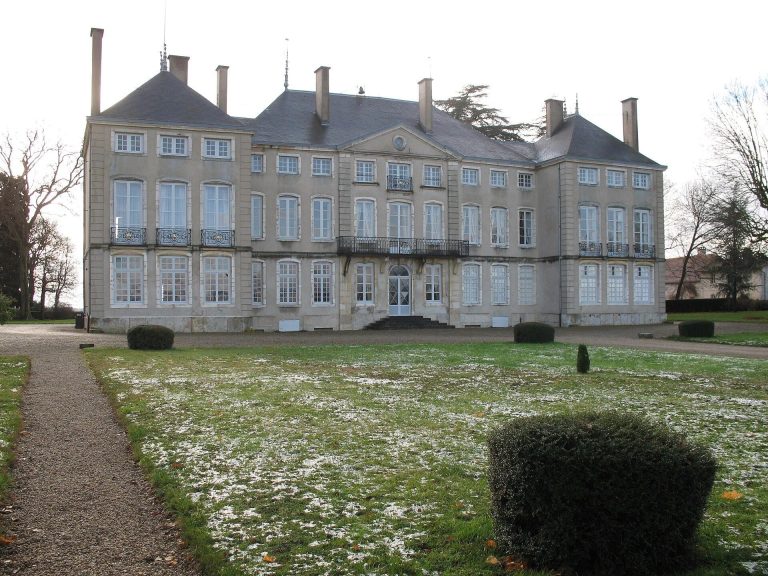
Château de Pommard: An Eighteenth-Century Wine Estate in France


Site at a Glance
- Rating
- 4.3
- Popularity
- Low
- Country
- France
- Primary era
- Early Modern
- External website
- Open
- Eras represented
- Early Modern
- Civilizations
- French
- Site type
- Economic
- Remains
- Production Complex
On this page11 sections
History
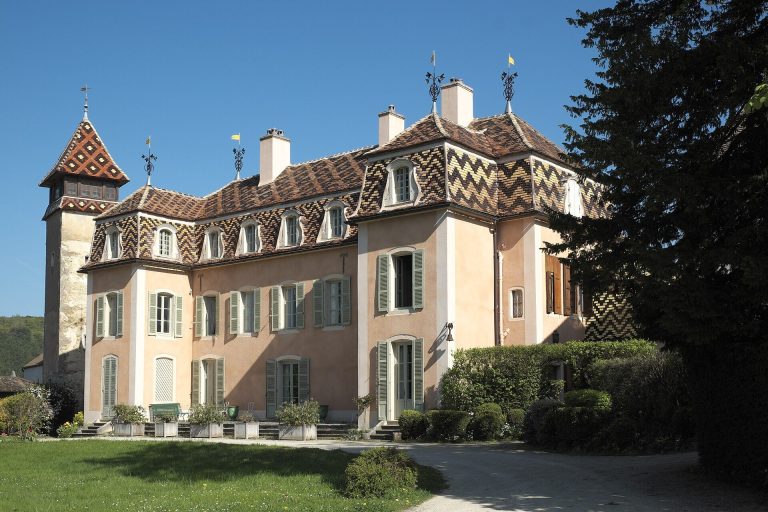
Château de Pommard is an eighteenth-century château and wine estate in Pommard, France. Built in the Regency style between 1726 and 1750, it developed as a wine-producing estate on the Burgundy Route des Grands Crus, east of the village on the road toward Beaune.
Foundation and the Marey family
In 1726, Vivant Micault, a squire and secretary to King Louis XV, commissioned the château and its viticultural outbuildings. Micault descended from Philibert Micault, who had been captain of Pommard in 1451. The new residence became known as Château Micault, and construction continued until 1750.
Claude Marey acquired the estate in 1763. It later passed to his son, Nicolas-Joseph Marey, beginning the association with the Marey family that continued into the nineteenth century.
Nineteenth- and twentieth-century ownership
During the nineteenth century, Emperor Napoleon I used the château as a residence. He stayed in the Blue Room on the upper floor of the main building, where the room overlooks the principal courtyard.
The Blic family, heirs of the Marey-Monge family, sold the estate in 1932, at the same time as Clos de Tart. The Laplanche family became its owner in 1936. In 1966, the psychoanalyst Jean Laplanche acquired Château Micault with the aim of bringing the estate back together and preserving the name “Château de Pommard.”
The estate changed hands again, including a transfer to property developer Maurice Giraud in 2003. Michael Baum, an American entrepreneur from Silicon Valley, purchased it in September 2014. Its original and continuing function has been wine production. A museum of vines and wine was established on the estate in 2006.
The wine estate
The estate includes the 20-hectare Château de Pommard clos, an enclosed vineyard planted entirely with Pinot noir, a red-wine grape widely used in Burgundy. The single-block vineyard is associated with a Village appellation, a legally defined wine designation named for a village rather than a premier cru or grand cru vineyard.
Described as Burgundy’s largest privately owned vineyard, the estate produces Château Pommard, Clos du Château, and a Pommard Village blend, together with wines from other Burgundy appellations. The clos produces a Village-level wine, while Clos du Château combines grapes from different parcels within the enclosed vineyard. Annual production includes approximately 80,000 bottles of Château Pommard and 20,000 bottles of Clos du Château.
Remains
Courtyard and grounds
Château and entrance pavilions
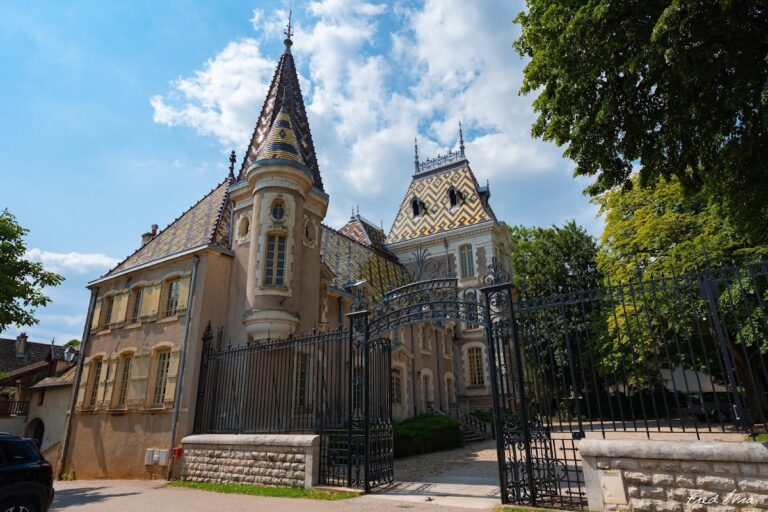
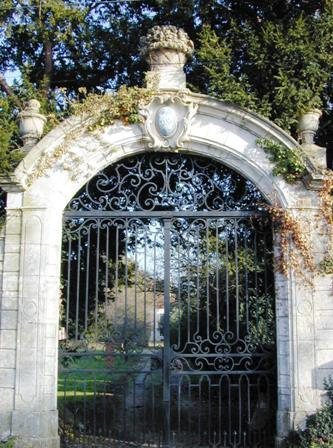
The Regency-style château occupies one side of a paved courtyard enclosed by common buildings used for wine production. From the road, an avenue reaches the estate through a gate framed by two pavilions, both built in the eighteenth century. The Blue Room remains on the upper floor of the main château, overlooking the courtyard.
Enclosed vineyard and formal gardens
French formal gardens accompany the château and wine buildings. The 20-hectare clos, meaning an enclosed vineyard bounded by walls or other defined limits, forms a single planted block. Its vines are entirely Pinot noir and produce a Village appellation wine.
Cellars and museum
Vaulted cellars
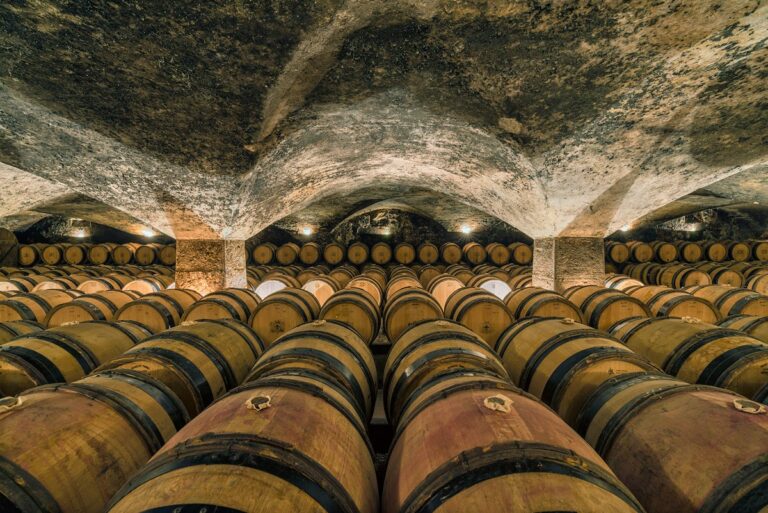
The château’s eighteenth-century vaulted cellars provide storage for 300,000 bottles and between 600 and 650 oak barrels made by different coopers. Most of the barrels come from the Tronçais Forest in the Allier.
Museum of vines and wine
The museum preserves equipment and spaces connected with wine production. Its contents include an old wine press, an old vat, traditional vintners’ tools, the former kitchens and fireplace of the château, and a traditional harvest basket.