Château de Monthelie: A Renaissance Château and Wine Estate in France
Site at a Glance
- Rating
- 4.8
- Popularity
- Very Low
- Country
- France
- Primary era
- Early Modern
- External website
- Open
- Eras represented
- Early Modern
- Civilizations
- French
- Site type
- Domestic
- Remains
- Castle
On this page7 sections
History
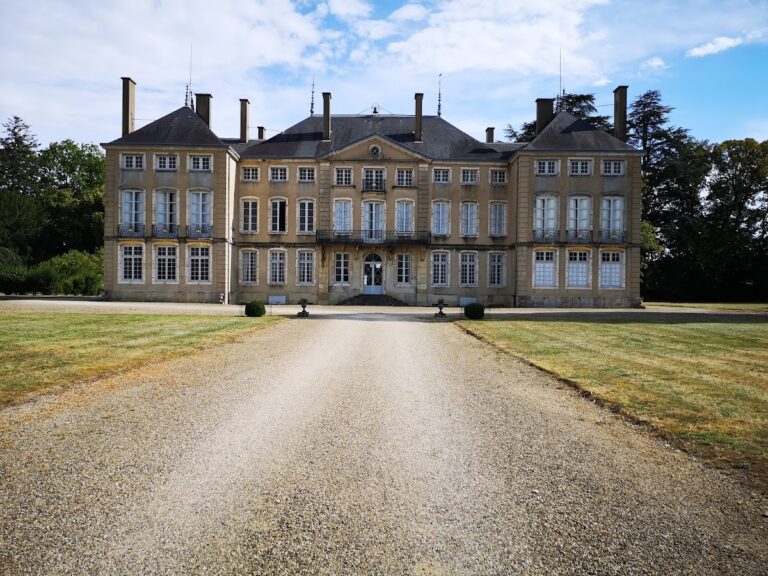
Château de Monthelie is a Renaissance-period château in France, originally built in the sixteenth century and reconstructed in 1746. The estate developed from the seigneurie of Monthelie, a territorial lordship, and its associated vineyard, which were dependencies of Cluny Abbey for five centuries.
Medieval Lordship and Cluny Abbey
In 1078, Duke Hugh I of Burgundy donated the seigneurie of Monthelie and its vineyard to Cluny Abbey, a major Benedictine institution founded in Burgundy whose medieval network held religious and economic dependencies across the region. The lands remained connected to the abbey from the tenth to the fifteenth century.
Reconstruction in the Eighteenth Century
In 1722, François Fromageot, an apothecary from Beaune, acquired the seigneurie. He gave it as a dowry to his daughter Jeanne, who married François Brunet d’Antheuil in 1723. The couple rebuilt the château in 1746, creating the building that forms the core of the present estate. It then remained with the Brunet de Monthelie family for about 150 years.
Family Ownership and Wine Production
Marriage alliances later transferred ownership through the Suremain, Drouas, Du Chézaud, and Surget families before the property returned to the Suremain family. Albert de Suremain, a cavalry officer, became owner in 1903. His son Robert succeeded him in 1930, followed by the grandsons Bernard and Henry de Suremain in 1988.
Bernard de Suremain took responsibility for operating the estate in 1956, and his great-grandson Éric de Suremain assumed its management in 1978. The property remains owned by the Suremain family and functions as a wine estate. Its vineyards have been cultivated using biodynamic agriculture, a farming system that treats the farm as an integrated ecological organism and follows seasonal cycles, since 1996.
Château de Monthelie was listed as a historic monument in France in 1988 and is included in the French Ministry of Culture’s Mérimée architectural-heritage database.
Remains
Château and Interior
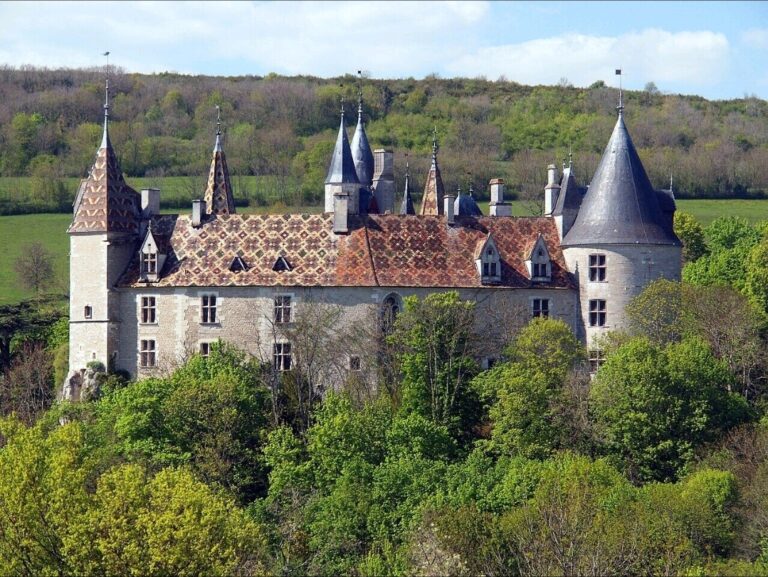
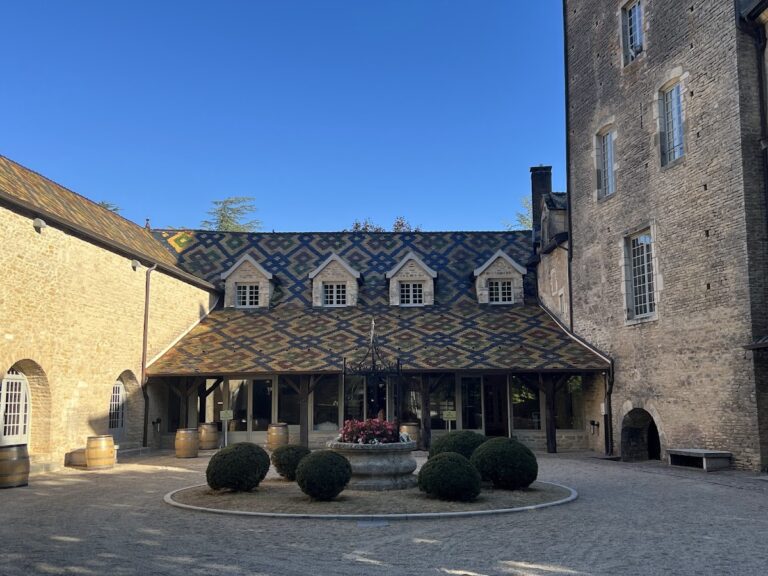
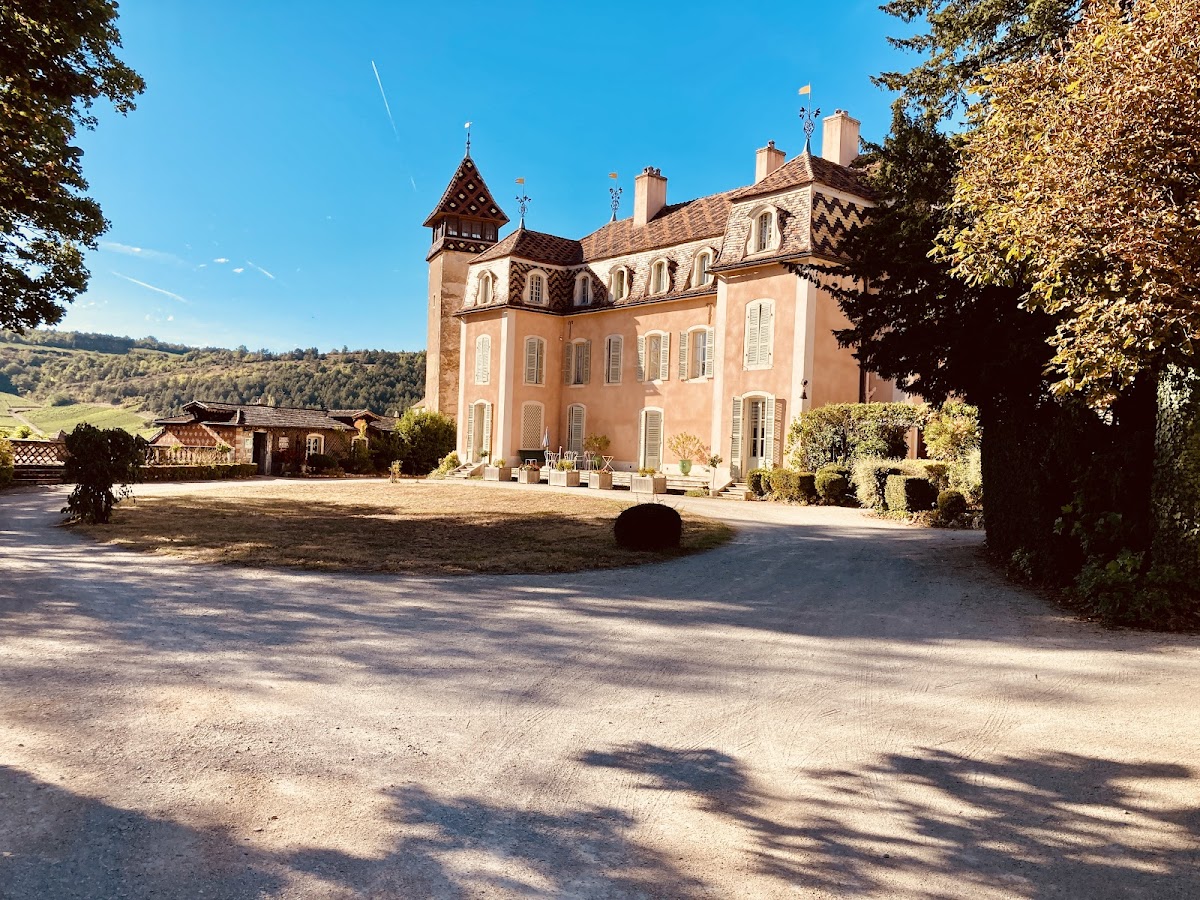
The château is a two-storey Renaissance-period building reconstructed in 1746. Its surviving features include a high tower and an exterior grand staircase. The roof is covered with glazed Burgundy tiles, while eighteenth-century furnishings remain in the dining room.
Vineyard Estate
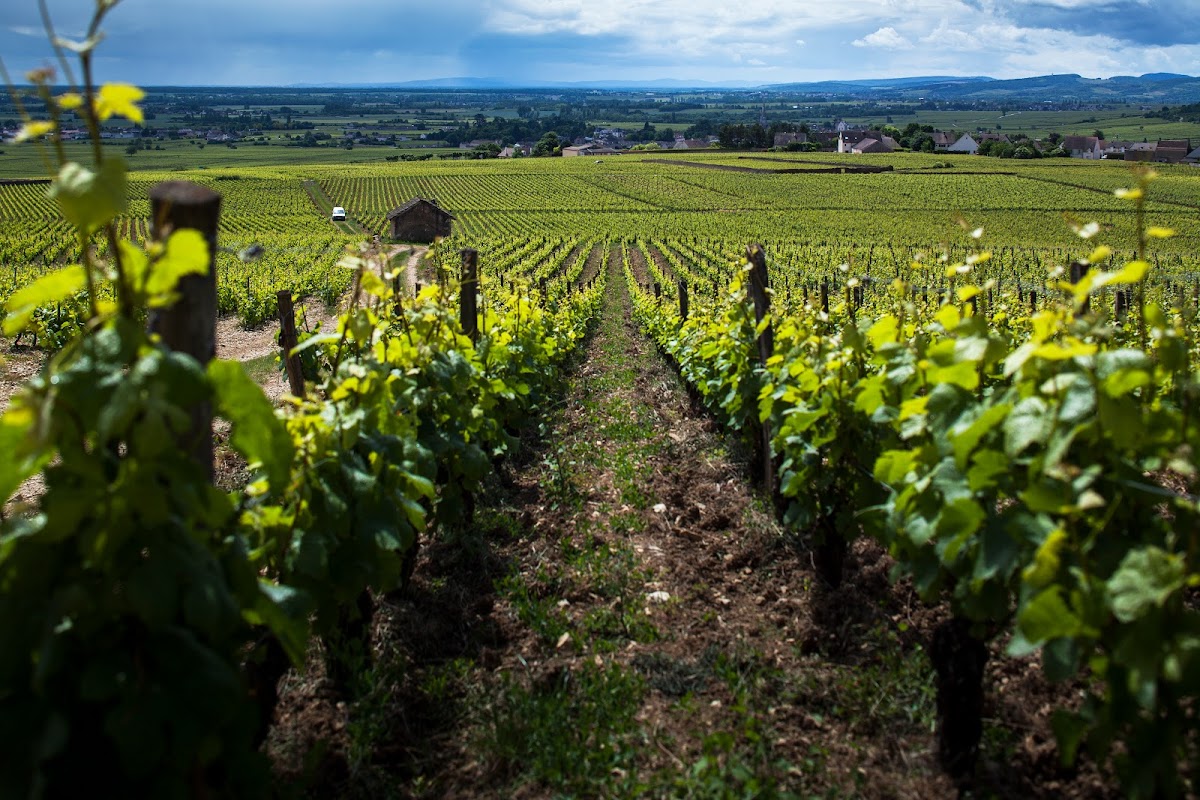
The château is associated with a vineyard estate extending across about 10 hectares on the Burgundy wine route known as the Route des Grands Crus. The estate’s vineyards lie in the communes of Monthelie and Rully and are divided among Monthelie Village, Monthelie Premier Cru, and Rully Premier Cru parcels. Premier Cru is a Burgundy classification for vineyards recognized as having quality below the highest Grand Cru level. The vines include pinot and chardonnay, and the estate cultivates 10.7 hectares in total across Monthelie and Rully.