Hošťálkovy Mansion: A Baroque Noble Residence in Czechia
Site at a Glance
- Rating
- 4.6
- Popularity
- Low
- Country
- Czechia
- Primary era
- Early Modern
- External website
- Open
- Eras represented
- Early Modern, Modern
- Civilizations
- Austrian Empire, Habsburg, Holy Roman Empire
- Site type
- Domestic
- Remains
- Elite Residence
On this page10 sections
History
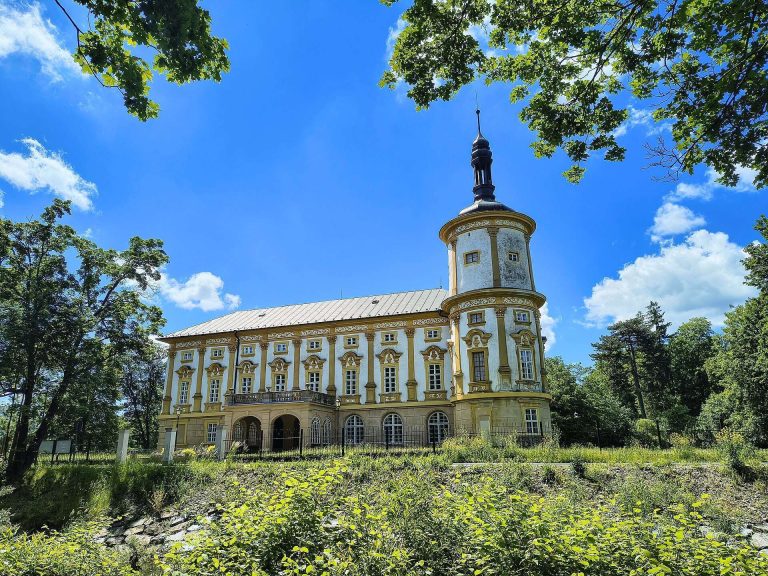
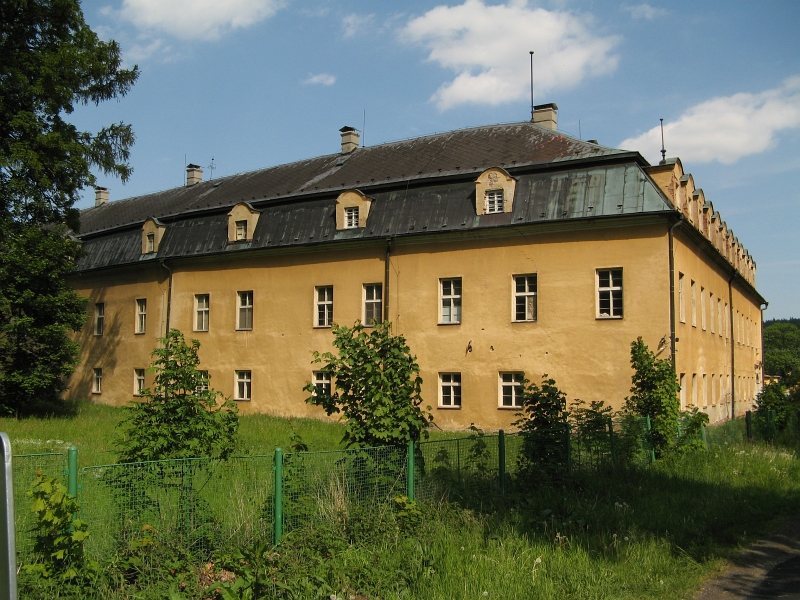
Hošťálkovy Mansion is a Baroque noble residence in Czechia, at the northeastern edge of Hošťálkovy, about 8 km northwest of Krnov. Its predecessor was a fortress first mentioned in 1566, and the present mansion emerged during the second half of the seventeenth century when Jan Kryštof Skrbenský of Hříště replaced the earlier stronghold.
The Skrbenský estate
The Hošťálkovy estate came to the non-Catholic nobleman Jan Skrbenský of Hříště in 1582, inherited from his deceased wife, Bohunka Kravařská of Šlevice. After Jan Kryštof’s death, the property passed to his distant Catholic relative Karel František Skrbenský of Hříště. Karel František later became captain of the Duchy of Teschen, a senior administrative and military office in the historical principality, but usually lived at Šenov near Ostrava rather than at Hošťálkovy.
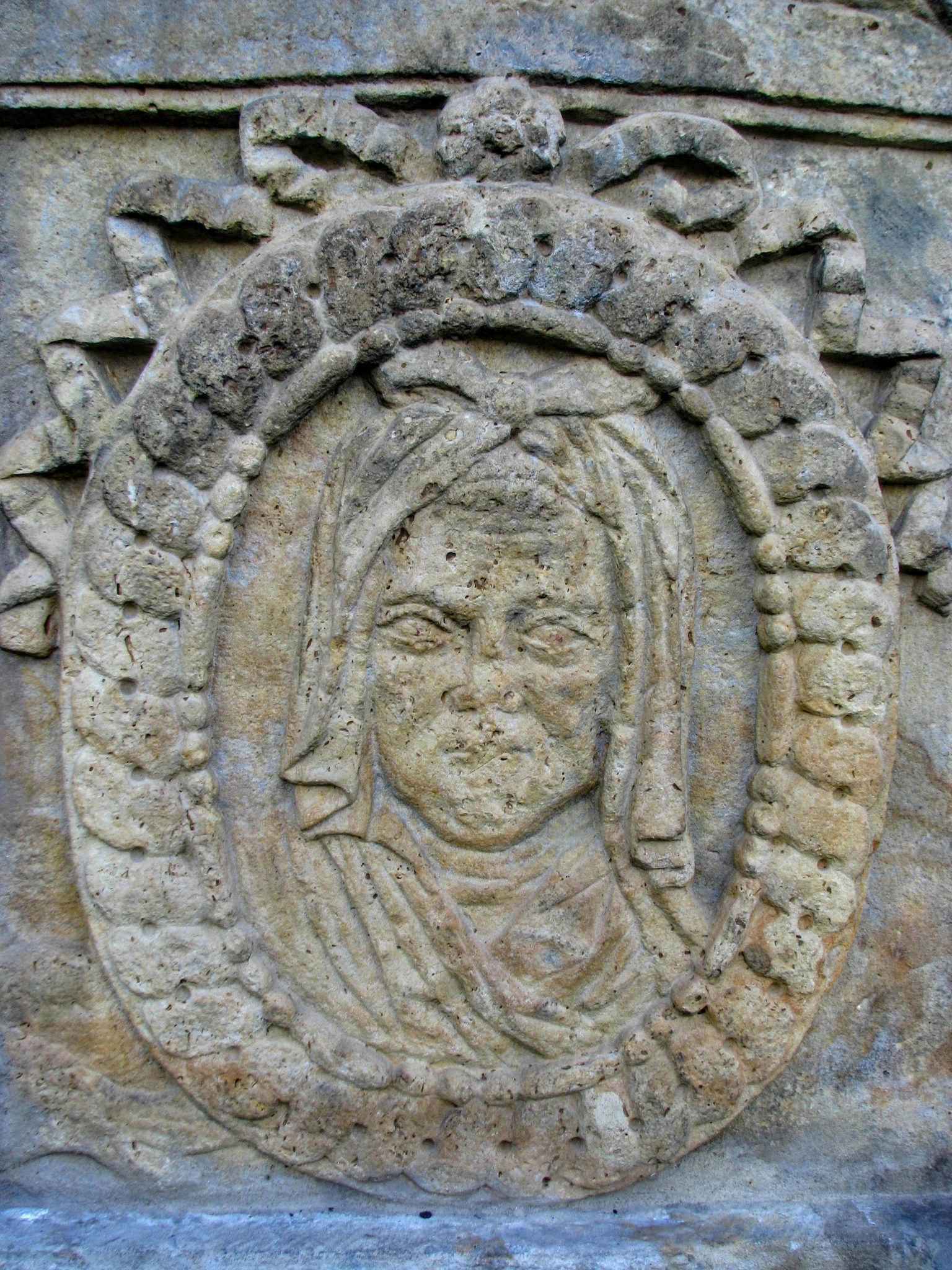
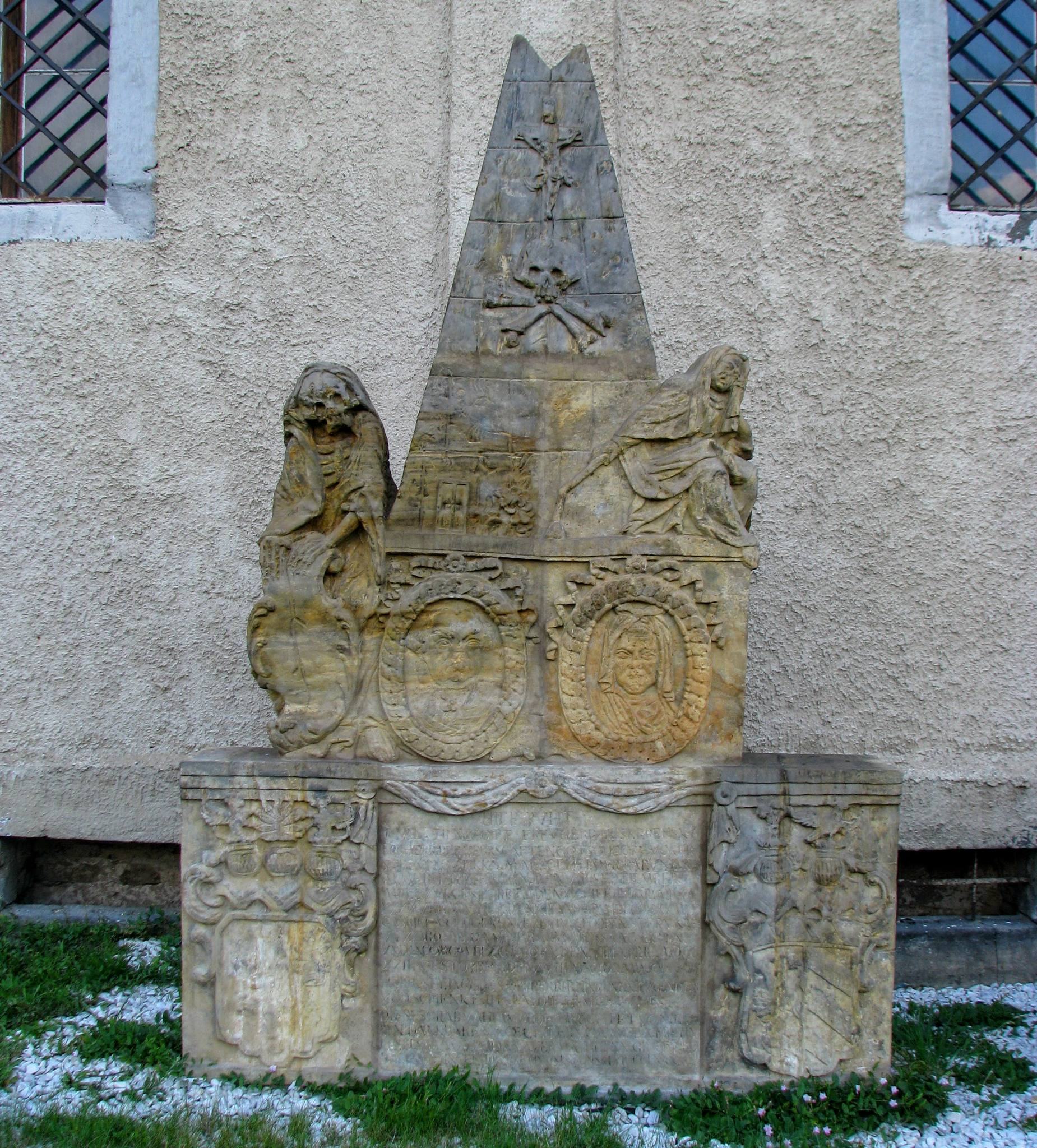
His son, Karel Traugott Skrbenský of Hříště, made Hošťálkovy his principal residence. He enlarged the mansion, commissioned costly interior decoration, and maintained a musical ensemble that included the Silesian composer Josef Puschmann. The foundations of the English park west of the mansion were probably laid toward the end of the eighteenth century. Karel Traugott’s activities are also commemorated by a Classicist tomb near the local Church of the Archangel Michael.
Nineteenth-century ownership
The Skrbenský family retained Hošťálkovy until 1831, when the estate was sold to Karl, Count von Strachwitz, for 140,000 gulden. Heinrich, Count von Arco, acquired it six years later. He was married to Antonia, Countess von Strachwitz.
During the revolutionary unrest of 1848, inhabitants of surrounding villages attacked the mansion on 1 November. They partly looted the building, and Heinrich von Arco was wounded in the left hand by pistol fire as he attempted to leave Hošťálkovy. The last aristocratic owner was Heinrich’s grandson, Karl Maria von Arco.
State ownership and preservation
In 1945, the property was confiscated from Karl Maria von Arco under the Beneš Decrees, post-Second World War Czechoslovak decrees that included the confiscation of property from specified groups of former owners. The state then transferred the mansion to the Czechoslovak Church. It served as a children’s convalescent home from 1946 to 1950, a home for older people from 1950 to 1962, and an institutional social-care facility from 1962 to 2006.
Hošťálkovy Mansion has been protected as a cultural monument since 1958. The Renesance association is its current owner and organizes its reconstruction. The interiors were opened to the public in 2015, followed by the installation of a visitor route in 2019.
Remains
Mansion and grounds
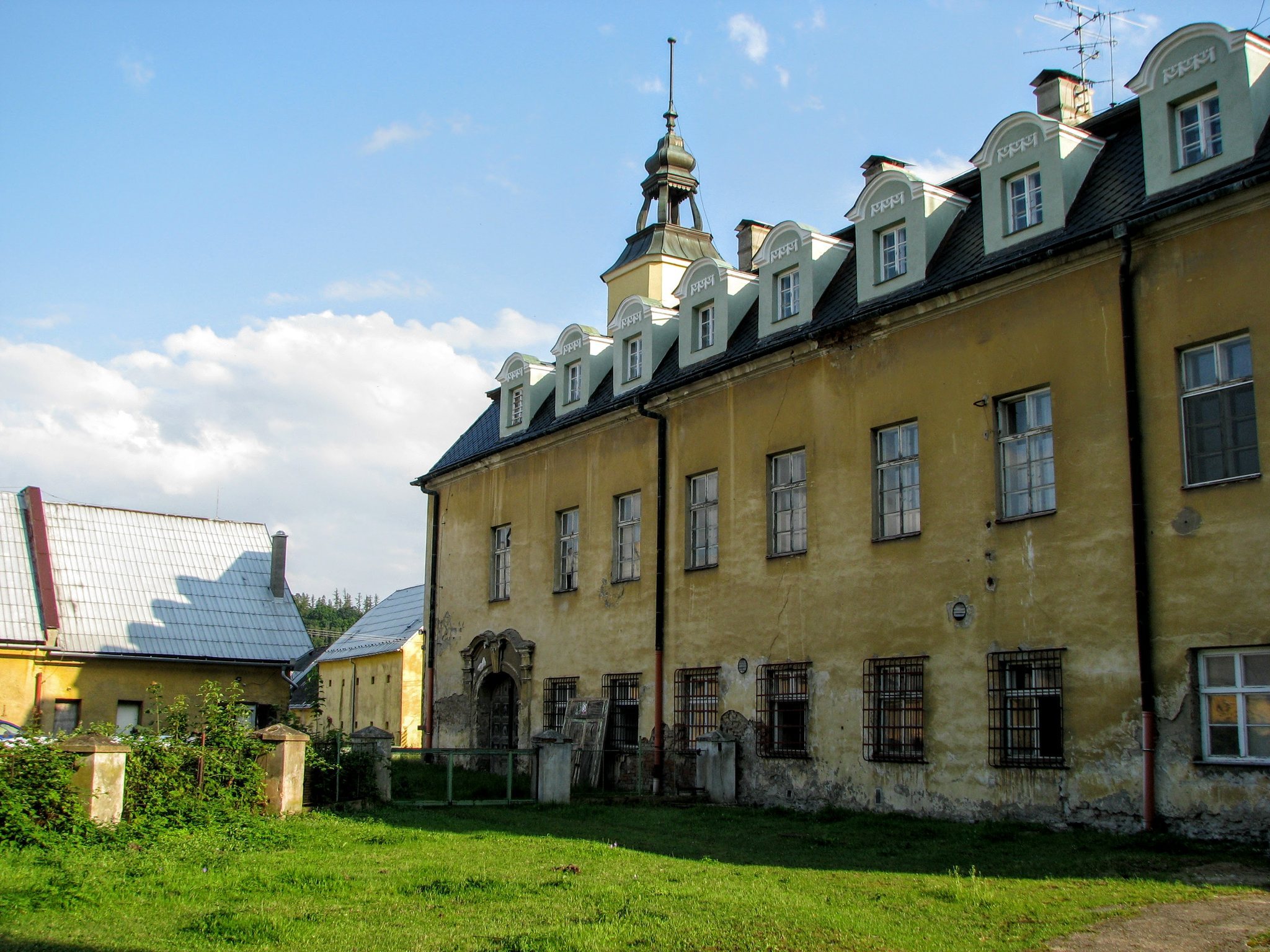
The mansion is a two-storey building of three wings arranged around a U-shaped plan. It is covered by a mansard roof, whose two slopes on each side create an additional usable storey. Two masonry, prismatic turrets with lanterns project from the eastern ends. During Karel Traugott Skrbenský’s ownership, the building received a unified facade. In 1831, at Heinrich von Arco’s initiative, a portico, or roofed entrance supported by columns or piers, was added to the courtyard-facing facade of the western wing.
A further mansard storey was added during the twentieth century, and the facades were later covered with smooth plaster. The former manorial farmyard stands immediately beside the mansion. The adjacent English park contains a former orangery and small historicist garden structures.
Chapel of the Holy Trinity
Painted decoration
The Chapel of the Holy Trinity was built after 1768. Its decoration includes frescoes and paintings by Jan František Jablonský. The vault shows the Assumption of the Virgin Mary, with the twelve apostles gathered around her empty tomb. Framed scenes of the Annunciation and the Visitation cover the west wall. Jablonský also painted the Nativity of the Virgin Mary for the retable, the decorated structure behind the main altar. A suspended painting of the Death of Saint Joseph was made by František Antonín Sebastini.
Staircase and organ
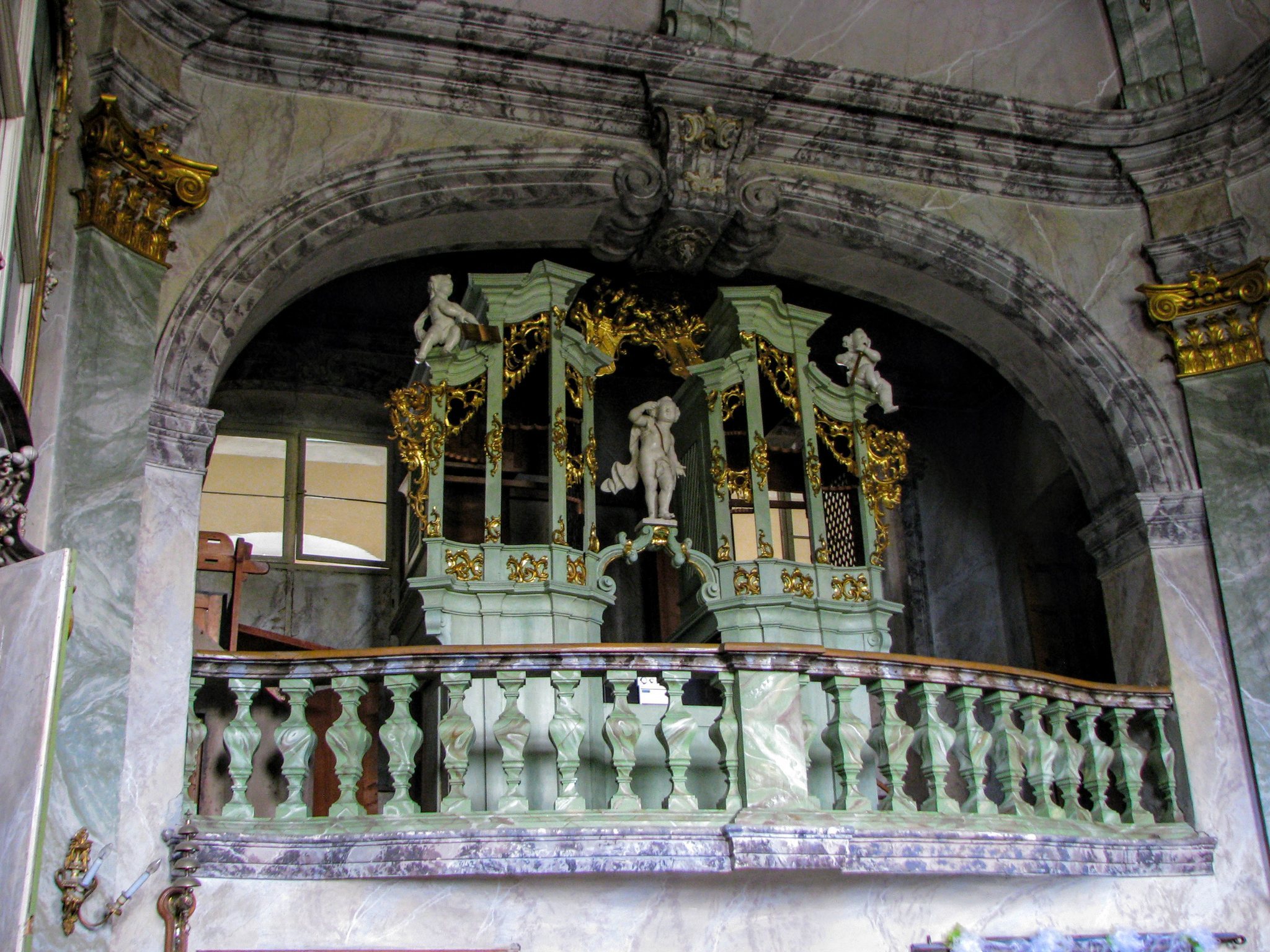
The chapel staircase has a wooden balustrade with pierced Rocaille ornament, an asymmetrical Rococo design based on shell-like and rock-like forms, together with grilles. Its vaults carry scenes from classical mythology, including Aphrodite, Amphitrite, Artemis, Ceres, Demeter, Hera, and Persephone. The richly shaped organ case is decorated with three figures of gift-bearers. Above the organ console are shields bearing the coats of arms of Karel Traugott Skrbenský and his wife, Gabriela of Poppen.
Interior decoration
Some upper-floor rooms received chinoiserie, European decorative art adapting East Asian motifs, together with ornamental designs and stucco. A Japanese cabinet stood in the mansion at the end of the nineteenth century. After 1945, intrusive alterations changed parts of the interiors, and the Rococo frescoes were painted over.