Honorivka Palace: A 19th-Century Neo-Baroque Residence in Ukraine
Site at a Glance
- Popularity
- Very Low
- Country
- Ukraine
- Primary era
- Modern
- Eras represented
- Modern
- Civilizations
- Unclassified
- Site type
- Domestic
- Remains
- Elite Residence
On this page4 sections
History
Origins and ownership
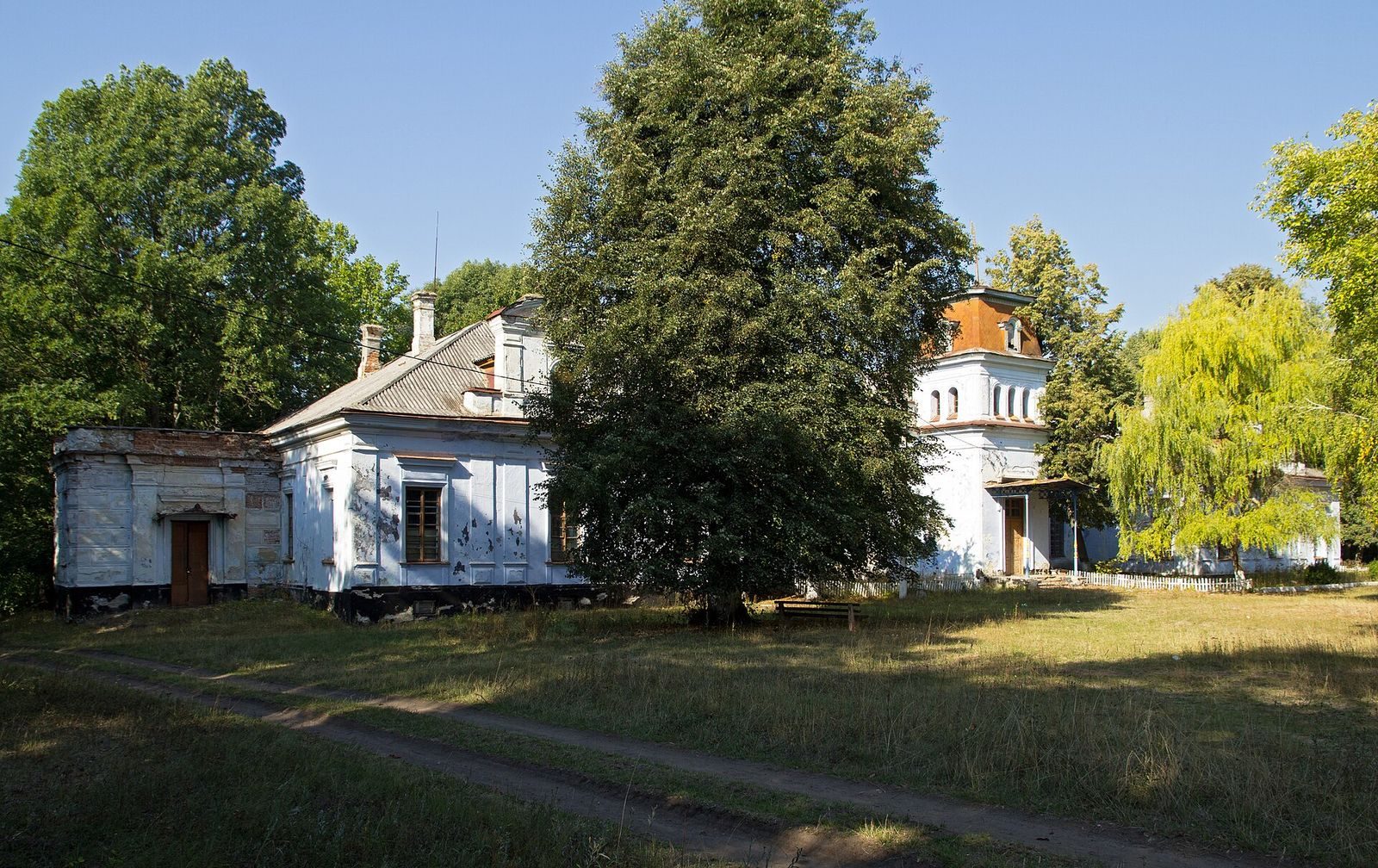
Honorivka Palace is a Neo-Baroque residence, a revival style that reinterprets Baroque architecture, in a village in Ukraine. Its estate, comprising the palace and a park, was laid out in the second half of the 19th century by its owner, H. Kosharsky.
Stanisława Kosharska married Piotr Lipkowski in 1863 and brought the village to the marriage as her dowry. The Lipkowski family owned the estate by the late 19th century. After Piotr died in 1905, his son Henryk, born in 1866, held the property until 1917. The Polish writer and poet Jarosław Iwaszkiewicz visited the palace in 1916.
Damage and changing uses
The palace was damaged in 1918 and repaired in 1934, after which it housed a school. During the Romanian occupation from 1941 to 1943, part of World War II in which Romania administered parts of present-day Ukraine, the building served as a hospital. School use resumed in 1943 and continued until 2008.
A kindergarten was built on the estate in the 1980s. For economic reasons, the school was later moved into that building, ending its use of the palace as a school.
Remains
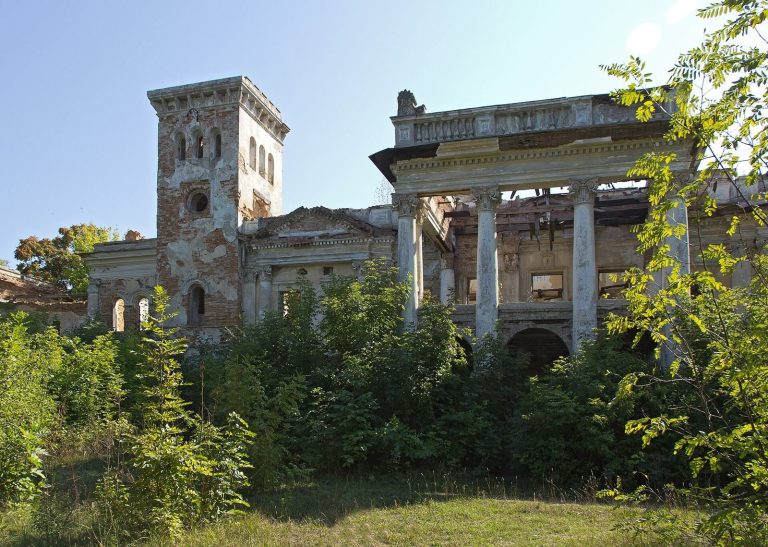
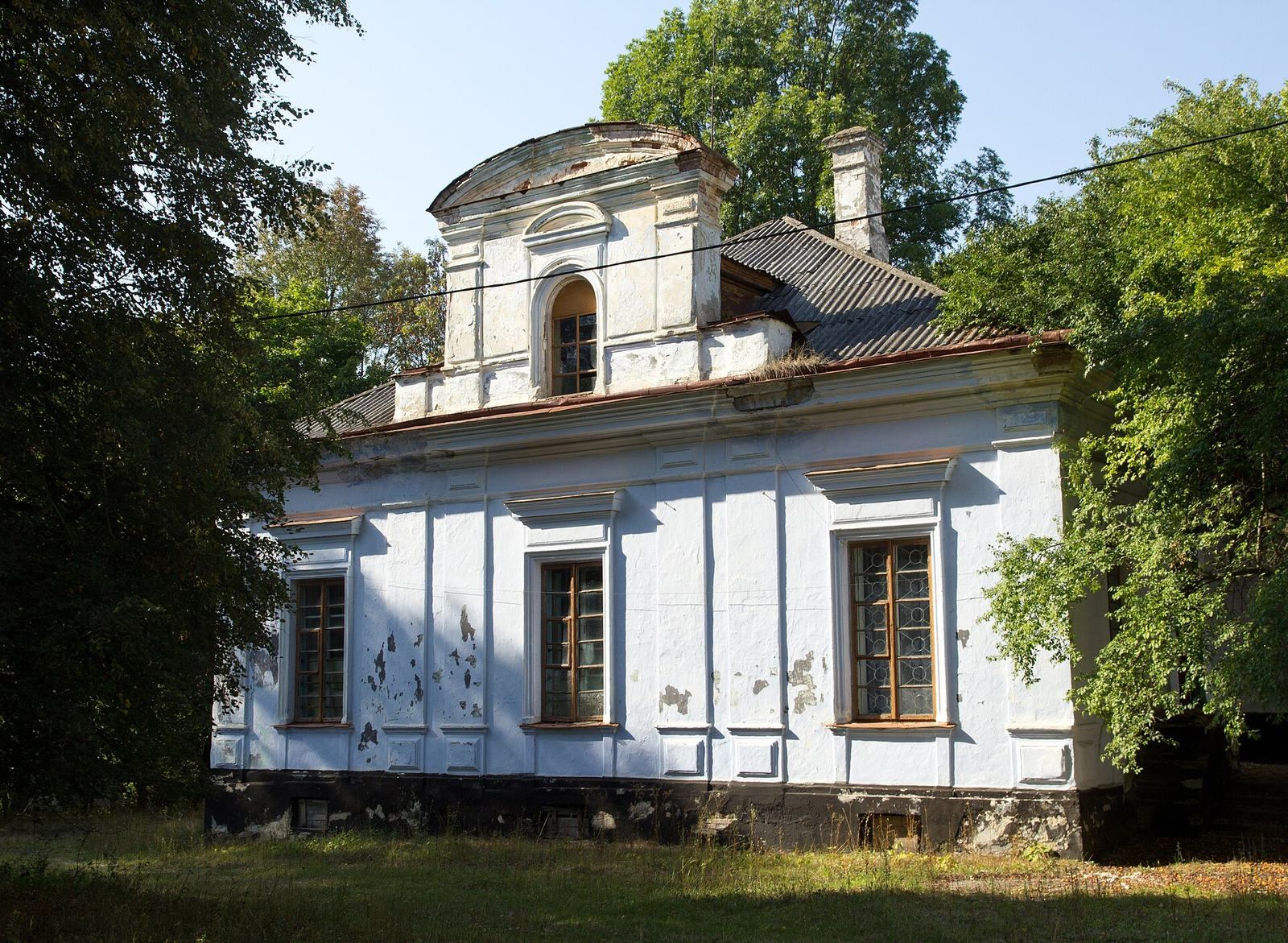
The estate’s surviving features are the palace and its landscape park. The palace stands in the central part of the village, within a park containing distinctive trees. Part of the estate grounds has been allocated for private development.
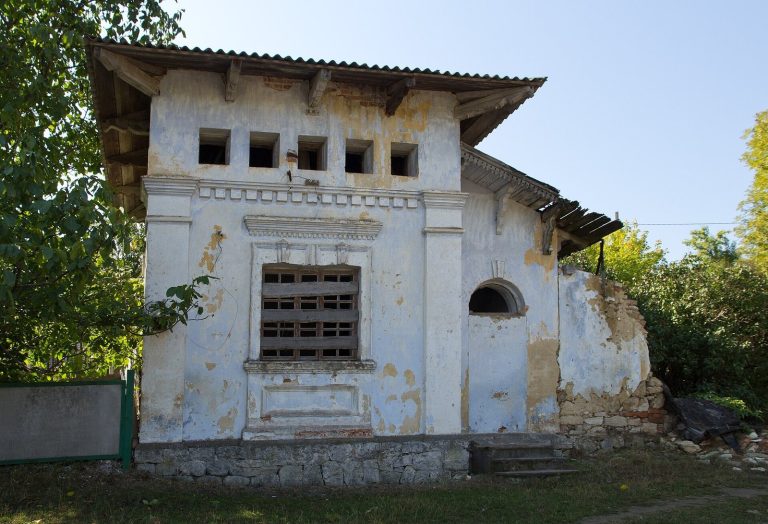
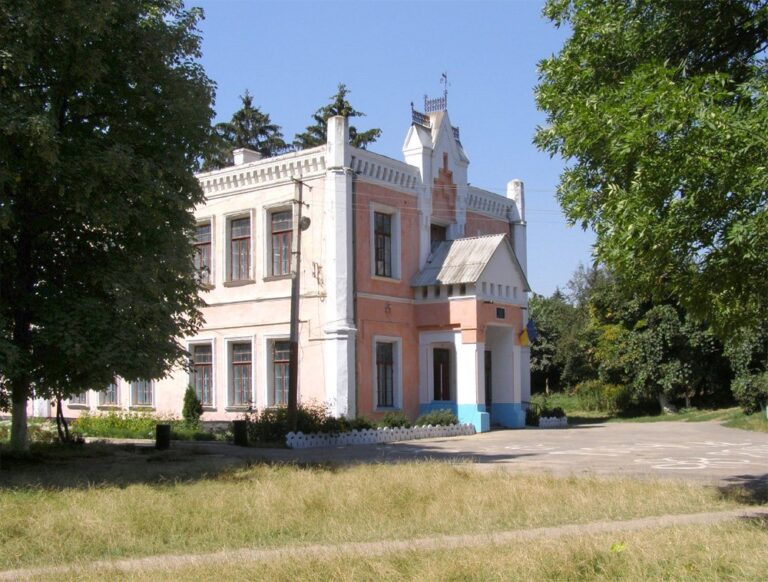
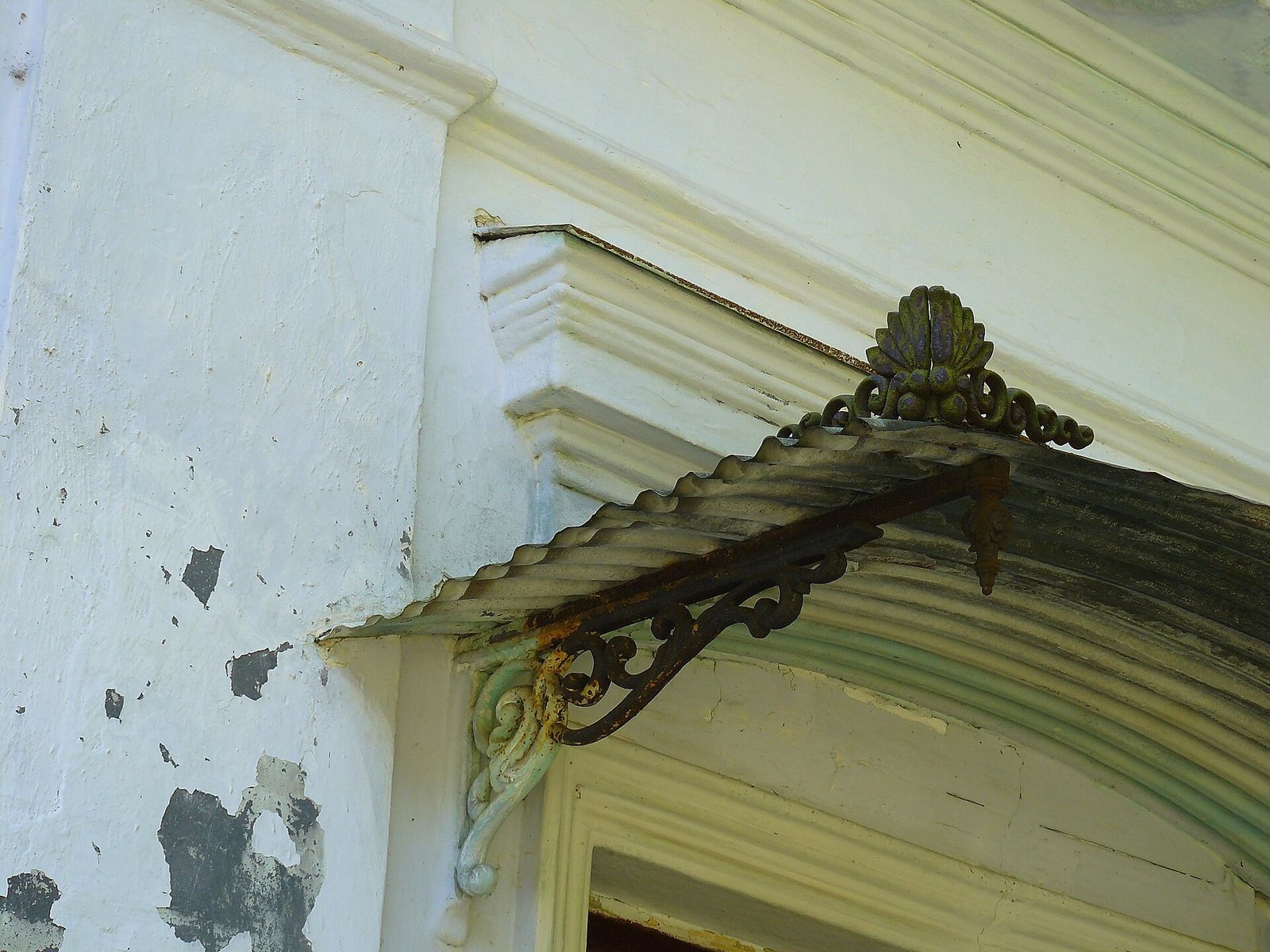
The palace is a one-storey masonry building with a rectangular plan and plastered exterior. Its slate-covered hipped roof sits above facades articulated by shallow projections resembling columns, called pilasters, and a molded cornice, a projecting decorative band. Three sections project outward from the building’s facades.
The palace housed an art collection that included paintings by Jan Matejko, Juliusz Kossak, Władysław Czachórski, Józef Brandt, and E. Domanivsky. The collection also contained a gilded horse statuette dating from the era of Louis XIV, king of France from 1643 to 1715.
The palace library held the Radziwiłł Gospel, a book containing accounts of Jesus’ life and teachings, as well as manuscripts by Polish authors. Some of the manuscripts dated from the period of the uprisings.