Historical Museum of Sughd Region: Preserving Khujand’s Rich Past
Visitor Information
Google Rating: 4.6
Popularity: Low
Official Website: www.qalai-khujand.tj
Country: Tajikistan
Civilization: Greek, Medieval Islamic
Site type: Museum
History
The Historical Museum of Sughd Region is located in Khujand, Tajikistan.
Ancient accounts and local tradition connect the city of Khujand with the ancient settlement known as Cyropolis. In the fourth century BC, Alexander the Great’s forces moved into the region, with a documented conquest in 329 BC that is part of the museum’s chronological narrative. The river beside the city, known in antiquity as the Jaxartes, frames this early chapter of local history.
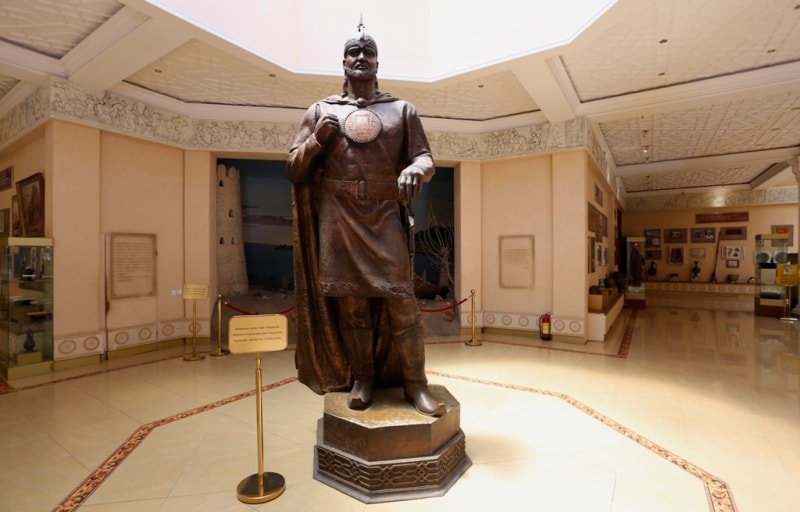
In the medieval period the area experienced severe military pressure. In the early thirteenth century local resistance to the Mongol invasions is remembered through the figure of Timur Malik, who led opposition during that campaign. Over subsequent centuries the fortress that guarded the city was repeatedly damaged and rebuilt as control and fortunes in the region changed.
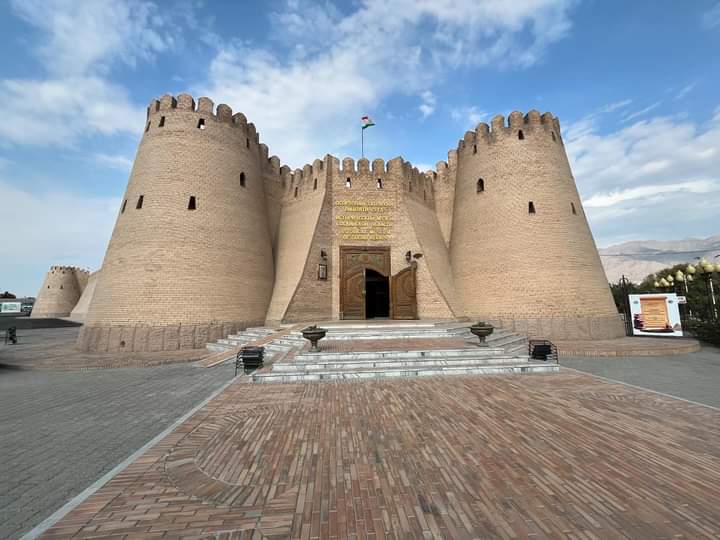
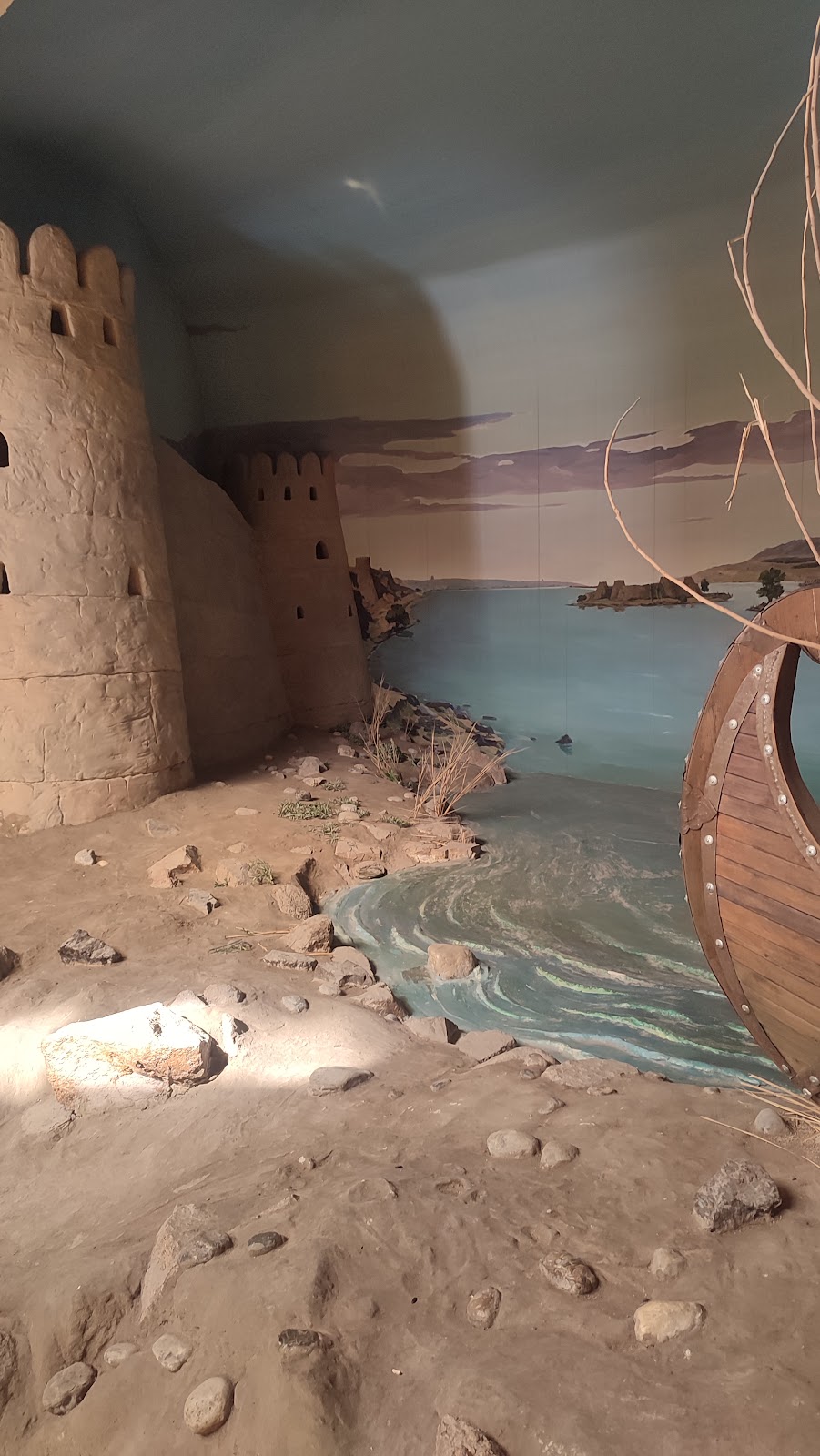
The modern institution was founded in 1986 during celebrations marking the city’s two thousand five hundredth anniversary, celebrations that drew on the Cyropolis tradition. The museum occupies the reconstructed Khujand Fortress, which was rebuilt in 1999 at the southeastern corner of the old city wall and overlooks the Syr Darya. The museum’s displays trace the region’s development from prehistoric times into the present and include sections devoted to the fortress’s own sequence of destruction and reconstruction.
Remains
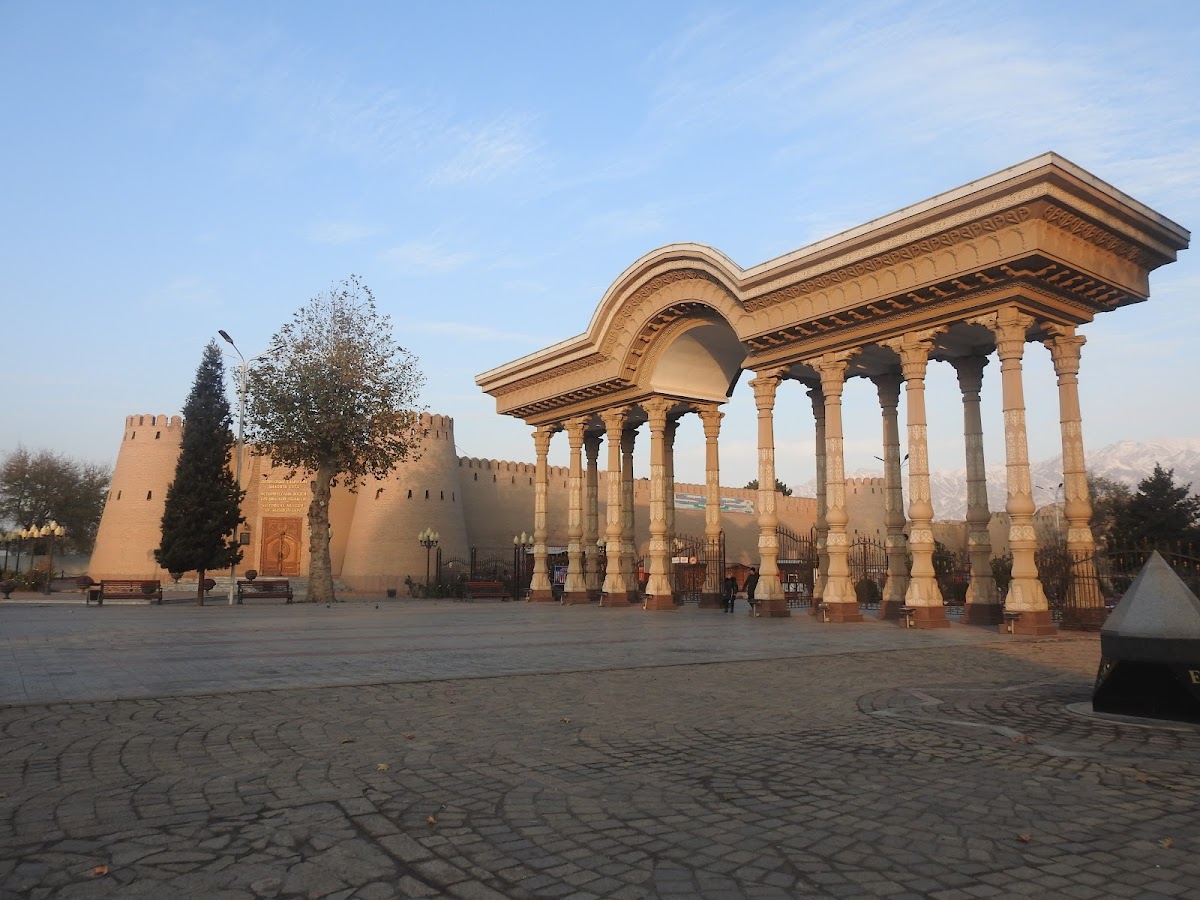
The site combines a reconstructed military stronghold with museum spaces. Its footprint occupies the southeastern corner of the old city fortifications, situated to command a view over the Syr Darya. The standing structure is the result of a late twentieth century rebuilding campaign, and it now serves as the container for the region’s archaeological and historical collections.
The fortress element is archaeologically notable for its long history of being destroyed and rebuilt; that sequence is both a subject of display inside the museum and a physical reality, since the present walls date from reconstruction work completed in 1999. Functionally the building has served as a defensive work in earlier periods and in its current form holds exhibition galleries dedicated to the site’s transformations. The reconstruction is the most recent major phase of intervention in the fortress’s long architectural biography.
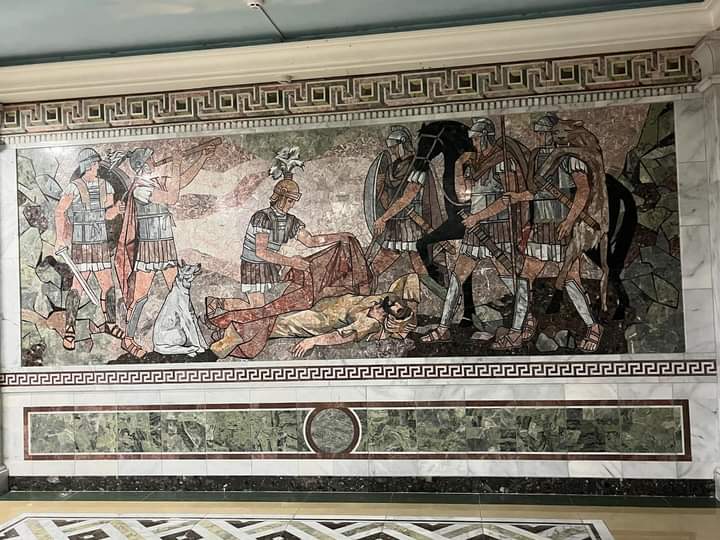
Within the refurbished stronghold the museum preserves a large assemblage of material culture, more than 15,000 objects that document daily life and ceremonial practices across time. Catalogued items include rare handwoven Tajiki rugs and embroidered textiles, pottery and household objects, traditional costumes, three-dimensional dioramas (a diorama is a small-scale, three-dimensional model representing a scene), marble mosaics and sculptural figures. Exhibits are organized to cover eras from prehistoric occupation through classical episodes such as Alexander’s campaign of 329 BC and medieval moments including the resistance led by Timur Malik, and they remain installed within the reconstructed fortress galleries for study and display.