Hinokuma-dera: An Ancient Buddhist Temple Ruin in Japan
Site at a Glance
- Rating
- 3.8
- Popularity
- Very Low
- Country
- Japan
- Primary era
- Medieval
- External website
- Open
- Eras represented
- Medieval
- Civilizations
- Yamato
- Site type
- Religious
- Remains
- Temple
On this page11 sections
History
Hinokuma-dera is an ancient Buddhist temple ruin in Japan, located in Asuka, Nara Prefecture. Founded during the latter half of the seventh century, in the Asuka period, it was associated with the Yamato no Aya, an immigrant-descended community from the Korean Peninsula known for technical crafts such as architecture and carpentry. The temple’s unusual plan reflects construction on hilly terrain and forms an important part of the archaeological remains of ancient Asuka.
Foundation and the Yamato no Aya
The Yamato no Aya lived in the Hinokuma area south of Takamatsuzuka Kofun. Their community was strongly connected with building and carpentry, while its members were also heavily militarized and often guarded high-ranking figures of the Soga clan. Hinokuma-dera belonged to this local setting and was already in existence by 686.
In that year, the Nihon Shoki, an early Japanese chronicle compiled in the eighth century, states that 100 households were assigned to Hinokuma-dera, Karu-dera, and Okubo-dera for thirty years. This reference places the temple within the religious and institutional changes of the Asuka period, when Buddhism, centralized rule, and close cultural connections with the Korean Peninsula were developing in Japan.
Foundation tradition and later history
Temple tradition identifies Hinokuma-dera with the palace of Achi no omi, regarded as the founder of the Yamato no Aya clan. According to this tradition, Achi no omi arrived in Japan in AD 289. This early foundation story is separate from the historical evidence placing the temple itself in the seventh century.
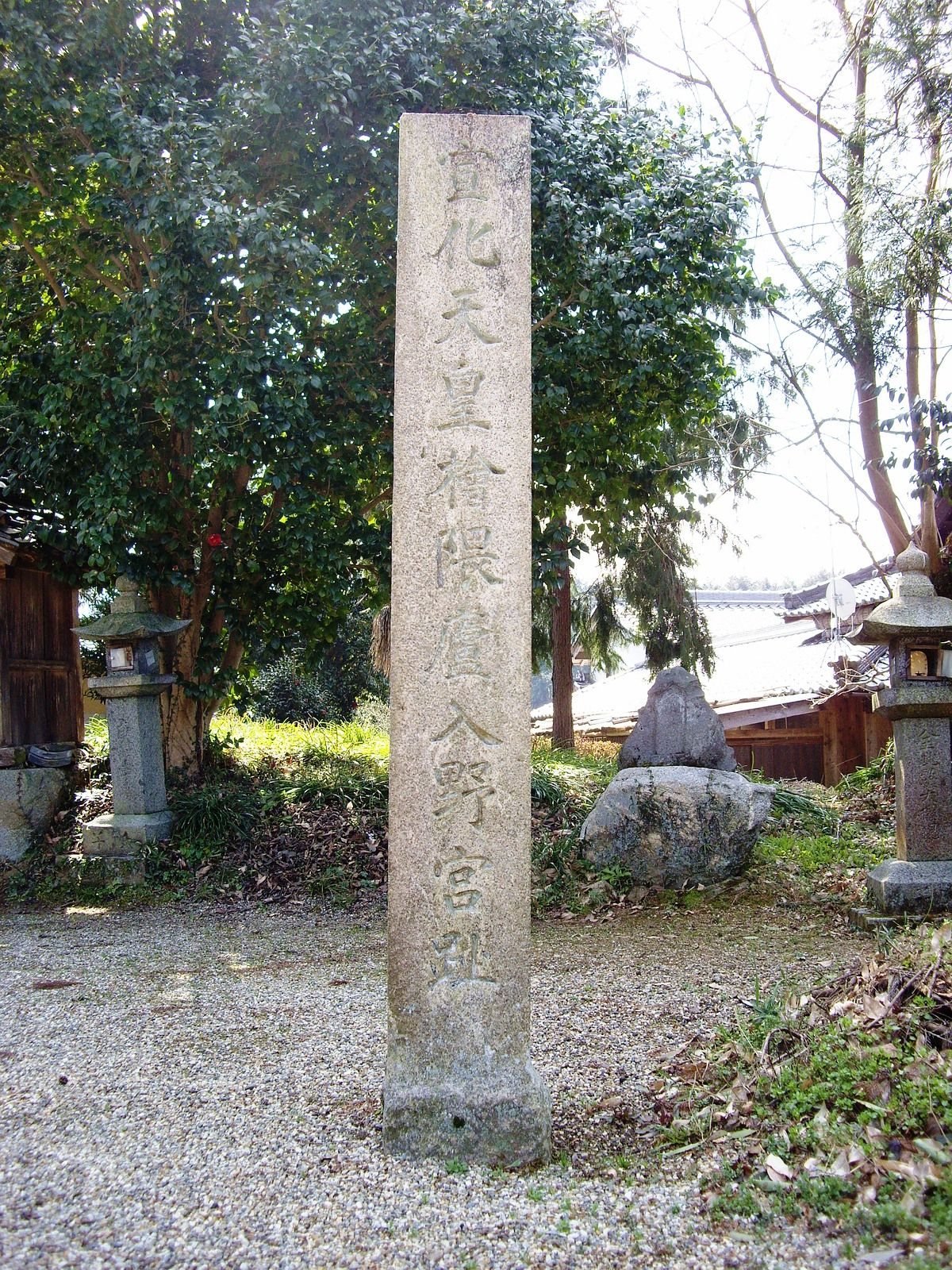
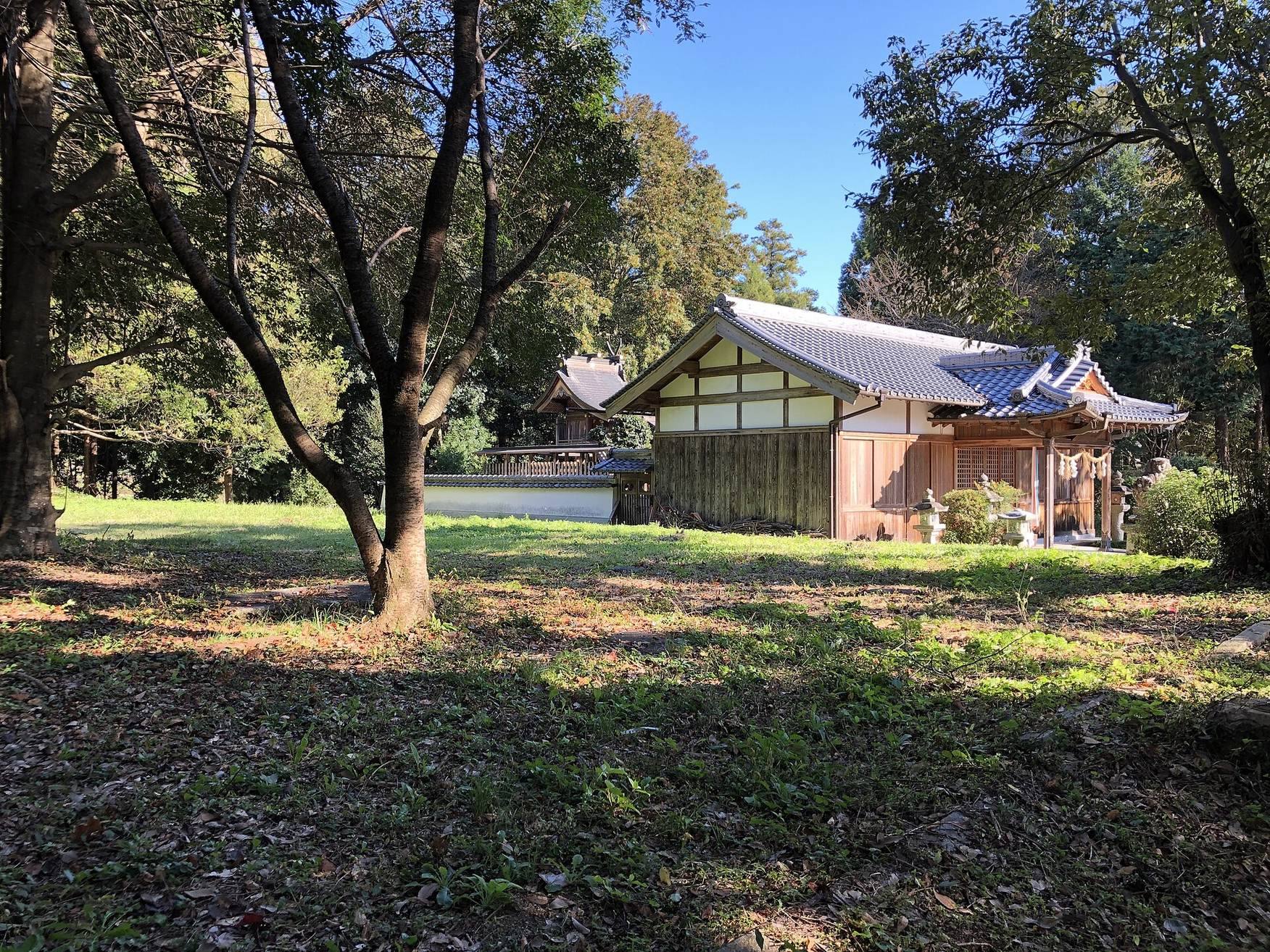
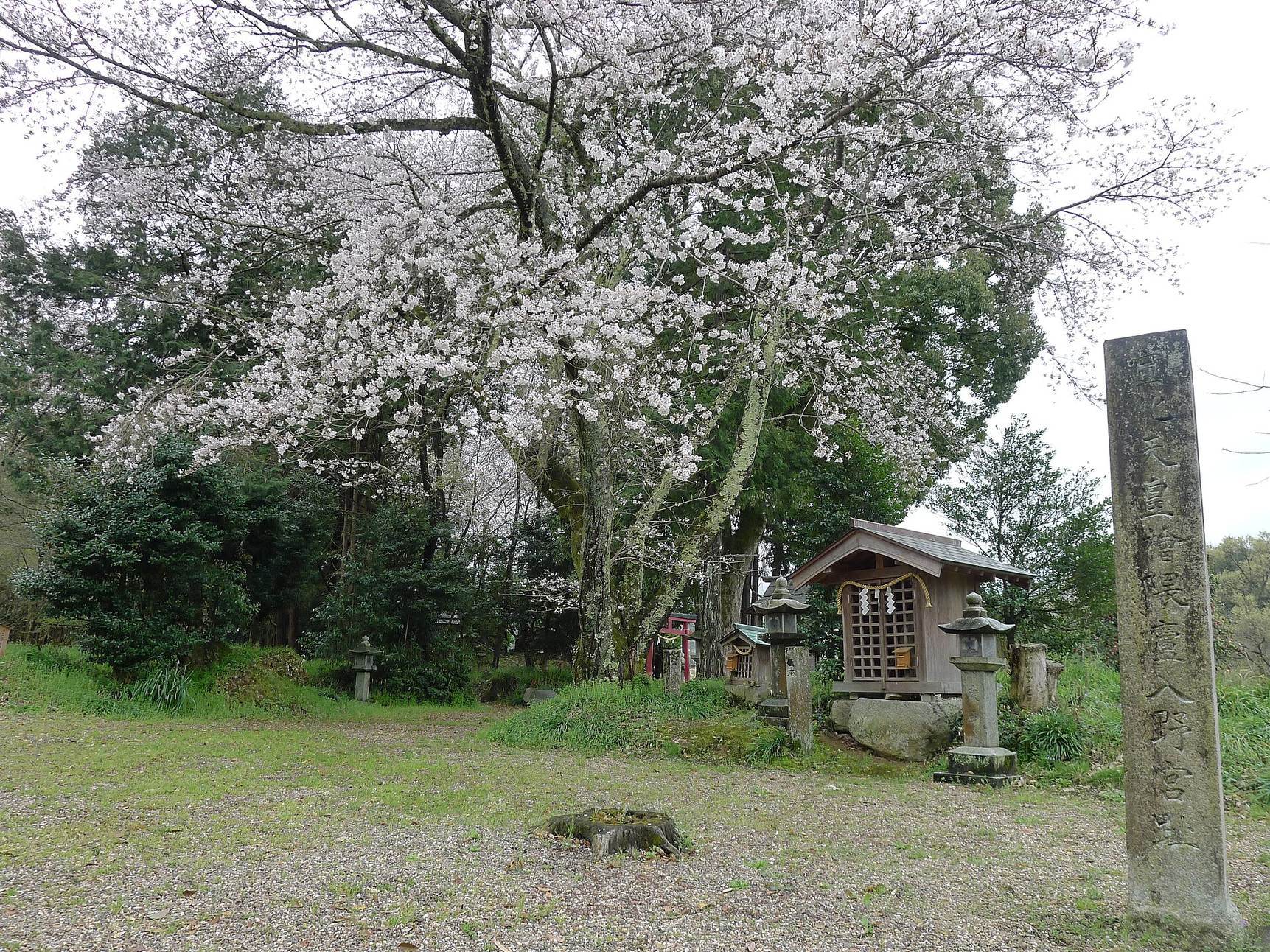
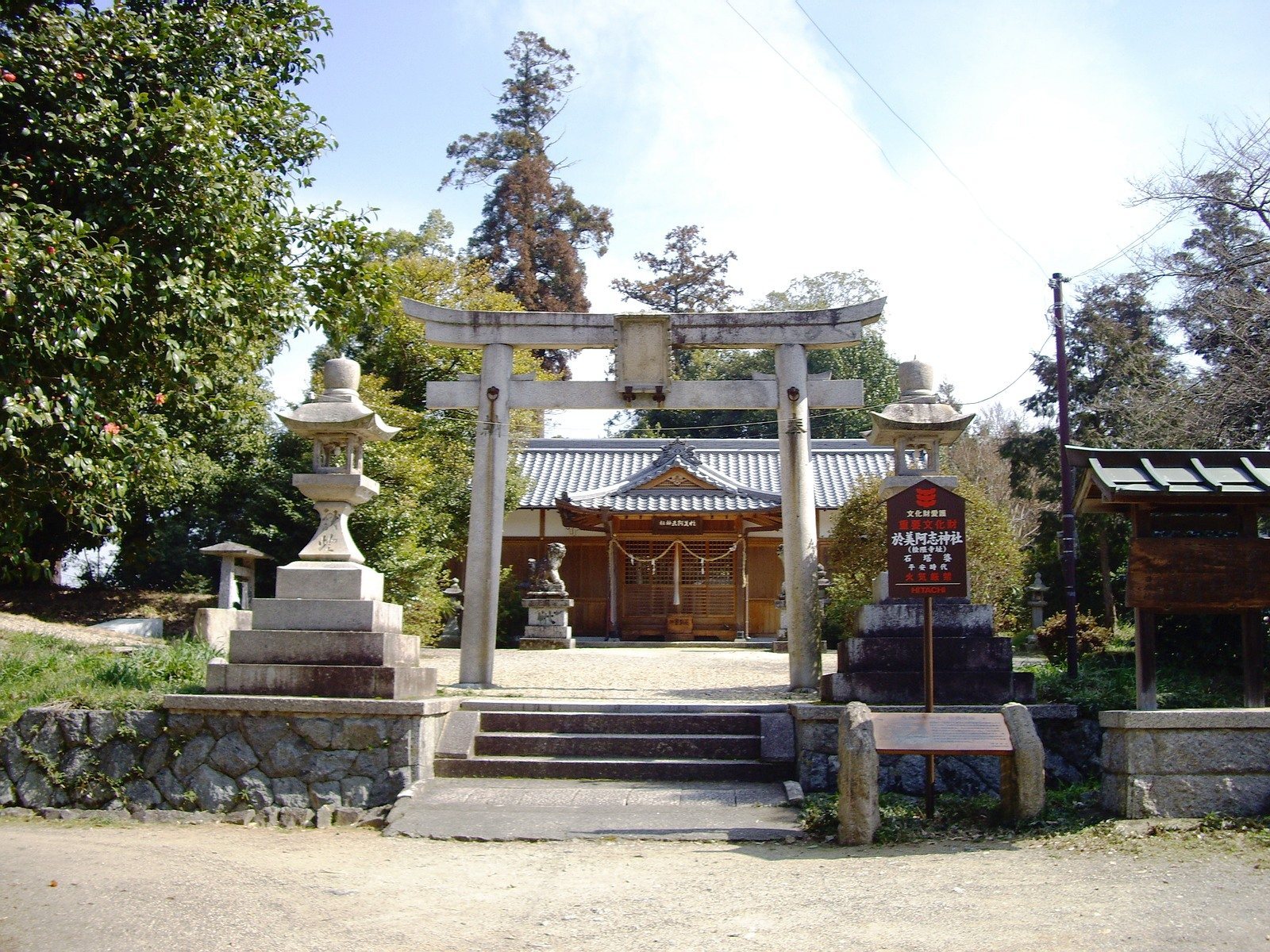
A shrine later stood beside the temple as its tutelary shrine. The site is now occupied by Omiashi Jinja, while the former temple survives as archaeological ruins. During the Kamakura period, Hinokuma-dera was apparently known as Dōkō-ji and appears under that name in the Kiyomizu-dera Engi. A temple bell excavated in Osaka in 1908 bears the date 1513 and inscriptions identifying it with Dōkō-ji in Takaichi District, Yamato Province. The bell provides evidence that the institution still existed at that time.
By 1772, the scholar Motoori Norinaga described only a temporary hermitage at the site and noted old roof tiles scattered across the grounds. The temple was later abandoned. The main shrine building of Omiashi Jinja was moved to its present position in 1907, having previously stood farther west.
Archaeological investigation and protection
Four archaeological excavations have taken place since 1969. They clarified the temple’s unusual arrangement and changed the interpretation of several remains. An earthen platform once considered the site of the Middle Gate was identified instead as a Buddhist hall, while a building with foundation stones west of the Pagoda was interpreted as the Middle Gate.
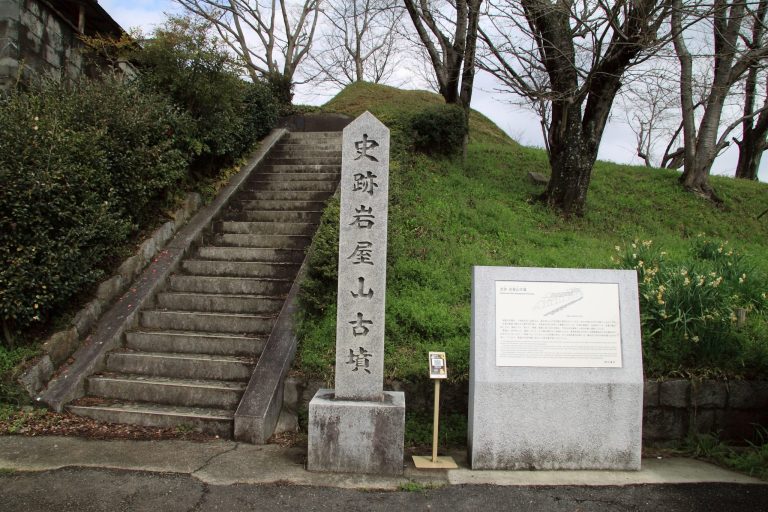
The ruins were designated a National Historic Site in 2003. They are also included within the World Heritage property known as Asuka-Fujiwara: Archaeological Sites of Japan’s Ancient Capitals.
Remains
Hinokuma-dera was laid out on sloping ground with its central axis angled westward, an arrangement considered to have resulted from the terrain. A corridor enclosed the principal precinct. Within it, the Middle Gate stood to the west, the Main Hall to the south, and the Lecture Hall to the north, while the Pagoda occupied the eastern part. The archaeological remains are generally well preserved.
Central temple precinct
Pagoda
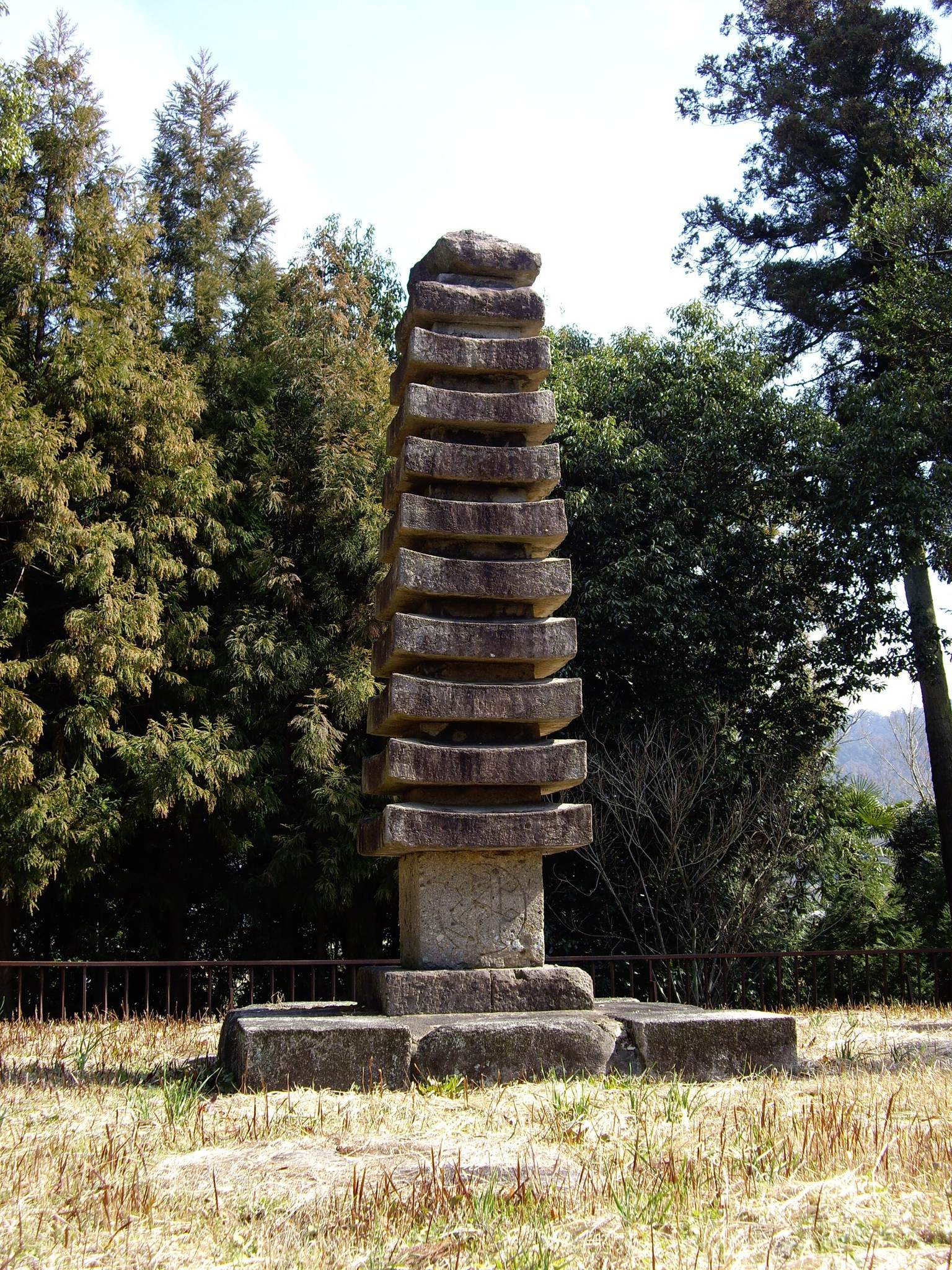
The Pagoda stood between the Main Hall and the Lecture Hall. Its remains preserve the central foundation stone and all four foundation stones for the structure’s principal pillars. An eleven-story stone pagoda from the Heian period now stands at the Pagoda site.
Main Hall and Buddhist hall
The Main Hall occupied the southern side of the corridor-enclosed precinct. South of the Pagoda, a raised earthen platform was initially interpreted as the Middle Gate. Excavation instead identified it as a Buddhist hall measuring three bays on each of its four sides. Its remains form one of the features that established the temple’s distinctive plan.
Middle Gate
A building with foundation stones stood west of the Pagoda. Its position and dimensions led archaeologists to identify it as the Middle Gate, replacing the earlier interpretation of the raised platform to the south.
Lecture Hall
The Lecture Hall occupied the northern side of the precinct. Its remains include a tiled foundation platform, preserving evidence of the building’s construction within the corridor-enclosed temple layout.
Adjacent shrine
Omiashi Jinja occupies the site beside the former temple. Its main shrine building was relocated in 1907 from a position farther west, leaving the archaeological ruins of Hinokuma-dera to preserve the temple’s former plan and foundations.