Henley Fort: A Victorian Mobilisation Centre near Guildford
Site at a Glance
- Popularity
- Medium
- Country
- United Kingdom
- Primary era
- Modern
- Eras represented
- Modern
- Civilizations
- British
- Site type
- Military
- Remains
- Fort
On this page4 sections
History
Construction and defence planning
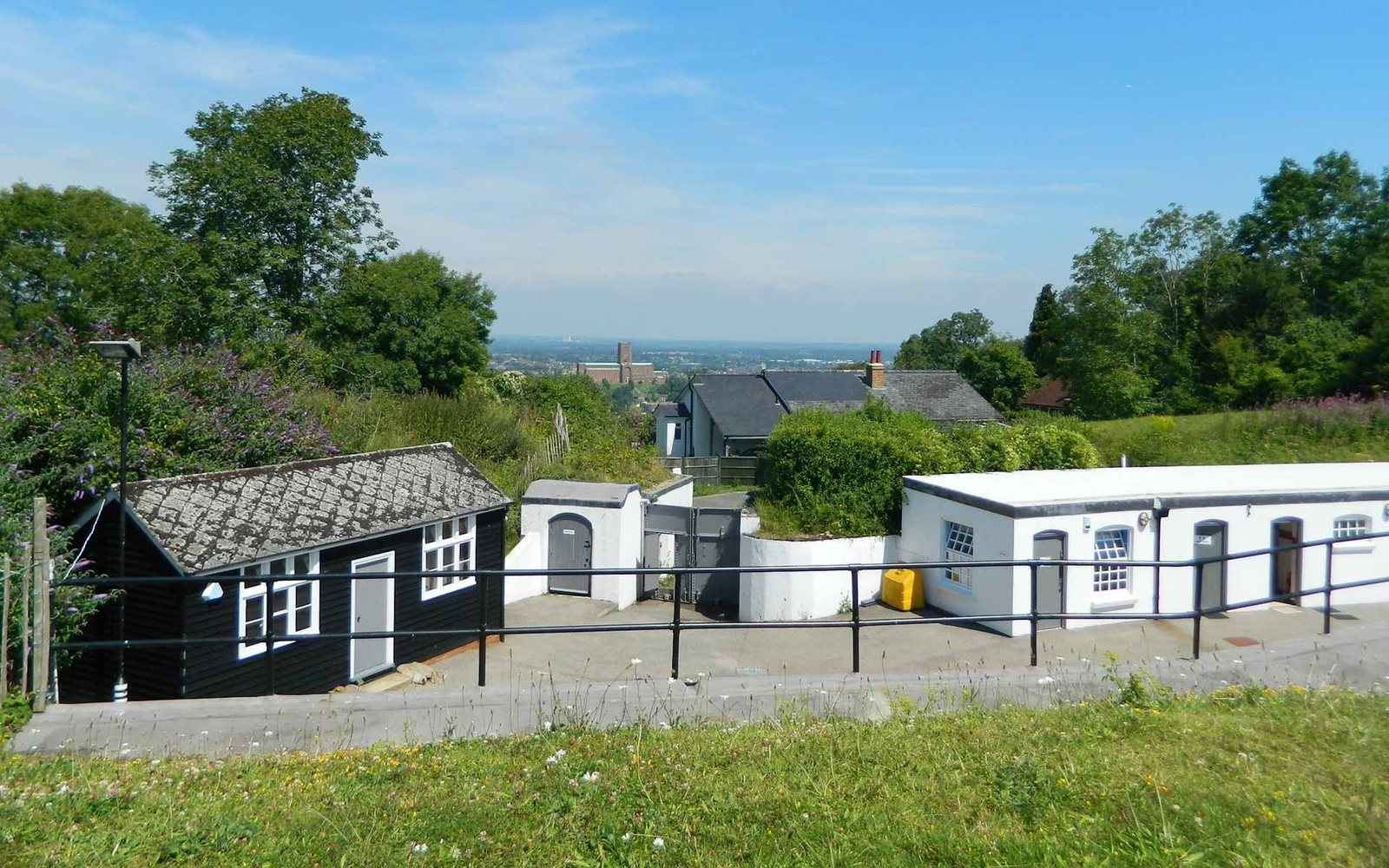
Henley Fort is a Victorian defensive fort near Guildford, England, built during the 1880s and 1890s as a mobilisation centre within the London Defence Positions, a scheme intended to protect the capital. The plan envisaged a 17-mile chain forming a secondary defensive line between the south coast and London, with Henley Fort at its western end. It was constructed amid fears of a French invasion. Work proceeded quickly at first, then slowed as the perceived threat diminished.
The fort was intended to support mobilisation rather than operate as a conventional garrison. It lacked the personnel and munitions for that role, and instead hosted volunteer training and monthly meetings for the volunteers assigned to it. Ammunition was also made on site.
Wartime and educational uses
During the Second World War, the Home Guard, a British volunteer force organised for domestic defence, used the fort for defence. In the 1950s, it became a camp for local schools. Each school could spend two weeks there annually, with walks around Surrey forming part of the programme.
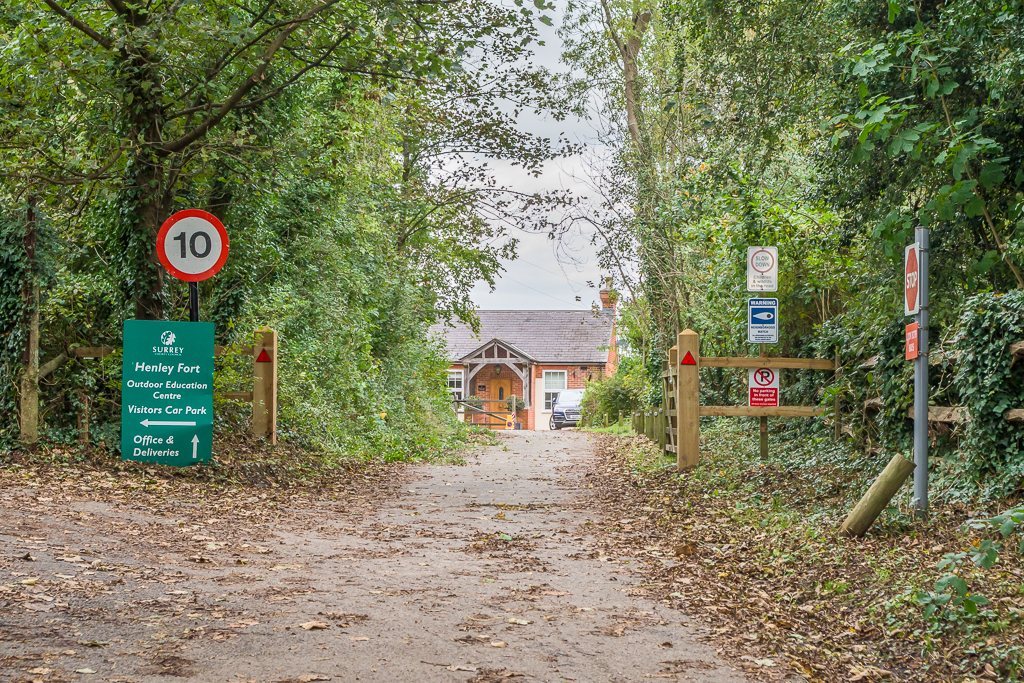
Henley Fort now operates as an educational centre run by Surrey Outdoor Learning & Development.
Remains
The fort stands near Guildford, at the eastern end of the Hog’s Back ridge. Its Victorian construction used chalk, chosen to reduce the risk of gunpowder detonating if the fort came under bombardment.