Hatchlands Park: A Country House and Historic Estate
Site at a Glance
- Popularity
- High
- Country
- United Kingdom
- Primary era
- Early Modern
- Eras represented
- Early Modern, Modern
- Civilizations
- Unclassified
- Site type
- Domestic
- Remains
- Elite Residence
On this page11 sections
History
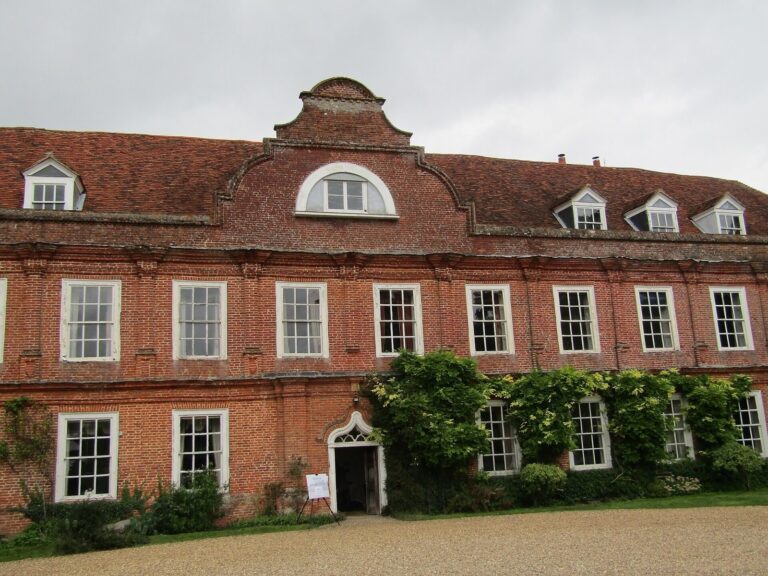
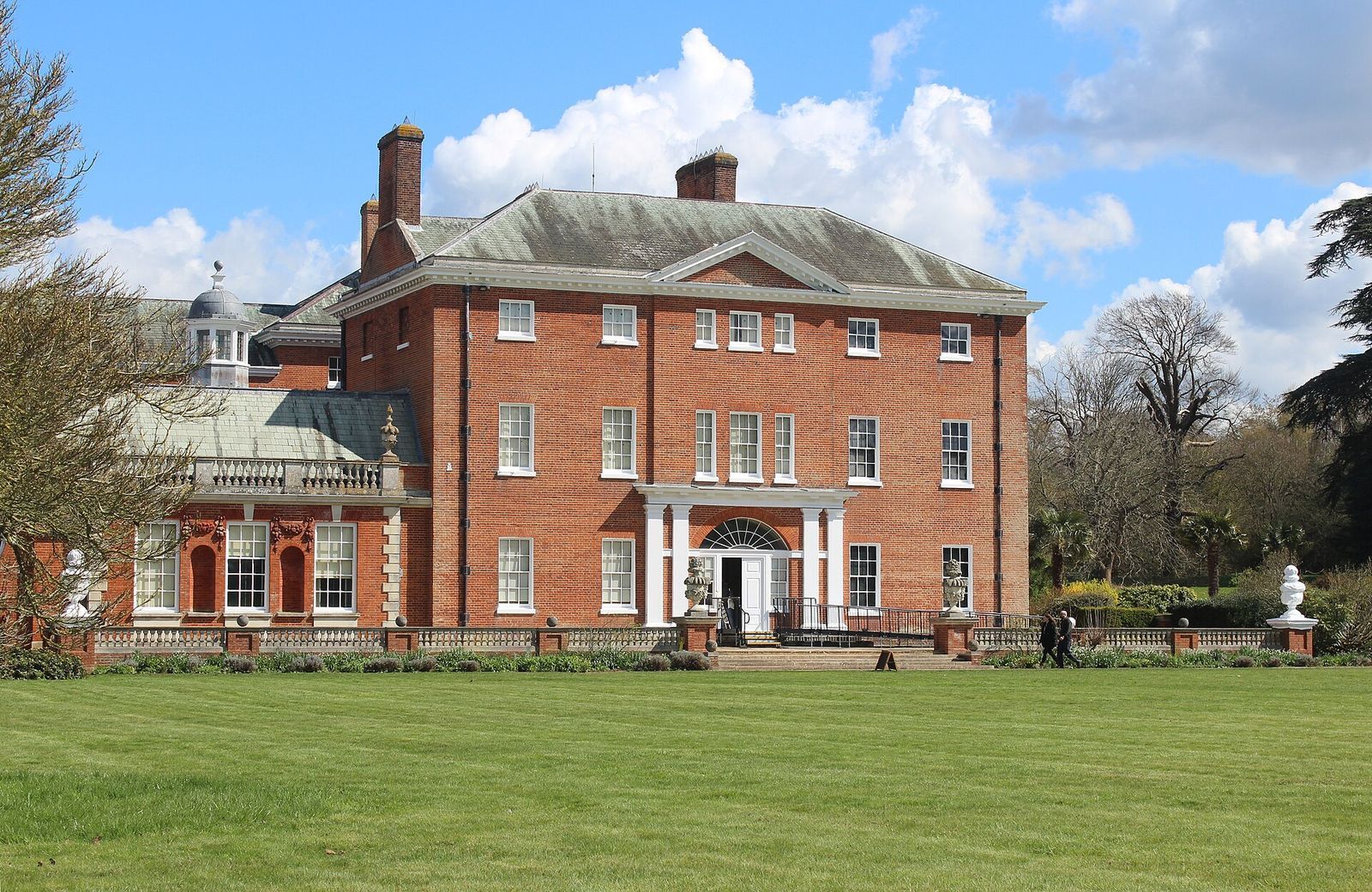
Hatchlands Park is a country house and estate in the United Kingdom; its present house was built in 1750 for Admiral Edward Boscawen.
Medieval and Tudor ownership
The estate initially belonged to Chertsey Abbey, a medieval religious house, and is mentioned in the Domesday Book, William I’s 1086 survey of land and resources. After Henry VIII suppressed England’s monasteries, he granted Hatchlands in 1544 to Sir Anthony Browne and his wife, Lady Elizabeth Fitzgerald.
The eighteenth-century estate
An early visual record of the park appears on a map made by John Seller in 1693. Boscawen bought the estate in 1750, the year the house was built for him. He shaped the grounds and employed architect Stiff Leadbetter; Robert Adam designed interiors. After Boscawen’s widow, Fanny, sold Hatchlands in 1770, it passed to the Sumner family, associated with the East India Company, a British trading company with commercial and political interests in Asia. William Brightwell Sumner commissioned alterations from Benjamin Armitage, while his son George Holme Sumner engaged landscape designer Humphry Repton to redesign the park and garden. Near the century’s end, Joseph Bonomi the Elder was commissioned to alter several rooms and the west front.
The Rendel family and the National Trust
The Sumner family sold the estate in 1888 to Stuart Rendel, later Lord Rendel. He made extensive changes to the house, working largely as his own architect and also employing his nephew by marriage, Halsey Ricardo. He commissioned garden designer Gertrude Jekyll to plan the gardens. Rendel’s grandson, architect and British Army officer Harry Stuart Goodhart-Rendel, inherited the house in 1913 and transferred the estate to the National Trust in 1945. The National Trust cares for the house, which is tenanted by the Cobbe family. The house has been Grade I listed since 1967, a designation for buildings of exceptional interest; the gardens are Grade II, for places of special interest. The park entered the National Register of Historic Parks and Gardens in 2007.
Remains
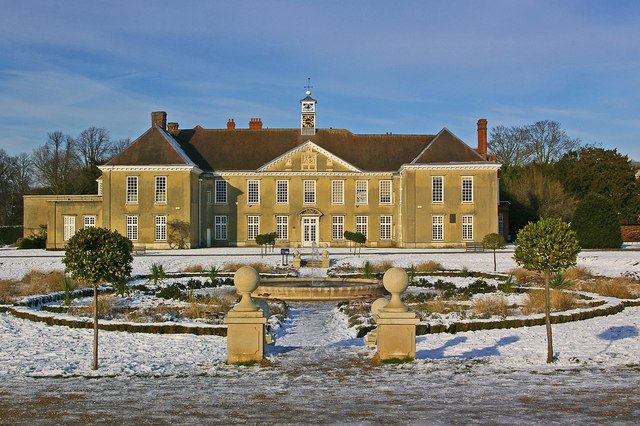
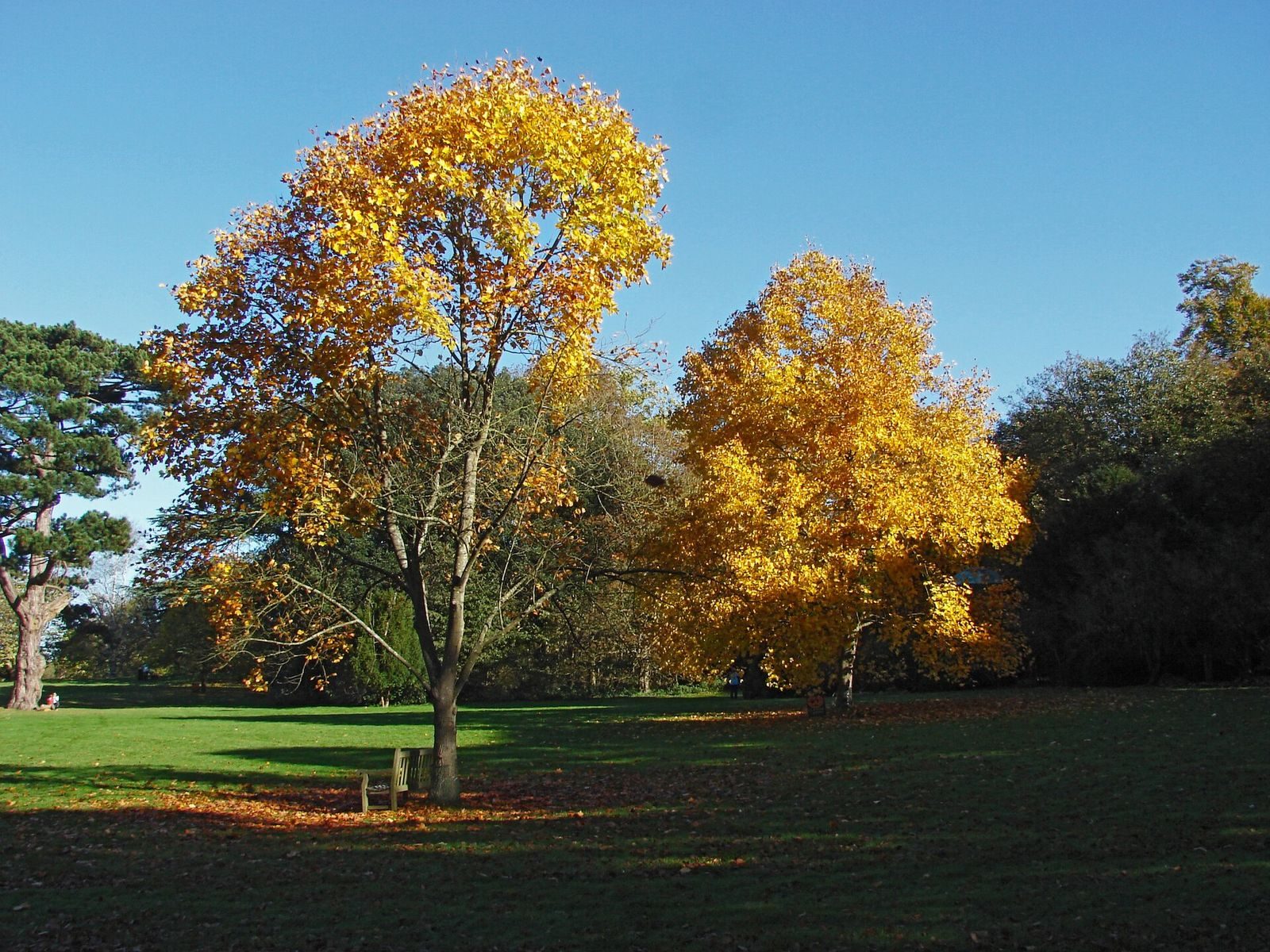
The red-brick house stands within an estate of 170 hectares (430 acres), with gardens and parkland around it. Its west front carries a frontispiece, a decorative architectural feature on a building’s front, while the main entrance is on the east side.
Interiors
Adam’s interiors include nautical decoration featuring anchors, cannon, dolphins, sea nymphs and Neptune, the Roman god of the sea. Rendel later added colour and gilding to Adam’s ceilings and embellished the staircase with rococo ornament, an ornate decorative style.
Music Room
The house includes a Music Room built by architect Reginald Blomfield.
Gardens and courtyard
The grounds include a parterre, a formal garden arrangement of patterned beds, as well as a cobbled courtyard.
Collections
Keyboard instruments
The Cobbe collection, assembled by collector Alec Cobbe, includes harpsichords and fortepianos, an early form of piano, dating from 1750 to 1840. It is described as the world’s largest collection of its kind. Twelve instruments were owned or played by composers including Purcell, J. C. Bach, Mozart, Beethoven, Chopin, Liszt, Mahler and Elgar. An Erard pianoforte in the collection is reputed to have been made for Marie Antoinette, queen of France during the French Revolution. It is described as one of the few French instruments of its period to escape destruction for firewood after the Revolution.
Paintings
The paintings include a portrait said to be one of only two surviving portraits of William Shakespeare made during his lifetime. Other works include a portrait of Henry Wriothesley attributed to John de Critz; a portrait of Johannes Meyssens by Jacob Matham; Barbara Villiers by Henri Gascar; Venus Sleeping in a Landscape, after Titian; Titian’s Venus and Adonis; Jupiter and Antiope by Cornelis van Poelenburgh; and a portrait of George IV by Thomas Lawrence.