West Horsley Place: A Historic House in Surrey
Site at a Glance
- Country
- United Kingdom
- Primary era
- Medieval
- Eras represented
- Medieval, Early Modern, Modern
- Civilizations
- British, English
- Site type
- Domestic
- Remains
- Elite Residence
On this page8 sections
History
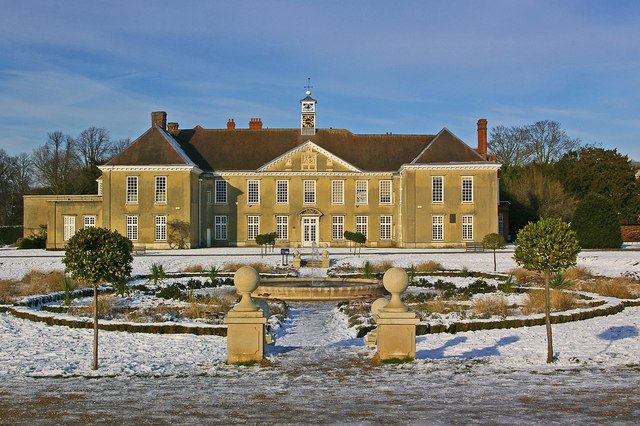
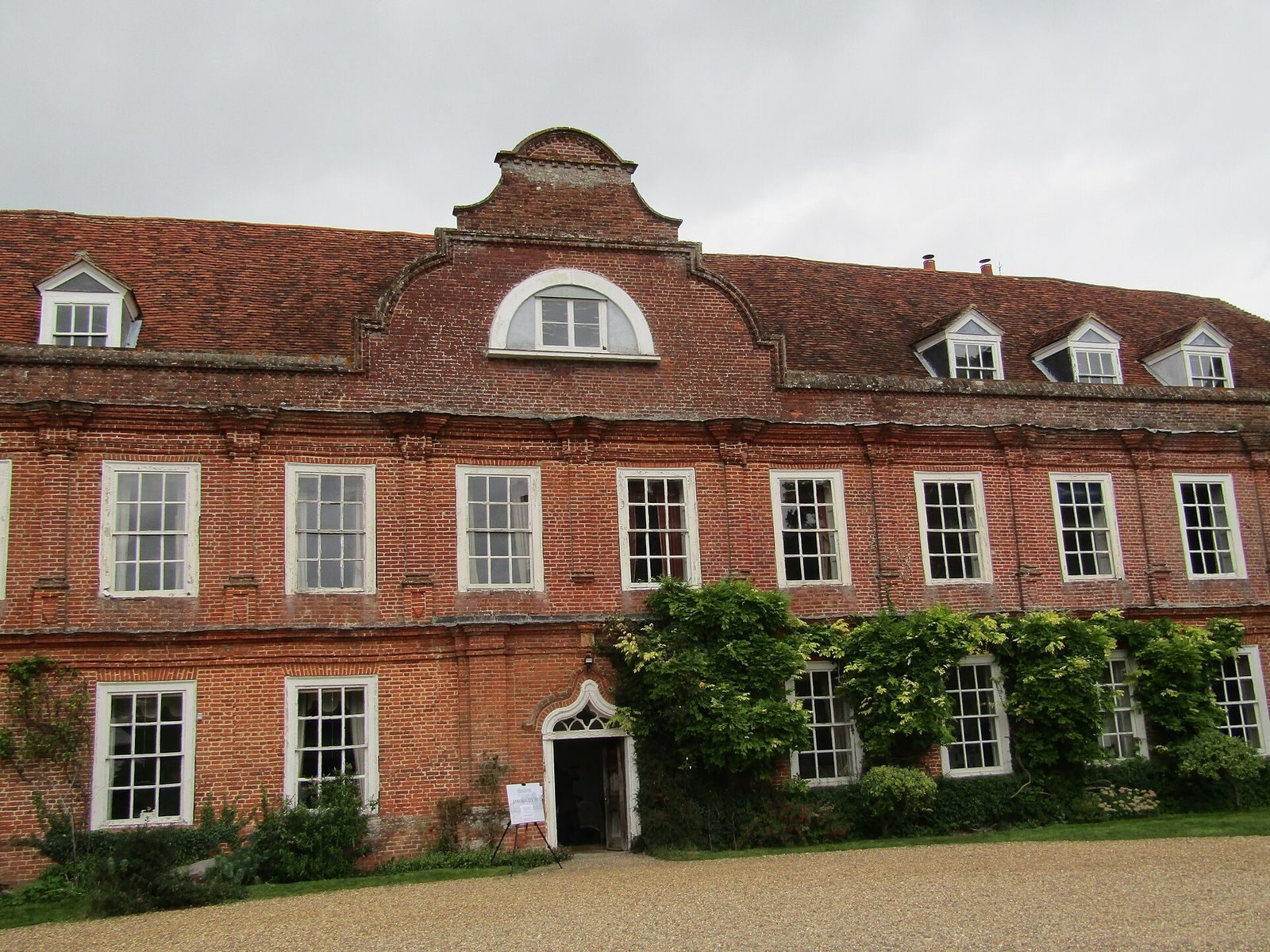
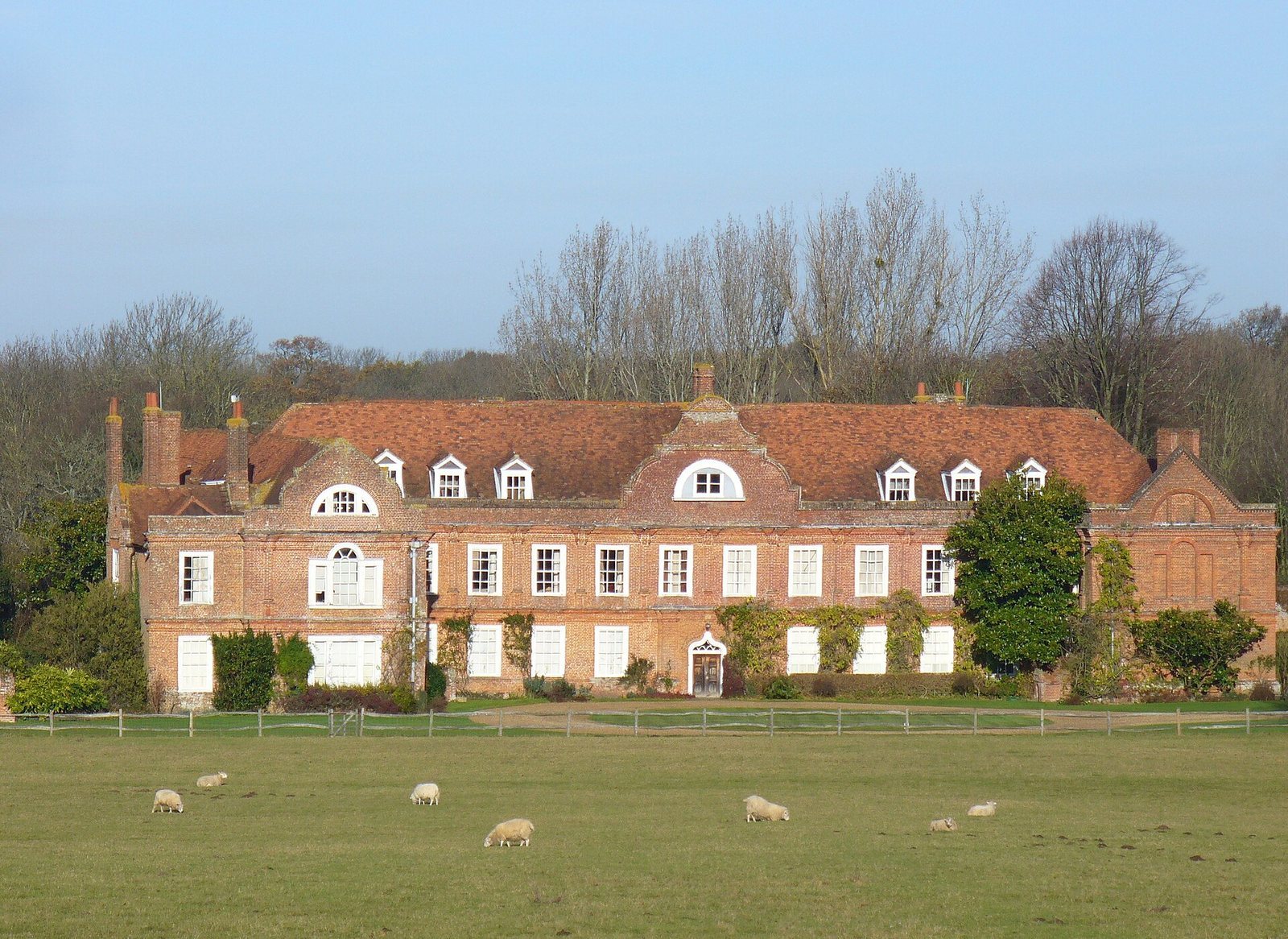
West Horsley Place is a historic house in West Horsley, Surrey, United Kingdom, east of Guildford. A building stood on the site in the 14th century, while the present house dates to the 15th century, with its origins placed in 1425. Its architecture includes features associated with Artisan Mannerism, a development of Jacobean architecture linked to London craftsmen who remained active in their guilds.
Medieval origins and Tudor ownership
In the 16th century, the house belonged to John Bourchier, 2nd Baron Berners, an English nobleman who produced the first English translation of Froissart’s Chronicles. In 1538, it passed to Henry VIII after Henry Courtenay, 1st Marquess of Exeter, forfeited it. Edward VI later granted the property to Anthony Browne, the royal household officer responsible for the monarch’s horses and stables. After Browne’s death, his widow Elizabeth married Edward Clinton, 1st Earl of Lincoln, who held the senior naval office of Lord High Admiral.
Elizabeth I stayed at West Horsley Place in August 1559. From a window, she watched Robert Dudley, Master of the Horse, and other courtiers take part in running at the ring, a mounted contest to catch a suspended ring with a lance. The Earl of Lincoln arranged a garden banquet and brought painters and gilders from London to prepare for the visit. Thomas Cawarden, who supervised court entertainments as Master of the Revels, came to Horsley, apparently to oversee the work and festivities, and died at the house. Elizabeth, Countess of Lincoln’s 1590 will describes the house as richly furnished.
Later ownership and estate use
During Charles I’s reign, the house may have received additions. Henry Currie, Conservative MP for Guildford, rented it from 1847 to 1852, and the estate was used for fox hunting in 1868. When Laura Fielder died in 1908, she left £3,000 to King’s College, Cambridge; the house was then valued at £62,536.
Robert Crewe-Milnes, 1st Marquess of Crewe, and his wife acquired the estate in 1931. After his death in 1945, his widow Peggy left it to their daughter, Mary Innes-Ker, Duchess of Roxburghe, when she died in 1967. The Duchess closed much of the house and lived in a five-room section. West Horsley Place received Grade I listed status on 14 June 1967, the highest listed-building category in England. Eight other buildings on the estate are Grade II listed.
When the childless Duchess died aged 99 in 2014, her 80-year-old grand-nephew Bamber Gascoigne inherited the estate. He arranged Sotheby’s auctions of her possessions in London and Geneva to fund restoration of the deteriorated house. The sales raised £8.8 million, against an initial expectation of £2.2 million, and Gascoigne transferred the house and estate to the West Horsley Place Trust.
Grange Park Opera took a 99-year lease on a purpose-built theatre in the grounds. The proposal drew opposition because the site lies in the Metropolitan Green Belt, protected land around urban areas where development is restricted. Guildford Borough Council approved it in May 2016, with support from conductor Stephen Barlow and others. The theatre opened in June 2017 with Puccini’s Tosca. Joseph Calleja sang Cavaradossi, Ekaterina Metlova performed the title role, and Gianluca Marcianò conducted the BBC Concert Orchestra. It was the first new opera house built in the United Kingdom in the 21st century.
Remains
The estate includes the 50-room house, garden structures and other buildings, as well as a purpose-built opera theatre. The house’s 15th-century timber-framed structure survives beneath a façade added in the mid-17th century.
Historic house and estate buildings
Main house
Architectural historian Sir John Summerson regarded the house, or additions made during Charles I’s reign, as a leading example of Artisan Mannerism. Its ornate, quasi-classical gable ends are characteristic of that style. A gallery in the west wing was later converted into additional bedrooms.
Garden and other estate buildings
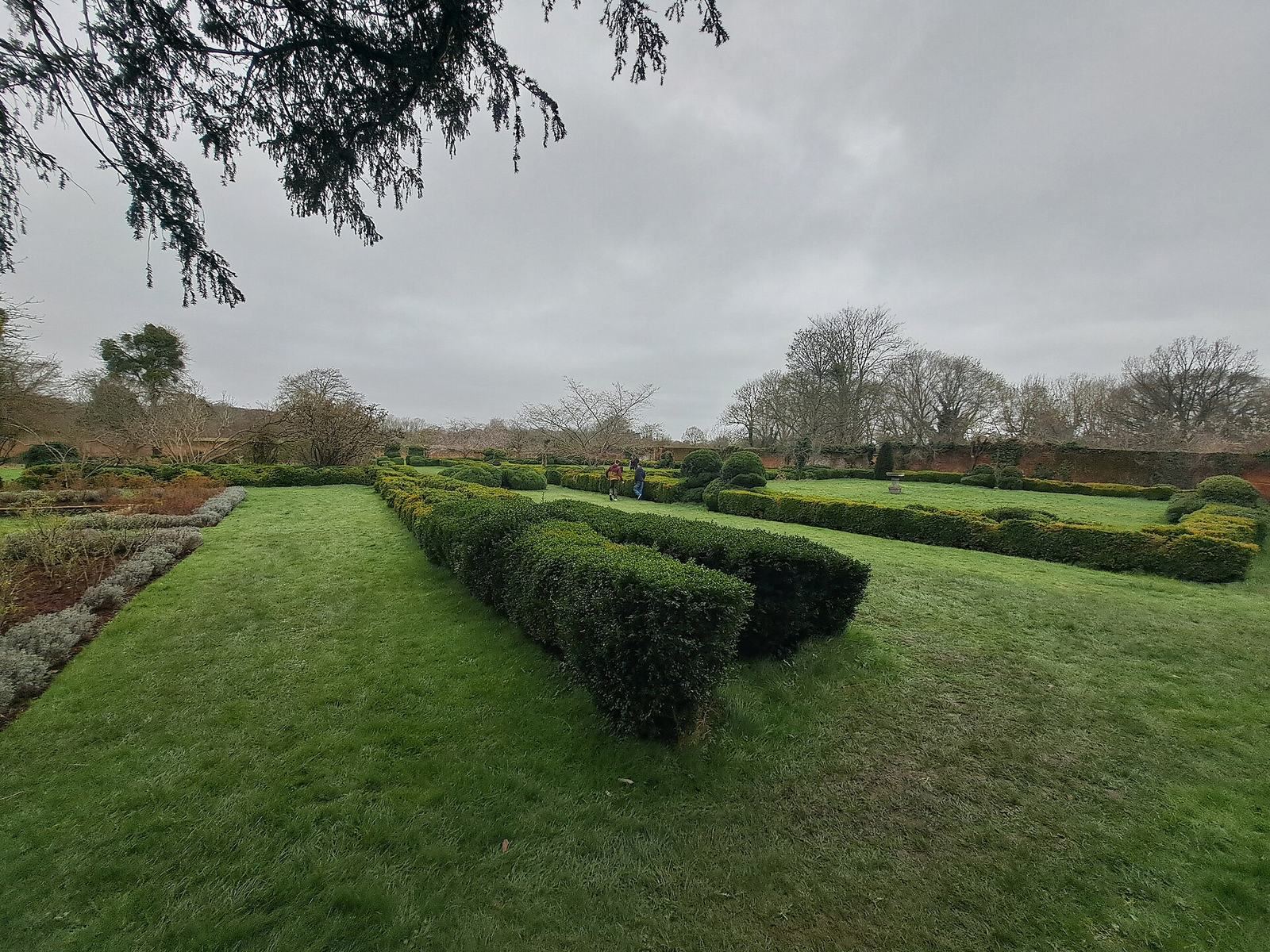
A summer house in the garden was prepared for Elizabeth I’s banquet in 1559. Other buildings on the estate include a mid-19th-century dog kennel, and Place Farm Barn has been converted.
Opera theatre
Designed by Tim Ronalds, the theatre, also known as the Theatre in the Woods, has roughly 700 seats. Its horseshoe-shaped plan takes Milan’s La Scala, a major opera house, as its model.