Hatagaoka Hachiman Shrine: A Historic Shinto Shrine in Tokyo


Site at a Glance
- Rating
- 4.2
- Popularity
- Low
- Country
- Japan
- Primary era
- Medieval
- External website
- Open
- Eras represented
- Medieval
- Civilizations
- Kamakura shogunate
- Site type
- Religious
- Remains
- Sanctuary
On this page11 sections
History
Hatagaoka Hachiman Shrine is a Shinto shrine in Shinagawa City, Japan, traditionally founded in 1030 during the Heian period. Its principal enshrined deities are Hondawake no Mikoto, Hime Okami, and Okinagatarashihime no Mikoto. Before 1945, it held the administrative rank of a former village shrine.
Foundation and Minamoto tradition
The shrine’s foundation is traditionally connected with Minamoto no Yorinobu, an eleventh-century member of the Minamoto military clan. In 1030, while traveling toward Shimousa Province to suppress the Taira no Tadatsune Rebellion in present-day Chiba Prefecture, Yorinobu camped at this location. After experiencing the spiritual power of the deity, he enshrined Hachiman, a major Japanese kami associated with warfare and military protection, and prayed for victory.
According to the same tradition, Minamoto forces displayed their white banners at the site. This story is linked to the place-names Hatanodai and Hatagaoka. The shrine later became known as Hatagaoka Hachimangu and, during the Edo period, as Nakanobu Hachimangu.
Kamakura-period development
During the Kamakura period, a medieval era conventionally dated from the late twelfth through the fourteenth centuries, the local lord Ebara Yoshimune established shrine buildings. He is said to have descended from the earlier Minamoto leader Minamoto no Yoshiie. Yoshimune made the enshrined deity both a local protector and a protective deity of the Minamoto line.
Yoshimune also followed Nichiren Buddhism, a Japanese Buddhist tradition based on the teachings of the monk Nichiren. He placed his son under the instruction of Nichiro, one of Nichiren’s eminent disciples. The son later became the monk Rokei and founded Horenji on the site of the Ebara family residence. For many years, Horenji served as the shrine’s associated administrative temple. This arrangement was abolished during the Meiji period, although Horenji remains beside the shrine.
Roads, archery, and the Edo period
The road in front of the shrine formed part of routes traditionally known as the Kamakura Road, understood to lead toward Kamakura. An older historical description also places it on a highway continuing toward Oshu in the direction of Yaguchi.
During the Edo period, Tokugawa Hidetada, the second shogun of the Tokugawa military government, designated the shrine as a place of prayer. The shrine attracted particular devotion from archers. Each year on February 15, warriors from surrounding areas gathered in the precincts for celebrated archery contests. Sweet fermented rice drink was served after the competitions, giving rise to the continuing February Amazake Festival.
The shrine’s Edo-period identity as Nakanobu Hachimangu was also preserved in the illustrated geographical work Edo Meisho Zue, where the shrine appeared under that name.
Wartime loss and reconstruction
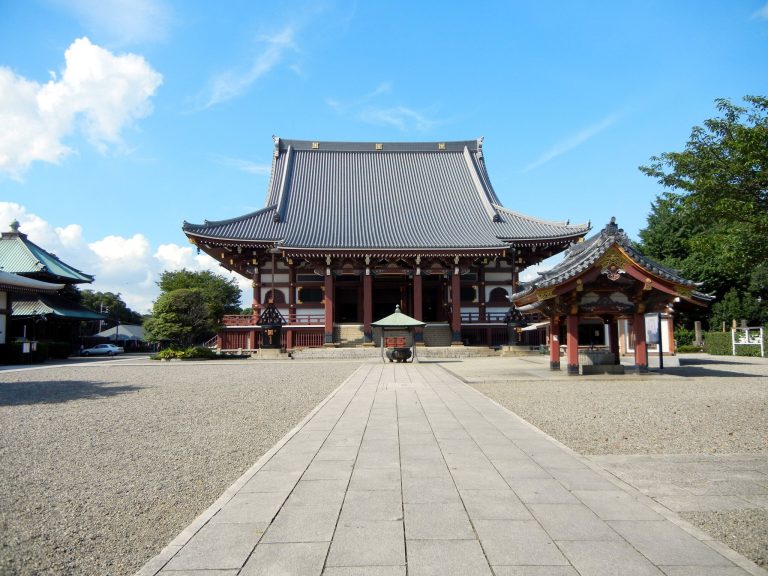
The worship hall and other shrine buildings were destroyed by wartime fire during the Second World War. The ema hall survived. The present shrine buildings were reconstructed in 1964, creating the physical setting of the shrine today while preserving its association with the earlier traditions and institutions.
Remains
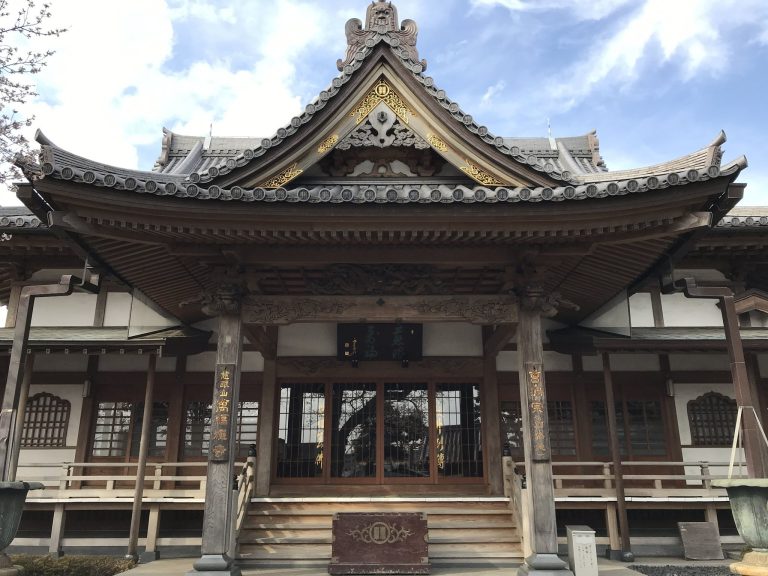
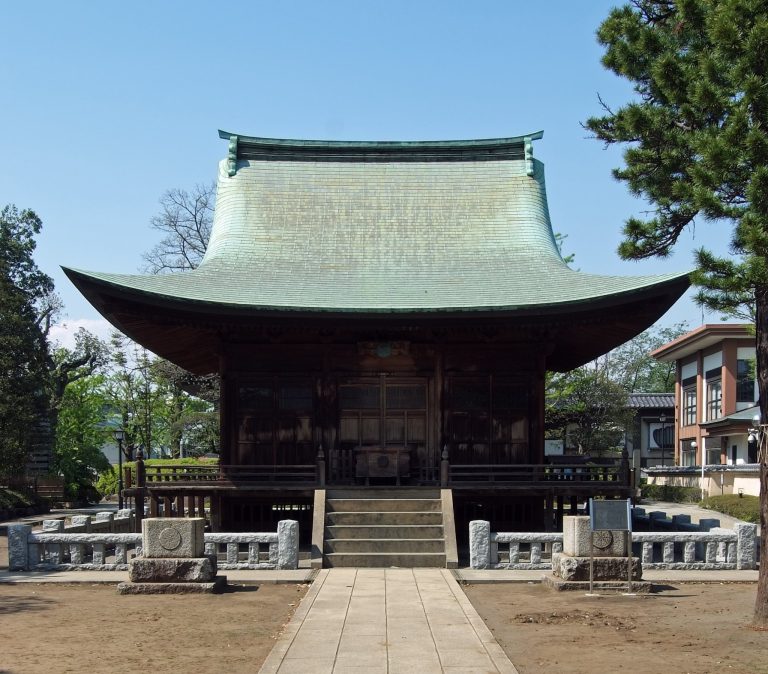
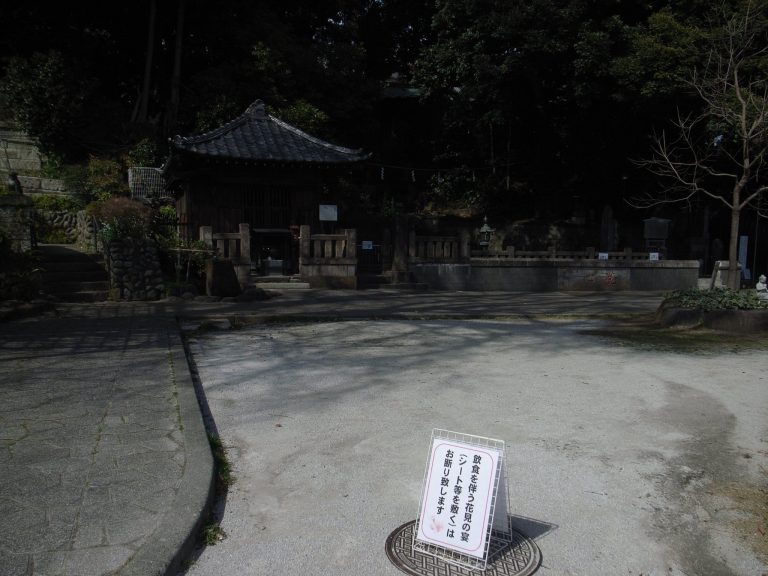
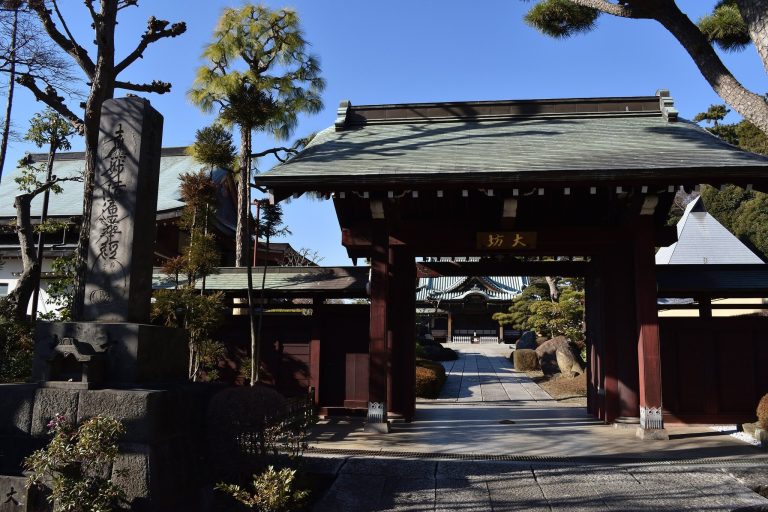
The present precinct includes the worship hall and the ema hall, with the current shrine buildings dating from the 1964 reconstruction. The buildings therefore combine the shrine’s continuing religious function with a postwar physical fabric shaped by the wartime destruction. Horenji stands adjacent to the shrine on the former site of the Ebara family residence.
Shrine buildings
Worship hall
The worship hall forms part of the reconstructed shrine complex. The present building dates from 1964, following the loss of the earlier worship hall in wartime fire during the Second World War.
Ema hall
The ema hall is the only shrine structure specifically identified as having survived the wartime fire. An ema hall is a building associated with wooden votive plaques on which worshippers write prayers or wishes. Its survival provides a physical link between the prewar shrine and the buildings reconstructed in 1964.
Horenji
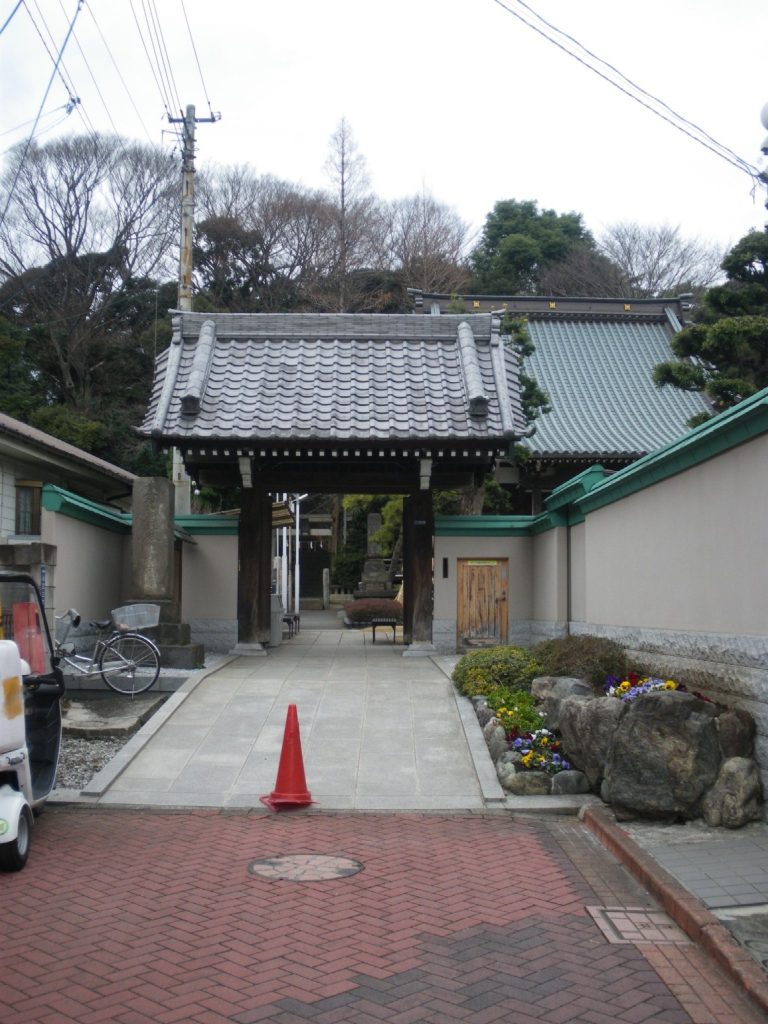
Horenji stands beside the shrine on the site of the former Ebara family residence. It preserves the location of the Buddhist institution that historically administered or oversaw the shrine before that role ended during the Meiji period.
Historic road setting
The shrine is associated with the road running in front of it. This road was traditionally identified with one of the routes toward Kamakura and was also described in an older account as part of a highway continuing toward Oshu in the direction of Yaguchi.