Harran University: A Medieval Islamic Institution of Higher Learning

Site at a Glance
- Rating
- 4.5
- Popularity
- Very Low
- Country
- Turkey
- Primary era
- Unclassified
- Eras represented
- Unclassified
- Civilizations
- Unclassified
- Site type
- Civic
- Remains
- University
On this page4 sections
History
Foundation and Early Intellectual Life
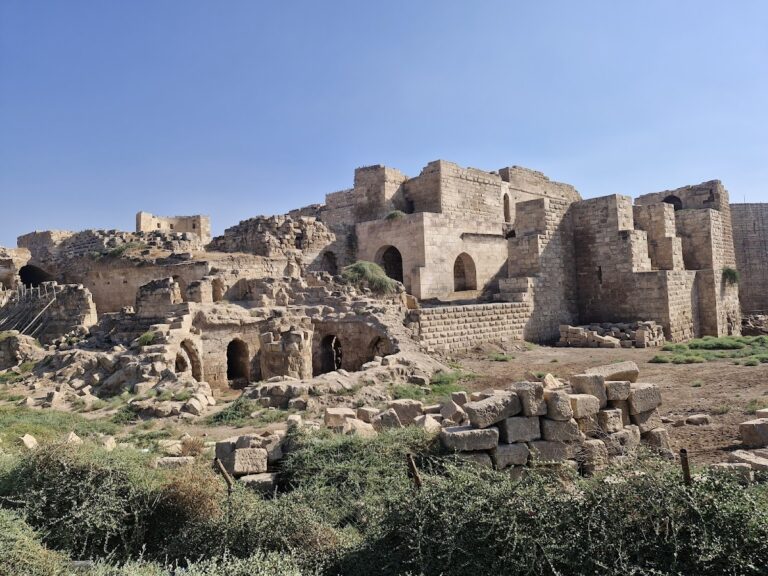
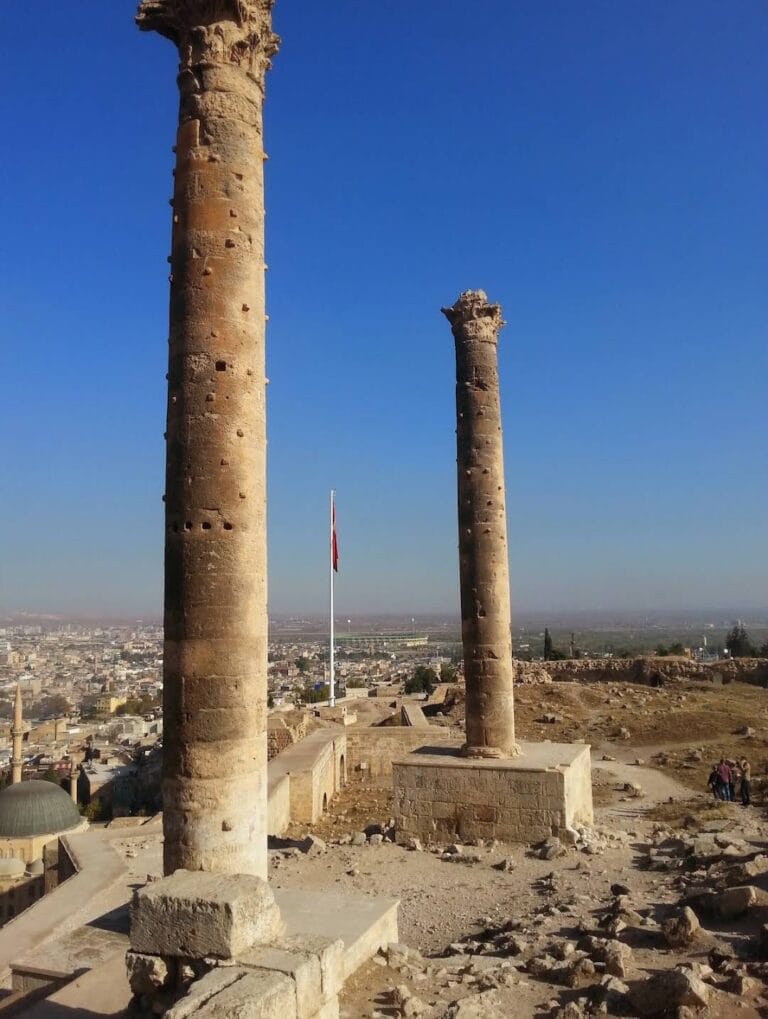
Harran University, also known as the Madrasa of Harran, was a medieval Islamic institution of higher learning in Harran, Türkiye, founded in 717 during the early Islamic period. It was established during the reign of Umar II, an Umayyad caliph who ruled from 717 to 720. Umar brought scholars from cities across his territories and settled them in Harran, helping to create an organized center of study.
The institution was regarded as the first Islamic institution of its kind and was sometimes considered the oldest university in the world. Its intellectually open environment allowed discussion of religious and philosophical traditions that were treated as heretical or irreligious elsewhere. This atmosphere helped make Harran internationally renowned as a center of science and learning.
Translation formed an important part of its intellectual work. Syriac, a major literary language of Christian communities in the Near East, had helped transmit Greek learning before and during the Islamic period. At Harran, the transfer of Syriac and Greek texts into Arabic contributed to the preservation and circulation of classical learning within the Islamic world.
The Abbasid Golden Age
The madrasa reached its golden age in the late eighth and ninth centuries, especially during the rule of Harun al-Rashid from 786 to 809. Harun was an Abbasid caliph whose reign fell within the period commonly associated with the Islamic Golden Age. At its height, the institution had more than 8,000 students studying mathematics, philosophy, medicine, astrology, astronomy, and the natural sciences.
Scholars associated with Harran included Al-Battani, a prominent medieval astronomer and mathematician; Jabir ibn Hayyan, a scholar traditionally linked with early Arabic alchemy and scientific writing; and Thabit ibn Qurra, a ninth-century mathematician, astronomer, physician, and translator active in the Abbasid intellectual world.
Neoplatonism, a philosophical tradition concerned with the relationship between an ultimate principle and the ordered structure of reality, was introduced at an uncertain date. It may have been brought to Harran by Thabit ibn Qurra in the late ninth century after a possible period of study in Baghdad. It may instead have reached Harran as early as the sixth century through Neoplatonist philosophers such as Simplicius of Cilicia, who had fled religious persecution in the Byzantine Empire.
Decline, Destruction, and Ottoman Revival
Harran’s influence began to decline from the ninth century as other centers of scholarship became prominent. The House of Wisdom in Baghdad and the House of Wisdom in Cairo were major Islamic institutions associated with scholarship, translation, and the preservation of scientific and philosophical works. Harran nevertheless remained active until at least the twelfth century, when the city was under the rule of the Zengids, a medieval Muslim dynasty.
The madrasa had ceased operations by around 1271, when Harran was severely damaged and abandoned amid the Crusades and Mongol invasions. Its long period of activity had already connected the city with the study and transmission of religious, philosophical, and scientific knowledge across the Islamic world.
After the Ottoman conquest of the region, Sultan Selim I, who reigned from 1512 to 1520, attempted to repair and revive the institution. Its importance declined again after his reign as Ottoman attention shifted toward Europe. This brief revival marked the final known period in which the historic institution became active.