Haapsalu Castle: A Medieval Episcopal Fortress in Estonia
Visitor Information
Google Rating: 4.7
Popularity: Medium
Official Website: linnus.salm.ee
Country: Estonia
Civilization: Early Modern, Medieval European, Modern
Site type: Military
Remains: Castle
History
Haapsalu Castle, situated in the municipality of Haapsalu in modern-day Estonia, was originally built by the bishops of the Ösel-Wiek bishopric in the 13th century. This bishopric was established in 1228 by Archbishop Albert of Riga, who appointed Bishop Gotfried from the Dünamünde Cistercian monastery to lead the ecclesiastical territory. The bishopric operated as a vassal state tied to the Holy Roman Empire, with its borders formally set by Papal legate Wilhelm of Modena in 1234.
Initially, the episcopal residence was located at Lihula Castle, constructed with assistance from the Livonian Swordbrothers, a military order. To reduce tensions with this order, the bishop’s seat was moved to Pernau (now Pärnu); however, this settlement was destroyed by Lithuanians about a decade later. Following this, Haapsalu was selected as the new center of the bishopric. Construction of the castle and the adjoining cathedral began here and continued for roughly three centuries, reflecting its growing religious and administrative importance.
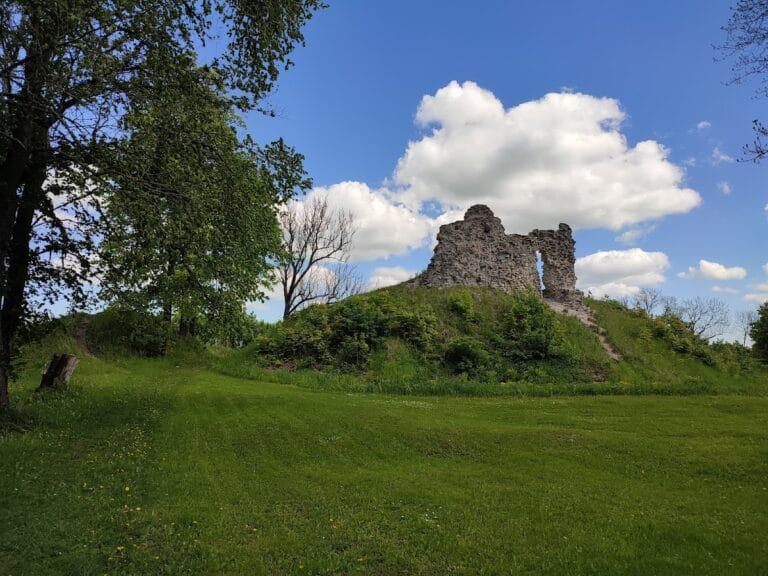
The castle reached its completed size during the governance of Bishop Johannes IV Kievel between 1515 and 1527. However, the structure endured serious damage during the Livonian War (1558–1582), which included partial destruction of the smaller castle walls and outer defensive works. By the 17th century, under Swedish dominion, the castle no longer served a military role. During the Great Northern War, in 1710, Estonia came under Russian control, and by command of Tsar Peter I, sections of the castle walls were demolished, leaving the fortress largely in ruins.
The cathedral, dedicated to St. Nicholas, served as the religious heart of the Ösel-Wiek bishopric. Constructed between 1263 and 1270, it was designed with defensive elements, including an attic refuge, and combined Romanesque and early Gothic architectural styles. Following the Livonian War, the cathedral transitioned into Lutheran hands under Swedish rule and became known as the castle church. In 1625, King Gustav II Adolf of Sweden sold Haapsalu and its castle to Count Jakob De la Gardie, who intended to upgrade the fortress with assistance from the master builder Arent Passer.
The cathedral’s copper roof suffered destruction by fire in 1688 and was further damaged by a storm in 1726. As the local congregation decreased, religious services moved to another church in town. During the 19th century, the castle ruins were transformed into a romantic park, reflecting changing attitudes towards the site.
A wave of restoration took place between 1886 and 1889 when the cathedral’s Romanesque portal was replaced by a pseudo-Gothic stair portal. This phase also involved covering the remaining medieval wall paintings and removing tombstones that once covered the floor. Religious services resumed with a ceremony held on October 15, 1889.
The Soviet occupation beginning in 1940 forced the church to close. Although services continued during the early years of World War II, by 1944 vandals destroyed much of the interior, including the altar, organ, furniture, and windows. The building was then repurposed for grain storage and even considered as a potential swimming pool facility. In 1992, a special Mother’s Altar was consecrated inside the cathedral, honoring Estonian mothers who died during the period of Soviet occupation.
A well-known local legend associated with the castle speaks of the “White Lady,” a ghostly figure visible on the chapel’s inner wall during the full moon in August. According to the story, a canon secretly smuggled an Estonian girl disguised as a choirboy into the castle. When discovered, she was bricked into the chapel wall as punishment while the canon was imprisoned. The apparition is said to mourn his loss eternally. This legend is commemorated each year by the “White Lady” music festival held at the full moon in August.
Remains
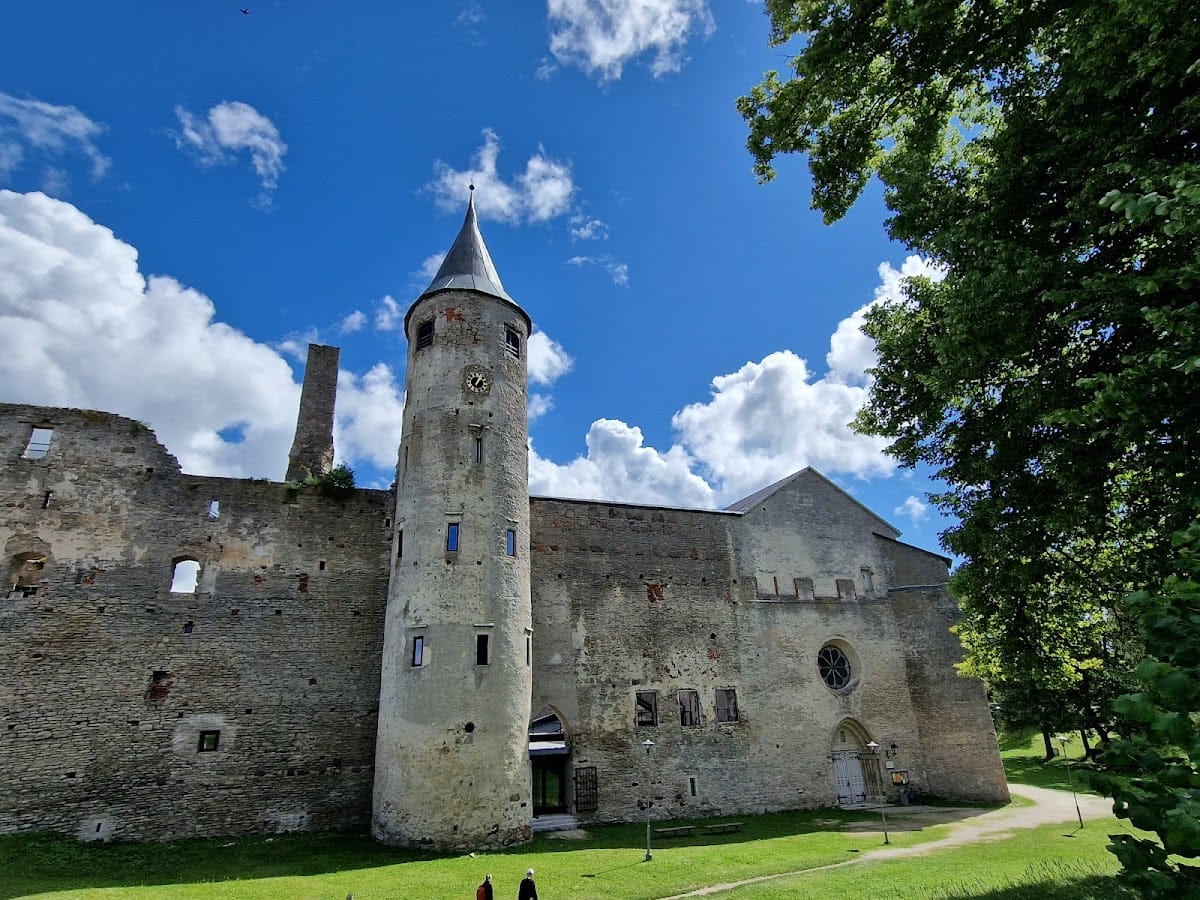
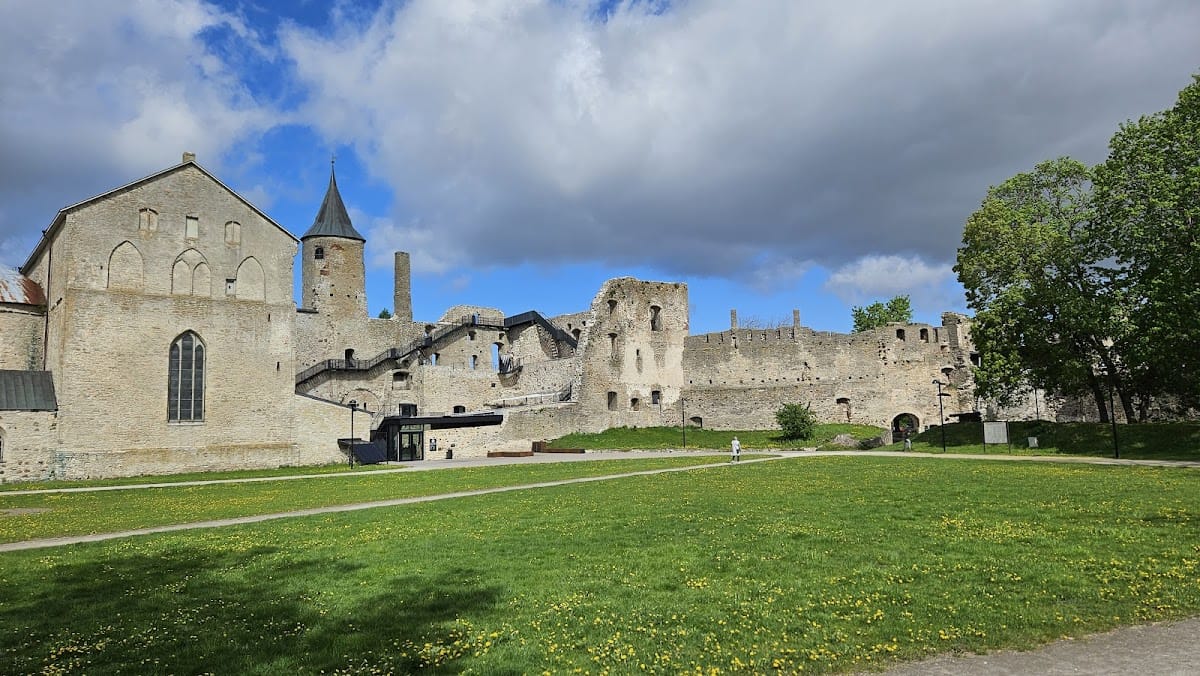
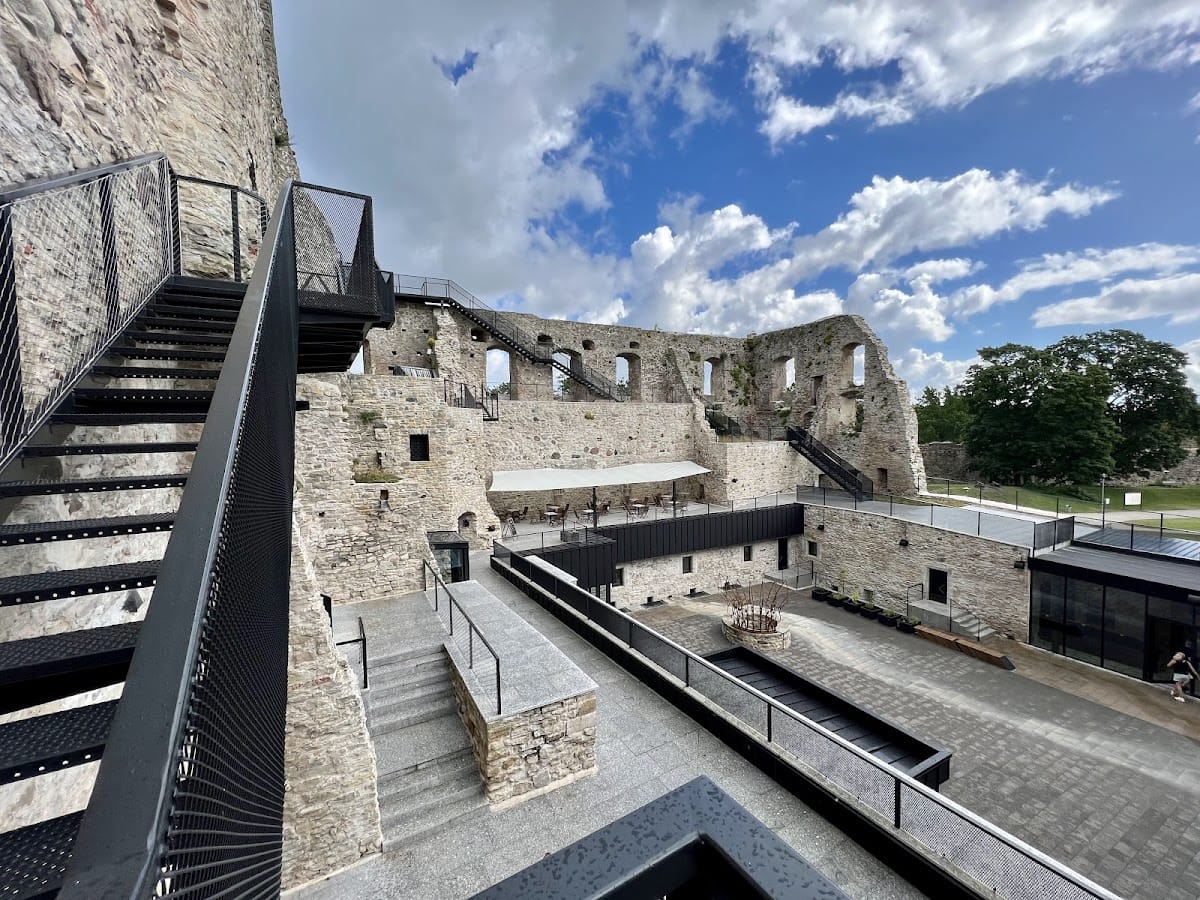
Haapsalu Castle occupies over 30,000 square meters and features walls constructed from substantial materials, typically ranging between 1.2 and 1.8 meters in thickness. Originally standing over 10 meters tall, the walls were increased to around 15 meters in height during later modifications. The western section holds a 29-meter-high watchtower dating from the early 13th century. This tower was later adapted for use as a bell tower, illustrating the changing functions of the castle’s structures.
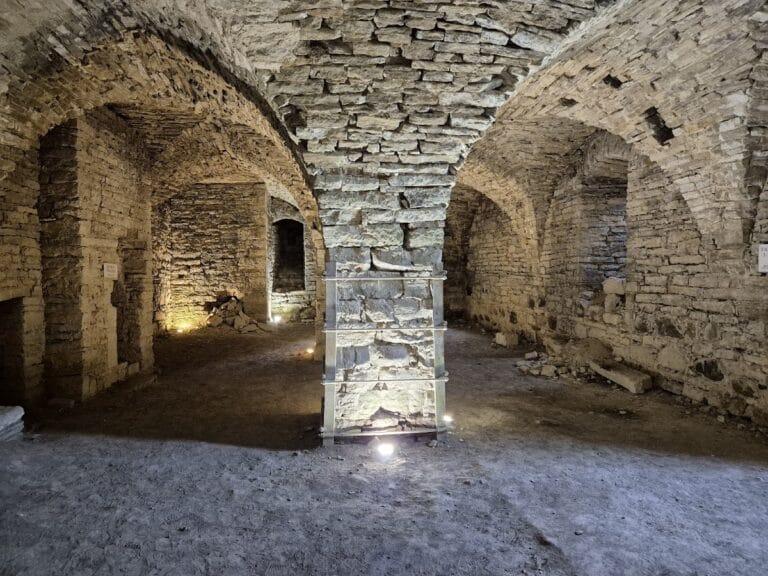
Defensive trenches and bomb shelters built inside the castle reflect the adaptations made for artillery warfare during the Livonian War period. The small castle walls and external fortifications suffered partial destruction at that time, indicating intense military activity around the site.
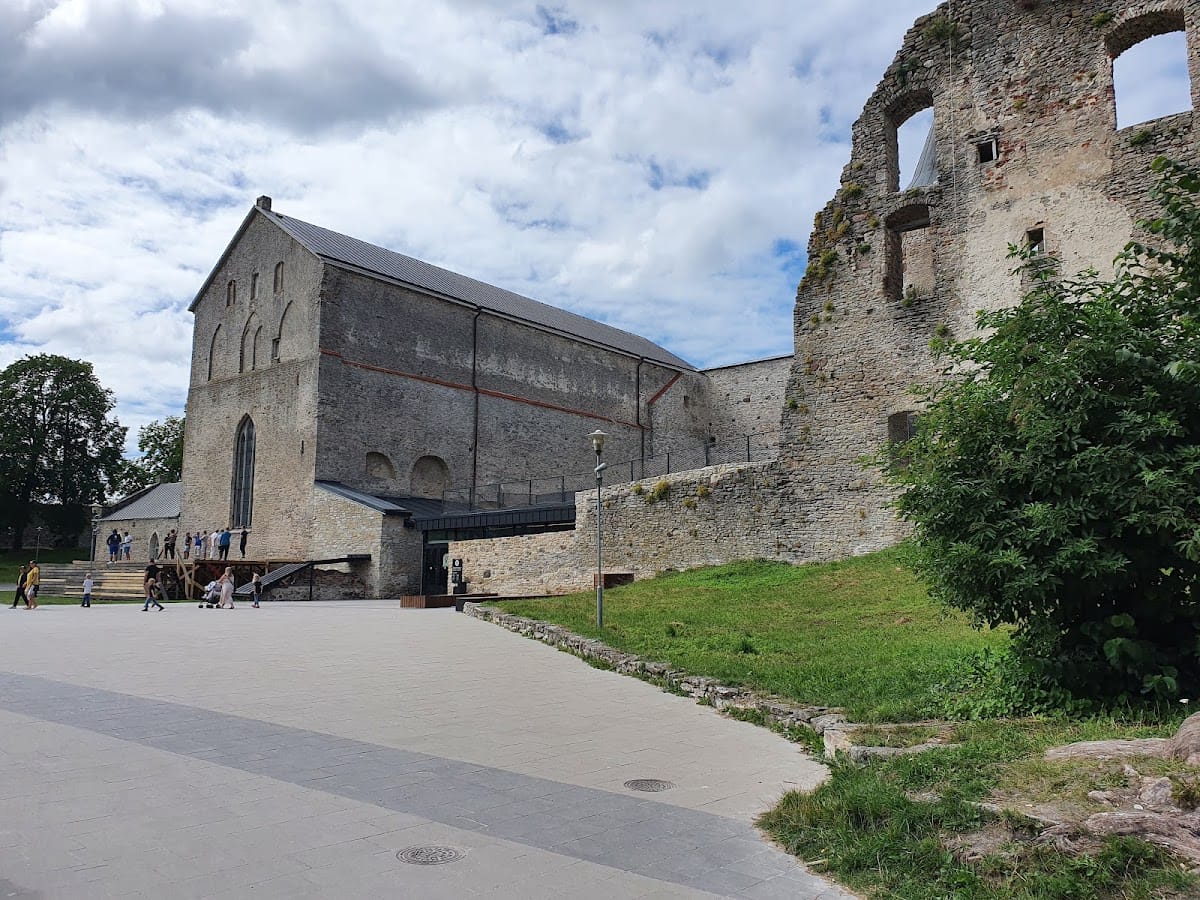
The cathedral of St. Nicholas, the largest single-nave church in the Baltic states, measures approximately 11.5 meters wide, 15.5 meters high, and covers an area of 425 square meters. It was constructed in a transitional architectural style bridging Romanesque and Gothic elements, noted for its vegetal ornamentation on pilaster capitals and its distinctive star-shaped vaults. The original Romanesque western portal featured a round arch with a wimperg—a decorative gable—housing a niche containing the figure of the patron saint. In the 15th century, expansions on the southern side added rooms, increased the height of the walls, and introduced a new gable without the earlier wimperg.
Inside the cathedral, painted decorations once adorned the walls, while the floor was composed of tombstones belonging to clergy and noble families, underscoring the site’s ecclesiastical importance. Attached to the cathedral is a unique round baptistery chapel with a vaulted cross ceiling, constructed in the latter half of the 14th century. This chapel is notable for being unparalleled in the Baltic region.
The baptistery’s eastern window is famous for the “White Lady” apparition. During the August full moon, moonlight projects the silhouette of this figure onto the southern inner wall of the chapel. This phenomenon can be seen both from the castle’s ramparts and from its base.
The cathedral’s copper roof endured two significant destructions—first by fire in 1688, then by a storm in 1726. Repairs were delayed for financial reasons. The 19th-century restoration included replacing the original Romanesque portal with a pseudo-Gothic stair portal, covering most surviving medieval wall paintings, and removing the interment stones that once paved the floor.
During Soviet rule, the cathedral remained closed and largely unused. It was briefly converted into grain storage and at one point considered for repurposing as a swimming pool. In 1992, the Mother’s Altar was added, featuring a statue of the Virgin and Child created by sculptor Hill Palm, commemorating Estonian mothers who lost their lives during Soviet oppression.