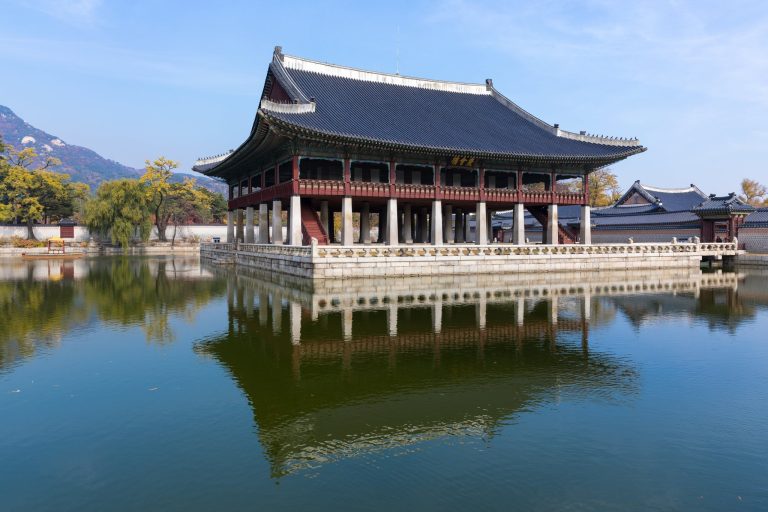
Gyeonghuigung: A Joseon Secondary Palace in Seoul
Site at a Glance
- Rating
- 4.4
- Popularity
- Medium
- Country
- South Korea
- Primary era
- Early Modern
- External website
- Open
- Eras represented
- Early Modern
- Civilizations
- Unclassified
- Site type
- Domestic
- Remains
- Palace
On this page14 sections
History
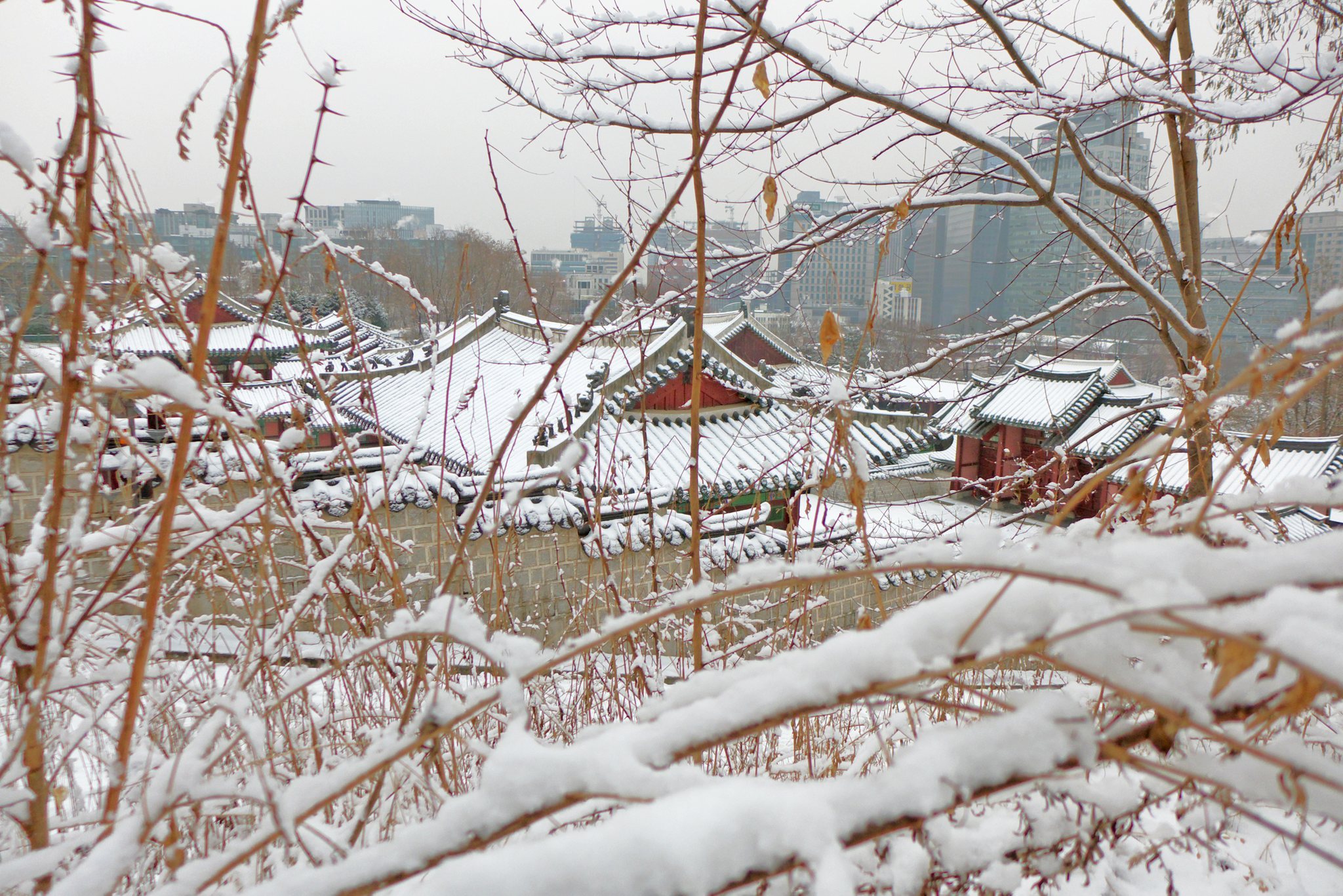
Gyeonghuigung is a Joseon royal palace in Seoul, South Korea, built by the Joseon dynasty in the early seventeenth century and completed in 1617. It was one of the Five Grand Palaces and served as a secondary palace, a royal residence used when the king moved away from the principal palace, especially during emergencies.
Foundation and royal use
Construction began during the reign of King Gwanghaegun on land that had originally contained the residence of Prince Jeongwon, the father of King Injo. The palace was first called Gyeongdeokgung, but its name was later changed because it resembled Prince Jeongwon’s posthumous name.
During the later Joseon period, the palace provided the court with an alternative royal residence. Because it stood west of Seoul, it was also known as Seogwol, meaning “Western Palace.” Approximately ten Joseon kings, from King Injo to King Cheoljong, stayed at Gyeonghuigung.
Damage, dismantling, and reconstruction
A fire during the reign of King Sunjo damaged the palace, which was subsequently rebuilt. Later, Heungseon Daewongun, the father and regent of King Gojong, dismantled a large part of Gyeonghuigung for construction materials used in rebuilding Gyeongbokgung, another major Joseon royal palace.
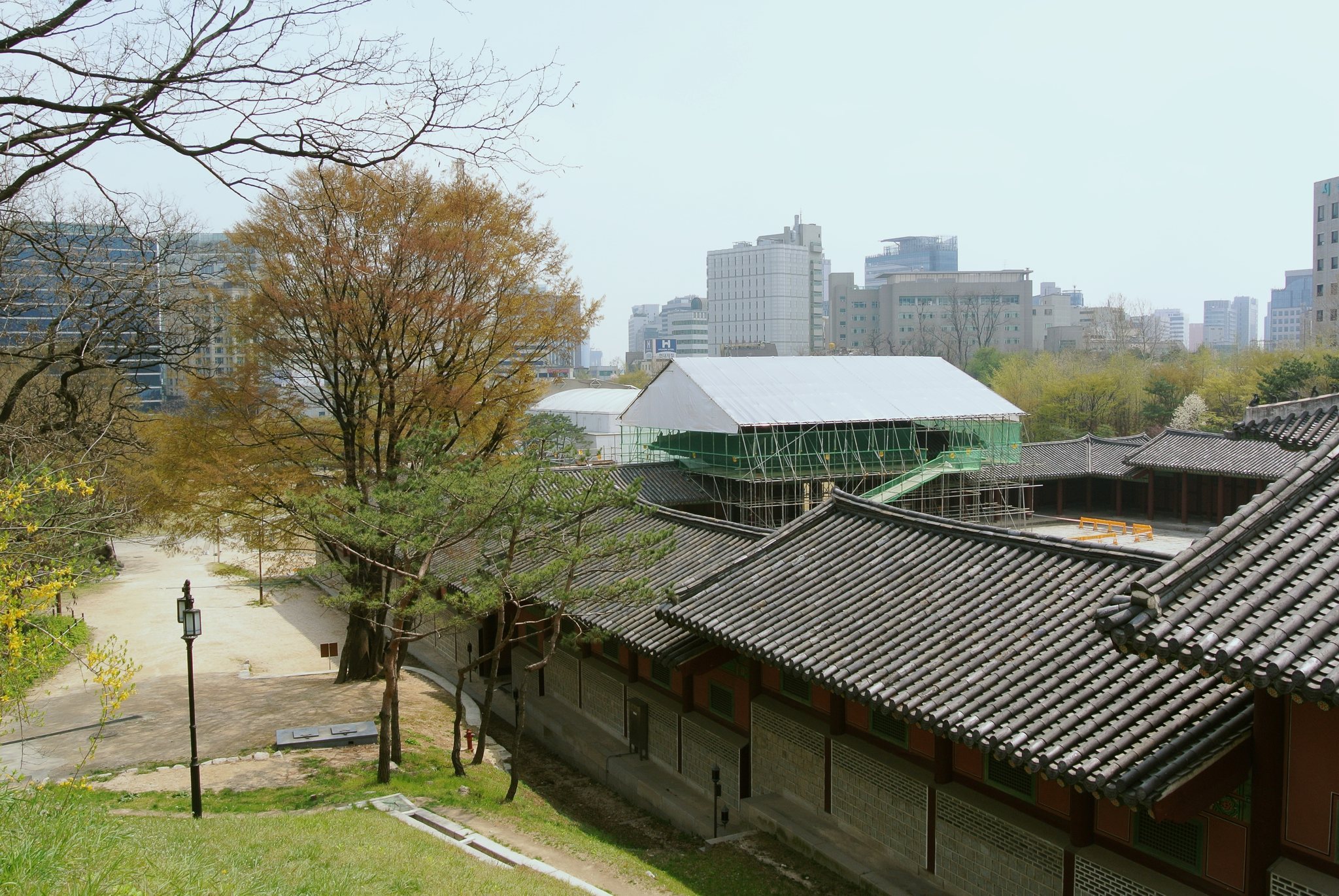
During the Japanese occupation of Korea, the remaining palace structures were dismantled and a school for Japanese residents was established on the site. The school later became Seoul High School, and most of the former palace was lost. Reconstruction began after the school left in 1980 as part of a South Korean government initiative to restore the Five Grand Palaces. Major work followed in the 1990s, although urban development and decades of neglect restricted the extent of the restoration.
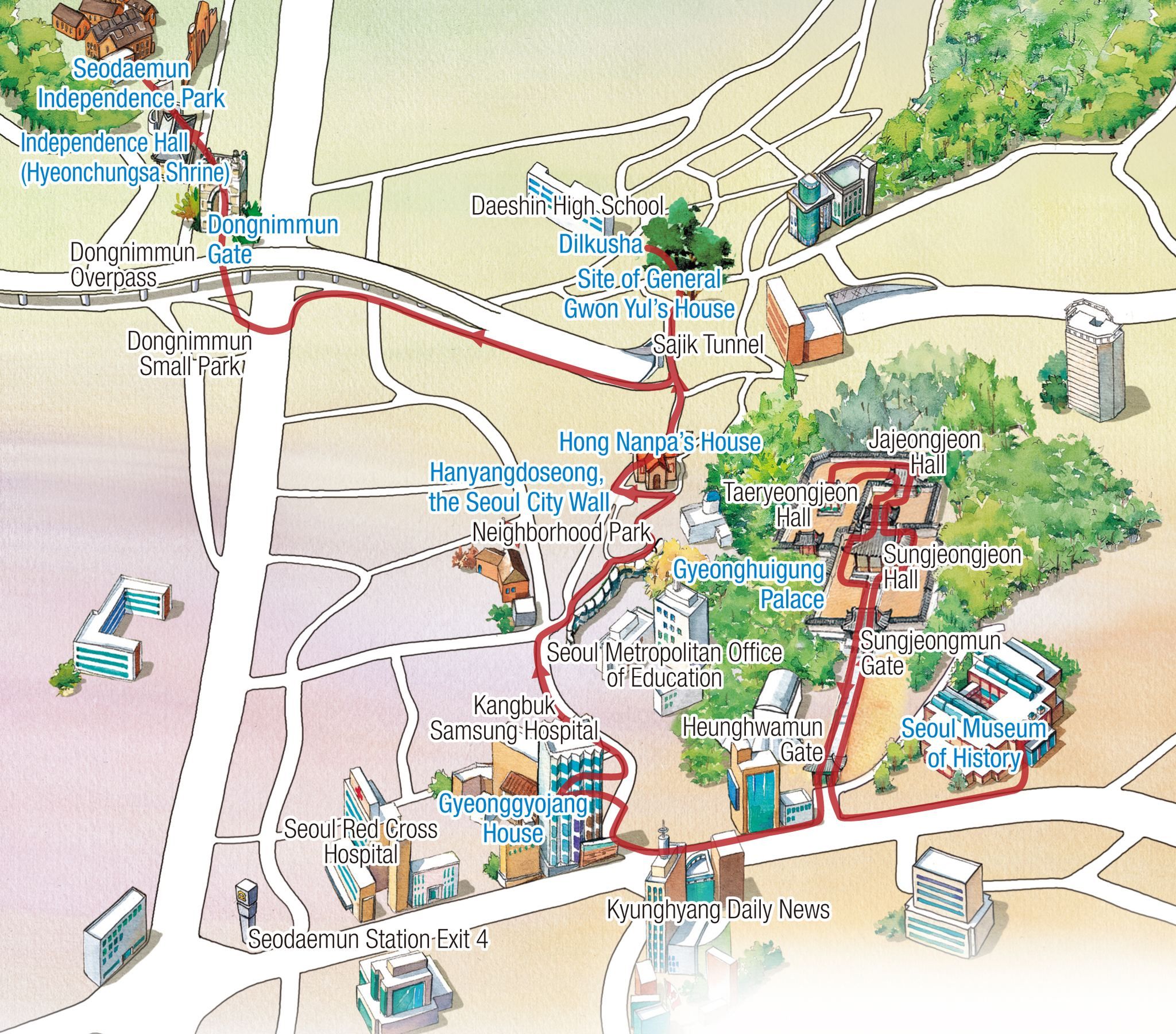
Gyeonghuigung is designated as Historic Site No. 271. The grounds now also contain the Seoul Museum of History and an annex of the Seoul Museum of Art.
Remains
Layout and surviving structures
At its greatest extent, Gyeonghuigung contained approximately 100 large and small buildings. Its arrangement followed the irregular terrain created by the surrounding mountain ranges. The reconstructed complex represents approximately 33 percent of the former palace and includes restored halls, gates, and bridges associated with its royal layout.
Royal halls
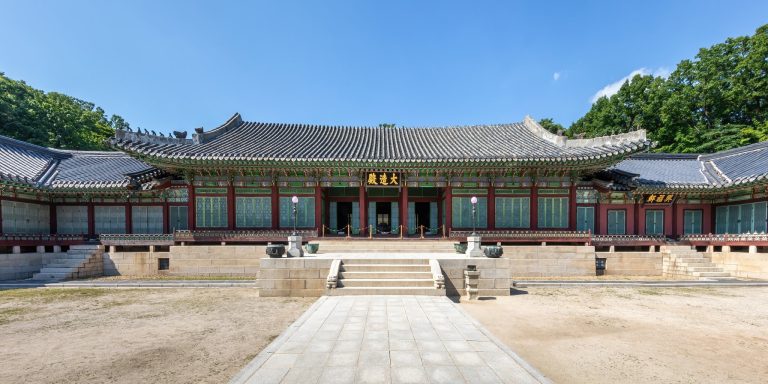
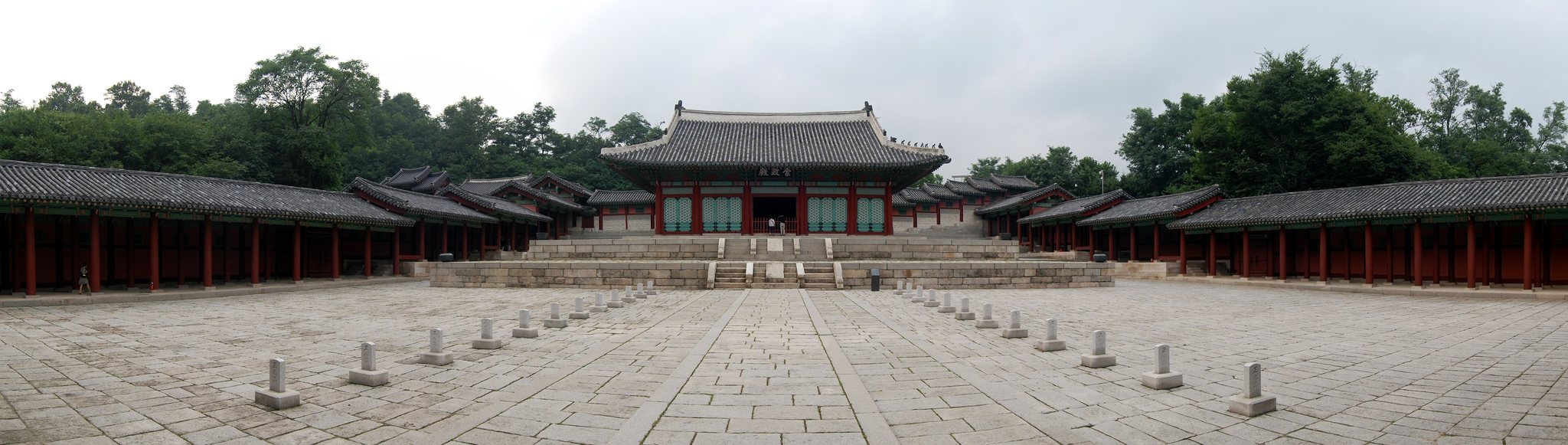
Sungjeongjeon
Sungjeongjeon was the principal throne hall and one of the palace buildings used for royal audiences. Built in 1616, it was moved to Dongguk University in 1926 and repurposed as a Buddhist temple during the Japanese colonial period. It later returned to the palace site and was renovated between 1988 and 1994. The hall is regarded as an example of mid-Joseon architecture.
Jajeongjeon
Jajeongjeon was another hall used for royal audiences. Its restoration was based on Seogwoldoan, a pictorial representation of Gyeonghuigung used as a reference for reconstructing several palace halls.
Yungbokjeon and Hoesangjeon
Yungbokjeon and Hoesangjeon were palace buildings used for sleeping. Their functions formed part of the residential arrangements within the royal complex.
Taenyeongjeon
Taenyeongjeon was restored using Seogwoldoan as a reference, preserving the form of a palace hall represented in the historical image.
Gates and bridges
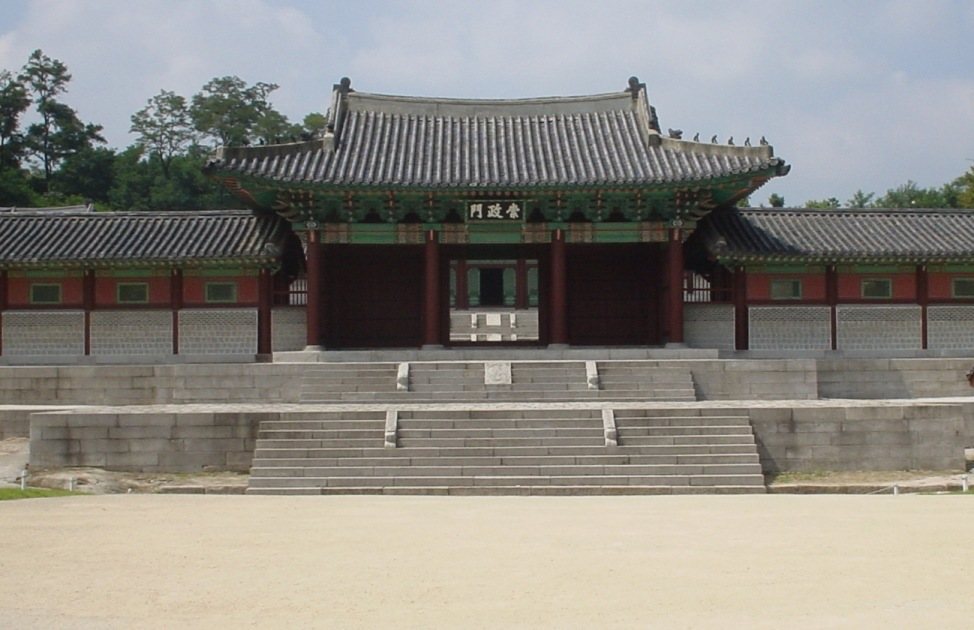
Heunghwamun
Heunghwamun is the main entrance gate of Gyeonghuigung and was built in 1616. After the palace was dismantled, the gate was moved to serve as the entrance to Bakmunsa Temple. It later became the main entrance to the Hotel Shilla in Jangchung-dong before being restored for its original palace function.
Geuncheongyo
Geuncheongyo is a bridge on the route leading through Heunghwamun. Built in 1619, it was buried under soil during the Japanese colonial period and restored in 2001.
Honggyo
Gyeonghuigung formerly included Honggyo, an arched bridge that connected the palace with Deoksugung.