Glarisegg Château with Gardens and Pavilion: A Historic Estate and School in Switzerland
Site at a Glance
- Popularity
- Medium
- Country
- Switzerland
- Primary era
- Early Modern
- Eras represented
- Early Modern
- Civilizations
- Holy Roman Empire, Swiss
- Site type
- Domestic
- Remains
- Castle
On this page5 sections
History
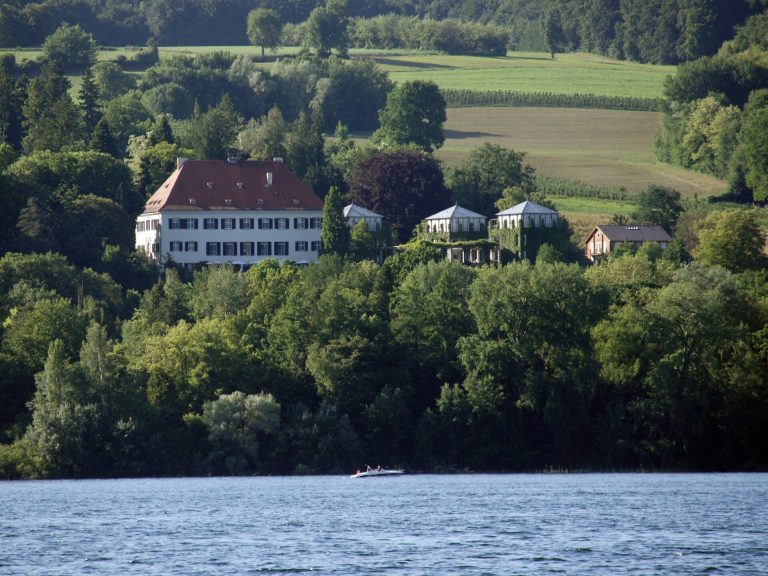
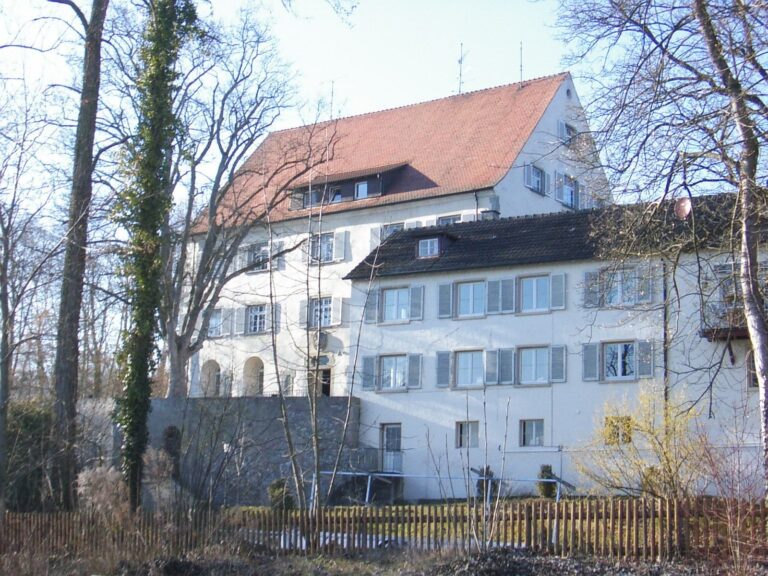
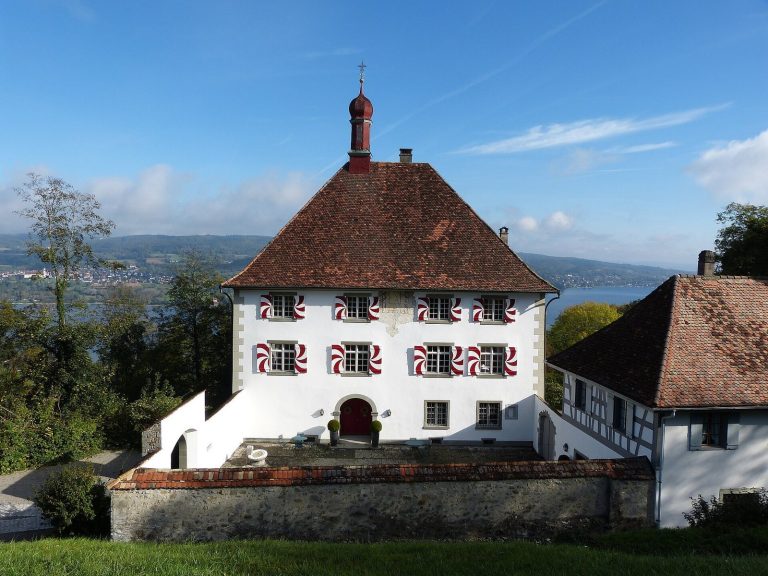
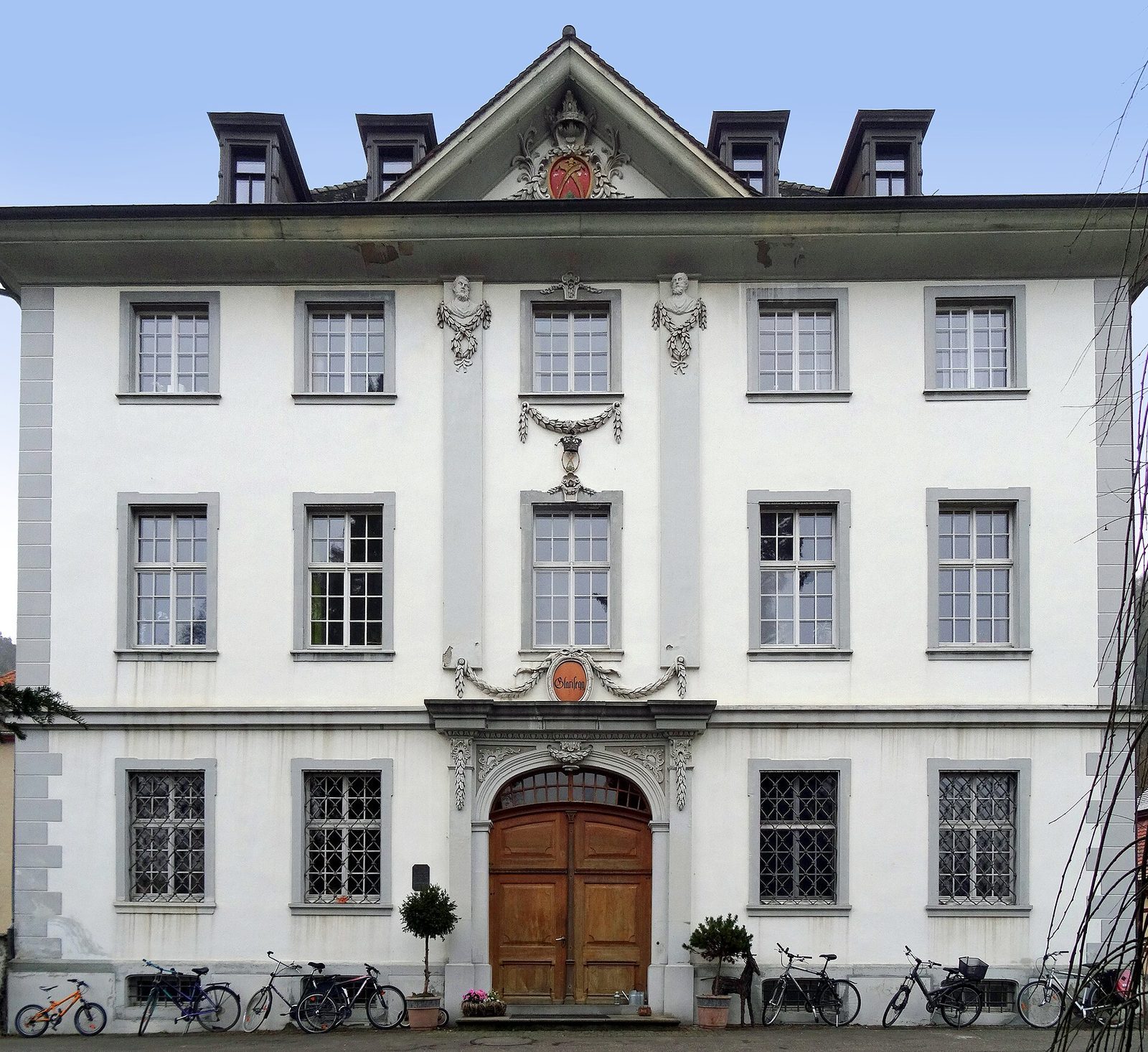
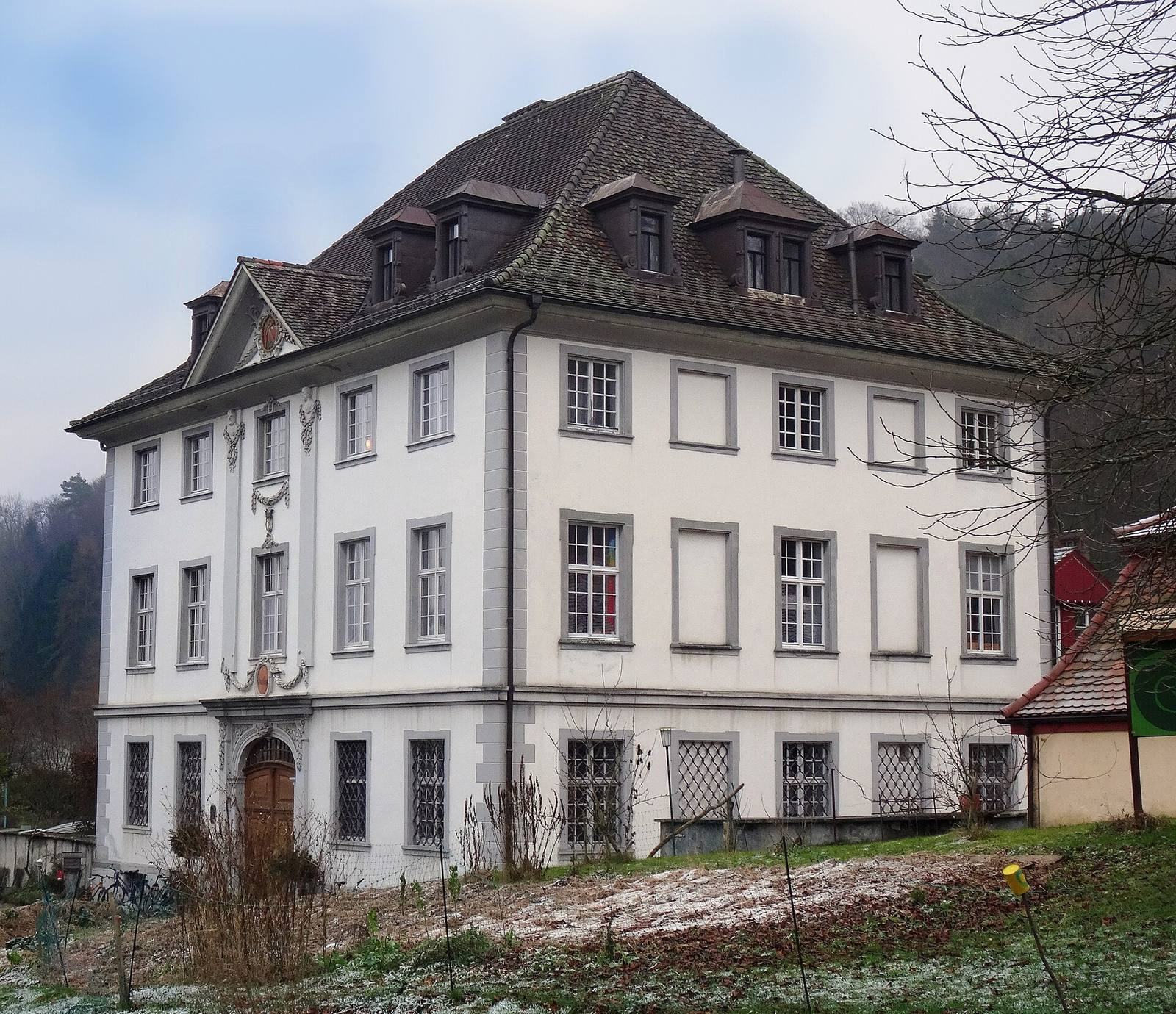
Glarisegg Château with Gardens and Pavilion is an estate between Steckborn and Mammern in the canton of Thurgau, Switzerland. Banker Daniel Labhart commissioned its present château in 1774–1775, using plans by Franz Anton Bagnato.
From early estate to château
At the end of the sixteenth century, Heinrich von Gündelhart built Glarisegg’s first representative building. Labhart, who had made his fortune in Paris, commissioned the present château almost two centuries later and died soon after its completion.
Christoph Kaufmann of Winterthur bought the property in 1779. That year, Johann Wolfgang von Goethe visited while Kaufmann was away. In 1783, Glarisegg received Freisitz status, a privileged estate status with special legal rights or exemptions, which it retained until 1798.
Changing owners and educational use
Count Hermann von Elking of Rudolstadt lived at the château from 1806 to 1843. The Prince of Schaumburg-Lippe owned it from 1843 to 1891.
Reform educators Werner Zuberbühler and Wilhelm Frei acquired Glarisegg in 1901. In spring 1902, they opened Switzerland’s first rural reform boarding school there, a progressive school offering residential education in a rural setting. It closed in 1980. A Waldorf school, following an educational approach associated with Rudolf Steiner, occupied the château from 1987 to 2001.
A collective project
The Schloss Glarisegg project acquired the property in 2003 to create a collectively run meeting place for artistic, therapeutic, and craft activities. Its aims include developing a new culture, supporting individual development, and sharing responsibility. Communal life includes shared daily activities and artistic work, as well as communication intended to address conflicts and exchange personal experiences.
The community began growing again in 2010, with families among those who joined. A permaculture project, based on designing sustainable systems including in agriculture and land use, began in 2012 and offers courses. A forest kindergarten and the private Läbesschuel school opened in 2016; the school offers children a holistic form of learning. The community belongs to GEN Europe, the European regional network of the Global Ecovillage Network. Glarisegg is also included in the Inventory of Swiss Heritage Sites, Switzerland’s federal inventory of settlements considered worthy of protection.
Remains
The château’s main portal bears a verse Goethe wrote in 1779. It compares the speaker’s roguish life to that of God’s tracking dog, then describes God’s trail as ended, with only the dog remaining.