Fort Altafiumara: A Bourbon Fortress on the Strait of Messina


Site at a Glance
- Rating
- 4.5
- Popularity
- Very Low
- Country
- Italy
- Primary era
- Early Modern
- Eras represented
- Early Modern
- Civilizations
- Kingdom of Naples
- Site type
- Military
- Remains
- Fort
On this page4 sections
History
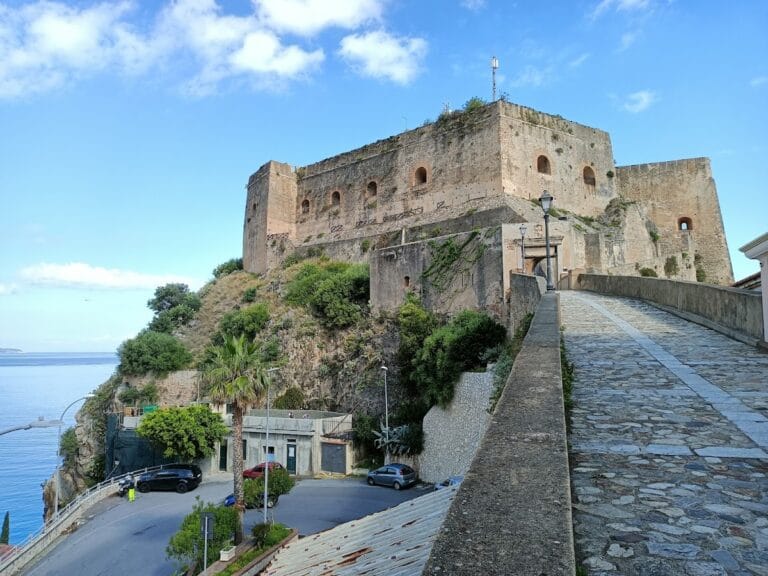
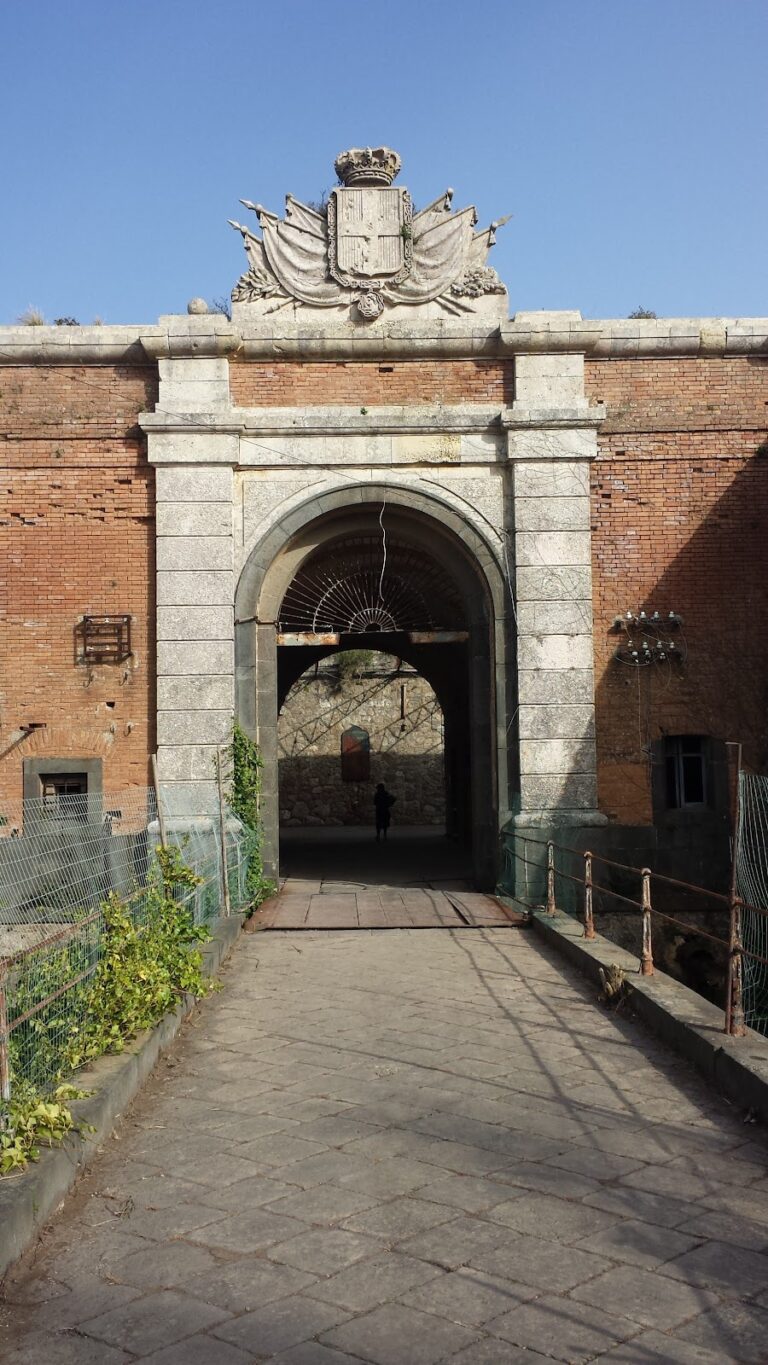
Fort Altafiumara is a Bourbon fortress in Villa San Giovanni, Italy, built during the first half of the eighteenth century as part of the coastal defences on the Reggio Calabria side of the Strait of Messina. The most credible evidence places its original construction at Capo del Fortino in 1734. Also called the Castle of Altafiumara and formerly known as Fort Santa Trada, it was intended to defend against attacks from the sea. Together with Torre Cavallo, it controlled a strategically important position on the strait.
Bourbon defence and restoration
The Bourbons, the dynasty that ruled Naples and Sicily and later the Kingdom of the Two Sicilies, incorporated Calabria into their southern Italian realm. Fort Altafiumara formed part of their defensive system until it was damaged by the earthquake of 1783. In 1811, Joachim Murat, the French military commander who was then King of Naples, ordered the fort’s restoration.
Garibaldi and the end of military use
Fighting took place at the fort in 1860 between Bourbon troops and the forces of Giuseppe Garibaldi, the Italian revolutionary and military commander associated with the unification of Italy. Garibaldi’s troops landed at the mouth of the Santa Trada stream and subsequently took control of the fortress.
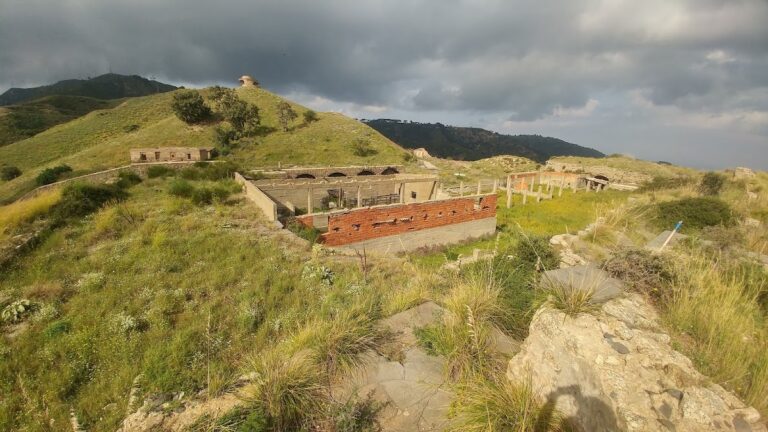
After its military function ended, the complex fell into ruin. A private company later acquired the remains and rebuilt them for tourist use. The former fort is now operated as a luxury hotel.
Remains
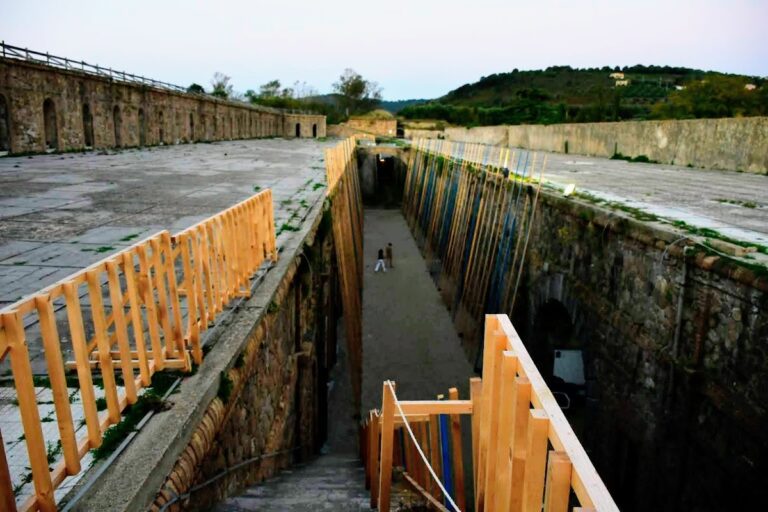
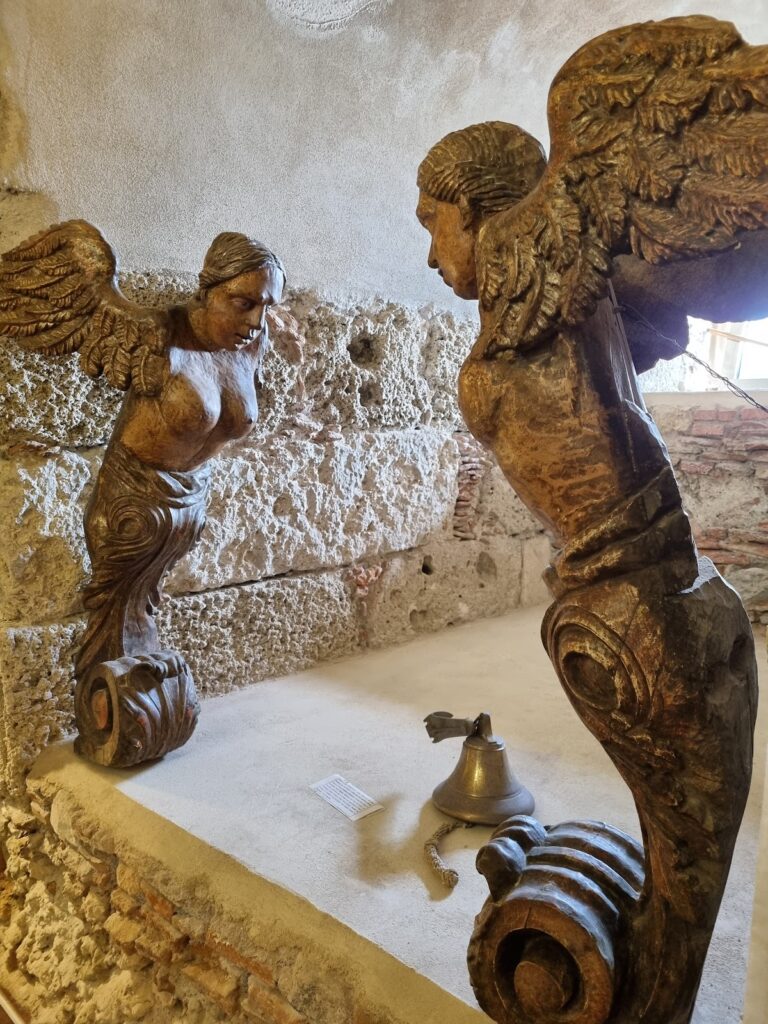
Fort Altafiumara stands on a steep coastal cliff overlooking the Strait of Messina, near Cannitello, a hamlet of Villa San Giovanni in Calabria. The surviving complex has been carefully restored and converted into an elegant hotel building, preserving the site in a rebuilt form after its period of ruin.
Nearby sites