Forte de São Sebastião: A Portuguese Bastion Fort in Castro Marim


Site at a Glance
- Rating
- 4.2
- Popularity
- Low
- Country
- Portugal
- Primary era
- Early Modern
- External website
- Open
- Eras represented
- Early Modern, Modern
- Civilizations
- Portuguese
- Site type
- Military
- Remains
- Fort
On this page8 sections
History
Forte de São Sebastião is a Portuguese bastion fort in Castro Marim, Portugal, begun in April 1641 during the reign of King John IV. Its construction formed part of the seventeenth-century modernization of the town’s defenses during the Portuguese Restoration War, the conflict that followed Portugal’s restoration of independence from the Iberian Union.
Construction during the Restoration War
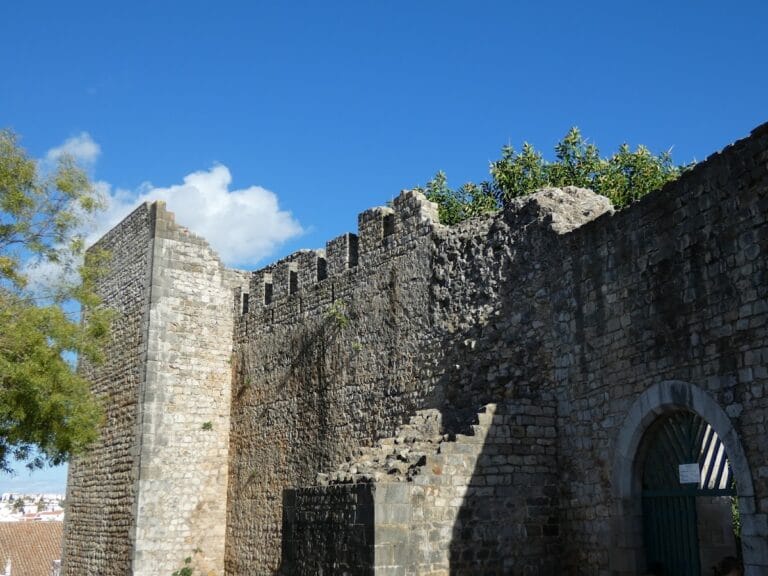
The fort was intended to strengthen this strategic section of the border and improve the protection already provided by Castro Marim’s medieval castle. It was completed in 1658, helping transform Castro Marim into the Algarve’s principal stronghold of the period. The new fort occupied the site of an earlier chapel or hermitage dedicated to Saint Sebastian, which was demolished during the fortification works.
Expansion of the defensive system
Later in the seventeenth century, new walls connected Forte de São Sebastião with the town and the medieval castle. The wider defenses also included the Santo António ravelin, a detached outer work placed in front of a fortification, to the east of the town. Together, these additions integrated the new fort into a larger system around Castro Marim.
Later military use and protection
Between 1819 and 1829, underground magazines and casemates, protected chambers used for weapons or military storage, were constructed within the fort. They accommodated the 4th Battalion of Caçadores, a Portuguese light infantry unit. The São Sebastião and Santo António gates, together with the walls into which they were built, were demolished in 1877.
Forte de São Sebastião is regarded as the best-preserved example of the extensive mid-seventeenth-century renovation of Castro Marim’s defensive system. It has been classified as a National Monument since 2012 and is owned by the Portuguese Republic.
Remains
Polygonal bastion plan
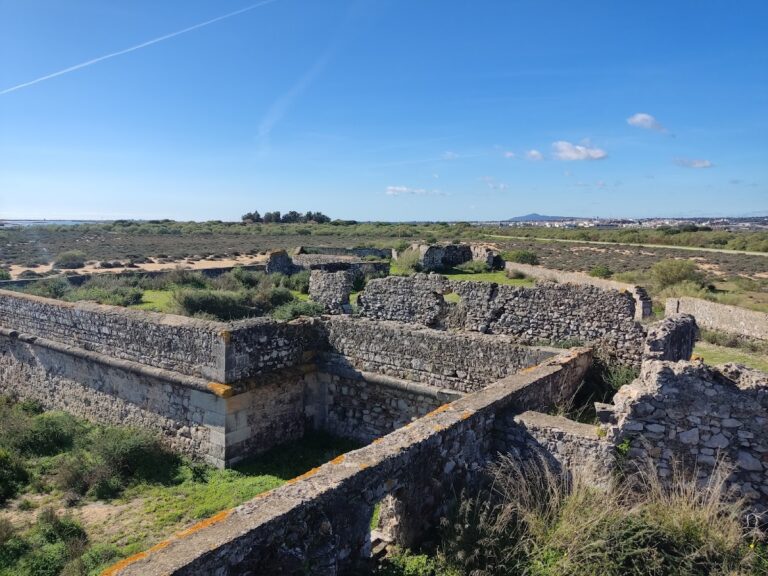
The fort stands in the village, parish, and municipality of Castro Marim, south of Monte do Castelo in the Serra do Cabeço. Its organic polygonal plan adapts the fortification to the terrain. A bastion fort uses projecting angular works to enable defensive fire along its walls, and Forte de São Sebastião has five bastions. The identified bastions include S. Sebastião, Baluarte Cheio, Baluarte das Lezírias, and Baluarte da Bandeira. The fort is in good condition.
Entrance and connection with the castle
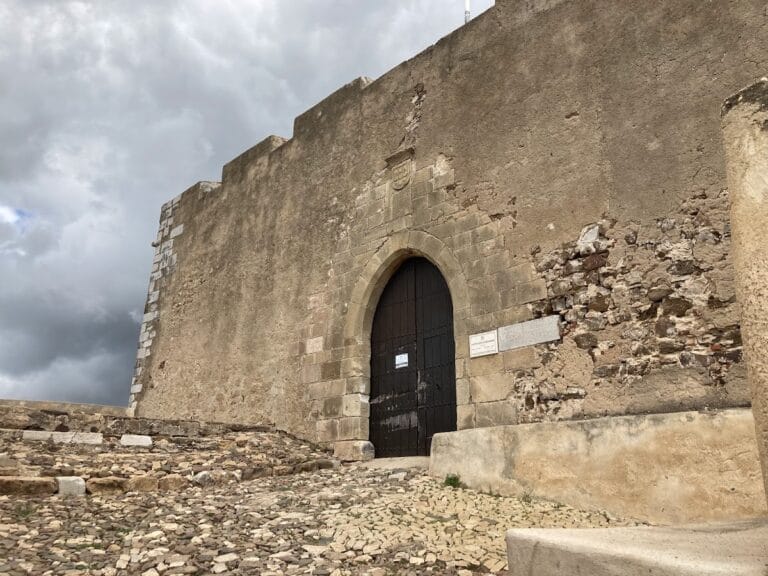
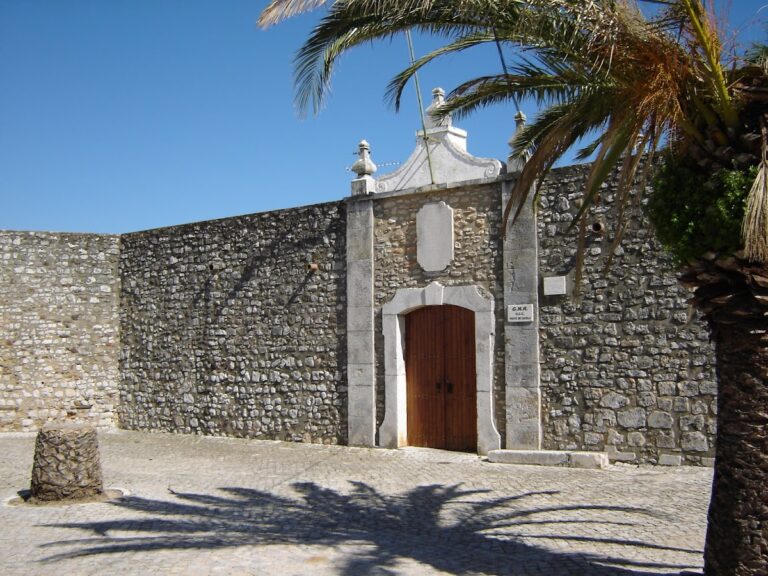
The main gate faces north toward the town. A section of wall and a covered entrance connect it with the old castle, while the fort’s layout incorporates its bastion system into the older walled enclosure of Castro Marim. The architectural account characterizes this integrated defensive arrangement as eighteenth-century.
Underground military spaces
The underground magazines and casemates built between 1819 and 1829 form part of the fort’s surviving military fabric. Their construction added protected chambers for weapons or storage and provided accommodation connected with the 4th Battalion of Caçadores.
Nearby sites