Torreón Picarte: A Historic Defensive Tower in Valdivia, Chile
Site at a Glance
- Rating
- 4.5
- Popularity
- Medium
- Country
- Chile
- Primary era
- Early Modern
- External website
- Open
- Eras represented
- Early Modern
- Civilizations
- Spanish
- Site type
- Military
- Remains
- Tower
On this page6 sections
History
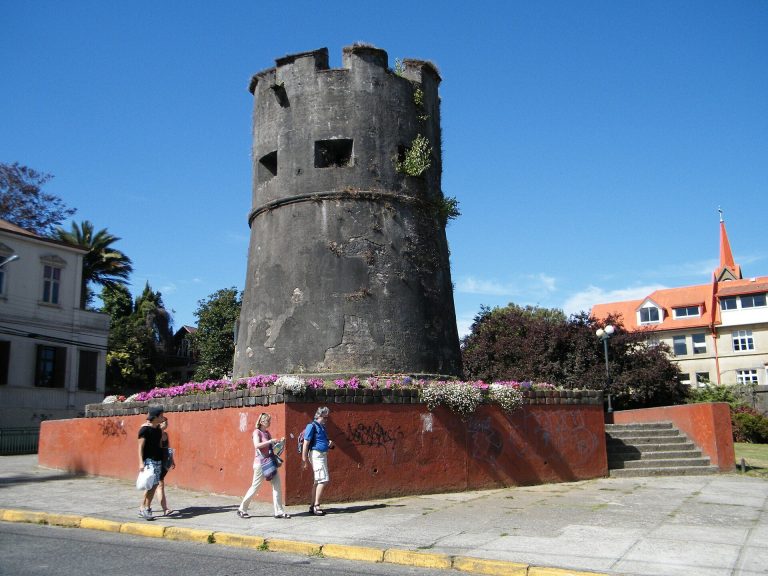
Torreón Picarte, also known as Torreón del Barro, is a historic defensive tower in Valdivia, Chile, designed by the engineer and military officer Juan Garland in 1768 and built in 1774. It formed part of the Spanish fortification network created to protect Valdivia, a strategically important southern Pacific enclave of the Viceroyalty of Peru, the Spanish colonial government that administered much of South America.
Spanish Rebuilding and Defensive Planning
Valdivia was destroyed in 1599 after the Battle of Curalaba and repopulated by the Spanish from 1645. The city was progressively re-established at its original site by 1684. Its position encouraged the development of defensive works against possible attacks by Indigenous populations. Garland, who had trained in Barcelona and served the Spanish Crown, designed Torreón Picarte together with Torreón Los Canelos as part of this wider defensive plan.
Built under Governor Joaquín de Espinoza y Dávalos, Torreón Picarte guarded the northern approach to Valdivia, where an attack could come by land or river. Torreón Los Canelos watched the maritime approach. In 1781, Antonio Duce Oliveros incorporated the tower into Valdivia’s defensive system as war with England approached. A ditch was also constructed around the city, raising it above the water level.
Changing Uses and Later Protection
On 15 February 1785, the tower served as a prison for Tomás de Figueroa after the governor accused him of arson. It was later used for several purposes, including storage, granaries, and keeping gunpowder. Some historians have also suggested that it served as a dungeon during certain periods. Construction may have involved people banished to Valdivia after criminal convictions. Historian Ricardo Molina proposed that these forced laborers came from different parts of the Kingdom of Chile, especially areas north of Concepción, although conclusive records do not establish this.
Torreón Picarte has been protected as a Historic Monument of Chile since 1926 under Supreme Decree 744 of 24 March. A Historic Monument is a formal Chilean heritage designation for places considered part of the country’s historical and cultural patrimony. Supreme Decree 3512 of 31 July 1928 also records this status for the Picarte and Los Canelos towers. In recent years, both structures were reinforced and restored to counter deterioration caused by Valdivia’s climatic conditions. Their construction technique helped them withstand major natural events, including the 1960 earthquake.
The tower also became a symbol of Club Deportes Valdivia, whose team is known as “El Torreón.” Karen Narváez based the club’s emblem on the monument to represent perseverance, unity, struggle, and the endurance of the Valdivian community.
Remains
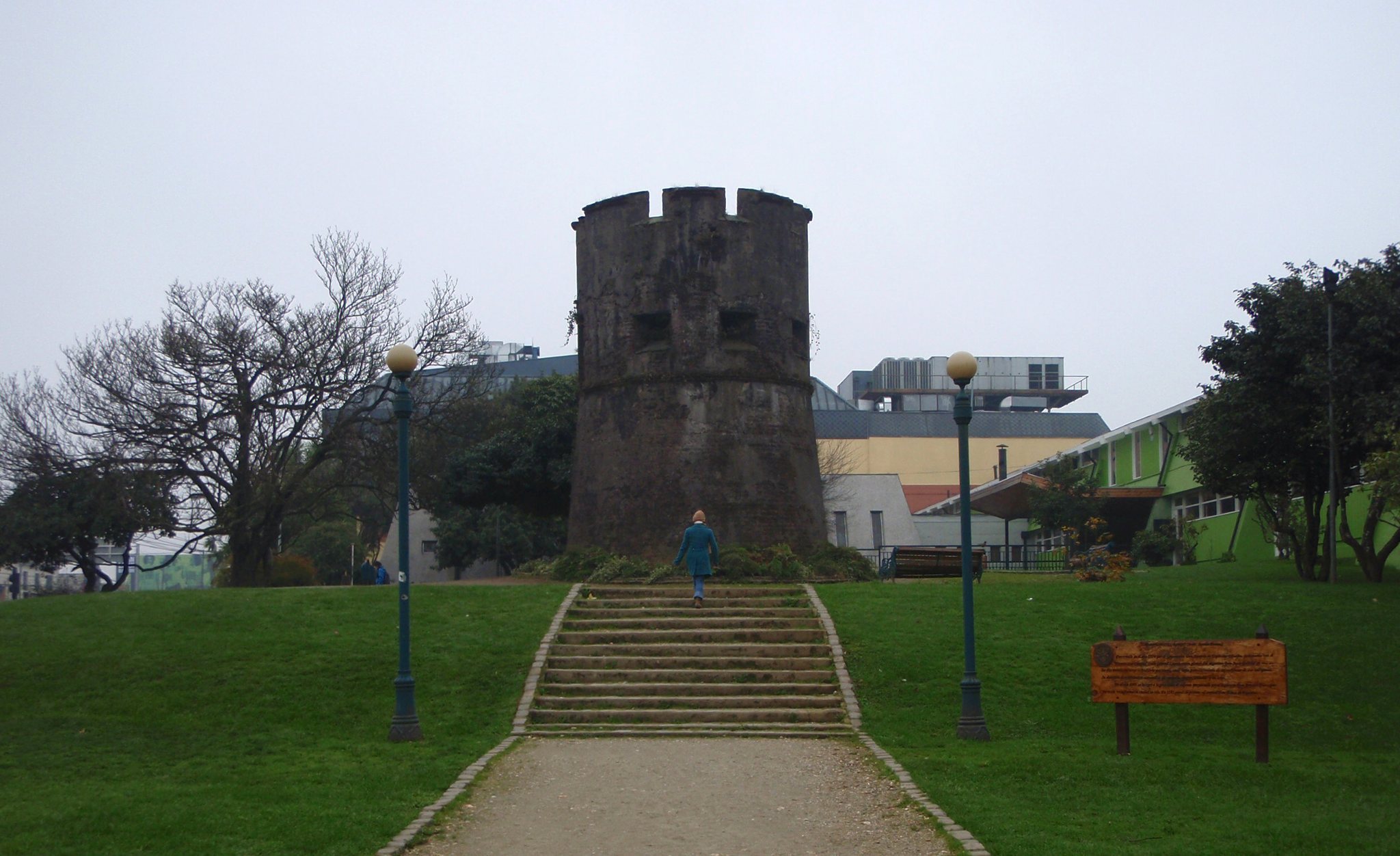
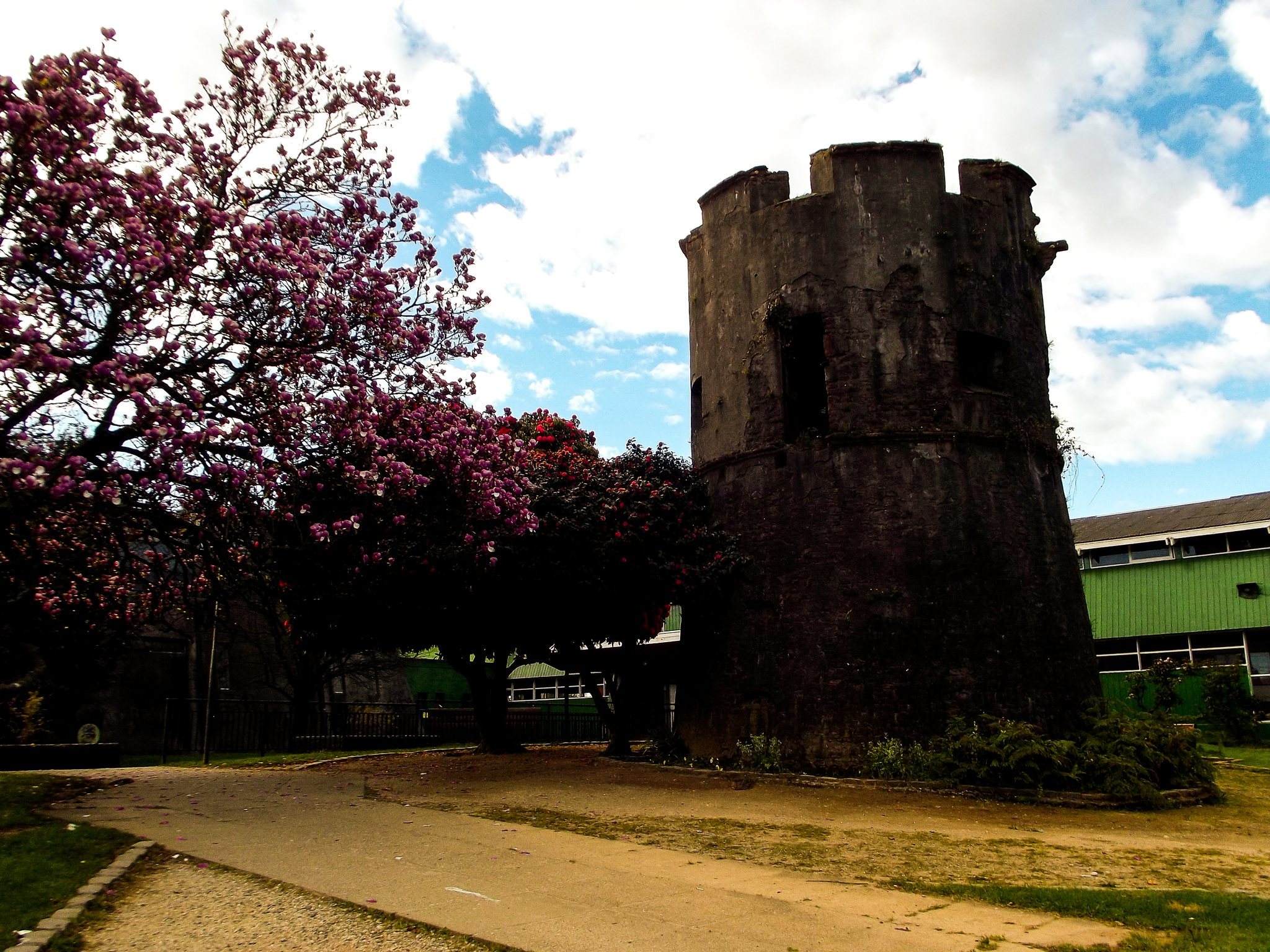
Torreón Picarte stands at Ramón Picarte 1244, near one of Valdivia’s former city entrances on the road to Los Llanos, at the junction of Picarte Street and the Calle-Calle bridge. It is one of two surviving standing towers from Valdivia’s former fortification system, the other being Torreón Los Canelos.
Defensive Structure
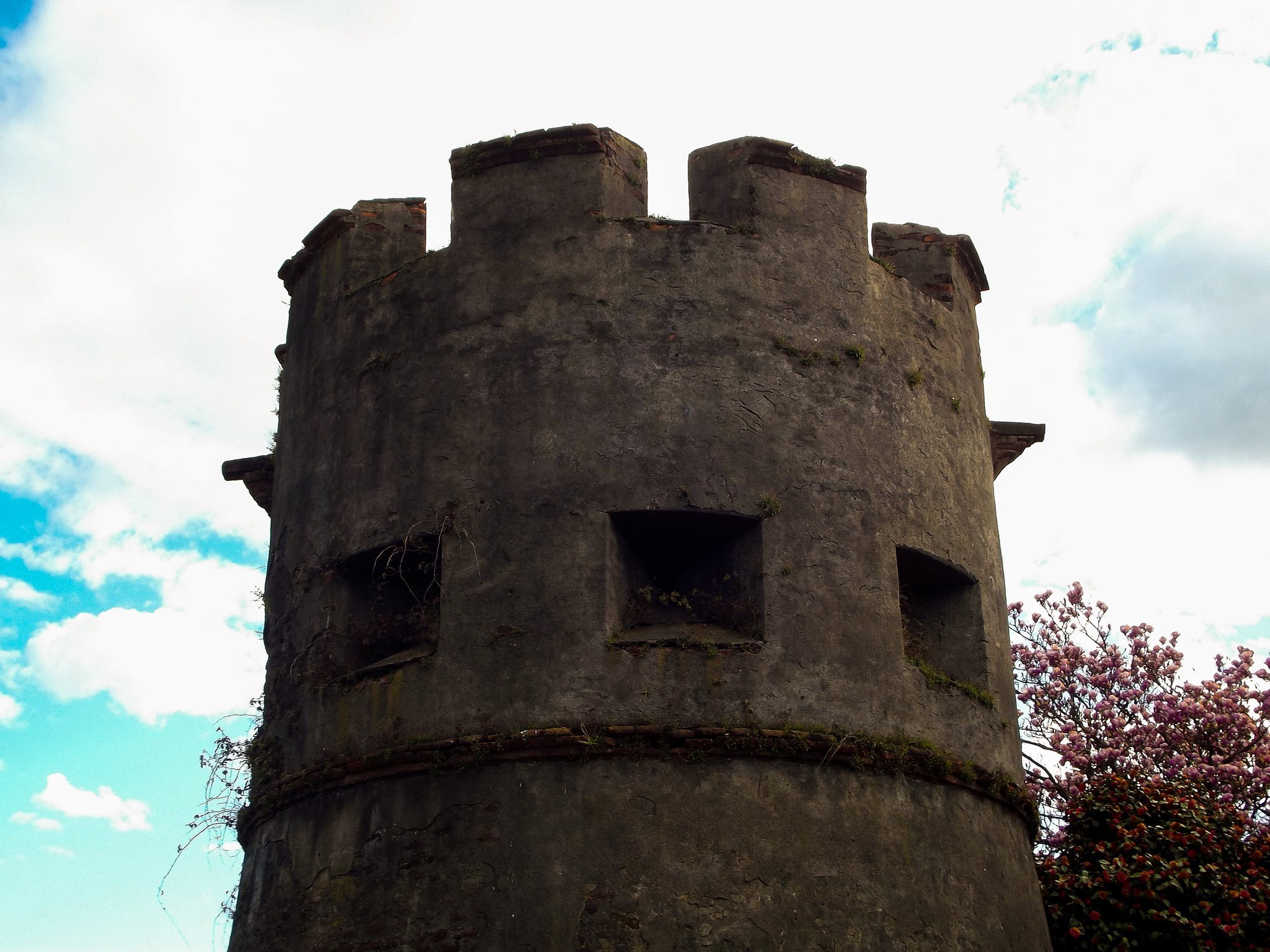
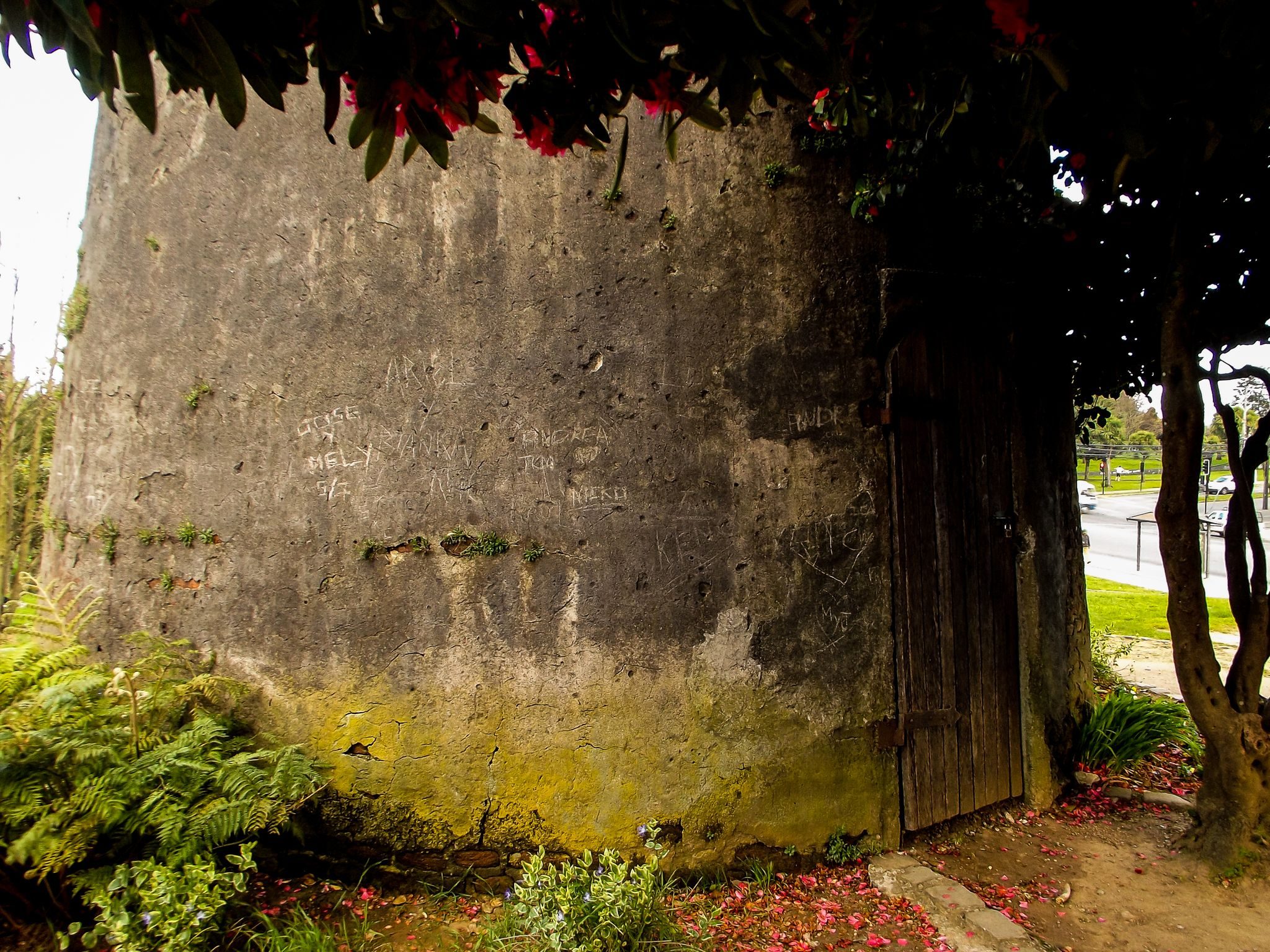
The tower is a defensive and support structure built on solid ground with a robust mixture of fired, reinforced clay. Its walls are approximately 60 centimetres thick at the base and 30 centimetres at the top. External stairways provided access. The structure accommodated storage spaces, granaries, a prison, and a gunpowder store, reflecting the varied military and logistical uses it acquired over time.
Surviving Fortification
Reinforcement and restoration addressed deterioration caused by local climatic conditions while preserving the standing tower. Its construction helped it survive for centuries, including the 1960 earthquake, and it remains physically associated with the former northern approach to Valdivia.