San Pedro de Alcántara Castle: A Spanish Fortification in Chile
Site at a Glance
- Popularity
- Medium
- Country
- Chile
- Primary era
- Early Modern
- Eras represented
- Early Modern
- Civilizations
- Spanish
- Site type
- Military
- Remains
- Castle
On this page5 sections
History
Spanish crisis and resettlement
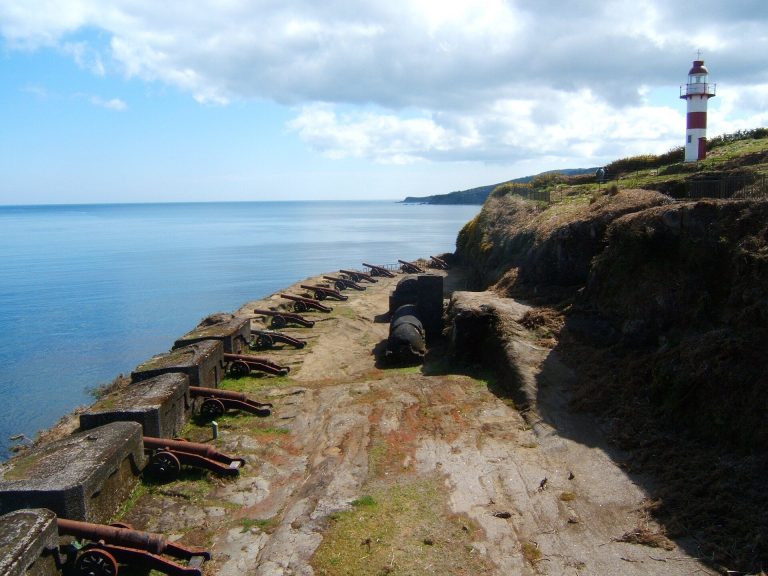
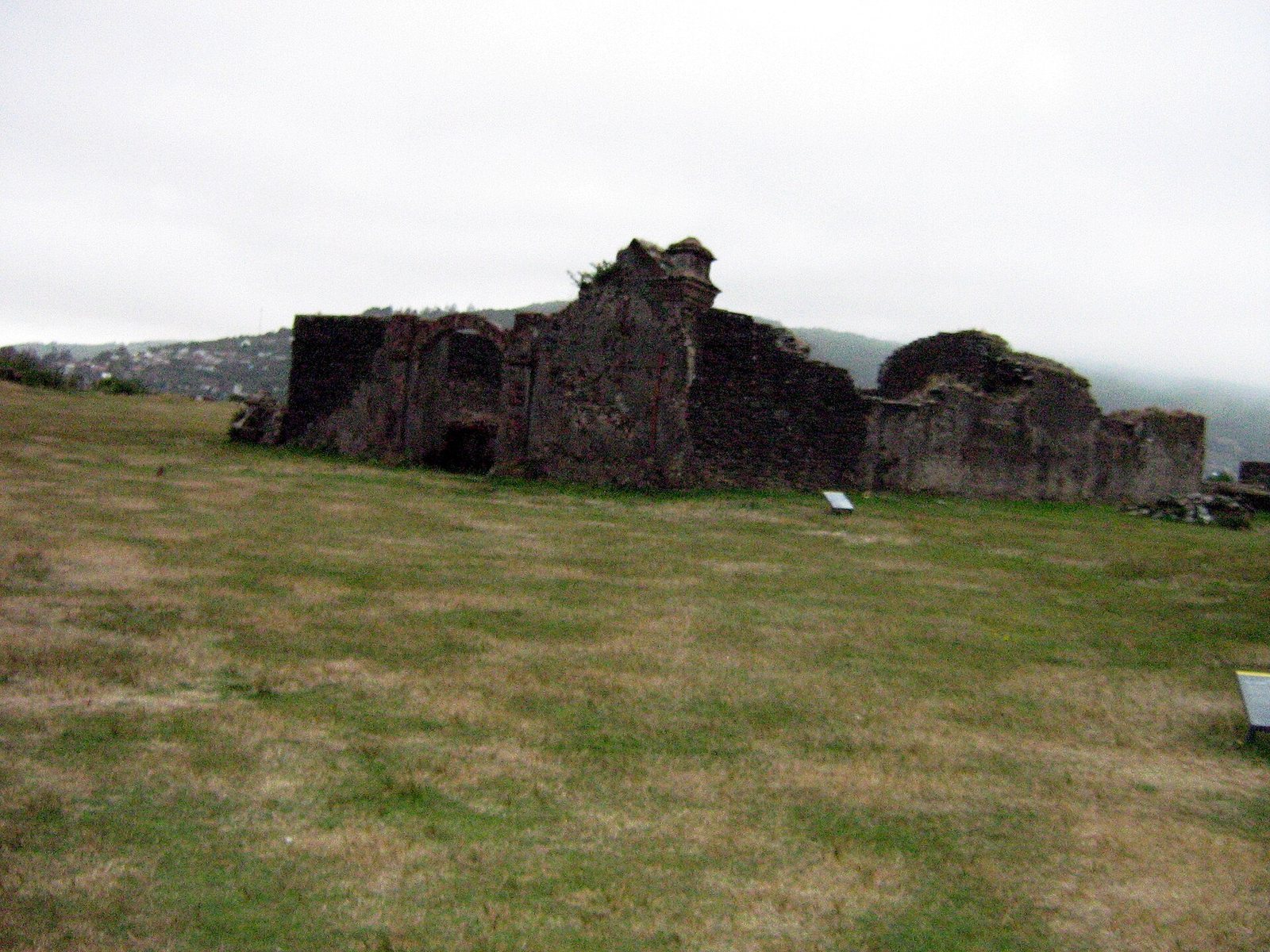
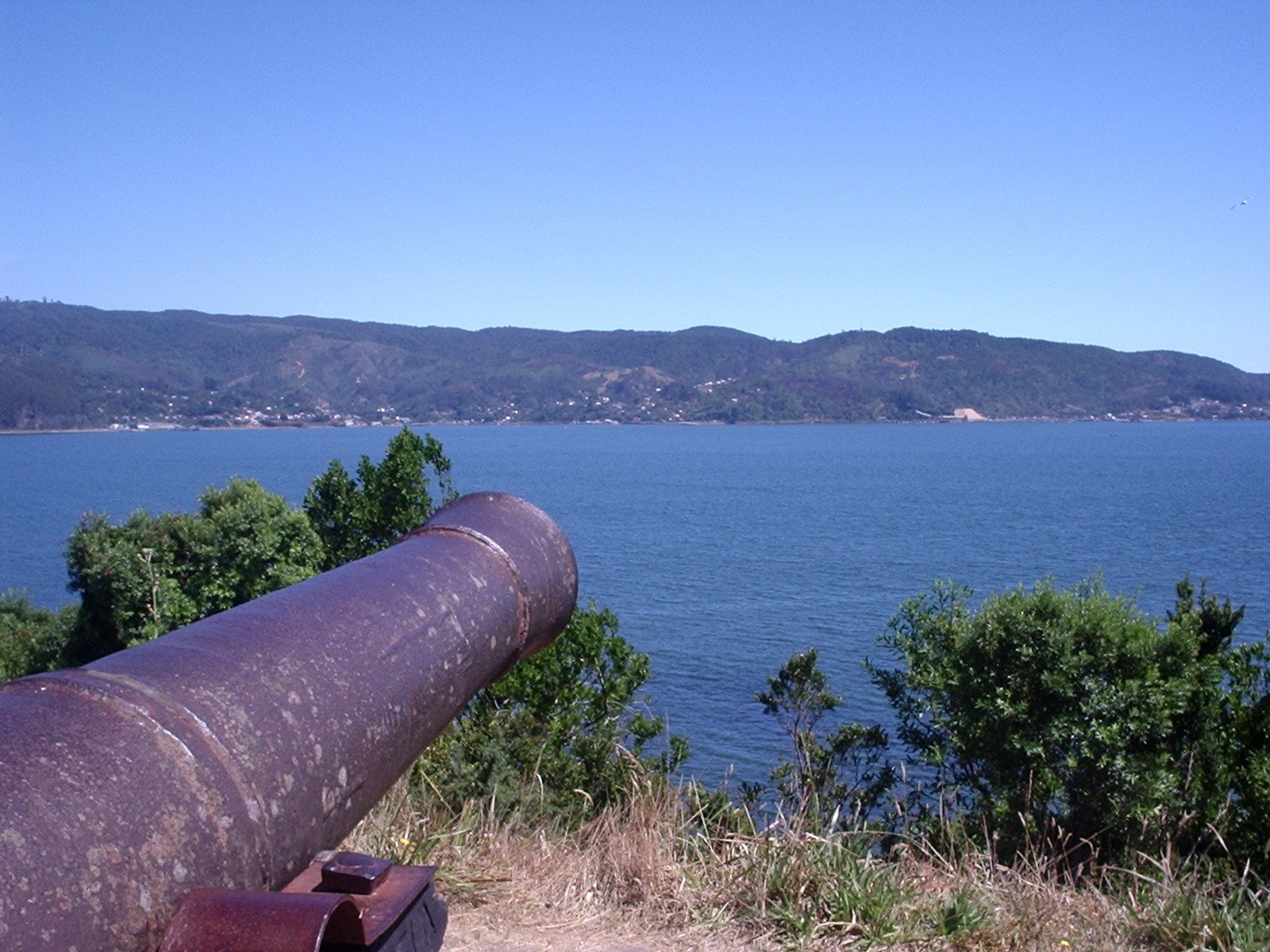
San Pedro de Alcántara Castle stands on Mancera Island in Chile. Built by Spain between 1675 and 1680, it became the most important castle in the Valdivia system of forts around Corral Bay. The network was intended to defend against attacks by Indigenous peoples, pirates, corsairs, and foreign powers. Spain fortified Valdivia and the Chiloé Archipelago because they were its southernmost Pacific coastal enclaves. At the time, Chile was part of the Viceroyalty of Peru, the Spanish imperial jurisdiction that included the region.
After the Battle of Curalaba in 1598, a conflict between Spanish forces and Indigenous opponents, Valdivia was destroyed by Huilliche forces in November 1599. In 1643, a Dutch expedition commanded by Hendrick Brouwer reached Corral Bay after allying with Huilliche communities around the Chacao Channel against Spanish colonists on Chiloé. The expedition attempted a similar strategy in the bay but eventually withdrew.
Spanish resettlement began in February 1645, with the castle becoming one of its main centers. Preparatory work probably started between 1645 and 1649, before construction of the castle itself in 1675–1680.
Construction and later status
The castle’s plans were drawn by Constantino Vasconcelos, chief engineer of the navy. Valdivia was refounded at its original site in 1684, while the surrounding territory remained under Lafkenche-Huilliche control. Chile designated the castle a National Monument in 1950.
Remains
The fortified enclosure
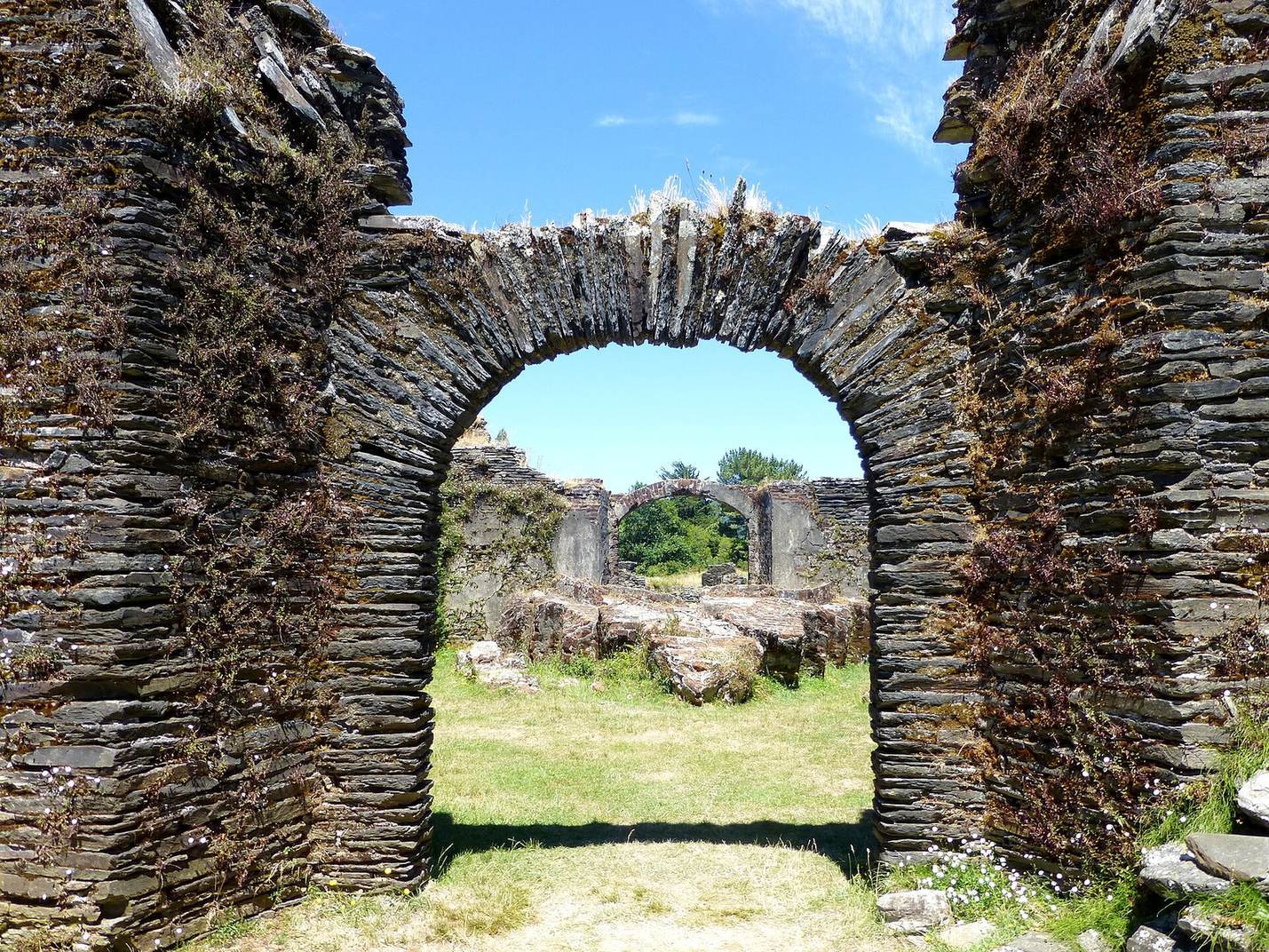
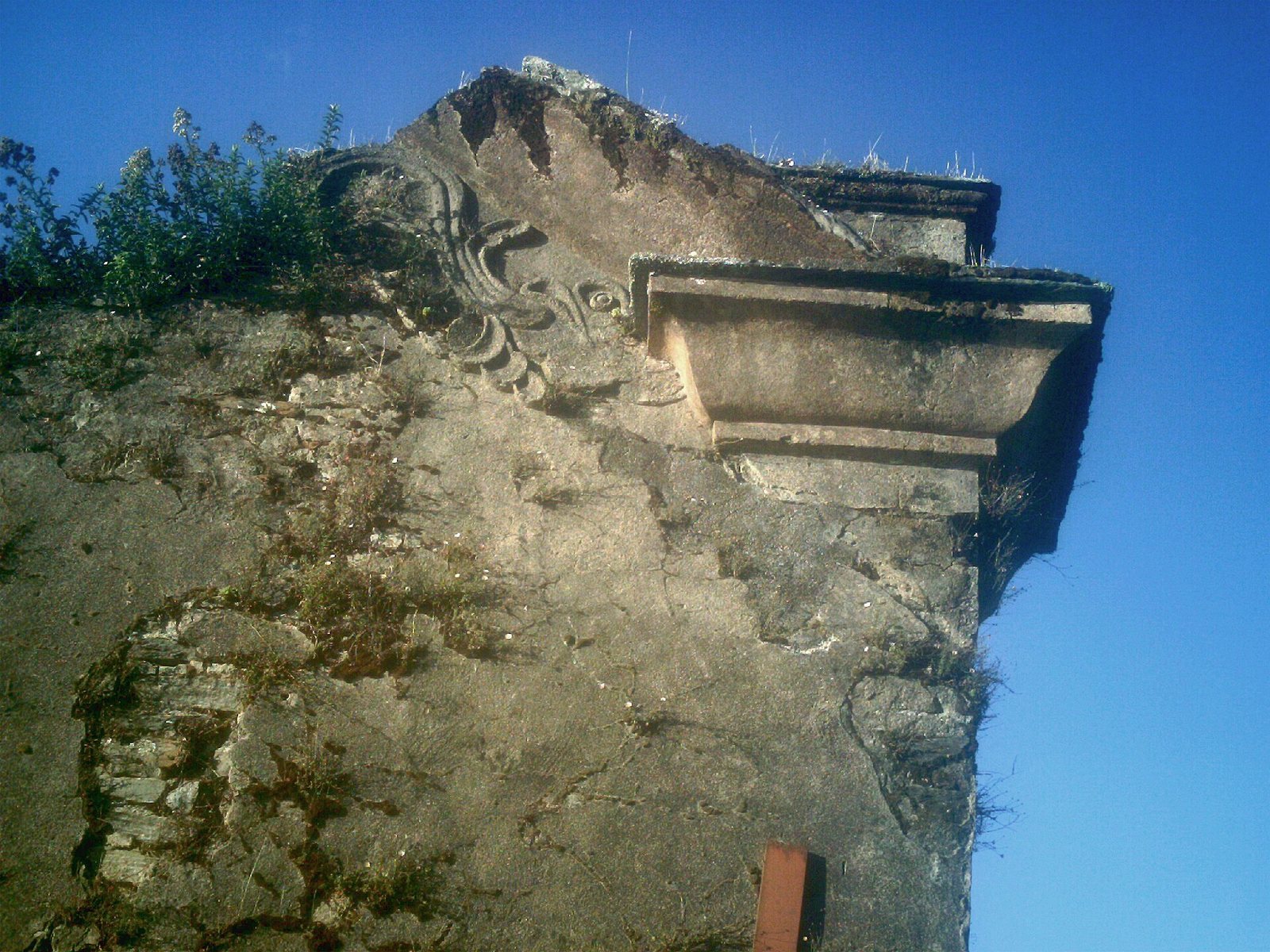
The castle occupied Mancera Island at the eastern edge of Corral Bay. Its enclosure had walls and parapets 12 feet thick. Inside stood eight stone buildings and thirteen wooden buildings; the convents of San Francisco and San Agustín were also located within the enclosure. The complex served as defensive and support infrastructure.