Fort of El Rosario: An Artillery Fortification in Melilla


Site at a Glance
- Rating
- 4.4
- Popularity
- Very Low
- Country
- Spain
- Primary era
- Early Modern
- External website
- Open
- Eras represented
- Early Modern
- Civilizations
- Spanish
- Site type
- Military
- Remains
- Fort
On this page5 sections
History
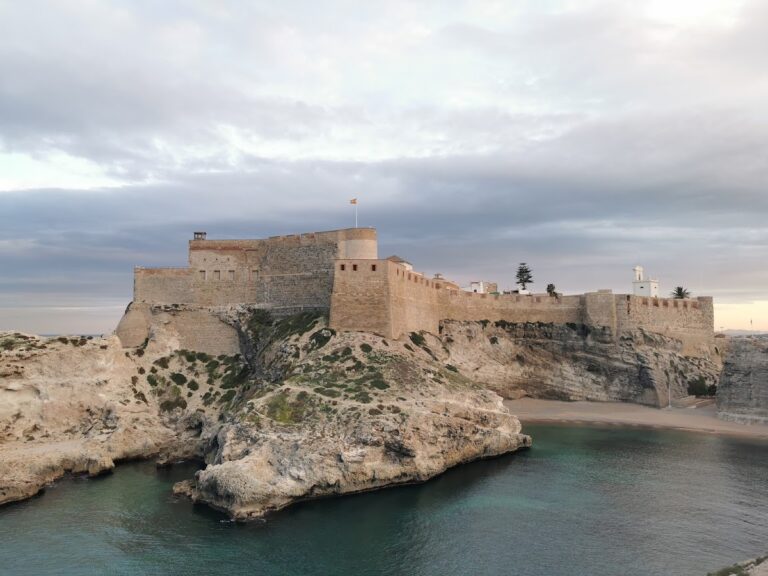
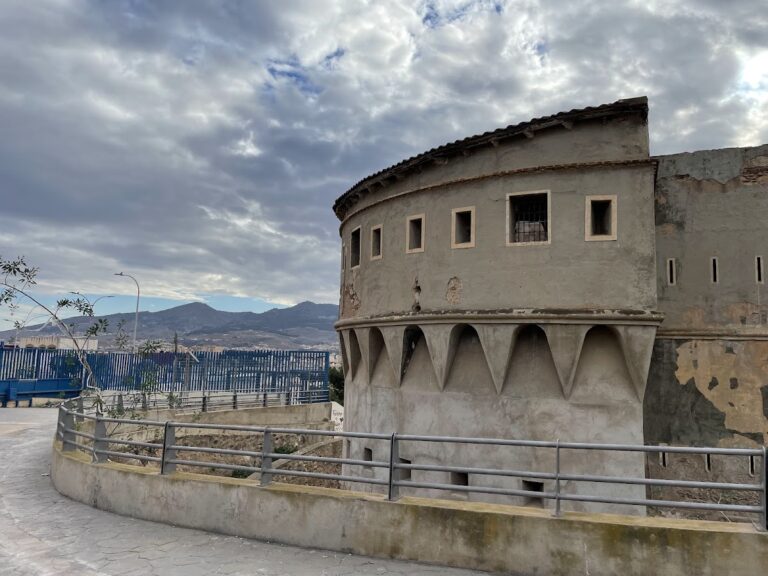
The Fort of El Rosario is an eighteenth-century fortified work in Melilla, Spain, created in 1778 when an artillery battery was added to the Rosario Tower. The fort forms part of Melilla’s Fourth Fortified Enclosure and the city’s historic-artistic complex, a protected group of historically or artistically important structures recognized as an Asset of Cultural Interest under Spain’s formal heritage designation system.
The Rosario Tower at the northern end of the fort dates from 1735–1736 and predates the battery. The tower was rehabilitated between March and October 2013. Restoration of the battery and its associated defensive elements followed between July 2018 and January 2019. This work included the flank, ditch, counterscarp, bridge, gorge, interior, roofs, and vaults, and was formally accepted on 17 January 2019.
Remains
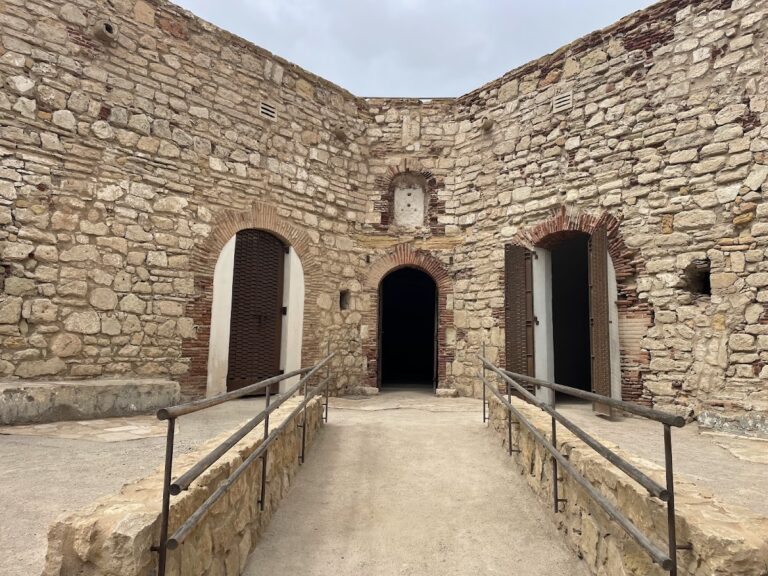
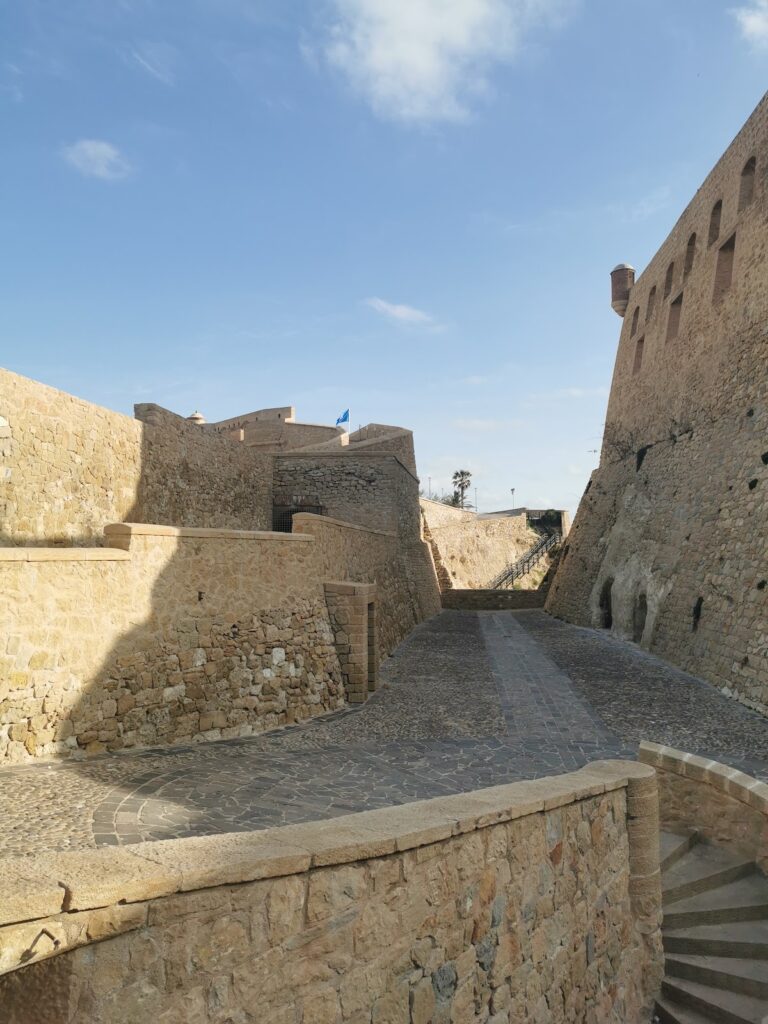
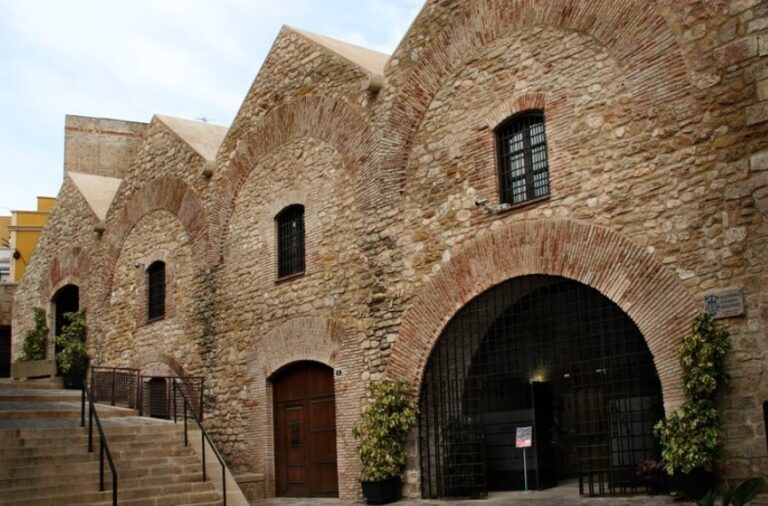
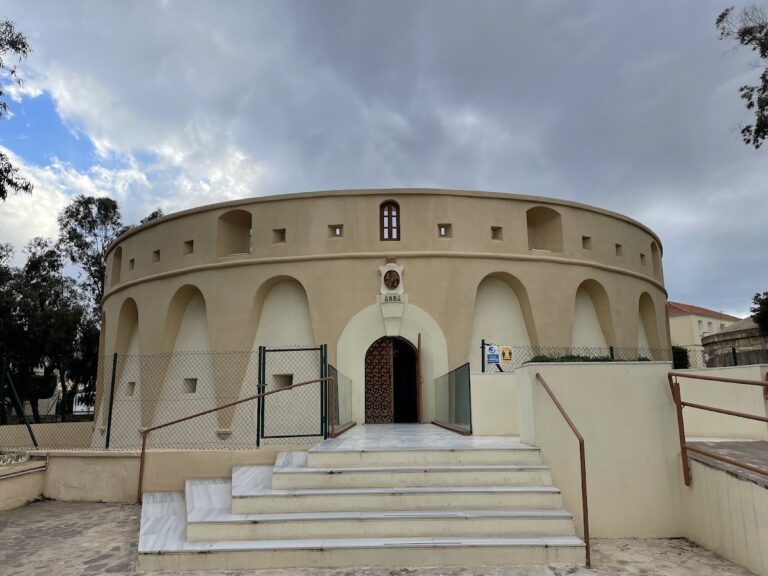
The fort has a rectangular plan and combines an artillery battery, reached by a ramp, with underground vaulted spaces. Its walls were built from local stone, while solid brick was used for the arches and vaults. The surviving layout includes the battery and a range of defensive elements connected to it.
Fortified Structures
Rosario Tower
Rosario Tower stands at the northern end of the fort. Built in 1735–1736, it was incorporated into the later defensive arrangement and underwent rehabilitation between March and October 2013.
Battery and Defensive Works
The artillery battery was added in 1778 and is reached by a ramp. The fort also retains a flank, a ditch, a bridge, a gorge, roofs, interior spaces, and underground vaults. Its counterscarp, the outer side of the ditch, and the gorge, the rear or less exposed side of the fortified work, formed part of the defensive arrangement restored between 2018 and 2019.
Nearby sites