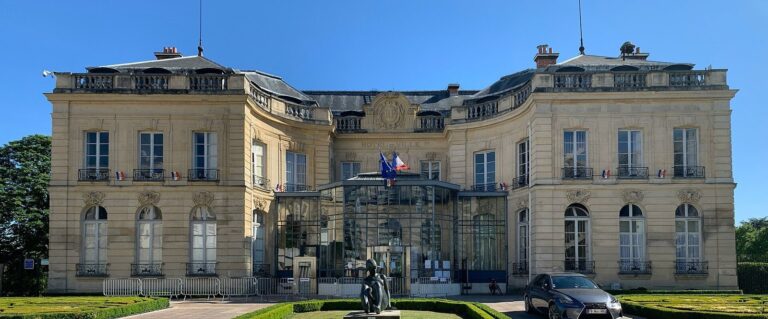
Fort de l’Est: A Nineteenth-Century Defensive Fort near Paris
Site at a Glance
- Popularity
- Medium
- Country
- France
- Primary era
- Modern
- Eras represented
- Modern
- Civilizations
- French
- Site type
- Military
- Remains
- Fort
On this page6 sections
History
Building Paris’s defenses
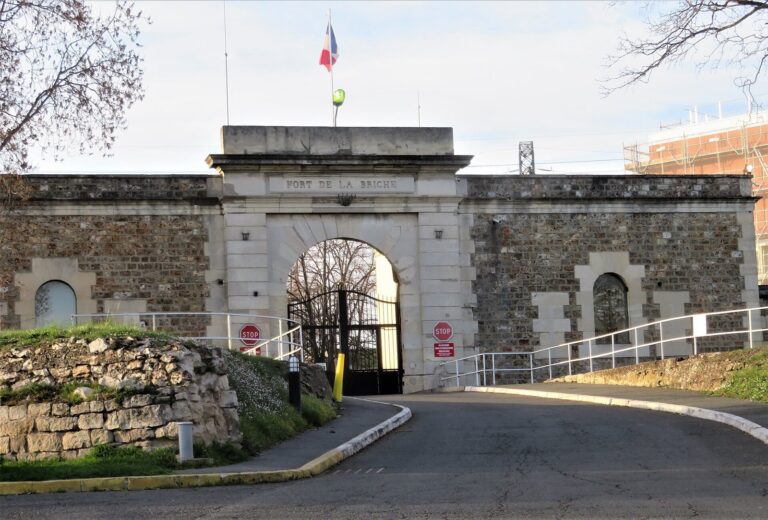
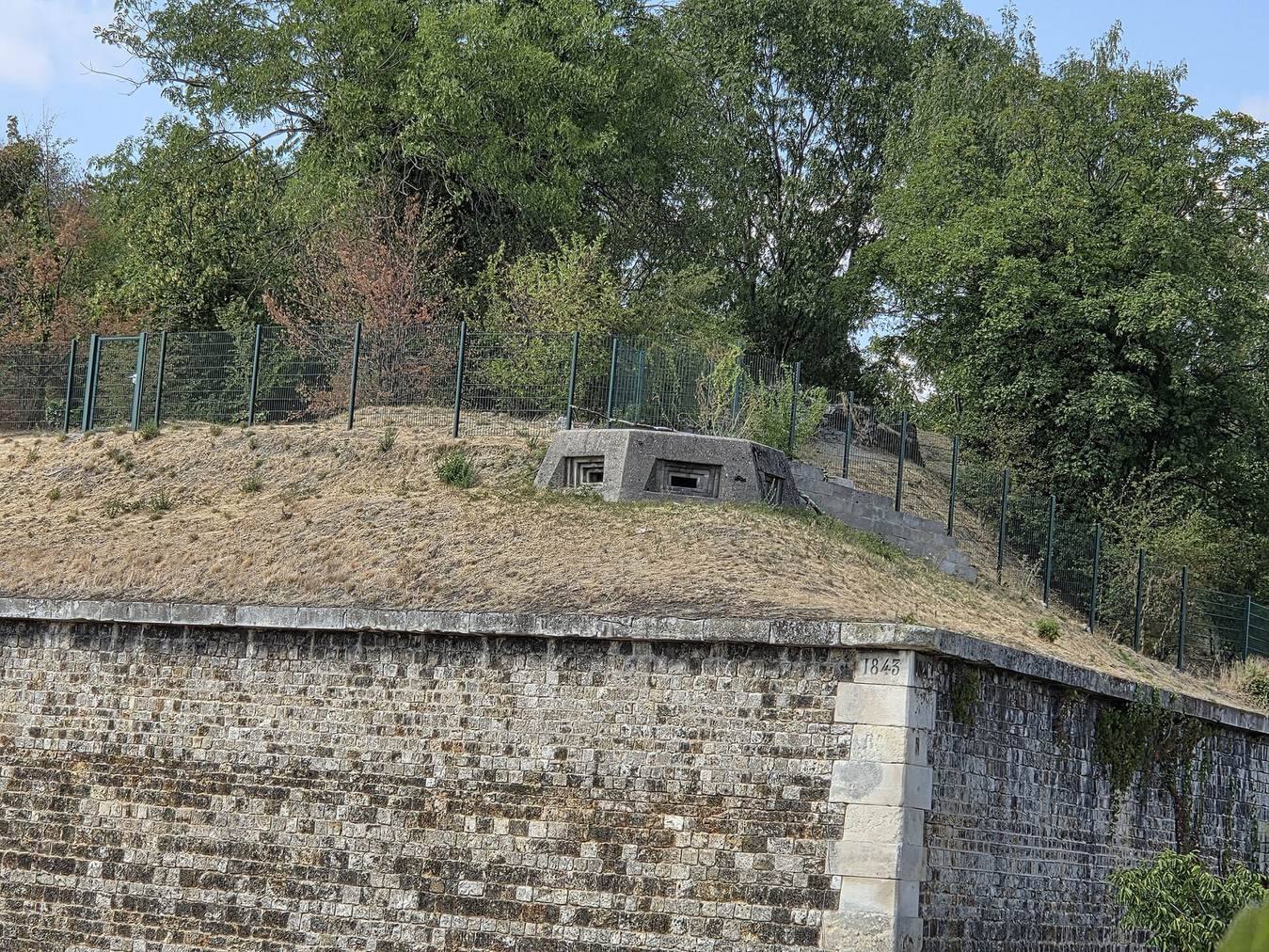
Fort de l’Est is a French fortification in Saint-Denis, France, built between 1841 and 1843 at the direction of Adolphe Thiers, then prime minister under King Louis-Philippe I. It formed part of a broad defensive system designed to protect Paris. Thiers ordered work to begin in 1840, before a 1841 law allocated 140 million francs for the larger project. Its 33-kilometre perimeter included 17 detached forts and 94 bastions, projecting sections built to provide defensive fire. About 25,000 workers took part in the construction.
War and changing military value
During the Franco-Prussian War of 1870–1871, French troops at the fort fired on Stains, which was occupied by Prussian forces. Their fire severely damaged the town’s church and demolished its château. Prussian troops later occupied Fort de l’Est during the Siege of Paris, the campaign in which they besieged the French capital. In 1872, the fort’s chaplain, Jules Bonhomme, published a memoir about his experiences there in 1870–1871.
Improvements in artillery soon reduced the usefulness of the Paris defenses. In 1882, deputy Martin Nadaud opened a debate about transferring the defensive perimeter. During the First World War, on 9 August 1918, a shell fired by the German Paris Gun, a long-range artillery weapon used against Paris, exploded at the fort.
Transfer, occupation, and postwar events
In 1919, Fort de l’Est was transferred to the municipality of Paris for 100 million francs. German forces occupying the fort left on 25 August 1944. It was subsequently used temporarily by the State Security Court, which handled cases involving state security, and part of the French Army’s historical and archival service. In his 1946 memoirs, resistance priest Paul Parguel described his arrest and internment at the fort by French forces serving the Nazis.
The zone around the fort where construction was prohibited was abolished in 1953. In 1958, following France’s 1956 ratification of NATO equipment-standardization agreements, the Inter-Army Office for Materials Codification (BICM) was established at the fort. The office coordinated the classification of military equipment across the armed services. It remained there until 1984, when it moved to a new information-management site of France’s Directorate General of Armaments near Rennes.
Military and civilian uses
During the Algerian War, France’s conflict over Algerian independence from 1954 to 1962, a military tribunal held hearings at Fort de l’Est. Jean-Marie Bastien-Thiry, a military officer and member of the OAS, a militant organization opposed to Algerian independence, was sentenced to death there for attempting to assassinate President Charles de Gaulle. He was later executed at Fort d’Ivry. Nearly 100 officers were detained at Fort de l’Est.
From 2002 to 2004, the Salvation Army ran a 150-bed shelter inside the fort, assisting 18,000 people in 2002. In 2009, a settlement of temporary houses was established beside it for about 20 Romani families relocated from the André-Campra shantytown in La Plaine.
The French Army continues to use the fort for reserve training and to house military units. It also contains the headquarters of the National Federation of Reserve Non-Commissioned Officers. Foreign Legion units, a corps of the French Army that has traditionally recruited foreign volunteers, have been stationed there in connection with Operation Vigipirate, France’s national security and counterterrorism plan. The fort holds military records concerning First World War insubordination and unclassified records from former garrison libraries.
Remains
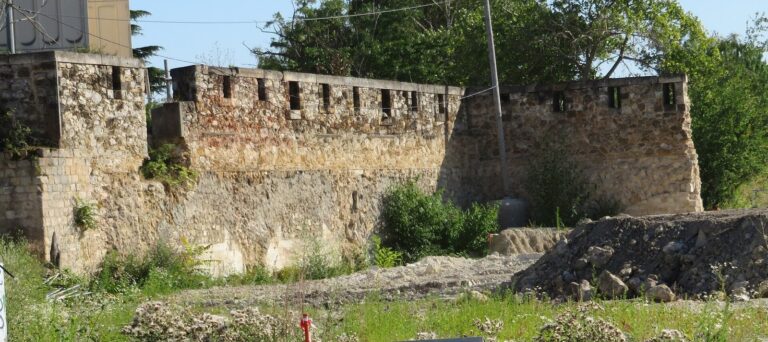
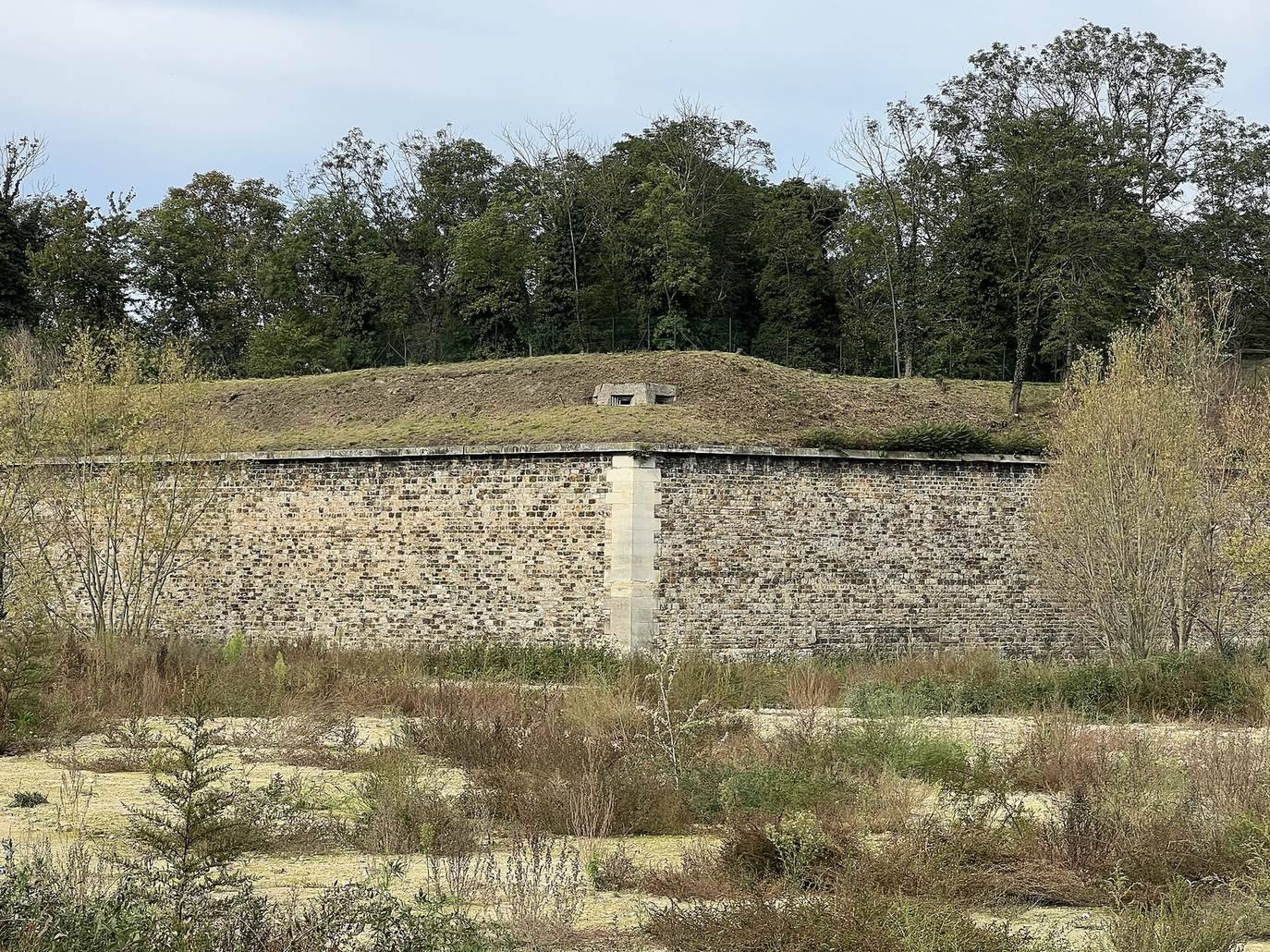
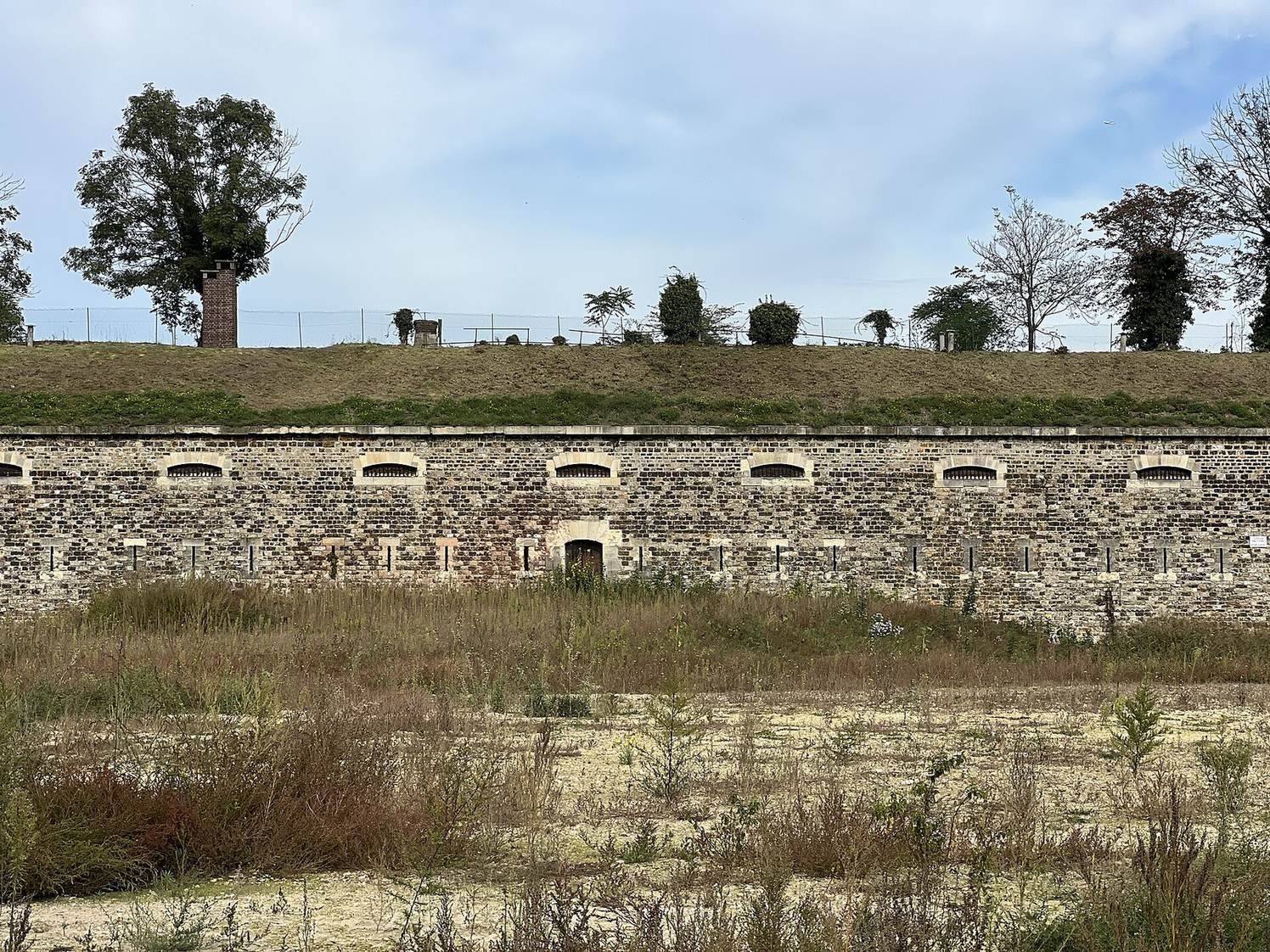
The fort was originally laid out as a four-sided structure. A northern bastion, a projecting part of a fortification designed to provide defensive fire, was removed in 1963 to make way for the A1 motorway. The fort faces Lycée Suger, a secondary school built in 1994, and can be seen from the motorway. Part of its glacis, the sloping ground outside a fortification, is now occupied by allotment gardens. Within the fort, the powder magazine, a secure building for storing gunpowder, is identified as the place where Paul Parguel was interned.