Elgg Castle: A Historic Seat of Local Administration and Justice
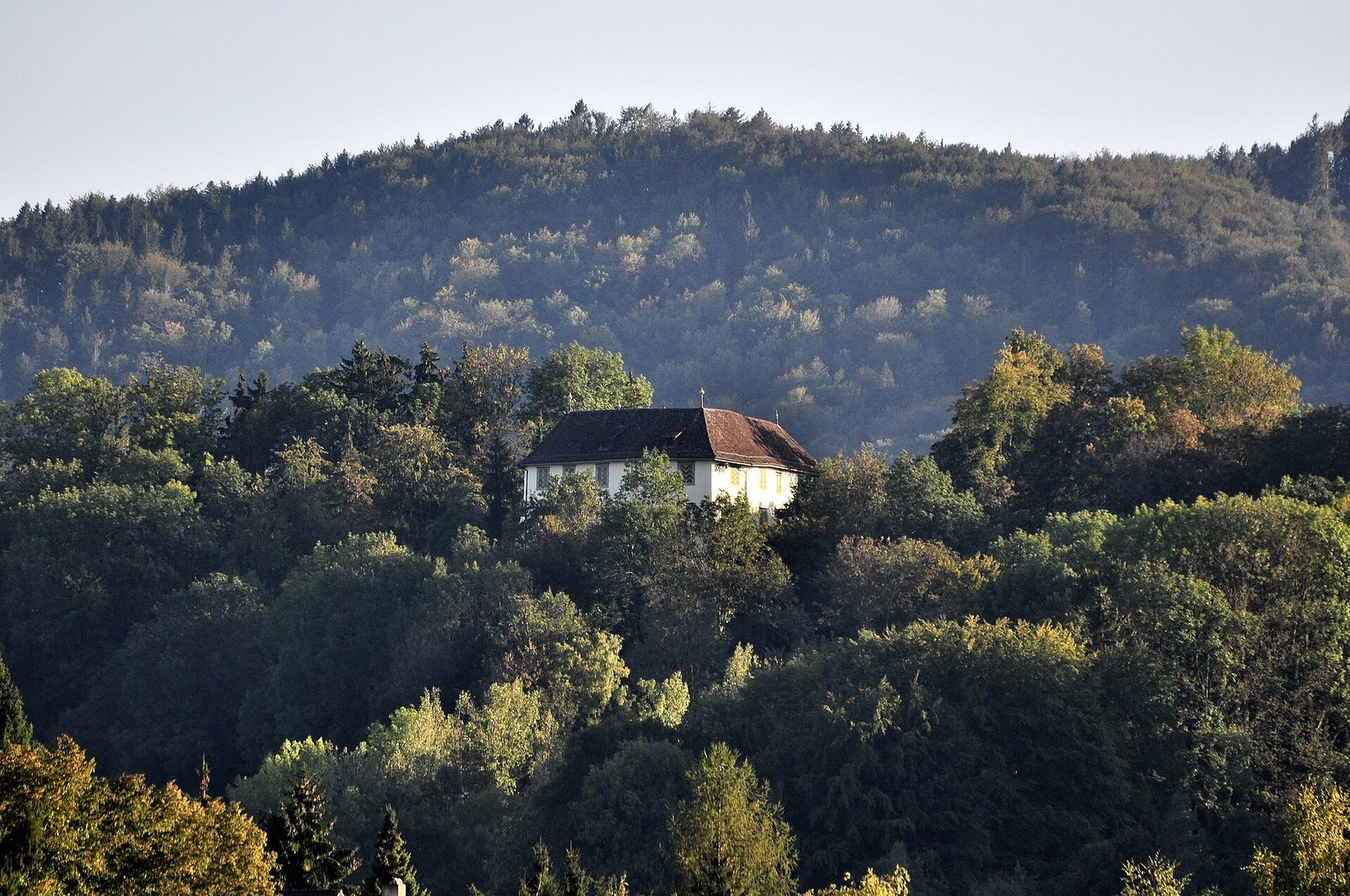
Site at a Glance
- Popularity
- Medium
- Country
- Switzerland
- Primary era
- Medieval
- Eras represented
- Medieval, Early Modern
- Civilizations
- Holy Roman Empire
- Site type
- Military
- Remains
- Castle
History
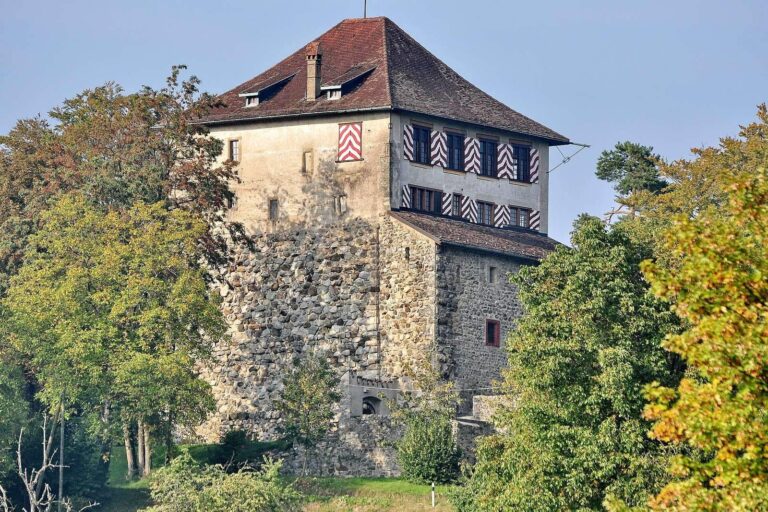
Elgg Castle in Switzerland was first recorded in 1166, when it served as the seat of Elgg’s local stewards under the Abbey of St Gall, a Benedictine monastic institution that also exercised territorial authority. The Habsburgs, a European ruling dynasty whose lands included parts of present-day Switzerland, held court there until 1425. That year, judicial authority passed to Zurich, which continued to use the castle for judicial purposes until 1798.
Private ownership and transformation
Zurich banner official Hans Heinrich Lochmann acquired the castle in 1576. A banner official was a civic officeholder associated with a city’s banner. In 1580, Lochmann remodeled and enlarged the building as a palace. He died childless in Padua in 1590.
Hans Heinrich and Hans Ludwig Heinzel von Tägernstein of Augsburg later acquired the castle. Their mother-in-law, Magdalena Neidhart, compelled them to sell it in 1599. That year, imperial councillor Bonaventura Bodeck bought the castle and its jurisdiction. An imperial councillor advised an emperor. Bodeck died in 1629 and was buried in Elgg.
In 1637, Bodeck’s son Melchior sold the castle to Peter Sulzer, a deputy governor from Winterthur. Sulzer’s sons suffered serious financial difficulties after speculation and the assumption of guarantees, and by 1665 the castle was in a precarious condition. The abbot of St Gall then obtained it through a fictitious promissory note, leading to a prolonged dispute with Zurich. The dispute ended in 1670, when Herkules von Salis-Marschlins acquired the castle and was admitted to Zurich citizenship.
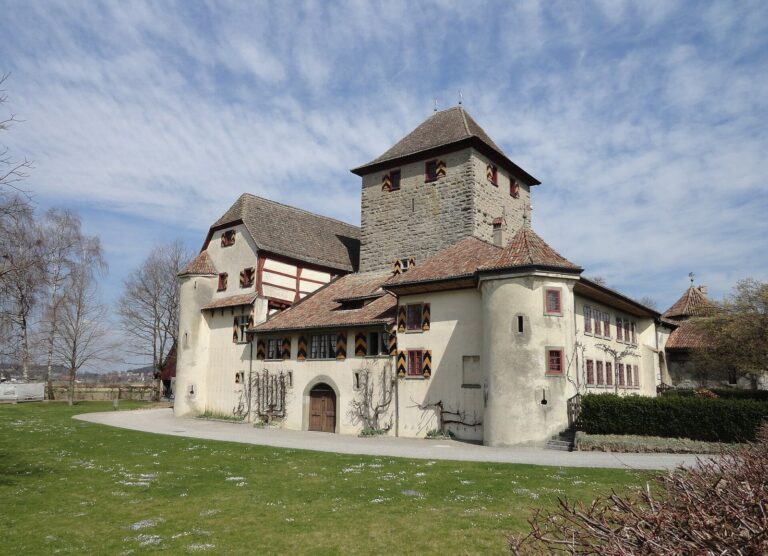
In 1712, the castle passed to Hans Felix Werdmüller, a major general serving in the Dutch military. His will restricted the sale or transfer of the castle and its lordship beyond the Werdmüller family. The family still owns the castle, which is a Swiss heritage site of national significance.
Remains
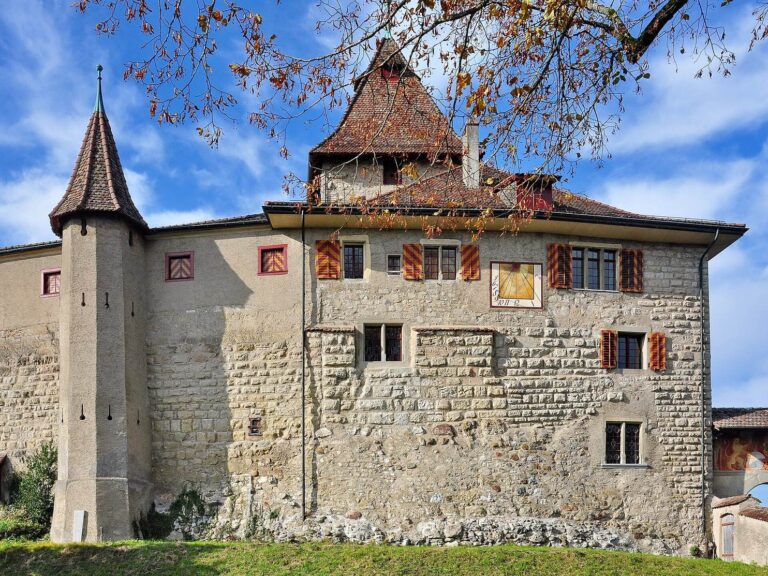
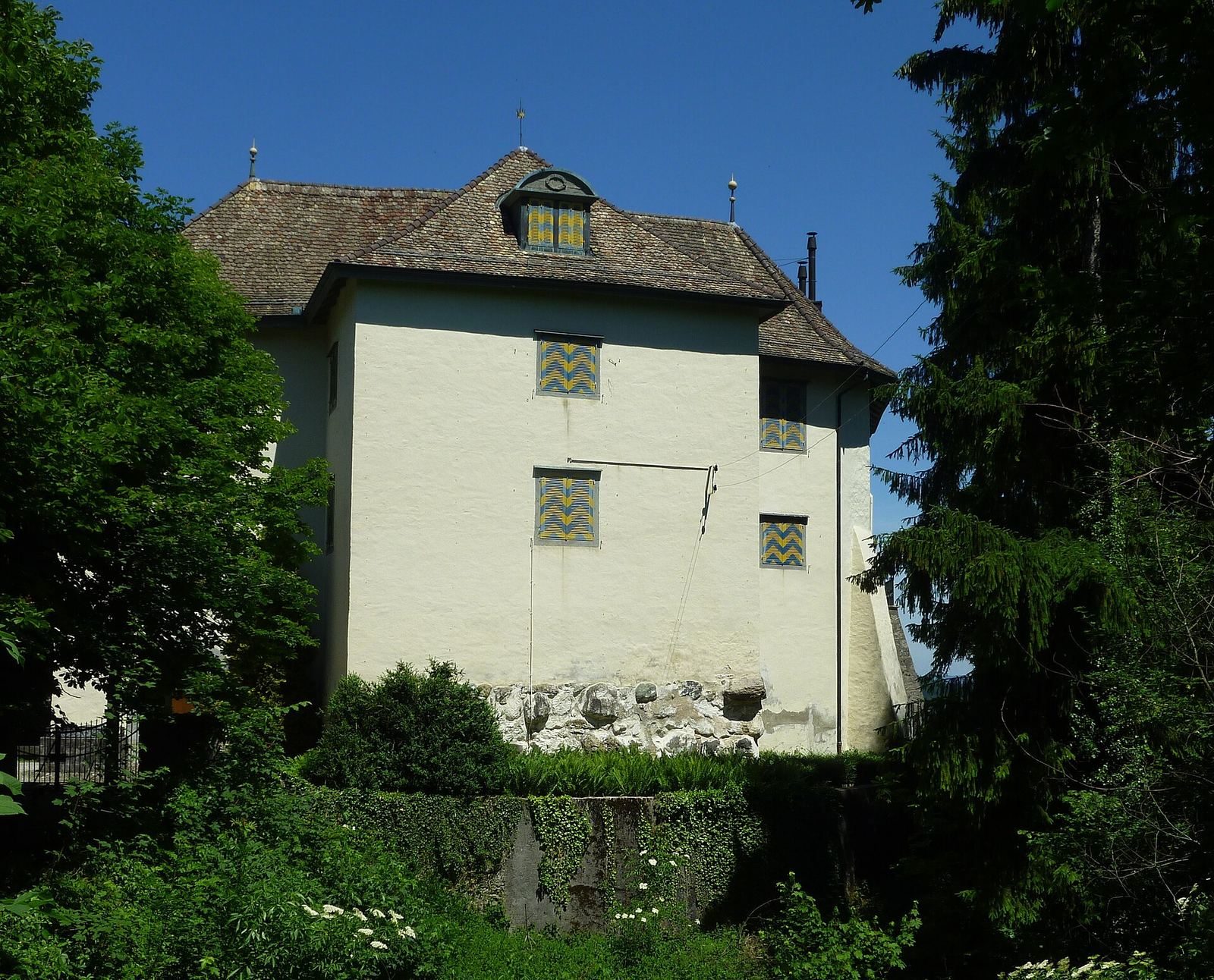
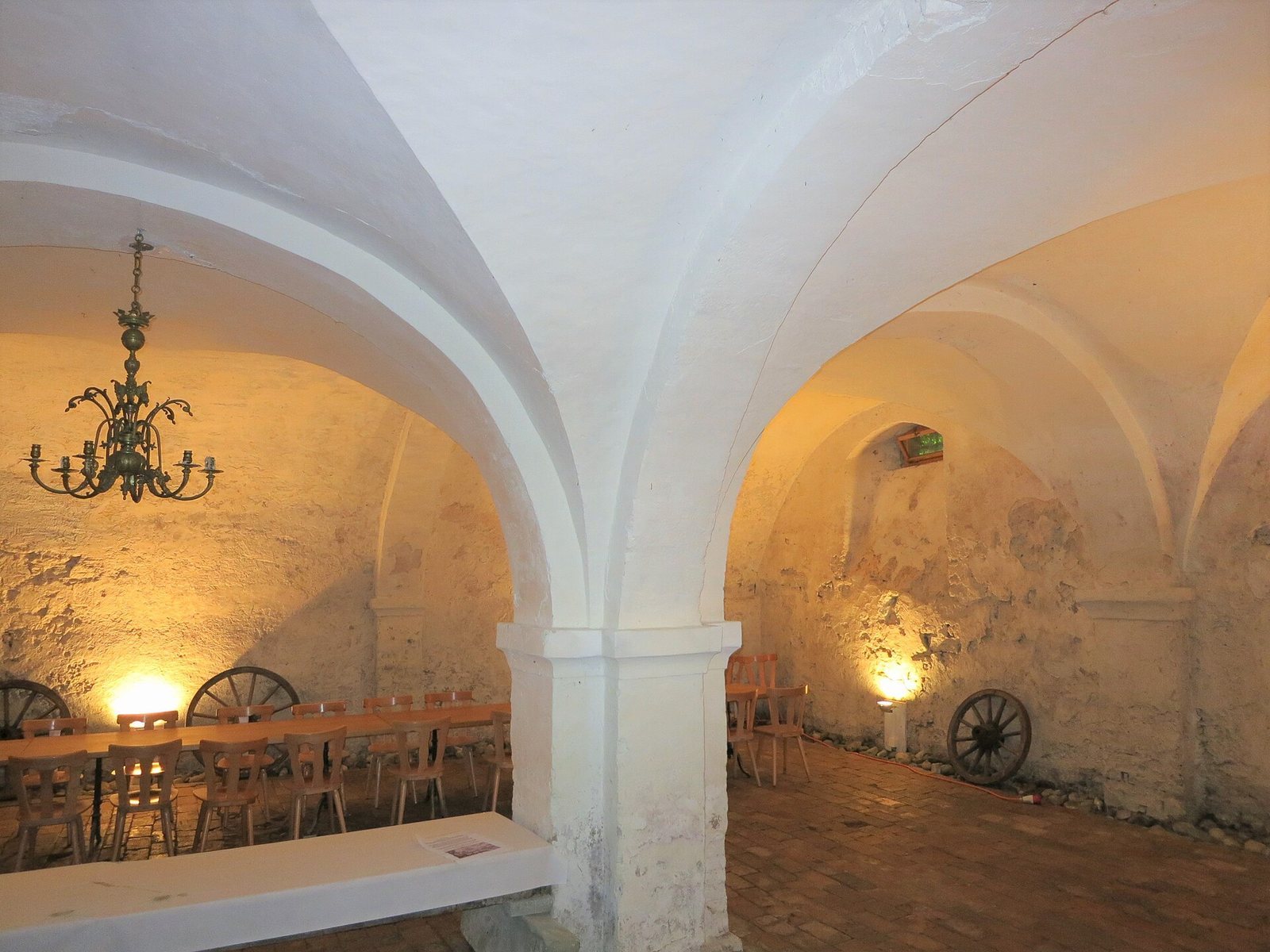
Elgg Castle stands on a rise south of the settlement. Its former tithe barn, a storehouse for payments commonly made as a share of agricultural produce, now houses an inn. The castle chapel contains Bodeck family gravestones installed there after Elgg church was renovated in 1896.