Dundanion Castle: A Tudor Tower House in Cork, Ireland
Site at a Glance
- Rating
- 4.7
- Popularity
- Very Low
- Country
- Ireland
- Primary era
- Early Modern
- External website
- Open
- Eras represented
- Early Modern, Modern
- Civilizations
- British, English, Irish
- Site type
- Military
- Remains
- Castle
On this page8 sections
History
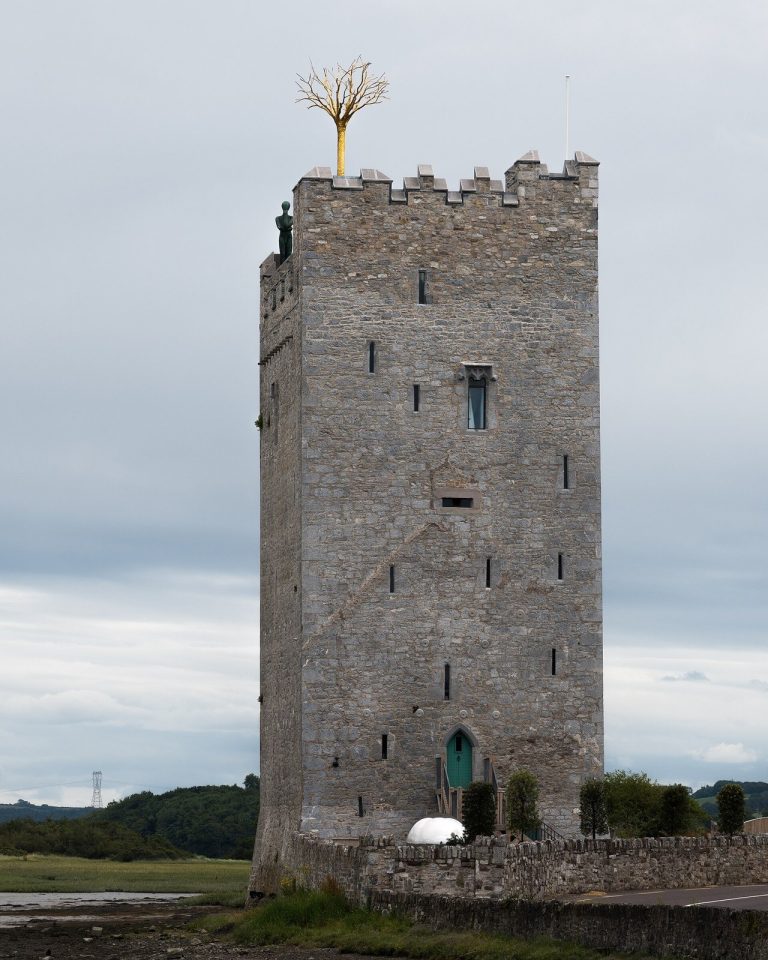
Dundanion Castle, also known as Galwey’s Castle, is a Tudor-period fortified tower house in Cork, Ireland. Built by the Galwey family around 1564 on or near an earlier structure, it combined residential use with defensive features. The castle was later recorded as “Galwaies castle” on the late-sixteenth-century Pacata Hibernia map of Cork, a historical and cartographic work about Ireland.
From Galwey Castle to Ruin
Dundanion Castle changed hands several times before falling into ruin. Its demesne later became the setting for several grand houses, altering the wider estate around the surviving tower house.
Nineteenth-Century Estate Development
Sir Thomas Deane, a nineteenth-century Irish architect, built Dundanion House in the 1830s. Diaries kept by the Deane family state that stonemasons created a “picturesque ruin” of Dundanion Castle during this work. The appearance that survives today was therefore shaped at least partly by nineteenth-century development of the estate.
The William Penn Tradition
Some historical accounts connect Dundanion Castle with one of William Penn’s voyages to the Americas before he founded Pennsylvania in the 1680s. Penn was an English Quaker leader and colonist, but the identification of the castle as his departure point remains uncertain.
Protection and Recorded Status
Dundanion Castle is listed by Cork City Council as protected structure PS492 and appears in Ireland’s Record of Monuments and Places as CO 074-049.
Remains
Fortified Tower House
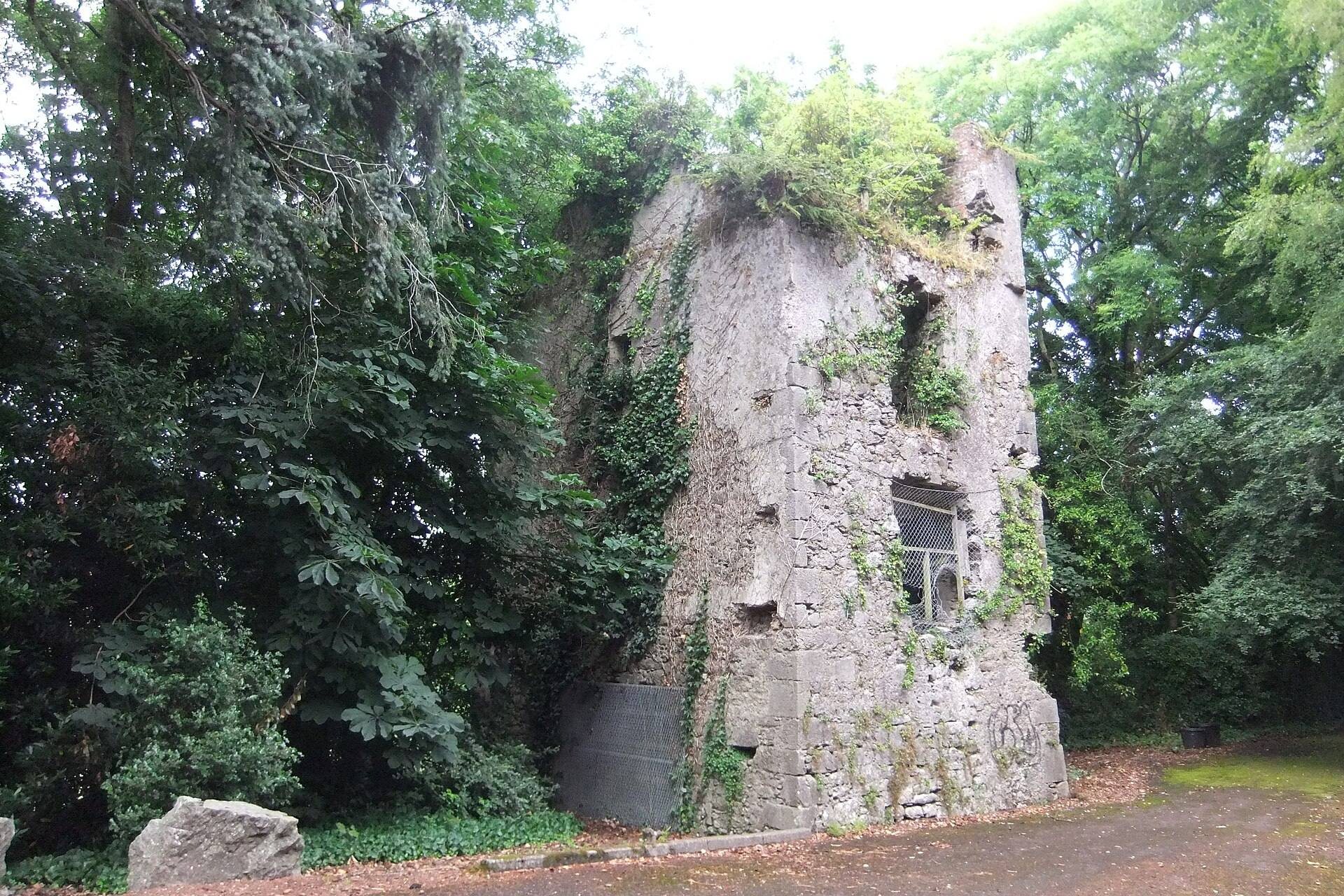
The surviving monument is a ruined Tudor-period tower house built of limestone. It stands within the grounds of the later Dundanion House estate and represents the remains of the building associated with the Galwey family. The castle was constructed on or near an earlier structure, although the relationship between that earlier building and the existing remains is not specified.
Former Waterfront Setting
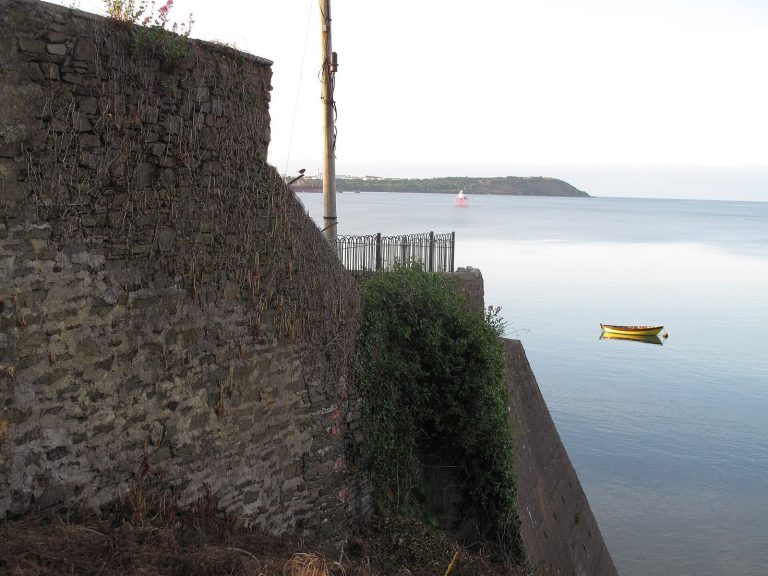
Dundanion Castle originally stood close to the River Lee. Later land reclamation placed the ruins farther from the waterfront, while an adjoining slipway preserves evidence of the earlier relationship between the building and the water. The ruins are partly visible from the public walkway along the former Cork, Blackrock and Passage Railway and from nearby Holland Park, but the castle grounds are privately owned and the remains themselves are not publicly accessible.