Blarney Castle: A Medieval Stronghold in Ireland
Site at a Glance
- Rating
- 4.7
- Popularity
- High
- Country
- Ireland
- Primary era
- Medieval
- External website
- Open
- Eras represented
- Medieval, Modern
- Civilizations
- British, Irish
- Site type
- Military
- Remains
- Castle
On this page11 sections
History
Blarney Castle is a medieval stone stronghold in Blarney, County Cork, Ireland, built by the Gaelic MacCarthys of Muskerry in 1446. It is the third fortification known to have occupied the site near the River Martin, and its history reflects the changing fortunes of a major branch of the MacCarthy dynasty.
Early Fortifications
A timber building probably stood on the site before 1200, perhaps as early as the tenth century, although no remains of it survive. Around 1210, it was replaced by a stone fortification. That earlier stone structure was later destroyed, making way for the present castle.
The MacCarthys of Muskerry
Cormac Láidir MacCarthy, Lord of Muskerry, built the existing castle in 1446. The MacCarthys of Muskerry were a cadet branch of the MacCarthy dynasty, a powerful Gaelic ruling family whose Desmond branch had held kingship in parts of medieval southwestern Ireland. Cormac Láidir also built castles at Kilcrea and Carrignamuck.
Elizabethan Negotiations
In the sixteenth century, Elizabeth I sought to obtain Blarney Castle and sent the Earl of Leicester to negotiate its surrender. The MacCarthys repeatedly postponed a decision through feasts and elaborate replies, and the castle never passed to the queen. In Ireland, the word “blarney” later became associated with flattering speech and evasive verbal skill.
Siege and Confiscation
During the Irish Confederate Wars, a conflict between Irish Catholic forces and the English Parliamentarian government, Parliamentarian troops under Lord Broghill seized the castle in 1646. Broghill was an officer of Oliver Cromwell. Their artillery severely damaged the walls, but the defenders escaped through underground passages with the castle’s valuables, including gold vessels.
After the Restoration of the monarchy in 1660, following the republican governments established during the English Civil Wars, Blarney Castle was returned to Donough MacCarty, who became the first Earl of Clancarty. In the 1690s, during the Williamite War in Ireland, the fourth Earl of Clancarty, also named Donough MacCarty, supported the Jacobite cause. The conflict pitted supporters of the Catholic James II against those of the Protestant William III. After Clancarty was captured, the Williamites confiscated his lands, including Blarney Castle.
Later Ownership
The castle changed hands several times after the confiscation. Sir Richard Pyne, Lord Chief Justice of Ireland, owned it briefly before Sir James St John Jefferyes, then governor of Cork City, purchased it in the early eighteenth century. In the mid-nineteenth century, the Jefferyes and Colthurst families were joined by marriage, and the Colthurst family came to occupy the estate. The castle and its grounds remain associated with the Colthurst family.
Remains
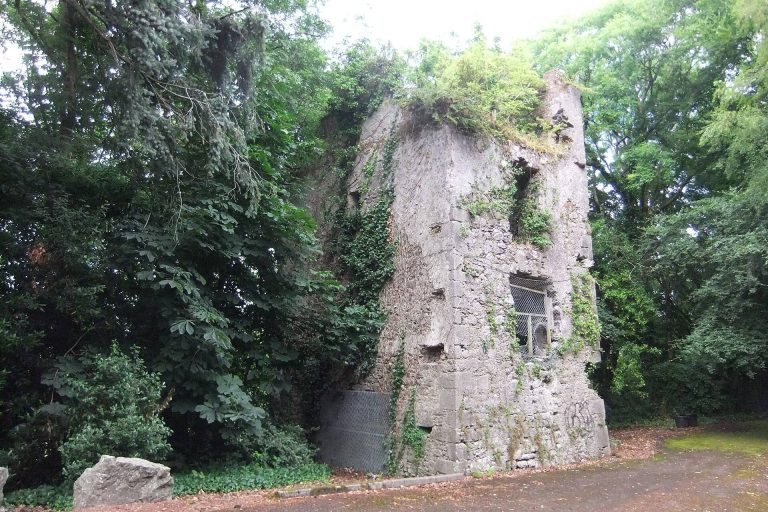
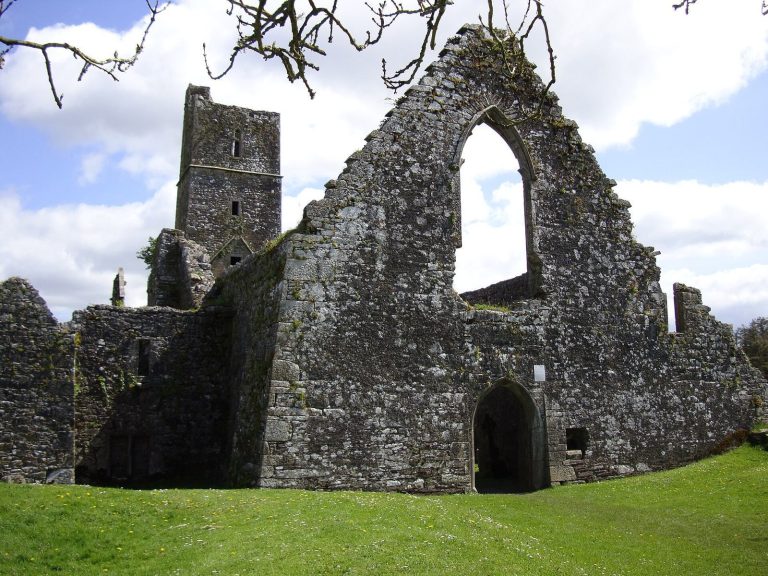
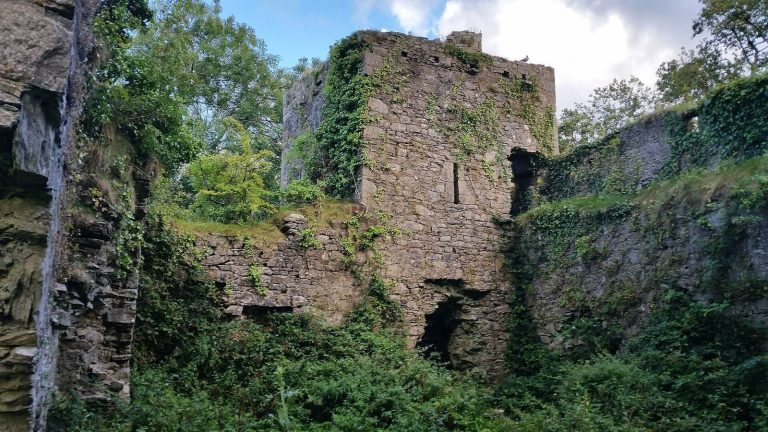
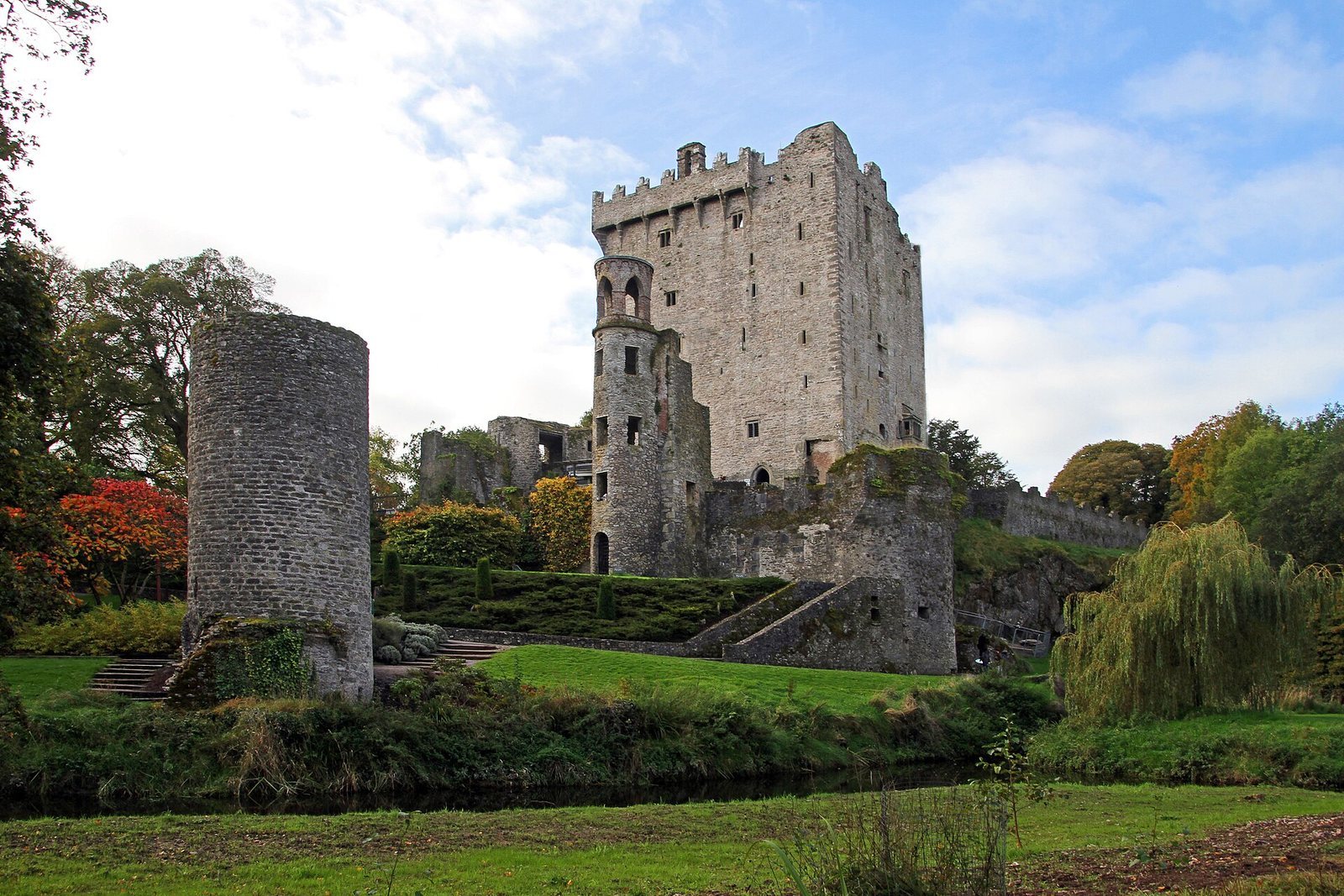
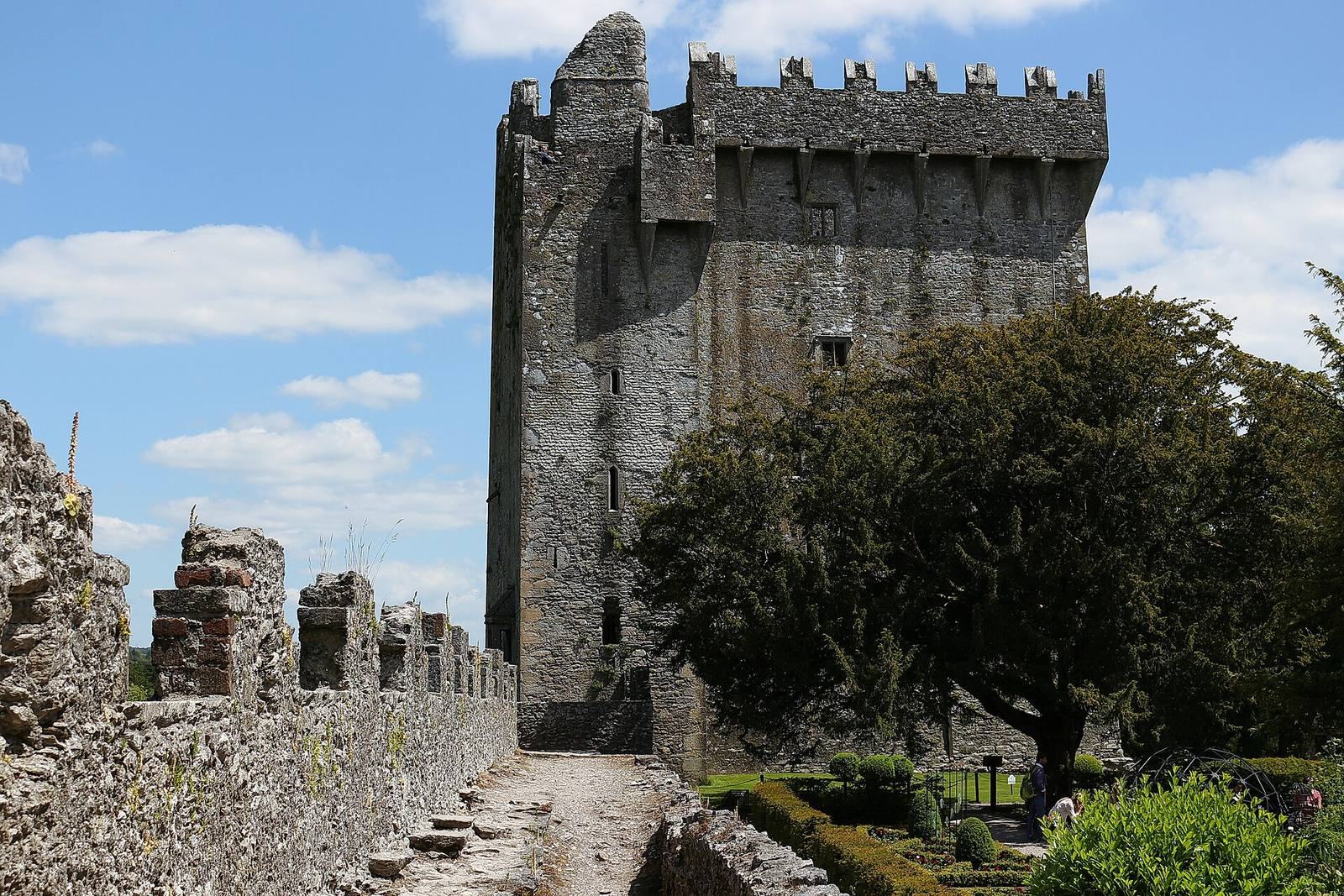
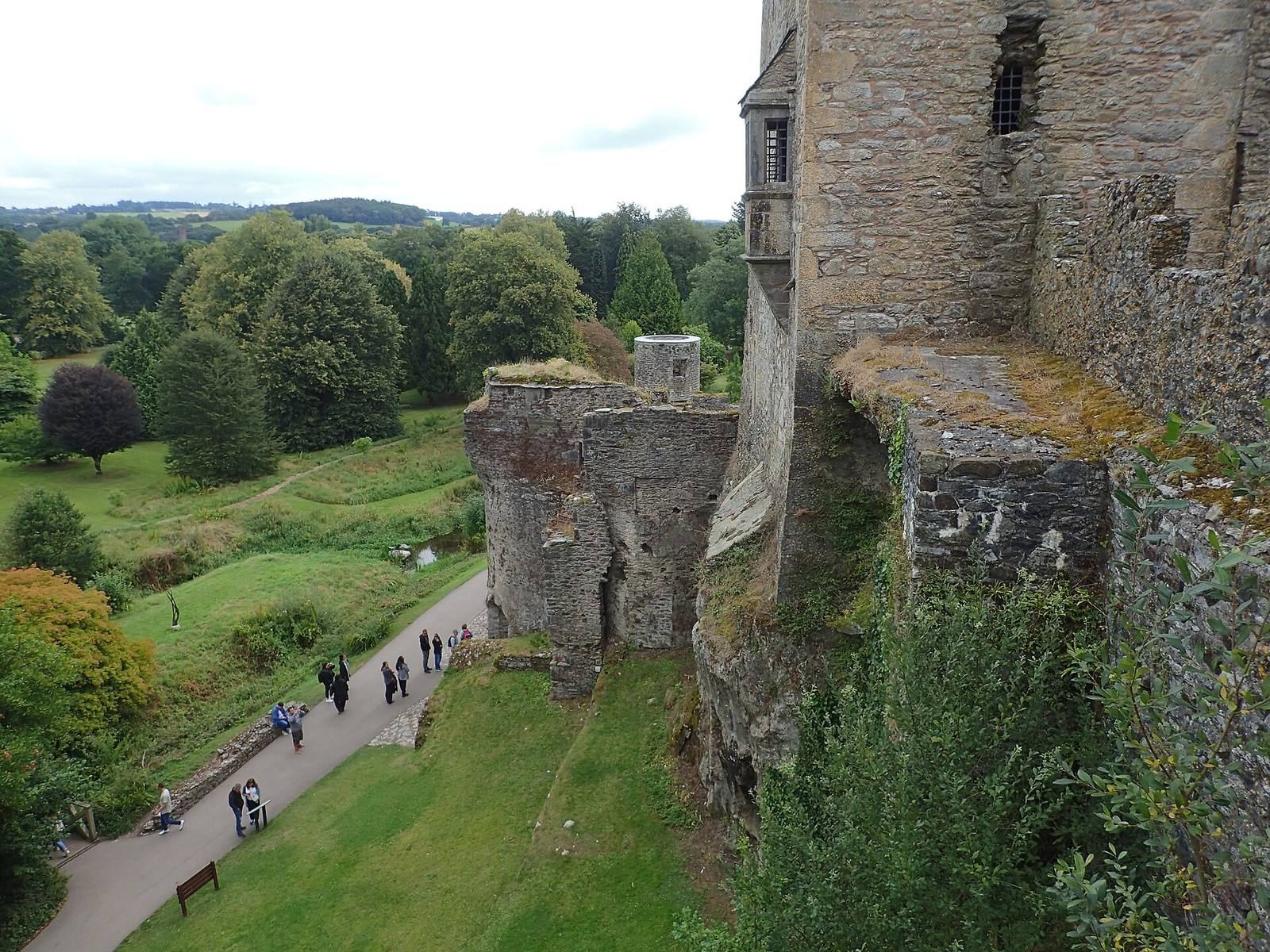
The surviving site combines a partially ruined medieval stone keep and tower with underground passages, extensive gardens, and a later mansion. The main castle rises approximately 90 feet, or 27 metres, and retains the physical character of a fortified medieval structure despite the heavy damage caused by artillery in 1646.
Keep and Defensive Features
The present castle is a stone keep and tower built in 1446 on the site of earlier fortifications. Its walls are now partly ruined, while portions remain accessible. Near the top, the Blarney Stone is set among the machicolations, projecting parapets or galleries with openings through which defenders could attack people below the walls. The stone is surrounded by legends that attribute magical powers or the gift of eloquence to it, and the traditional way of kissing it involves hanging backward.
Local tradition has proposed several identities for the Blarney Stone, including the Lia Fáil, or Stone of Destiny, associated with the inauguration of Ireland’s High Kings. These identifications remain legendary rather than established historical facts.
Underground Passages
Passages called the Badger Caves extend beneath the castle. One branch reportedly led toward the nearby lake. After the 1646 siege, an owner tried unsuccessfully to drain the lake because he believed that the defenders had thrown gold objects into it. The passages form part of the castle’s surviving defensive and subterranean complex.
Gardens and Estate Grounds
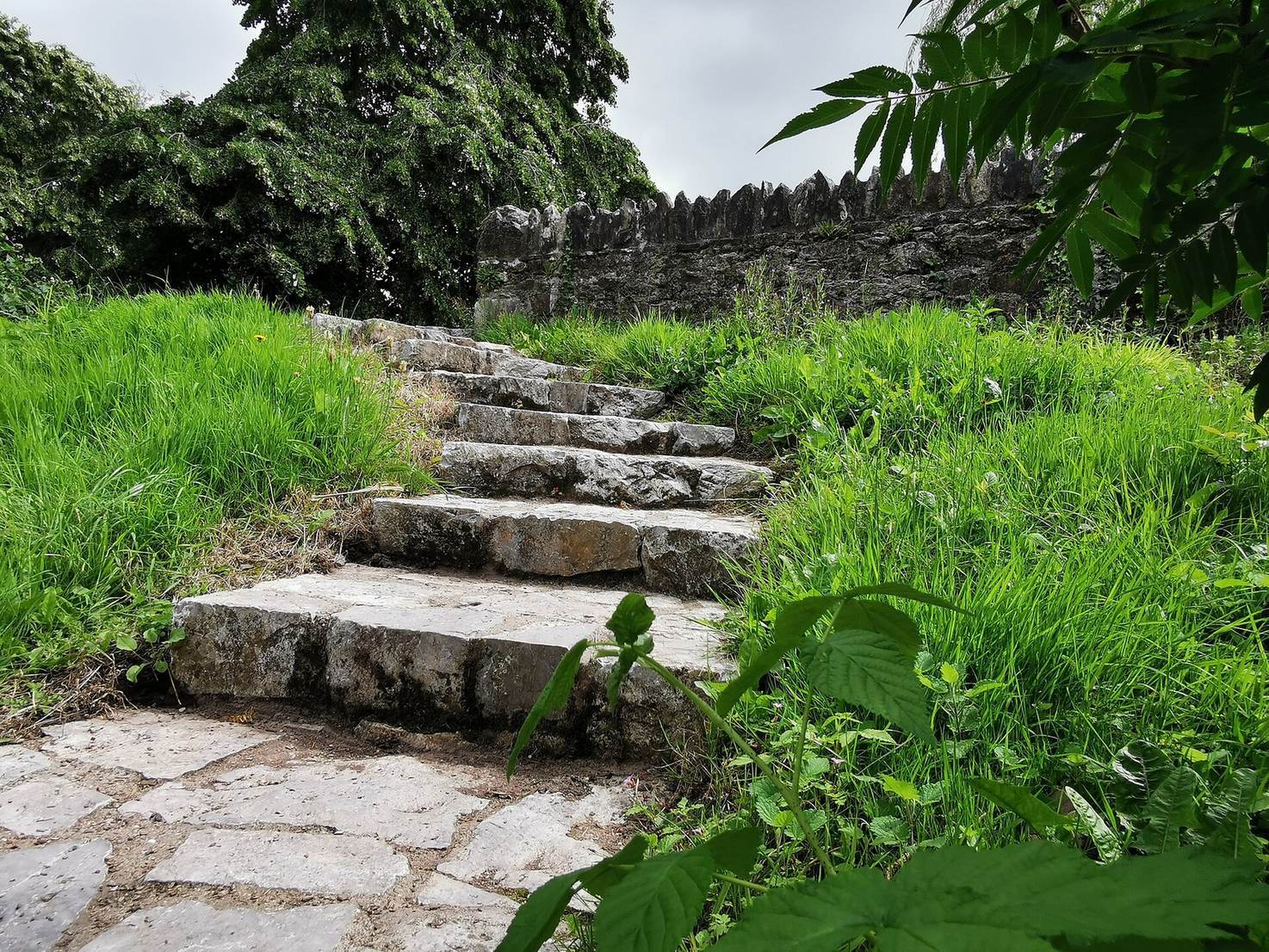
Extensive gardens surround the castle. Paths through the grounds lead to natural rock formations known as the Druid’s Circle, Witch’s Cave, and Wishing Steps. The grounds also contain a Poison Garden with plants from different parts of the world, including wolfsbane, mandrake, castor, opium poppy, and cannabis.
Blarney House
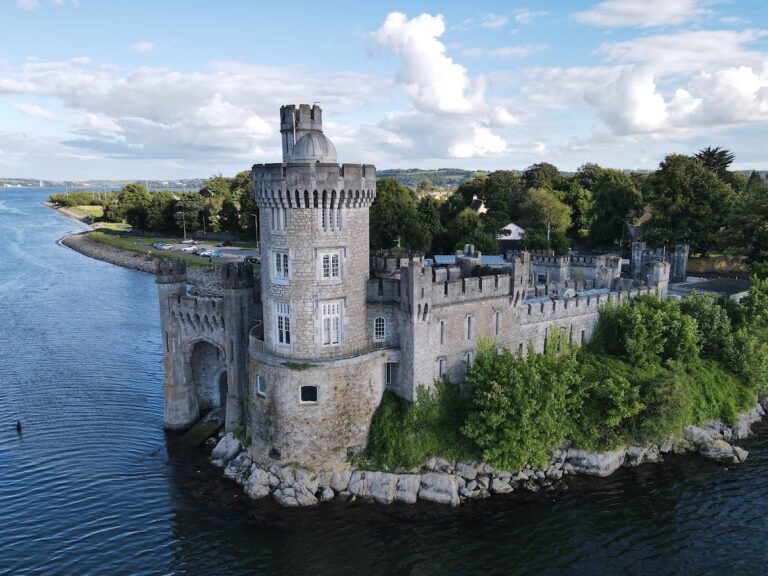
Members of the Jefferyes family built a large house near the fifteenth-century keep, but fire destroyed it. Blarney House replaced that building in 1874. Designed by John Lanyon of Lanyon, Lynn and Lanyon in the Scottish baronial style, the mansion overlooks the nearby lake and remains part of the castle’s surrounding estate.