Dunadd: A Hillfort and Royal Seat of Dál Riata
Site at a Glance
- Popularity
- Very High
- Country
- United Kingdom
- Primary era
- Medieval
- Eras represented
- Medieval
- Civilizations
- Unclassified
- Site type
- Military
- Remains
- Fort
On this page9 sections
History
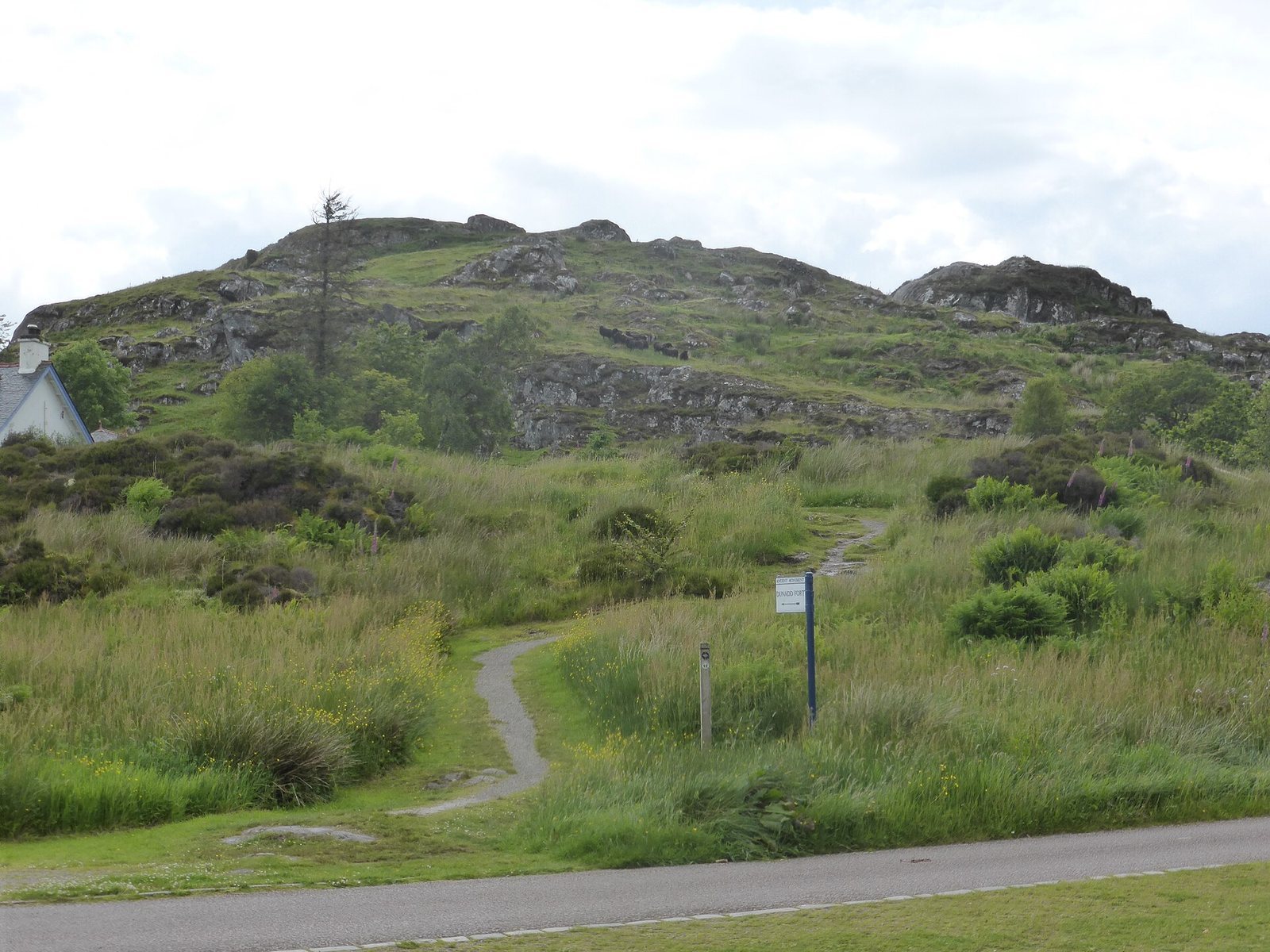
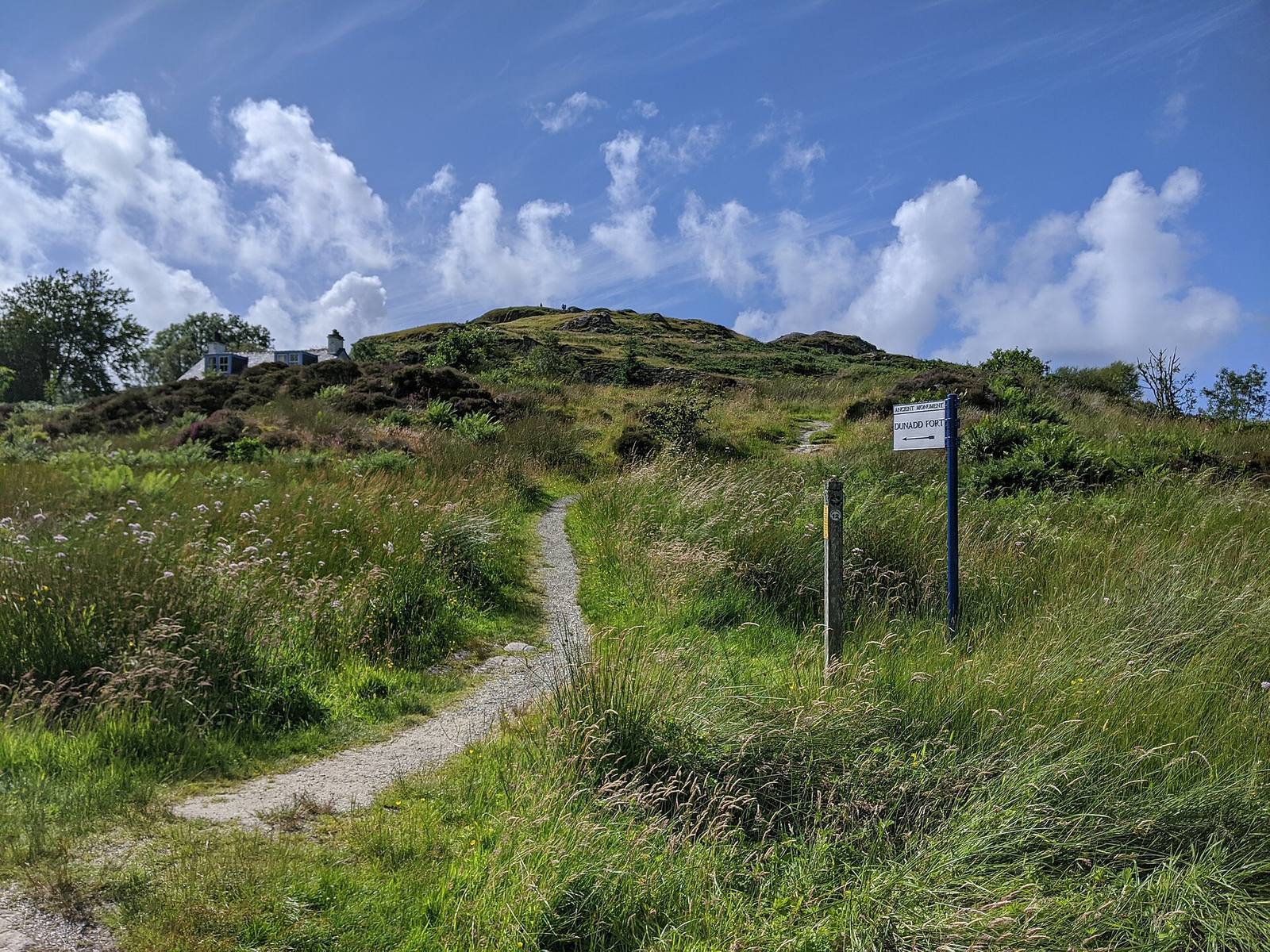
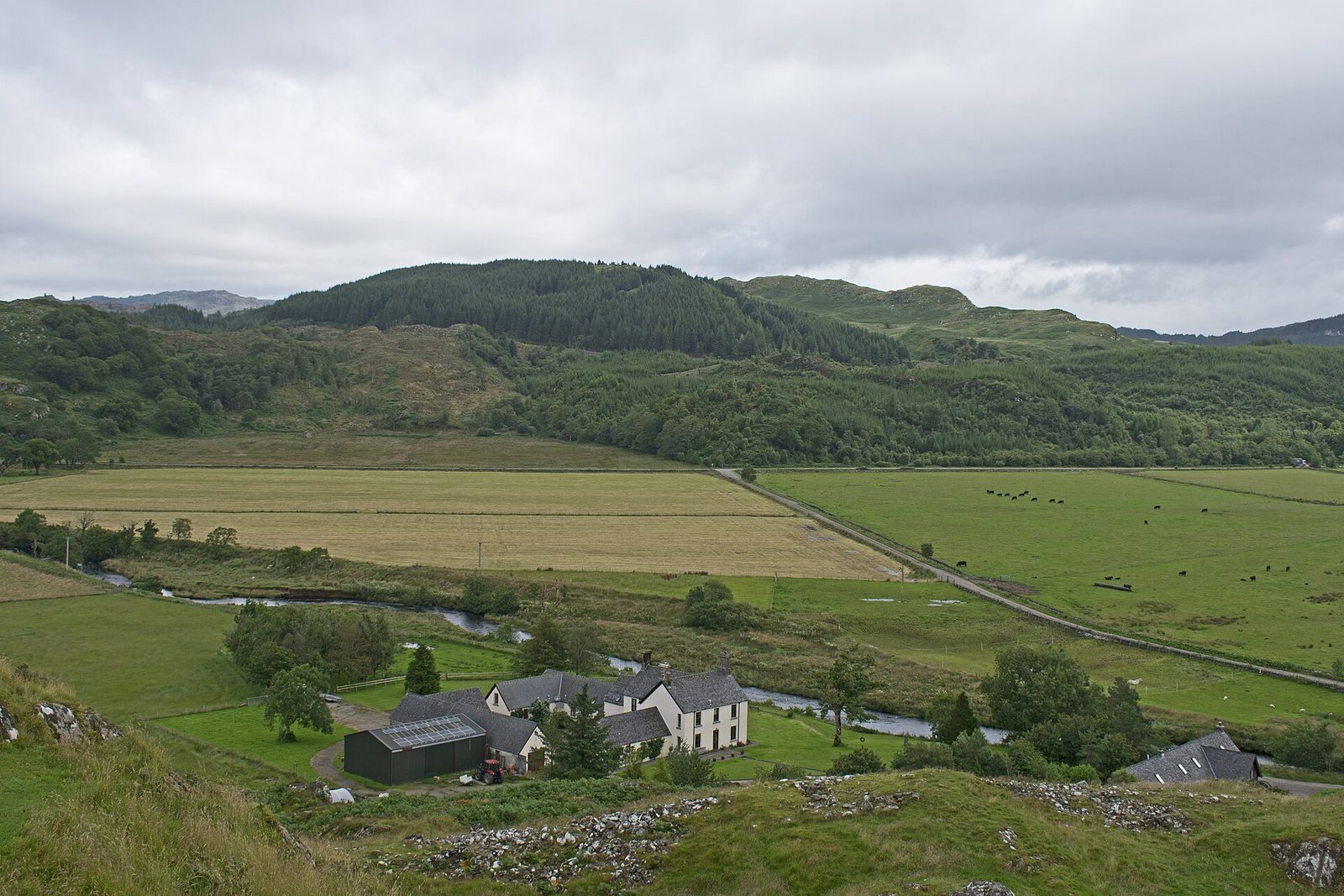
Dunadd is a rocky hillfort near the River Add, north of Lochgilphead in Scotland, United Kingdom. The site was occupied from the Iron Age, and the hillfort’s foundation is placed around the sixth century. In the early medieval period, the centuries following the end of the Roman Empire in western Europe, Dunadd became a seat of the kings of Dál Riata and is believed to have been the kingdom’s capital. Its Gaelic name, Dùn Ad, means “fort on the River Add.”
Iron Age and the Rise of Dál Riata
Dál Riata took shape in Argyll during the early centuries AD. Its Gaelic-speaking rulers had crossed from Ireland, and the kingdom’s territory extended from the northern Irish coast through Argyll and the Scottish islands.
Dál Riata may have emerged after Roman rule ended in southern Britain, amid incursions by Picts, a people of northern Britain, and forces from Dál Riata across Hadrian’s Wall, as well as Anglo-Saxon movement across the North Sea.
Sieges and Continued Occupation
Boggy ground around Dunadd strengthened its defenses. Changes in sea level left the crag as an island or promontory into historic times, but receding waters later made it more vulnerable to attack. In 683, Dunadd and Dun Duirn were besieged.
In 736, Aengus, son of Fergus and king of the Picts, ravaged Dál Riata, seized Dunadd, burned Creic, and captured two sons of Selbach. Occupation continued after the attack at least into the ninth century, and later references indicate that the site retained some importance.
Late Medieval and Early Sixteenth-Century Use
In 1436, Alan, son of John Riabhach MacLachlan of Dunadd, became seneschal, an official who administered an estate or territory, for the lands of Glassary. In June 1506, commissioners appointed by James IV, king of Scotland from 1488 to 1513, met at Dunadd to collect rents and settle feuds. The commissioners included the earl and bishop of Argyll.
Excavations
Excavations took place in 1904–05, 1929, and 1980, with archaeologist Alan Lane among the excavation directors. The finds form one of Scotland’s most important assemblages from an early medieval site.
Remains
The ruined hillfort is built of stone, with an upper enclosure occupying the summit of the rocky crag. Much of the surrounding land has been reclaimed; it was once a bog known as Mòine Mhòr, meaning “Great Moor.”
Enclosure and Residence
A path carved through the rock lies near the summit enclosure. Below the fort stood the principal residence of the MacLachlans of Dunadd.
Carved Rock
A flat rock outcrop bears a carved human footprint and a basin, features thought to have formed part of a Dál Riata coronation ritual. The same outcrop carries an incised boar in Pictish style and an inscription referring to Finn Manach. The inscription is in ogham, an early script whose letters use strokes arranged along a line or edge, and dates from the late eighth century or later.
Finds and Nearby Connections
Objects from the sixth to eighth centuries include tools, weapons, quernstones, stones used to grind grain, imported pottery, pieces with decorative motifs, and moulds for fine metalwork, especially jewellery. Excavations at Bruach An Druimein, seven kilometres north of Dunadd, recovered two medieval glass beads whose chemical compositions resemble those of beads from the hillfort. This resemblance has led archaeologists to propose that the beads came from Dunadd and that Bruach An Druimein was associated with, or controlled by, the fort.