Dolmen de Axeitos: A Neolithic Passage Grave in Galicia
Site at a Glance
- Popularity
- Medium
- Country
- Spain
- Primary era
- Stone Age
- Eras represented
- Stone Age, Modern
- Civilizations
- Unclassified
- Site type
- Burial
- Remains
- Tomb
On this page7 sections
History
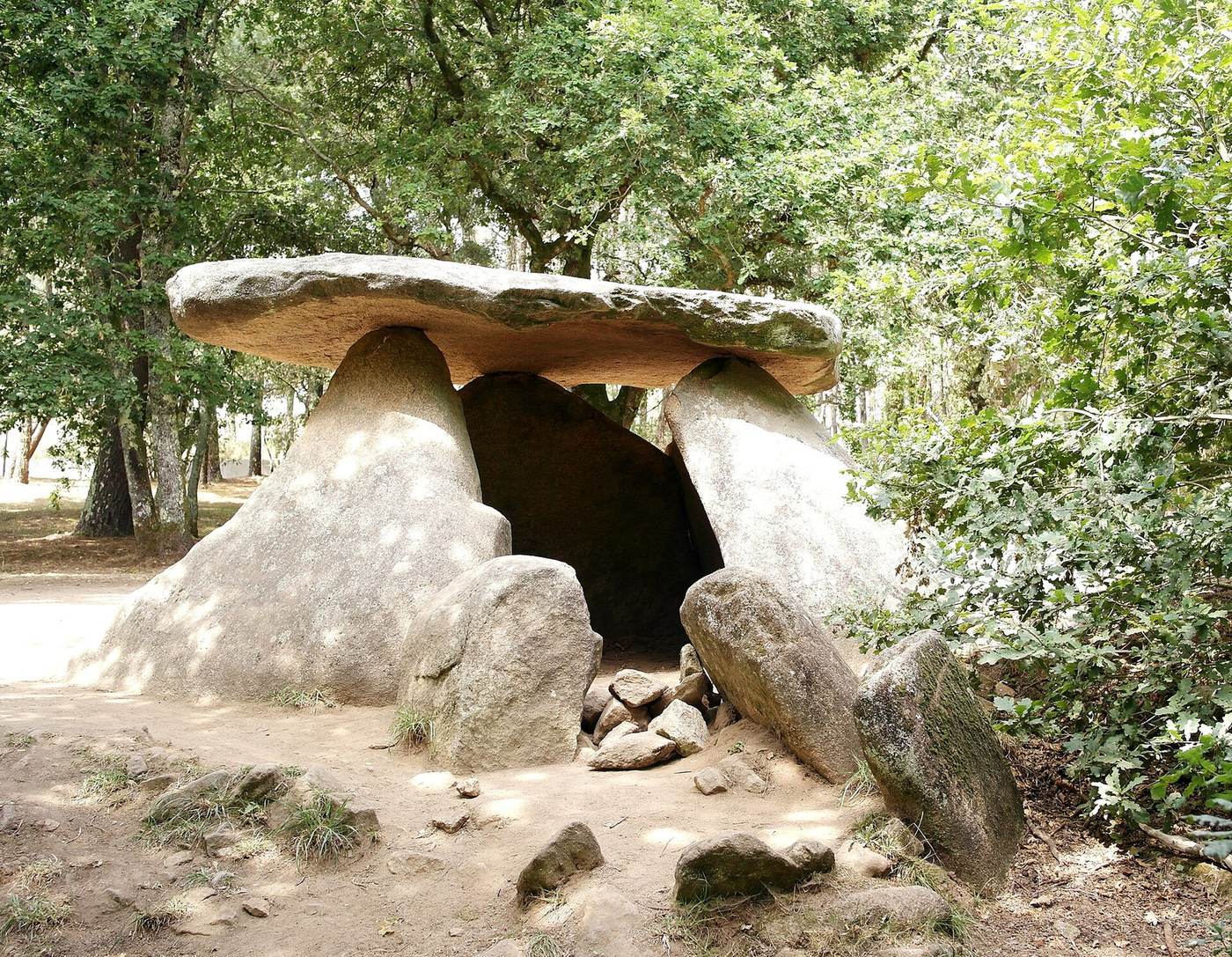
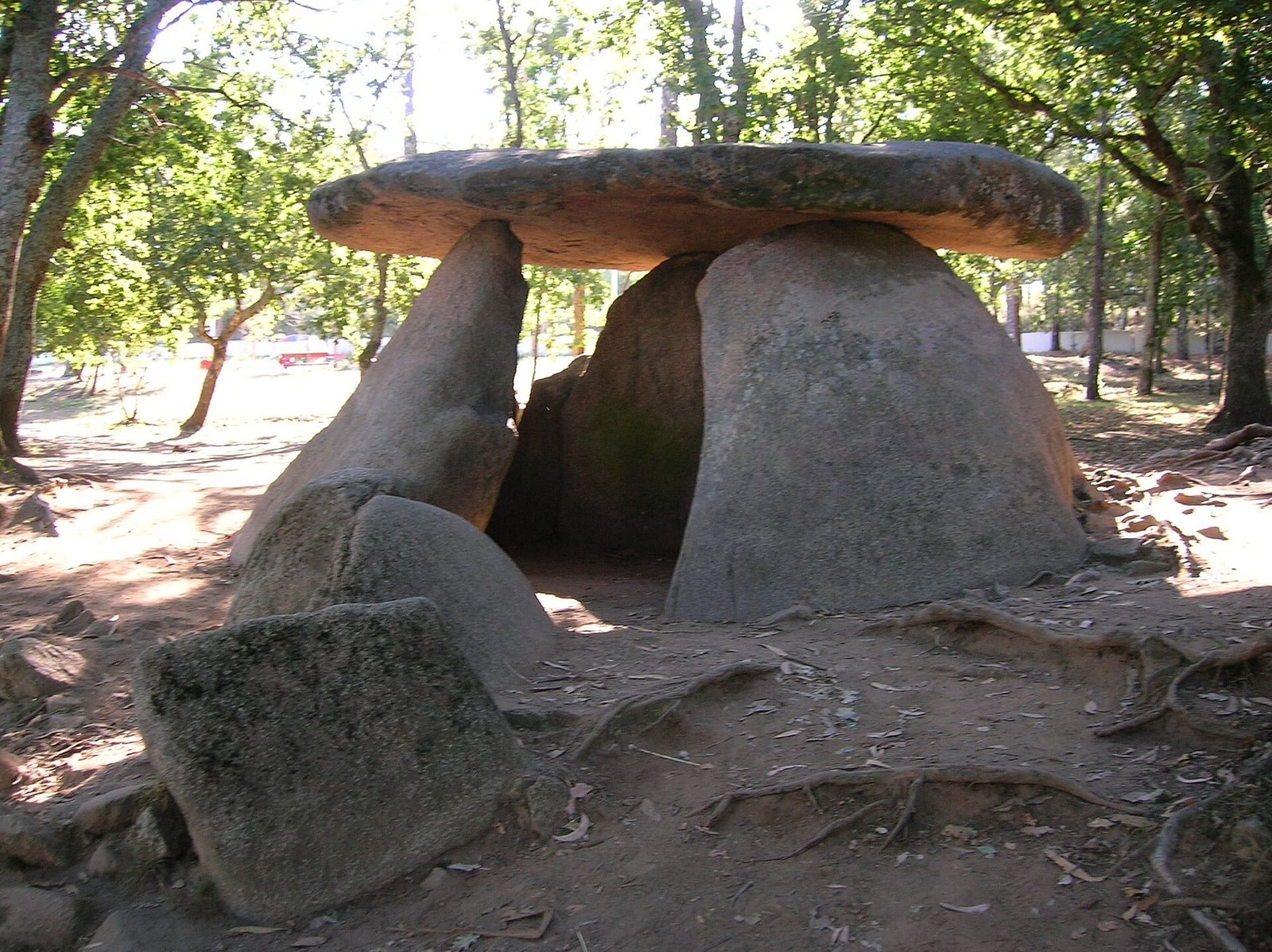
The Dolmen de Axeitos is a Neolithic passage grave, a tomb with a burial chamber reached through a passage, in Ribeira, A Coruña, Spain. Dating to between 4000 and 3600 BC, it belongs to the Galician cultural tradition. The Neolithic was a prehistoric period associated in many regions with settled farming communities. The dolmen is regarded as one of the best-preserved in the region and has been nicknamed the “Parthenon of Galician megalithism,” comparing its place in the regional tradition with the ancient temple in Athens.
Neolithic funerary use
The monument served as a tomb. Dolmens of this kind were generally used for collective burials, though notable people could also be buried individually, and grave goods commonly accompanied the dead. Looting at Axeitos left no burial remains.
Protection and archaeological work
The land beneath the dolmen became public property in 1975. On 11 March 1978, the monument was declared historic-artistic and archaeological, and it is listed in Spain as an Asset of Cultural Interest, a formal heritage designation. Archaeological excavations took place in 2003. In 2019, the Provincial Council of A Coruña acquired 6,800 square metres around the monument to enhance the site. Further vandalism occurred in 2020.
Remains
The monument stands in chestnut woodland on the Barbanza Peninsula, within the area of the Corrubedo dune complex and the Carregal and Vixán lagoons. It lies in Oleiros parish, northwest of the village of Axeitos. The east-oriented stone tomb occupies the top of a mound and formed part of a passage grave covered by a tumulus, or burial mound, which may have been surfaced with stones.
Chamber and passage
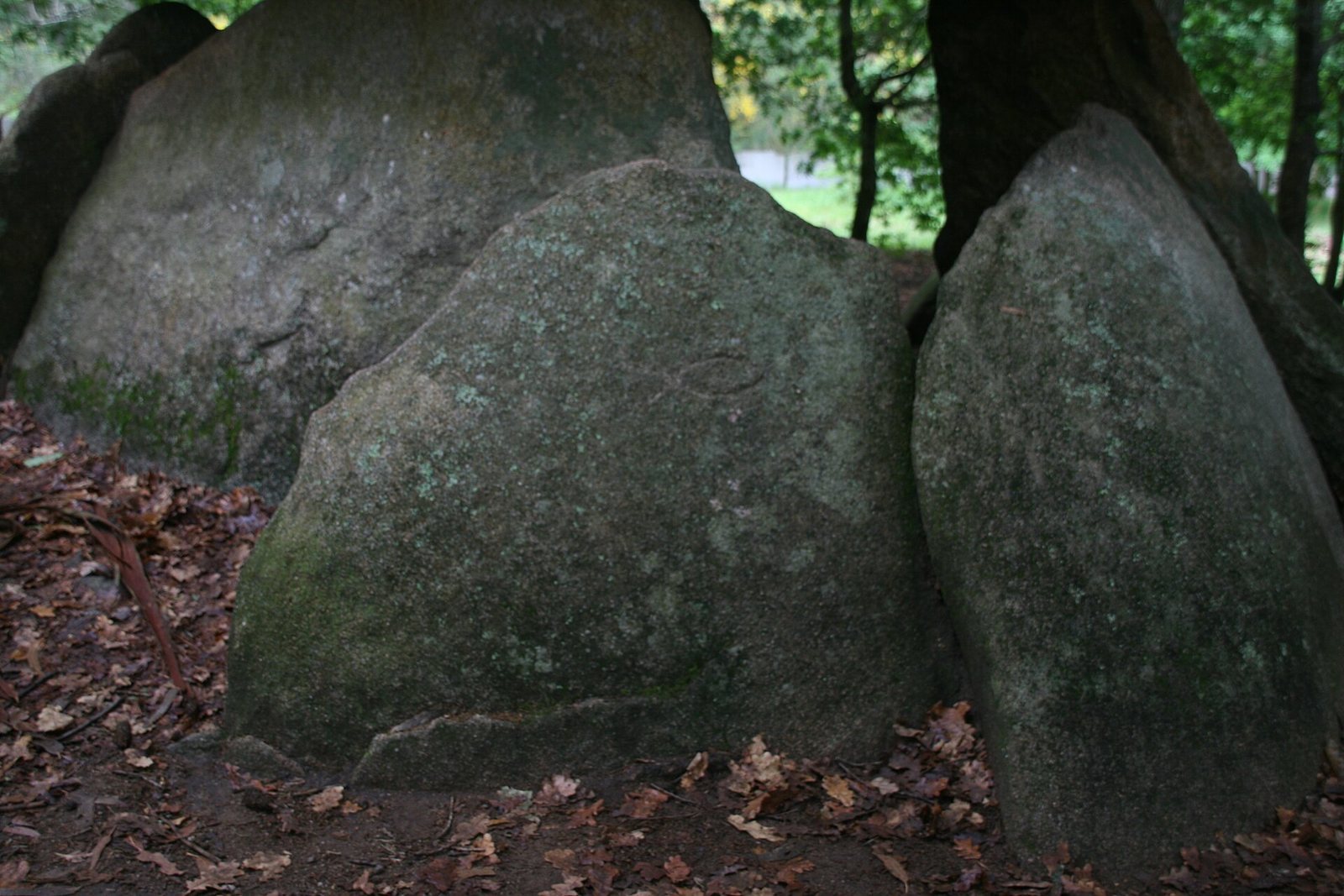
Eight upright stone slabs form the burial chamber, which measures 2.4 by 3.2 metres and stands about 2 metres high. A single roof slab, 3.5 by 4.5 metres and up to 60 centimetres thick, covers it. Three smaller stones survive from the passage. The roof slab does not have the 20-to-25-degree tilt described as typical of Irish dolmens.
Stone markings and finds
Two incisions appear on one side of the stone, with painted motifs on the other. A cross-shaped incision is usually interpreted as a stylized human figure. Some carvings are later additions: vandalism around 1997 included a fish figure, a motif also found on early Christian monuments. Several remains and idols from the dolmen are preserved at the Archaeological Museum of A Coruña.
Recent physical changes
A 2022 redesign added a fenced perimeter, gravel paths, and a planted hedge around the site.