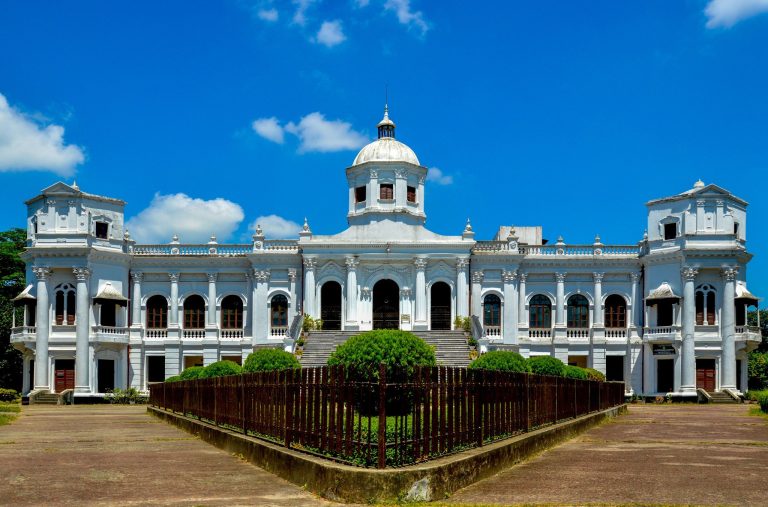
Dinajpur Rajbari: A Historic Palace Complex in Bangladesh
Site at a Glance
- Rating
- 4.2
- Popularity
- Medium
- Country
- Bangladesh
- Primary era
- Early Modern
- Eras represented
- Early Modern, Modern
- Civilizations
- Unclassified
- Site type
- Domestic
- Remains
- Palace
On this page7 sections
History
Dinajpur Rajbari is a historic palace complex in Bangladesh that served as a symbol of the greater Dinajpur district from 1806 to 1951. Associated with both regional rulers and zamindars, it is regarded as one of the oldest palaces in the country.
Uncertain origins and successive rulers
The palace’s origins remain uncertain. Local historians attribute its establishment to Raja Dinaraj Ghosh, while other documentation names King Srimanta Dutta as its founder. Another tradition identifies Raja Ganesha as the founder in the early fifteenth century. Different rajas and zamindars, landholding revenue administrators under the zamindari system, developed parts of the complex at different times.
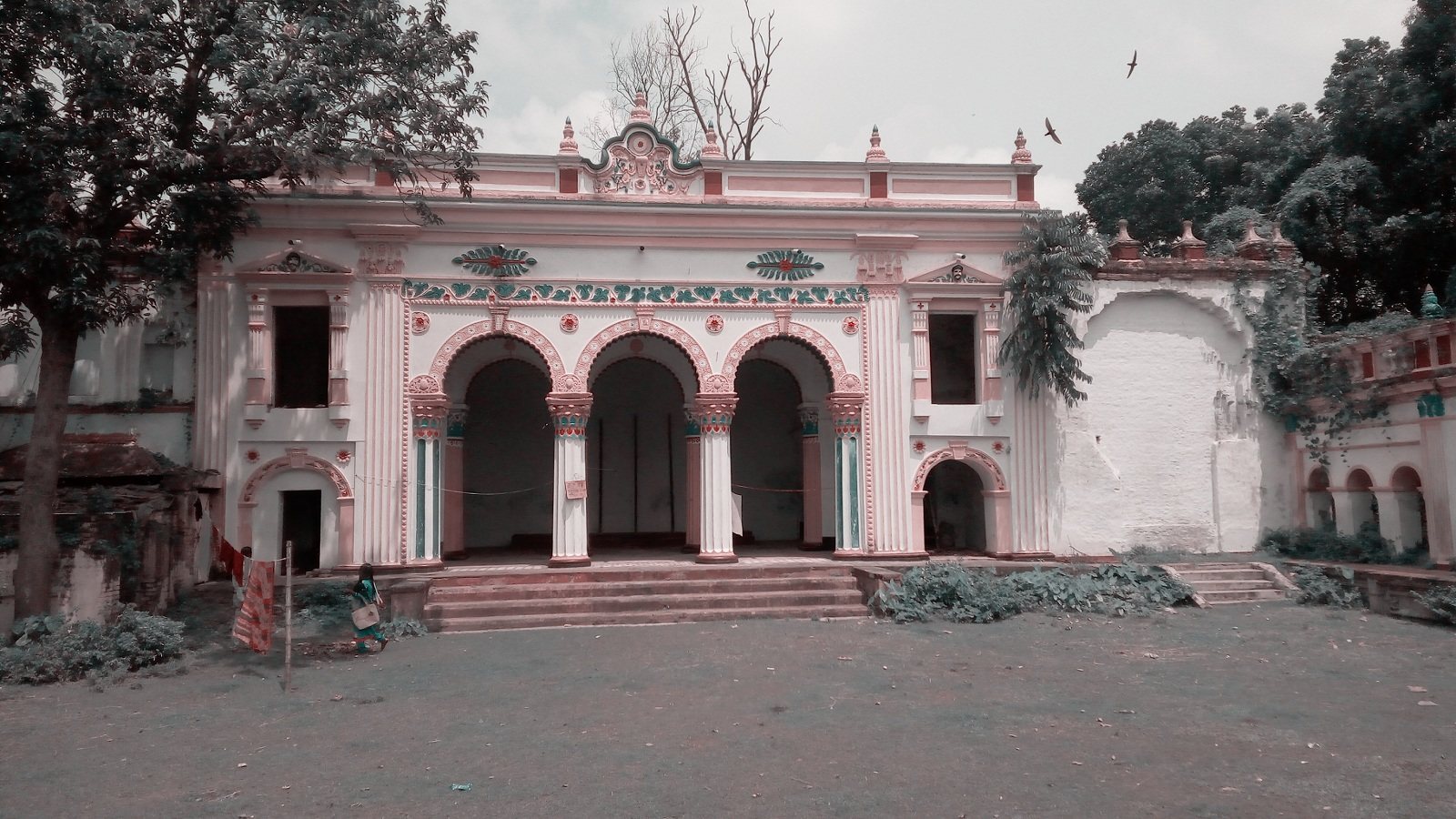
The Aina Mahal was built during the reigns of King Prananath and Ramnath. Its functions included judicial, residential, cultural, and storage uses, reflecting the range of activities associated with the palace.
Partition, abolition, and state ownership
After the 1947 Partition of British India, which created India and Pakistan and caused major population movements, Maharaja Girijanath left the palace with his family for India. The palace was abandoned after the zamindari system was abolished in 1951.
The East Bengal State Acquisition and Tenancy Act of 1950 transferred zamindari estates and related land rights to the government, bringing ownership of Dinajpur Rajbari under state control. During the East Pakistan period under the Ayub Khan regime, palace furnishings and objects, including furniture, silver weapons, and bronze utensils, were sold.
Remains
Palace complex
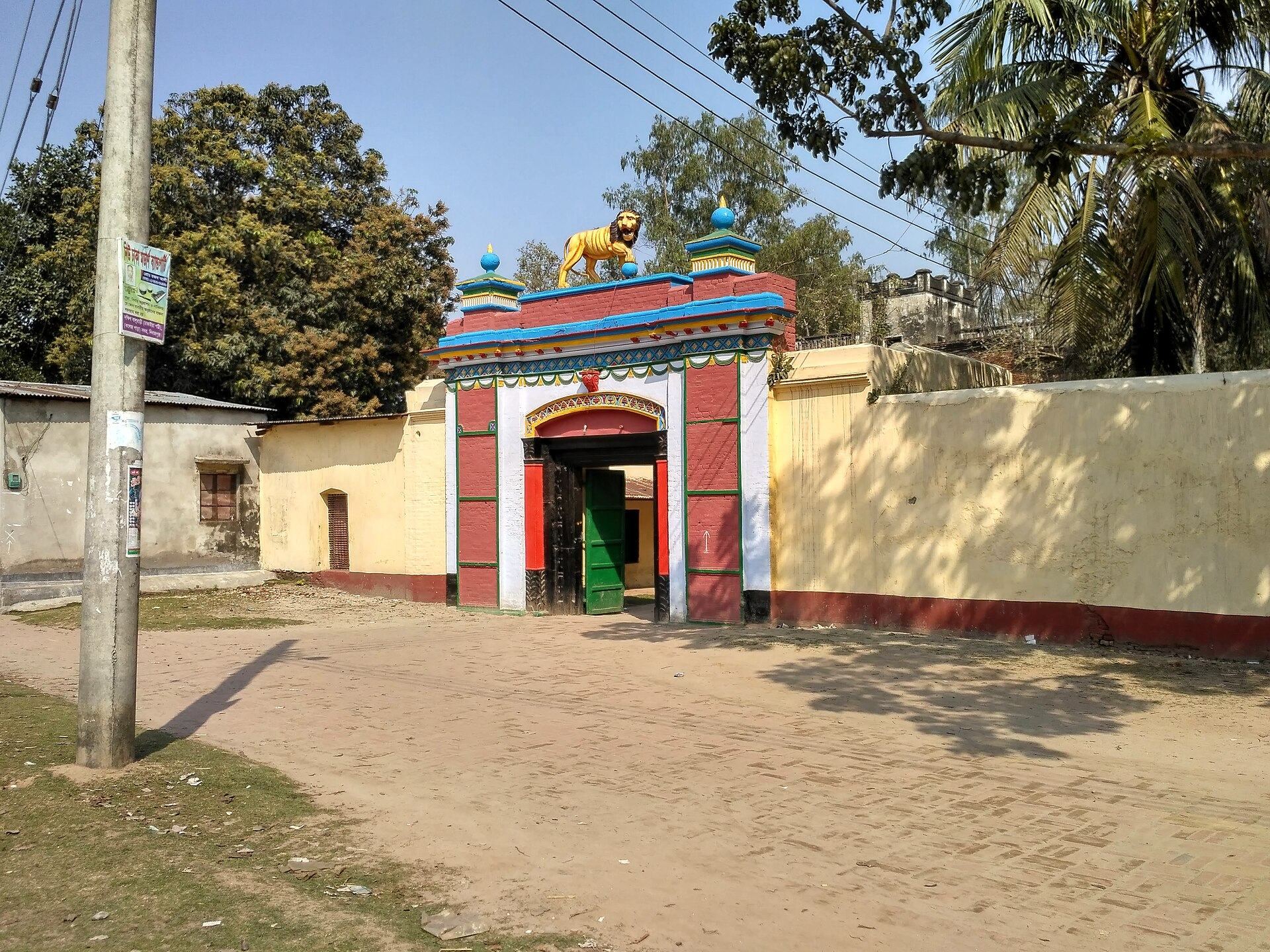
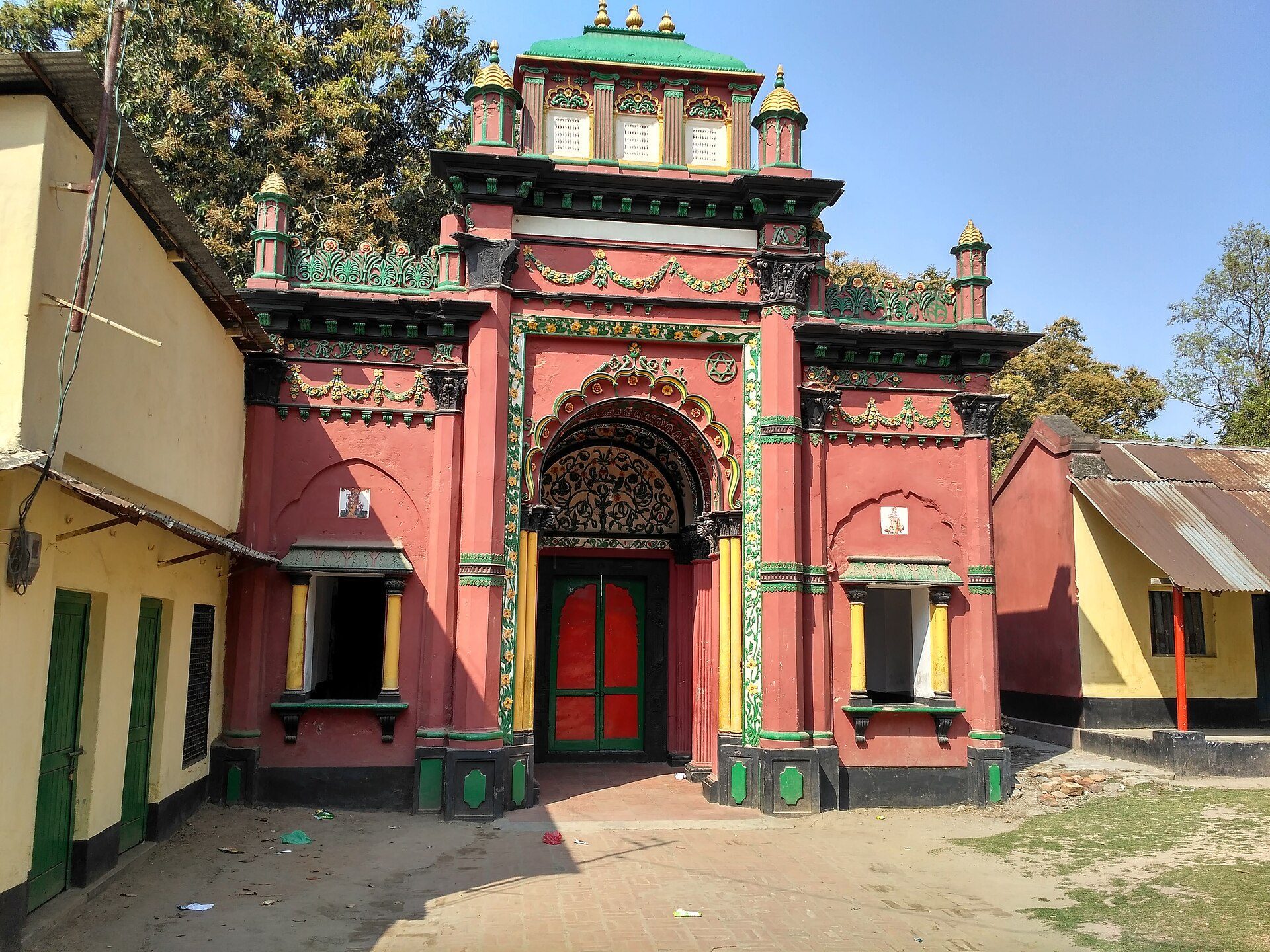
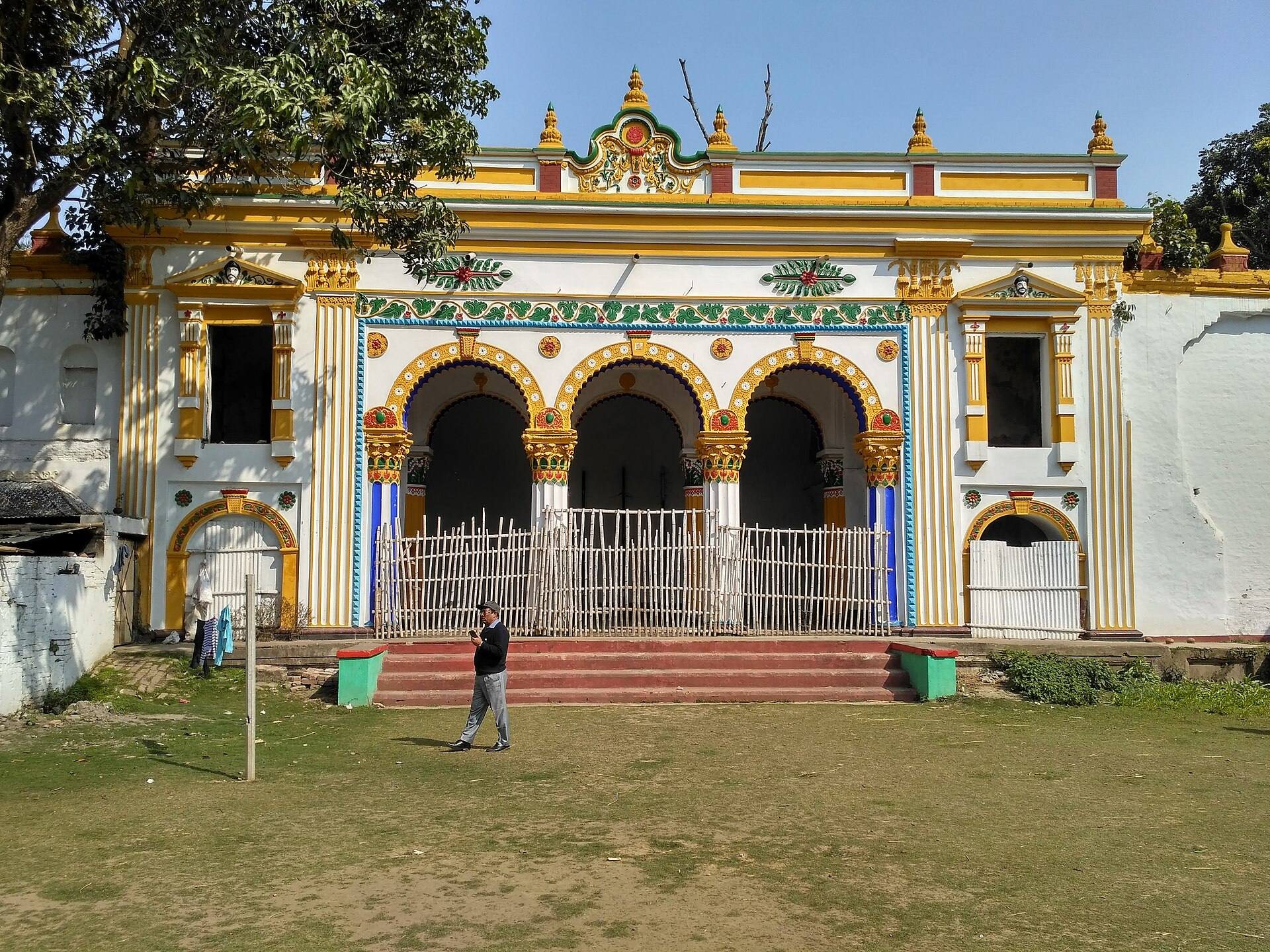
Dinajpur Rajbari occupies 16.41 acres, and much of its structure is now in ruins. The complex is divided into three major sections, or mahals, meaning principal divisions of a palace or residential complex. Among them are the Aina Mahal and the Rani Mahal.
Aina Mahal
The Aina Mahal included a courthouse decorated with glass and marble, a library, and a treasure house. It also contained the Jalsa Ghar, an assembly and reception hall used for musical or other cultural gatherings.
Rani Mahal
Part of the older Rani Mahal was demolished during the 1930s. A replacement building was then constructed as a family shelter under the administration of the Department of Social Services.