Daifukuji Buddhist Temple: A Koyasan Shingon and Shugendo Temple in Japan
Site at a Glance
- Rating
- 4.6
- Popularity
- Very Low
- Country
- Japan
- Primary era
- Early Modern
- Eras represented
- Early Modern
- Civilizations
- Tokugawa
- Site type
- Religious
- Remains
- Sanctuary
On this page12 sections
History
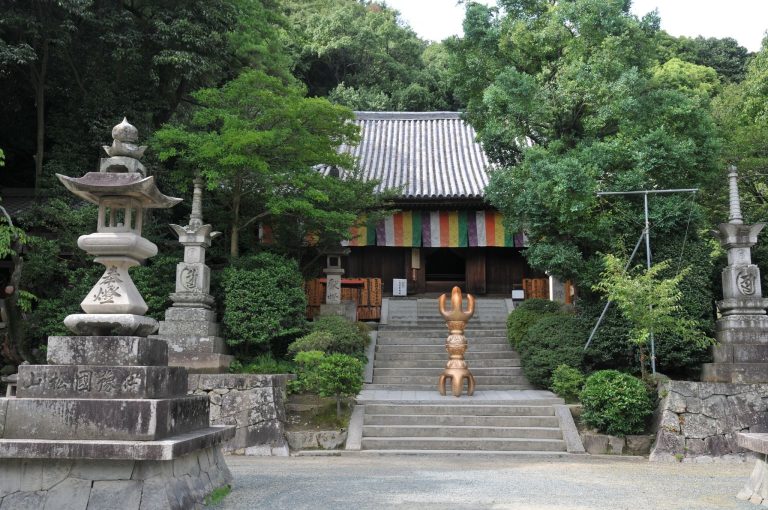
Daifukuji Buddhist Temple is a Koyasan Shingon Buddhist temple in Japan, in Arakawa, Saijo, Ehime, traditionally founded in 740 by the priest Gyoki during the reign of Emperor Shomu. It is also associated with Shugendo, a Japanese mountain-ascetic tradition combining Buddhist, Shinto, and other religious practices, and with yamabushi, its mountain practitioners. The temple’s formal mountain name is Nanreizan.
Foundation traditions
The temple tradition connects Daifukuji’s foundation with Gyoki’s travels in support of the construction of the Great Buddha at Nara. It also links the foundation with his religious practice on Mount Ishizuchi and devotion at Mount Kamegamori. There, he is said to have encountered Jizo Bodhisattva and carved the temple’s principal triad. Jizo is a compassionate Buddhist bodhisattva associated with protecting beings in difficult circumstances.
Originally called Nanreizan Jizo-in Daifukuji, the temple has a foundation tradition that regards Mount Ishizuchi as the Pure Land of Amida. This sacred landscape was believed to have been opened by Jinben Daibosatsu, the honorific name of En no Gyoja, a legendary ascetic traditionally regarded as a founder of Shugendo.
Destruction and relocation
During the Tensho-period wars, the temple buildings were burned in the upheaval associated with Chosokabe Motochika, the warlord who unified much of Shikoku during Japan’s civil-war period. In 1605, during the tenure of the priest Kanjun, Daifukuji moved from Mount Kamegamori to its present setting in Arakawa, Saijo.
The principal image is traditionally known as the “Eye-Pulling Jizo.” Worshippers believe that making vows to this image can cure eye ailments. A festival held in 2006 commemorated 400 years since the transfer from Mount Kamegamori to Arakawa and coincided with the opening of the principal image on its 100-year cycle.
Religious practice and community observance
Since the Edo period, Daifukuji has participated with nine other Shingon temples in the Saijo area in a rotating ten-year cycle of Nirvana services. A Nirvana service commemorates the Buddha’s death and includes prayers for the deceased and ancestral spirits. The temple also holds a spring Higan goma service. Higan is the Buddhist observance around the equinoxes associated with reaching the other shore of enlightenment.
Other observances include a major February festival for the Fudo triad, the Saijo Ishizuchi Mountain summer festival, mountain-circuit ascetic practice, and Shugendo fire-walking after a sacred goma fire. Goma is a ritual centered on a consecrated fire.
Remains
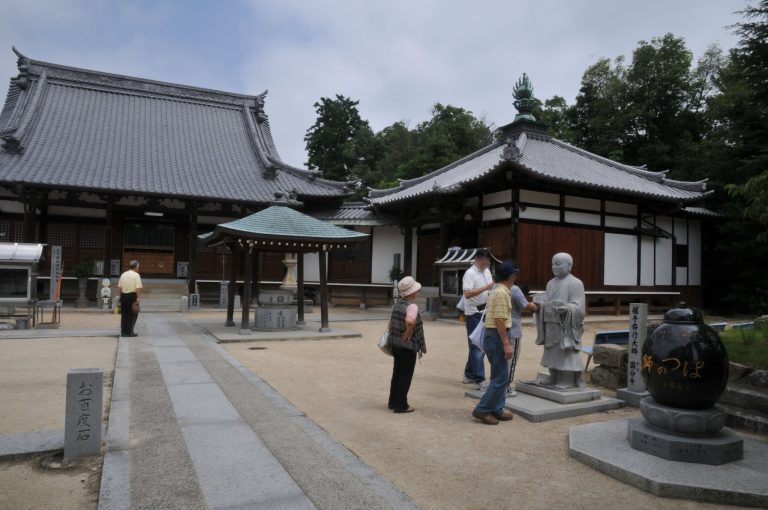
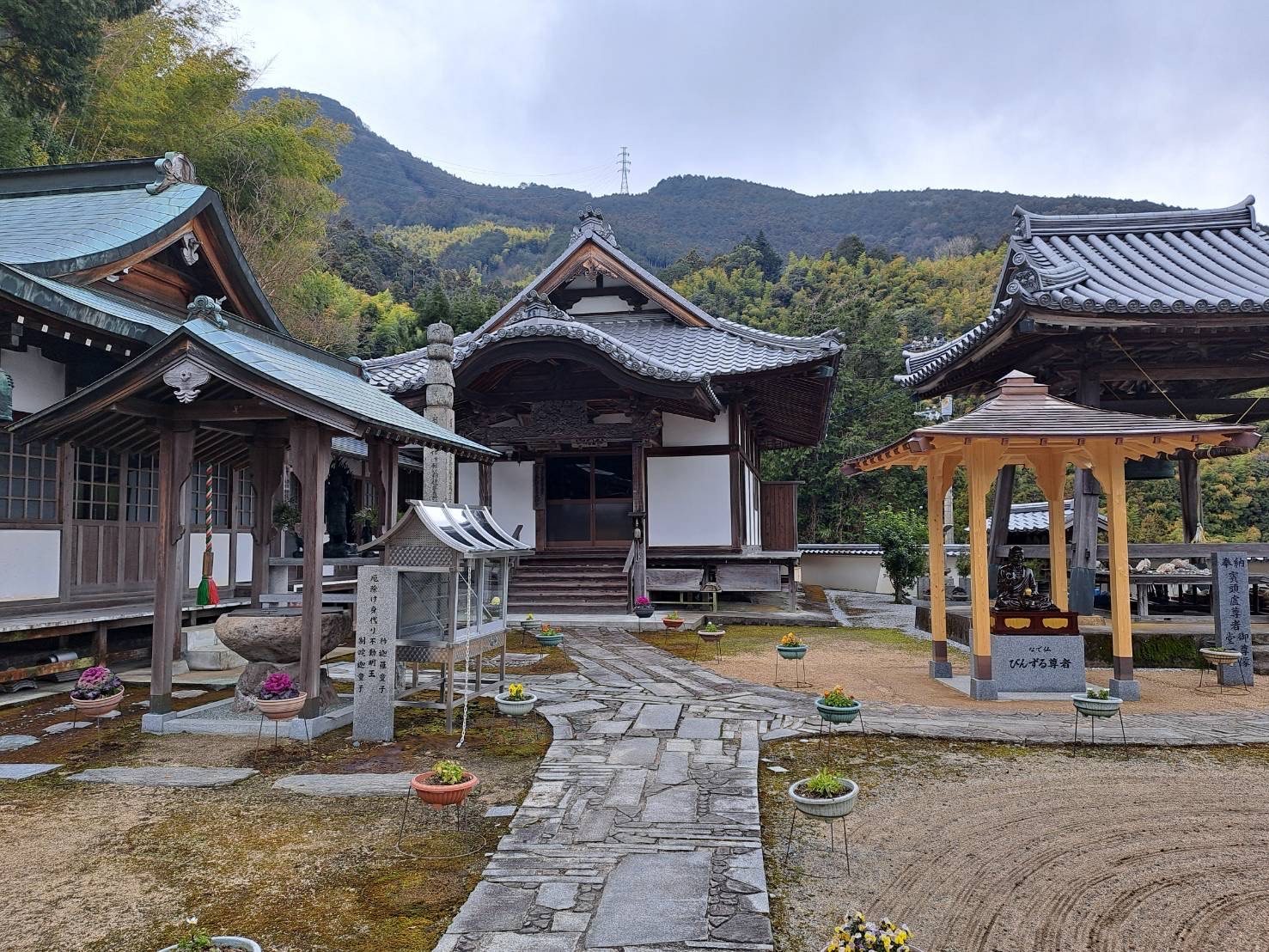
The precinct at Arakawa contains a main hall, a Fudo hall, a memorial hall, and additional halls and religious images. Its surviving arrangement brings together images connected with Jizo devotion, Fudo worship, mountain practice, memorial observance, and protection from misfortune.
Principal halls
Main hall
The main hall enshrines the hidden principal image known as the Enmei Jizo triad. At its center is Enmei Jizo Bodhisattva, also called Enmei Jizoson, flanked by the Good-Governing Youth and the Evil-Governing Youth. The Good-Governing Youth is identified with Kongara, whose underlying Buddhist identity is Fugen, a bodhisattva associated with Buddhist practice. The Evil-Governing Youth is identified with Seitaka, whose underlying identity is Monju, the bodhisattva of wisdom. Their roles are respectively connected with regulating the nature of Buddhist reality and defeating ignorance.
Fudo hall
The Fudo hall is a specialized place for prayer and goma practice within Shugendo. Its hidden principal image is Fudo Myoo, an immovable, wrathful Buddhist wisdom protector who subdues obstacles and delusion. Hidden attendant images represent Yudono Daigongen, Prince Shotoku, Jinben Daibosatsu, and the Eight Dragon Kings. A front image represents Ishizuchi Daigongen, a sacred manifestation associated with Buddhist and local mountain-religious traditions.
Memorial hall
The memorial hall is used for perpetual services for the deceased and for rites dedicated to ancestors and children who died through miscarriage, stillbirth, or abortion. Its function forms part of the temple’s continuing memorial and ancestral observances.
Additional devotional features
Jizo and Kannon images
Other features within the precinct include a Six Jizo Hall, a statue of Compassionate-Mother Kannon, and a Mizuko Jizo. The Six Jizo represent aid in the six Buddhist realms of existence, while Mizuko Jizo is associated with memorial rites for deceased children.
Fudo group and guardian images
The precinct also contains a three-image Fudo group associated with protection against misfortune and with taking the place of afflicted people in religious prayer. Bishamonten and Binzuru are also enshrined within the temple grounds.