Bekku Ōyamazumi Shrine: A Branch Shrine in Imabari, Japan
Site at a Glance
- Rating
- 3.8
- Popularity
- Very Low
- Country
- Japan
- Primary era
- Early Modern
- External website
- Open
- Eras represented
- Early Modern, Modern
- Civilizations
- Japanese, Tokugawa
- Site type
- Religious
- Remains
- Sanctuary
On this page13 sections
History
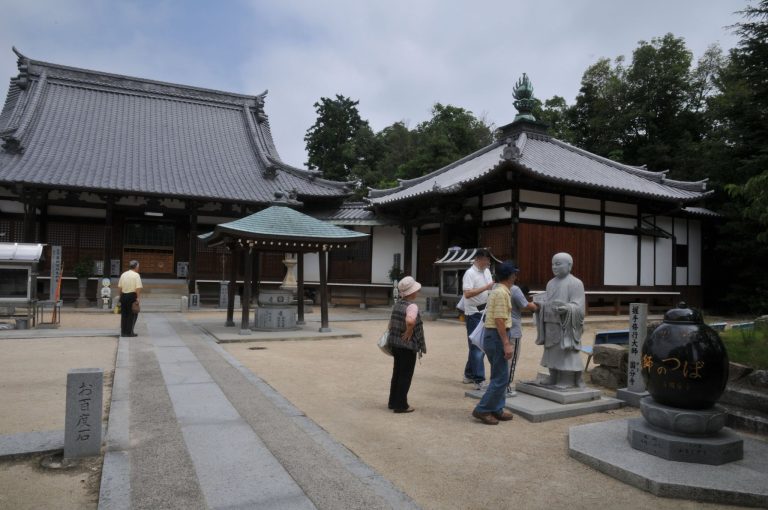
Bekku Ōyamazumi Shrine is a branch shrine of Ōyamazumi Shrine in Japan, located in Imabari, Ehime. Its traditions trace the foundation to 703, when Ochi Tamasumi, acting on an imperial command from Emperor Monmu, transferred the deity Ōyamazumi no Ōkami from Ōmishima and established a local sanctuary in Hie Township. Ōyamazumi Shrine was historically regarded as Japan’s general guardian shrine. The buildings at Bekku were completed in 712, a date that some traditions treat as the shrine’s foundation.
Foundation and Medieval Religious Development
The shrine’s hereditary priests belonged to the Bekku family, a branch of the Ōhōri family, which served as the hereditary priestly house of the principal shrine. During the Shōji era, from 1199 to 1200, eight of Ōmishima’s 24 monastic residences were transferred to Bekku. They became subtemples of Ōtsumizan Kōmyō-ji, a Buddhist institution involved in the religious administration of the shrine.
Tradition also associates the shrine with Kūkai, the Buddhist monk better known as Kōbō Daishi, who is said to have visited during the Kōnin era, from 810 to 824, and performed Buddhist rites there. As the Shikoku Eighty-Eight Temple Pilgrimage developed, Bekku became one of its stations. Pilgrims obtained their documents at Kōmyō-ji, while a formal pilgrimage also required a sea crossing to Ōmishima to visit the principal shrine and its associated Jingu-ji. Edo-period pilgrimage documents called the principal shrine the “Mishima Main Shrine” and did not assign it a station number.
Destruction, Rebuilding, and Early Modern Patronage
Lightning destroyed the shrine buildings by fire in 1551. Kurushima Michifusa rebuilt them in 1575. During the Tenshō era, from 1573 to 1592, Chosokabe forces burned the eight monastic residences. Only Nankōbō was later rebuilt, becoming the shrine’s associated temple. Pilgrims thereafter worshipped at the shrine and obtained their pilgrimage documents at Nankōbō.
Successive lords of the Imabari domain protected the shrine during the early modern period, including Tōdō Takatora. The separation of Buddhism and Shinto in the early Meiji period ended the institutional relationship with Nankōbō. Buddhist objects formerly kept in the main hall, including Honji Daitsu Chishō Nyorai, two attendant figures, and the Sixteen Princes, were transferred there, along with the pilgrimage station. The shrine’s name was also standardized in the form used by the principal shrine.
Modern Survival and Continuing Religious Connections
New shrine buildings were constructed in 1937. Bombing of Imabari in 1945 destroyed most of the complex, but the main hall survived. The former worship hall had been moved elsewhere in 1937 and used as a hall for votive tablets, allowing it to escape the bombing. During reconstruction it was returned to its original position and restored for use as the worship hall.
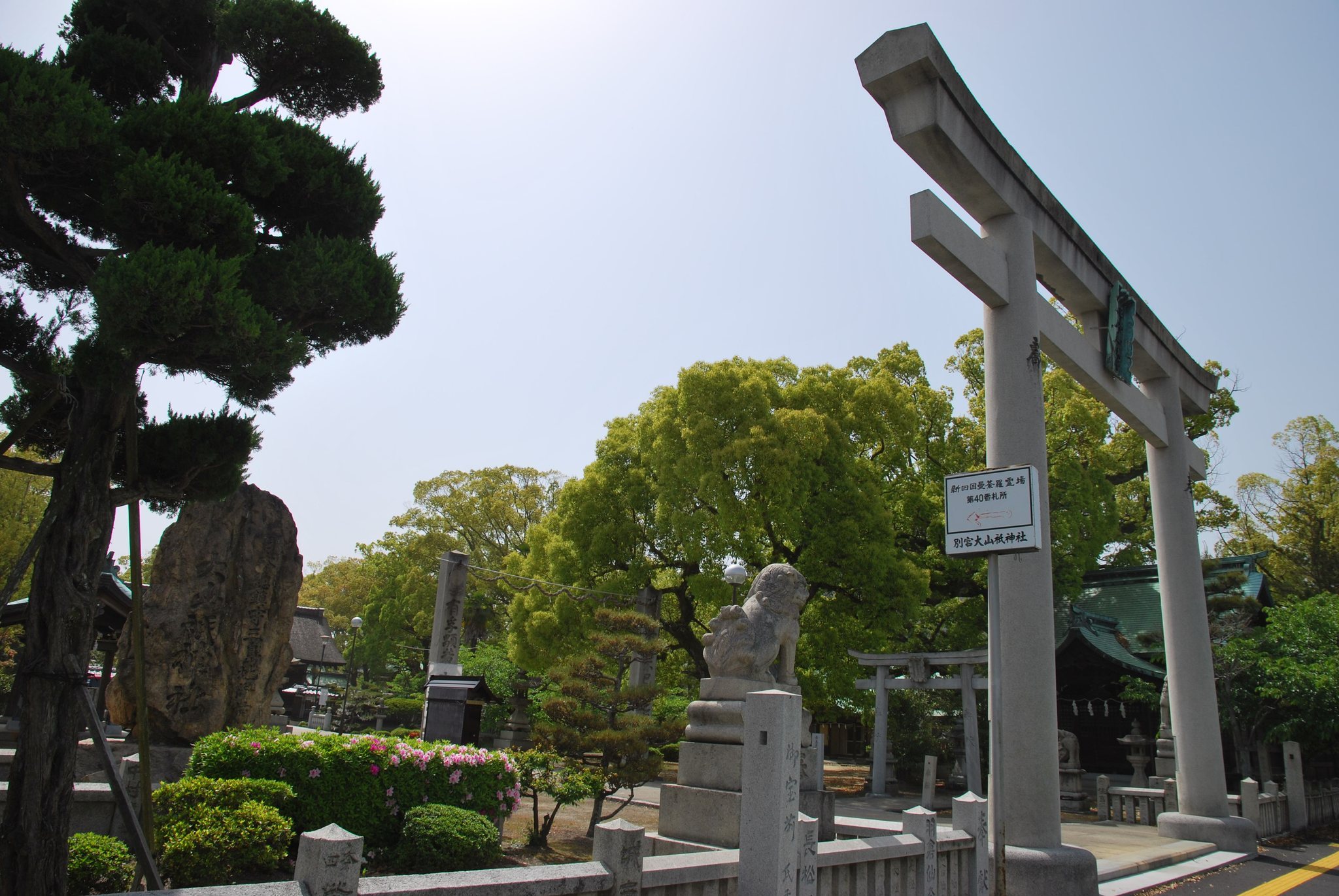
Bekku Ōyamazumi Shrine is the 40th station of the New Shikoku Mandala Pilgrimage, a later network of Buddhist sacred sites associated with the wider tradition of the Shikoku pilgrimage. Its grounds remain adjacent to Nankōbō, and visiting both sites continues as a local religious practice. The worship hall has an Ehime Prefecture designation, while Imabari City designations from 1965 to 1984 cover a stone lantern, a votive tablet showing a white horse, and a camphor tree.
Remains
Principal Shrine Buildings
Main Hall
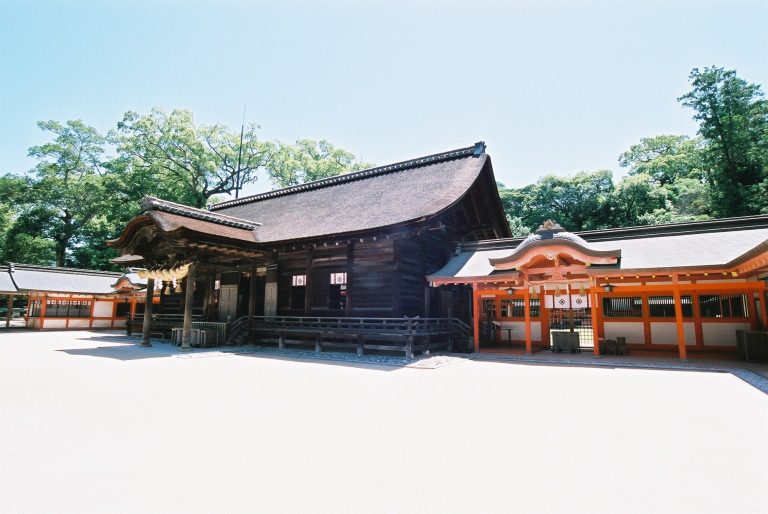
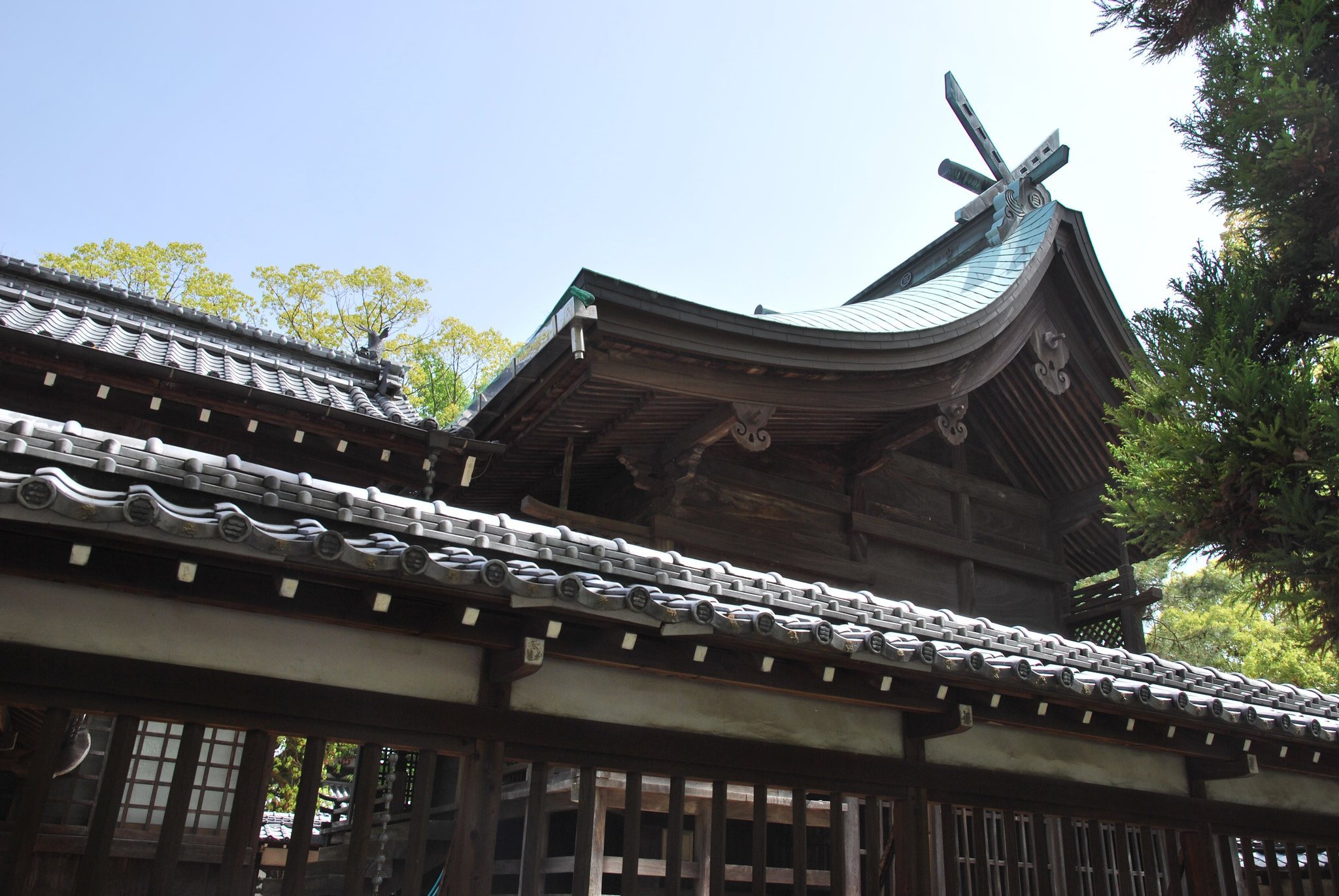
The main hall is the surviving principal sanctuary of the complex. It remained standing when the 1945 bombing destroyed most of the surrounding shrine buildings, preserving the central structure of the postwar site.
Worship Hall
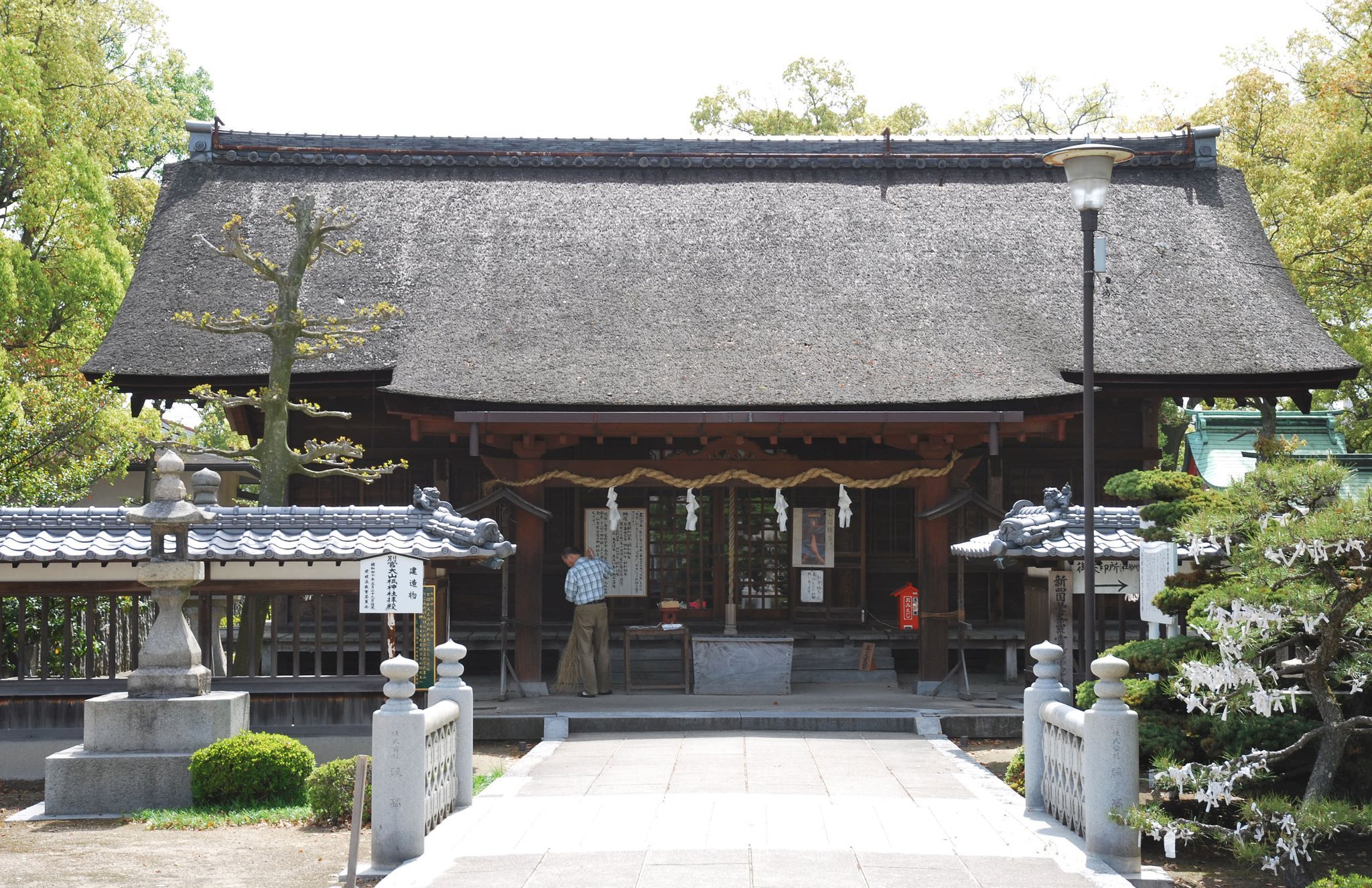
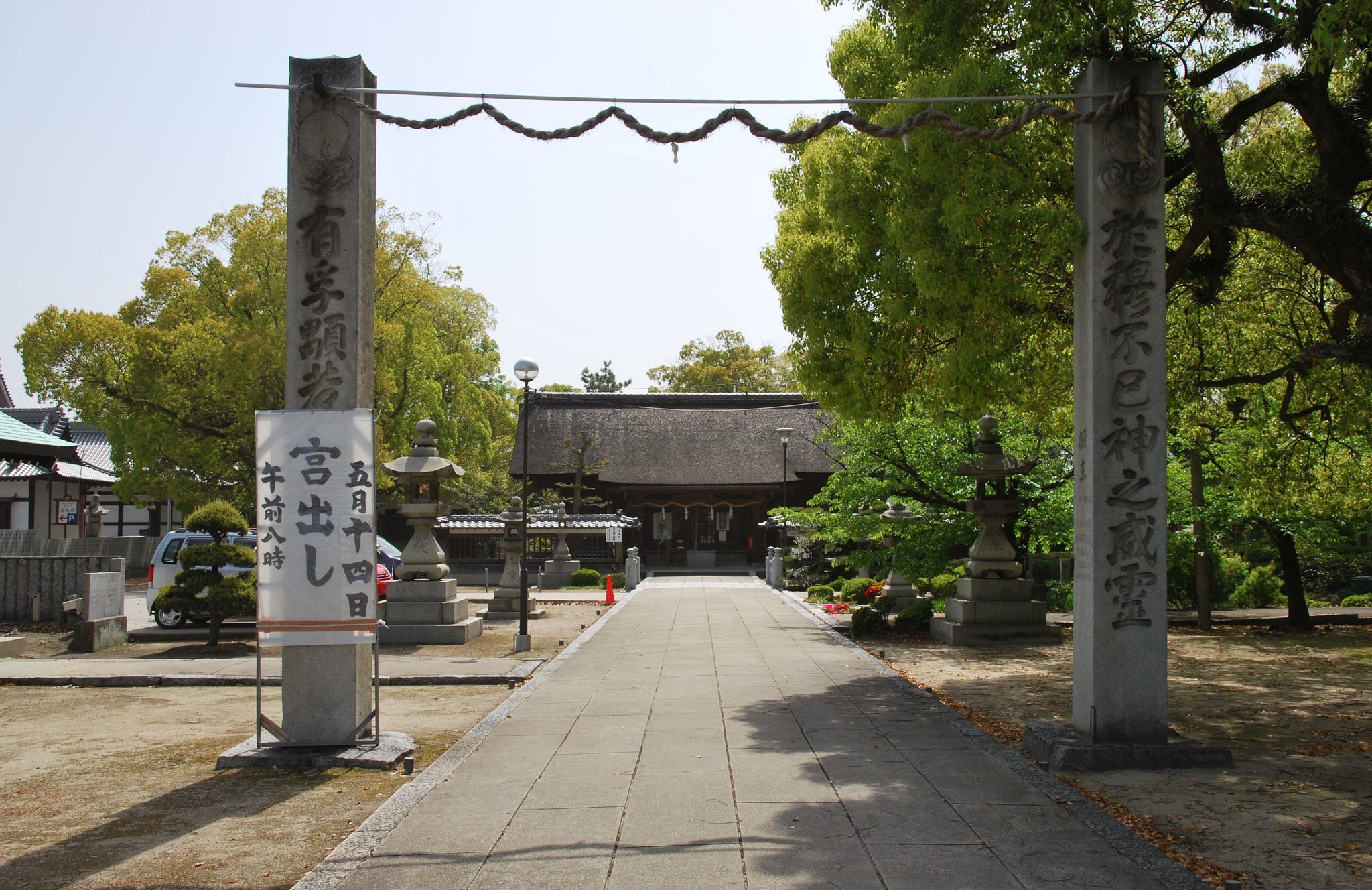
The worship hall was rebuilt by Kurushima Michifusa in 1575. It is a single-story, gabled building with a cypress-bark roof, five bays across the front and four bays in depth. The front worship area was enlarged in 1719, and the structure underwent dismantling, repair, and restoration in 1962. Its move in 1937 and later return to its original position form part of the building’s unusual survival history.
Subsidiary Shrines and Grounds
Anaba Shrine
Anaba Shrine enshrines Iwanagahime no Ōkami, identified as the elder daughter of Ōyamazumi no Ōkami. It is a branch shrine of the Anaba Shrine on Ōmishima.
Narahara Shrine
Narahara Shrine enshrines a transferred spirit from Narahara Shrine on the summit of Mount Narahara, formerly in Tamagawa Township, Ochi District. The spirit was moved to Bekku after the parishioners of the mountain settlement left and relocated to Imabari.
Kōjin Shrine
The building now called Kōjin Shrine was originally constructed in 1794 as Marishiten-gū. It enshrines Sanbō Kōjin and Ōnamuchi no Kami.
Other Features
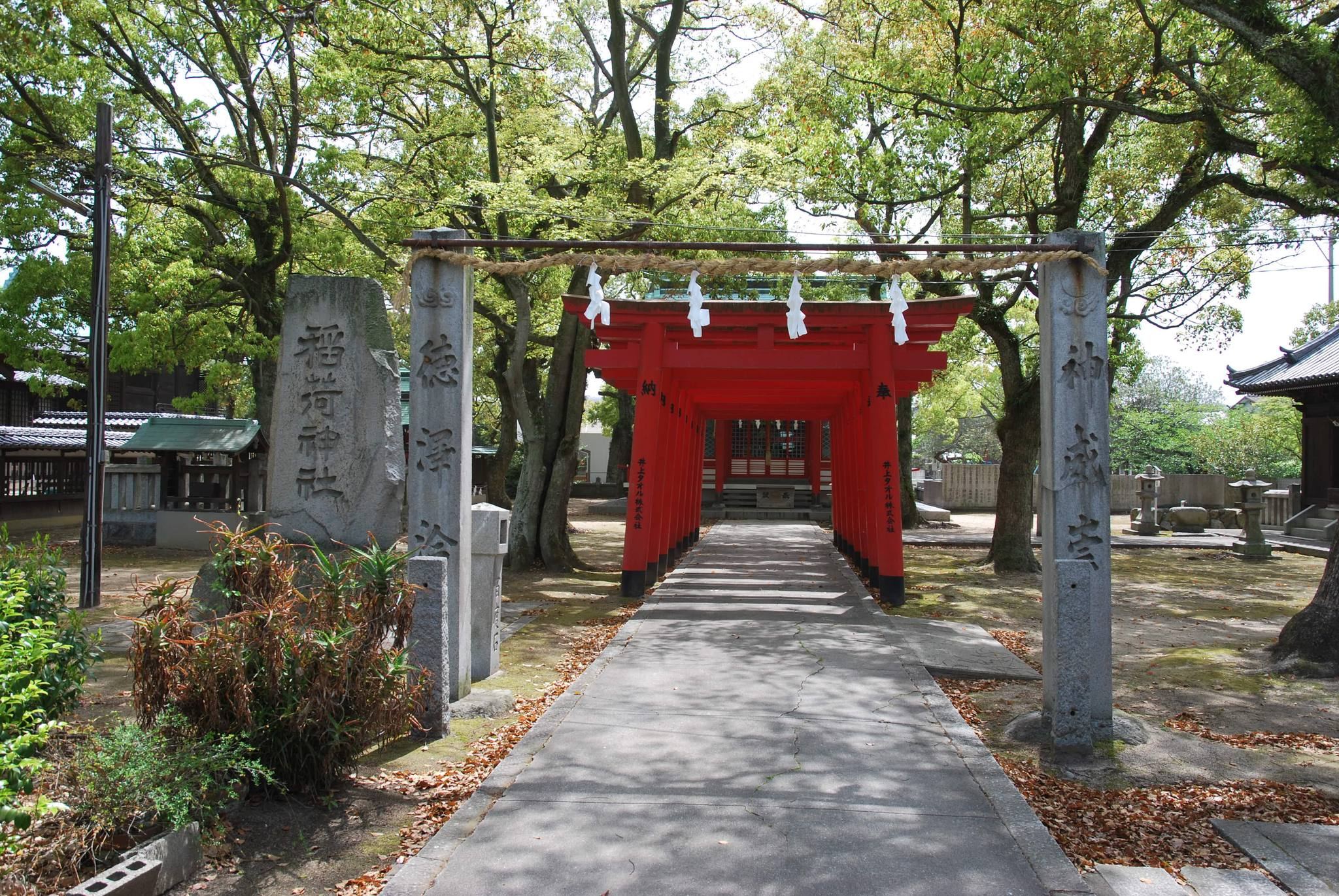
An Inari shrine also stands within the grounds. The precincts contain a stone lantern associated with Rikai-ni and a camphor tree designated as a natural monument. The shrine gate bears the inscription “Mishima Jigozen, General Guardian of Japan.”