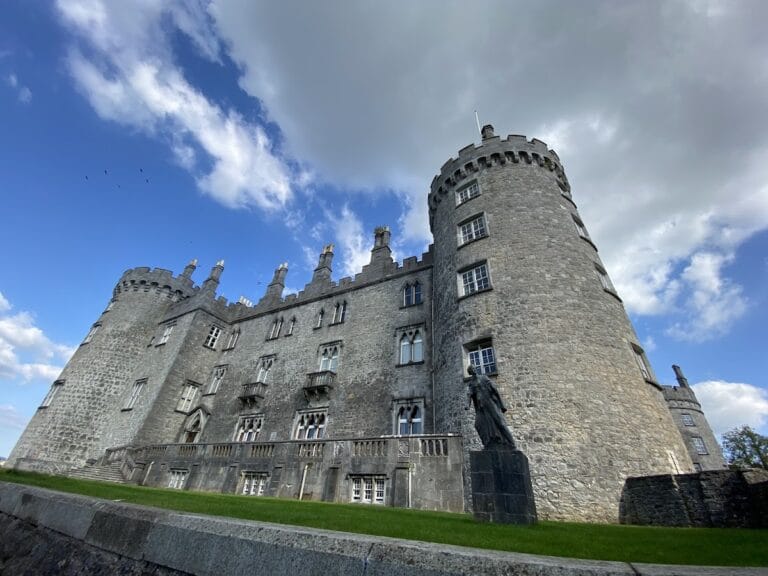
Clomantagh Castle: A Fifteenth-Century Tower House in Ireland


Site at a Glance
- Rating
- 4.4
- Popularity
- Very Low
- Country
- Ireland
- Primary era
- Medieval
- Eras represented
- Medieval
- Civilizations
- English
- Site type
- Military
- Remains
- Castle
On this page7 sections
History
Foundation and Butler Ownership
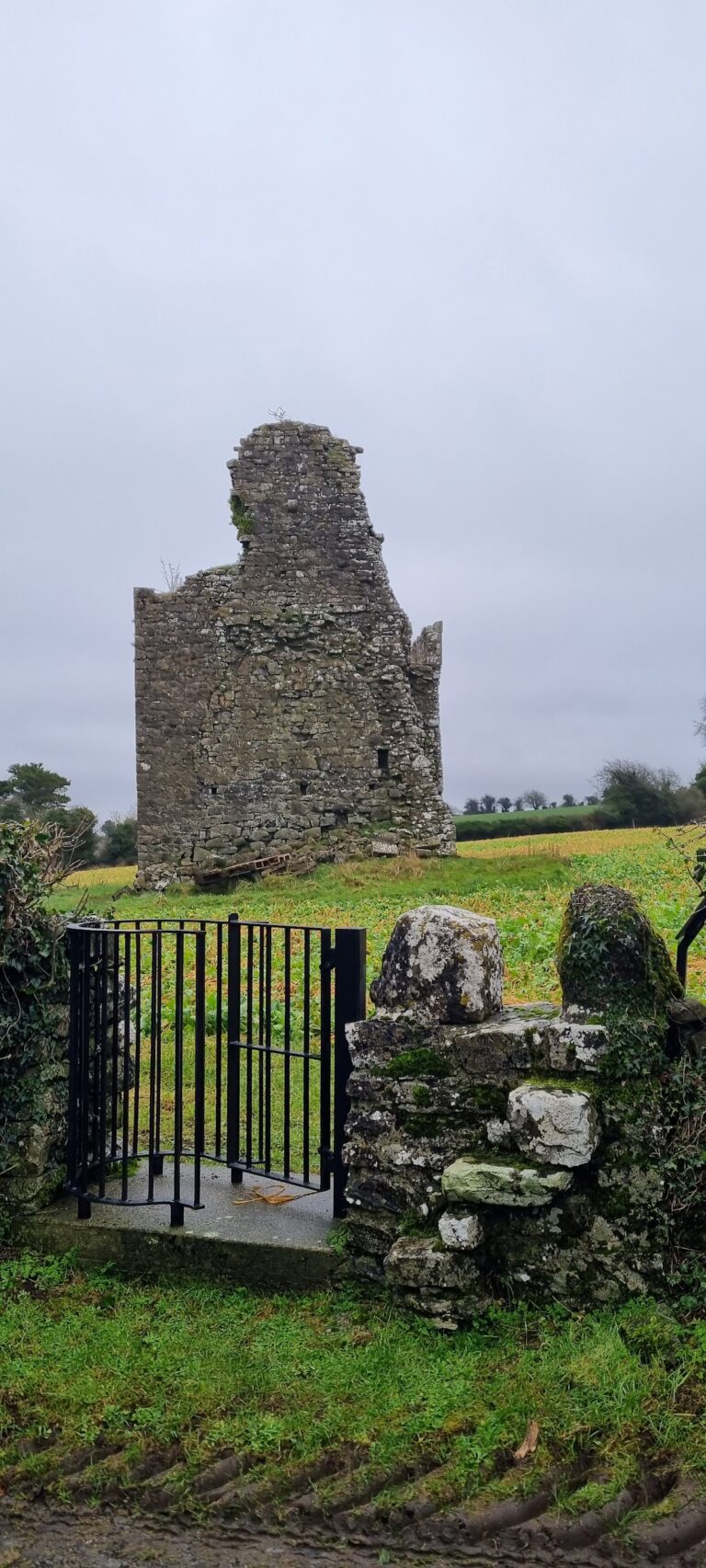
Clomantagh Castle is a fifteenth-century tower house in Ireland, near Freshford in County Kilkenny. Originally constructed in the 1430s, it was a fortified stone residence that combined domestic accommodation with defensive features. The castle stood on lands owned by the Earls of Ormond, an aristocratic branch of the Butler family.
When Pierce “Ruadh” Butler, 8th Earl of Ormond, died in 1539, the castle passed to his son Richard Butler, 1st Viscount Mountgarret. It remained with the Butlers of Mountgarret through the sixteenth and seventeenth centuries.
Confiscation and Later Development
Clomantagh Castle left Butler ownership after the Cromwellian conquest of Ireland, the seventeenth-century military campaign led by Oliver Cromwell and parliamentary forces that was followed by extensive confiscation of land.
Further buildings and outbuildings were added in later centuries. These included a connected farmhouse dating from the nineteenth century. Renovation work carried out in the late twentieth century received an award from the Royal Institute of the Architects of Ireland.
Remains
The surviving complex is organized around the original fifteenth-century tower house, with later buildings, outbuildings, and a connected nineteenth-century farmhouse forming additions to the principal structure. Its fabric therefore reflects both the defensive residential character of the medieval tower and subsequent phases of domestic development.
Principal Buildings and Carvings
Fifteenth-Century Tower House
The principal structure is the tower house built in the 1430s. Its form belongs to a type of fortified stone residence designed for both household use and defense. Carvings on the castle walls include a Sheela na gig, a medieval carved female figure shown nude with exaggerated genitalia. The relief is described as a symbolic pagan figure, although the original meaning of this type of carving remains debated.
Farmhouse and Later Additions
Later construction added further buildings and outbuildings to the castle complex. A connected farmhouse from the nineteenth century is among these additions, extending the site beyond its original tower-house form. The complex was renovated in the late twentieth century, preserving its successive layers of development.
Nearby sites