Adullam Grove Nature Reserve: A Protected Woodland and Archaeological Landscape
Site at a Glance
- Rating
- 4.4
- Popularity
- Low
- Country
- Israel
- Primary era
- Medieval
- External website
- Open
- Eras represented
- Iron Age, Classical, Medieval
- Civilizations
- Byzantine, Israelite
- Site type
- Burial
- Remains
- Necropolis
On this page6 sections
History
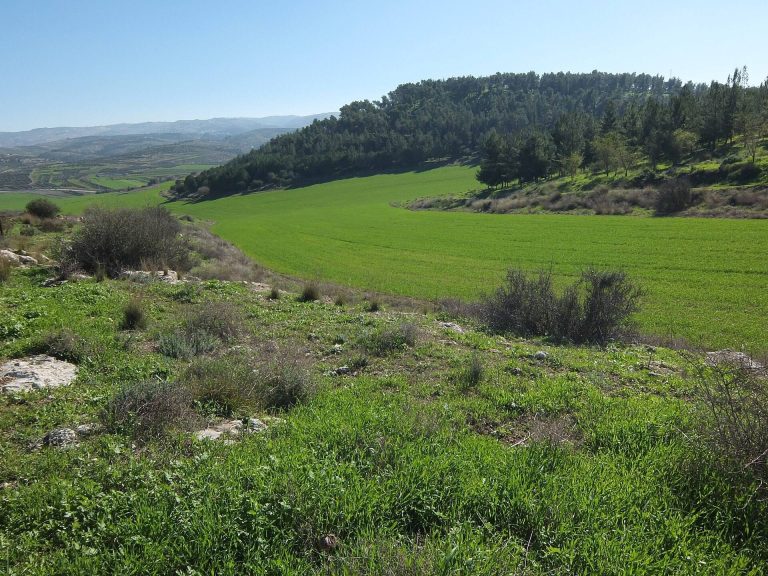
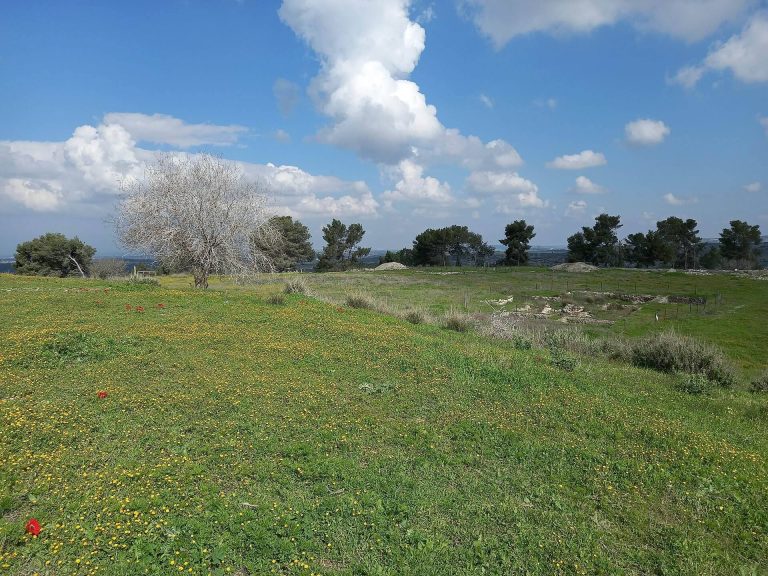
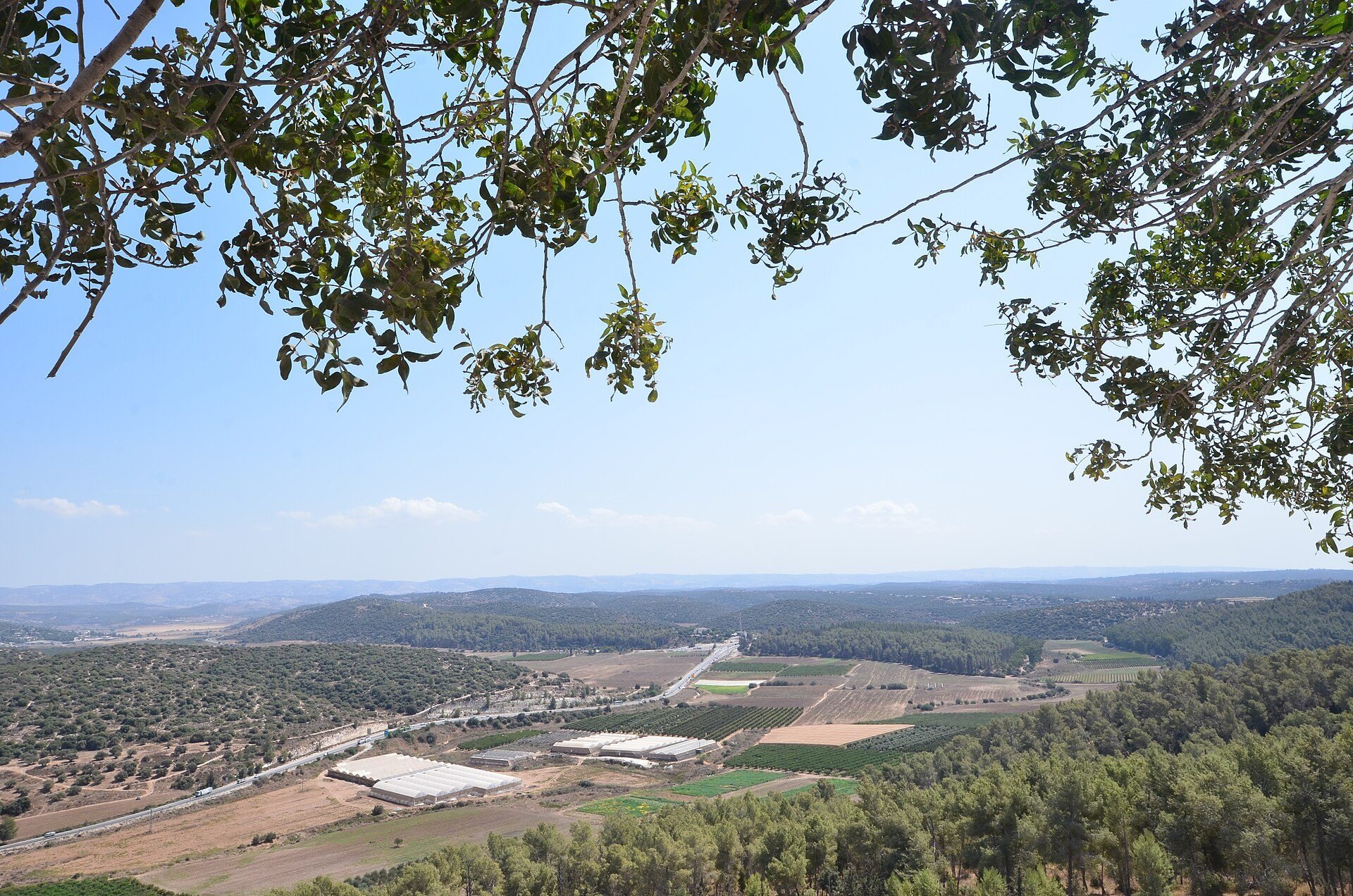
Adullam Grove Nature Reserve is a protected natural area near Nehusha, south of Beit Shemesh in Israel. The reserve was established in 1994 to conserve naturally occurring Mediterranean forests, woodland, and scrub, while also protecting archaeological remains from the Iron Age through the Byzantine period.
Creation and Expansion
The reserve originally covered 5,380 dunams and was enlarged by 1,152 dunams in 2004. Its total area consequently reached 6,532 dunams. It is managed by the Israel Nature and National Parks Protection Authority.
Archaeological History
The archaeological remains within the reserve represent several phases of settlement and use. Horvat Midras was occupied from approximately the tenth century BCE until around the fourth century CE. Its history extends across the Iron Age, the Second Temple period, the Jewish-Roman wars, and the Byzantine period. The Second Temple period refers to the era of Jerusalem’s second sanctuary, ending with its destruction by the Romans in AD 70. Later evidence at Horvat Midras is associated with the Bar Kokhba revolt, a Jewish uprising against Roman rule in Judaea conventionally dated to AD 132-135, as well as with Byzantine occupation.
Remains
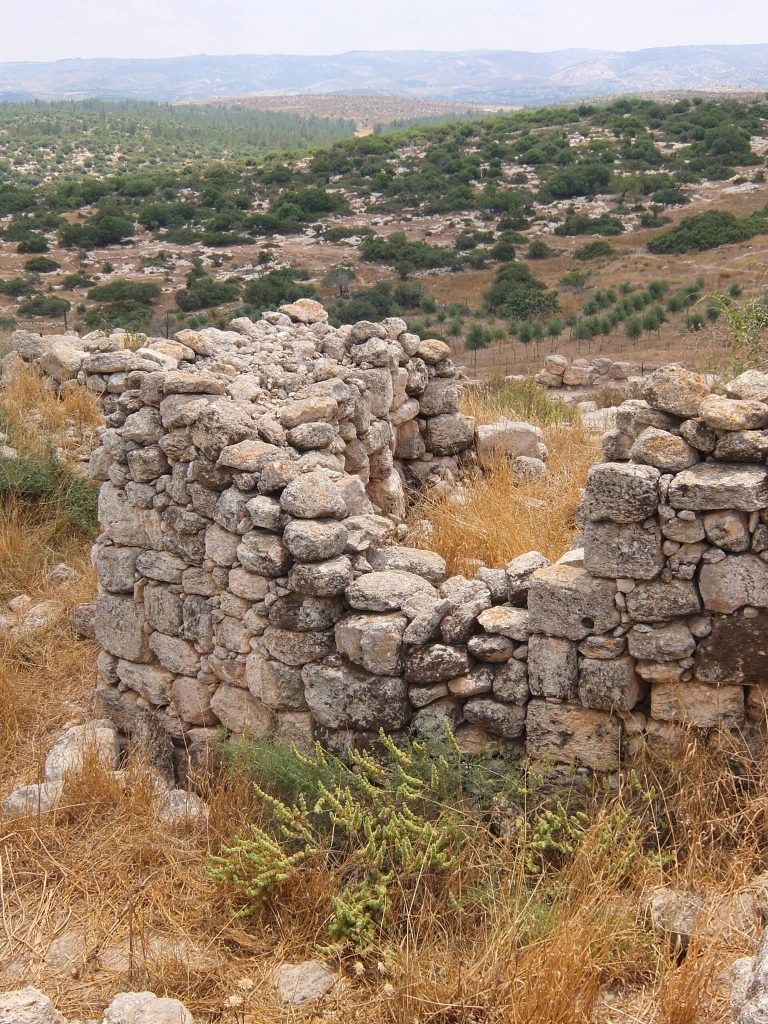
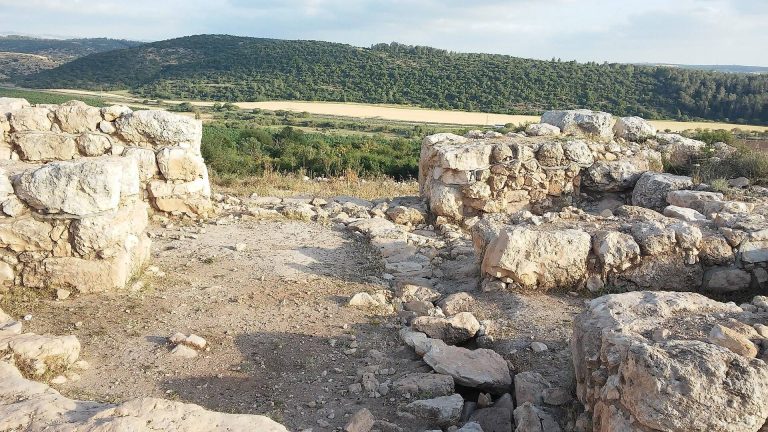
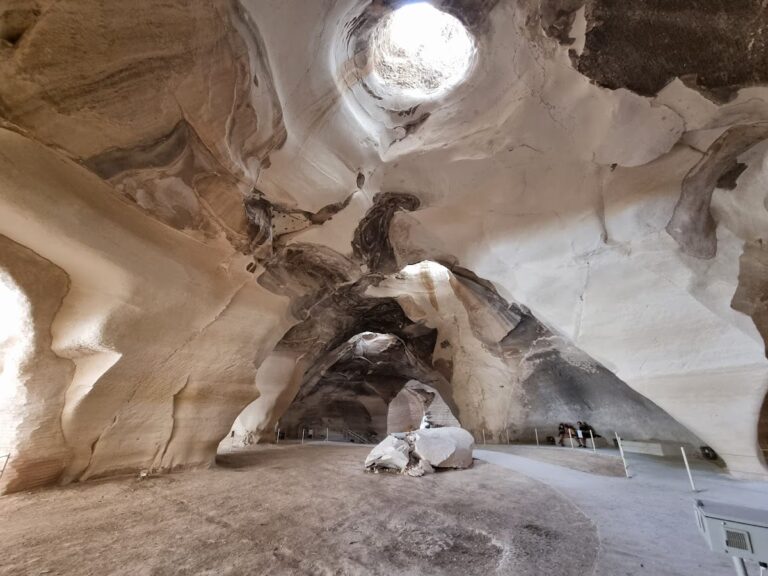
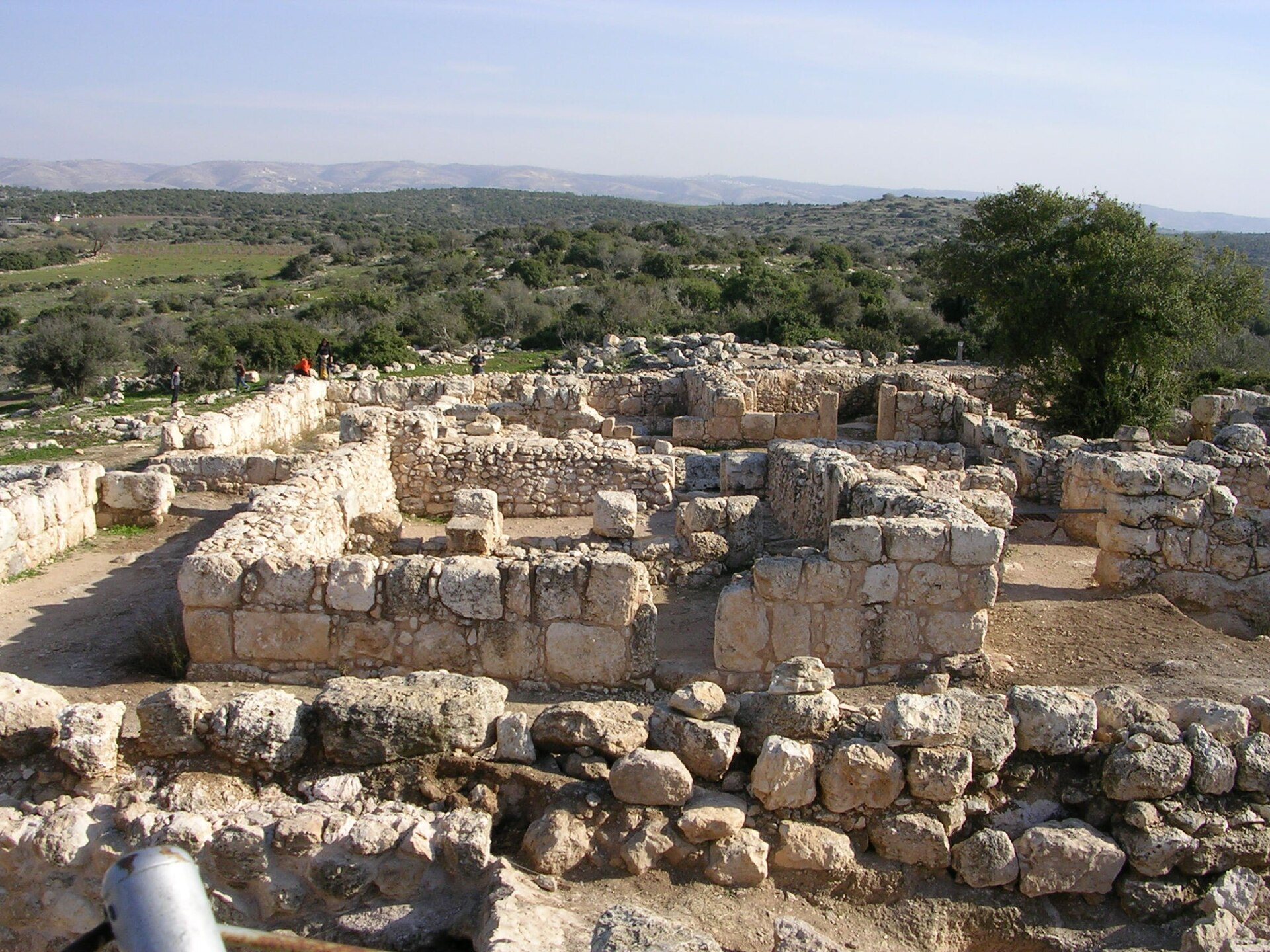
The reserve combines Mediterranean woodland and scrub with archaeological remains concentrated at Horvat Midras, also known as Khirbet Midras or Madras. The site contains burial caves, underground hiding places, a columbarium, a burial pyramid, and a Byzantine church, creating a physical landscape shaped by both ancient settlement and later religious use.
Woodland and Archaeological Features
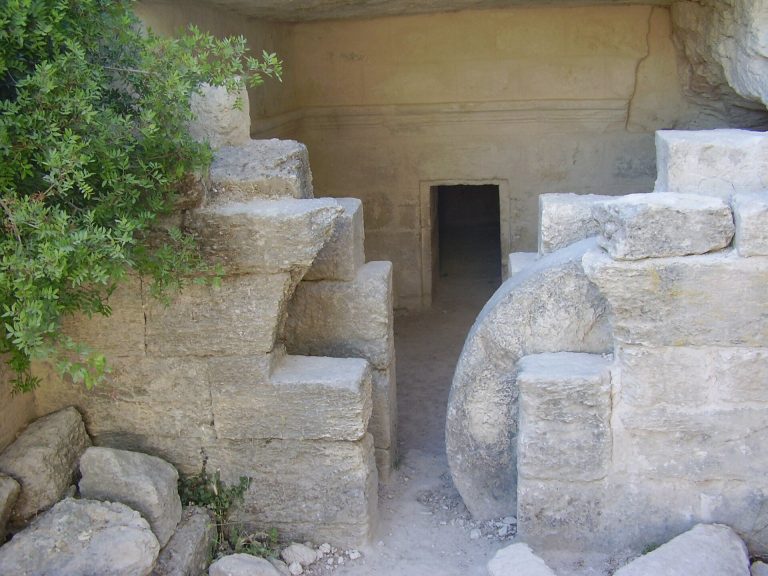
The natural vegetation includes Palestinian buckthorn, oak, Greek strawberry trees, lentisk, several kinds of cistus, and hyssop. Within this landscape, Horvat Midras preserves burial caves and hiding tunnels and caves used during the Bar Kokhba revolt. Its other features include a columbarium, a structure with niches for urns or pigeons, and a burial pyramid. Earlier excavation revealed a burial cave with a large rolling stone beside its entrance and a distinctive truncated-pyramid monument about 3.5 metres high.
Byzantine Church
A Byzantine-period church at Horvat Midras has mosaic floors decorated with plant and animal motifs. Its broad assembly courtyard is paved with stone slabs, while the adjoining hall contains eight Corinthian marble columns. Corinthian columns are classical columns with elaborately carved capitals, often decorated with acanthus leaves. The capitals at this church were imported from Asia Minor.