Huaca Pro: A Pre-Columbian Ceremonial and Administrative Monument in Lima
Site at a Glance
- Rating
- 4.5
- Popularity
- Very Low
- Country
- Peru
- Primary era
- Medieval
- External website
- Open
- Eras represented
- Medieval
- Civilizations
- Unclassified
- Site type
- Religious
- Remains
- Sanctuary
On this page8 sections
History
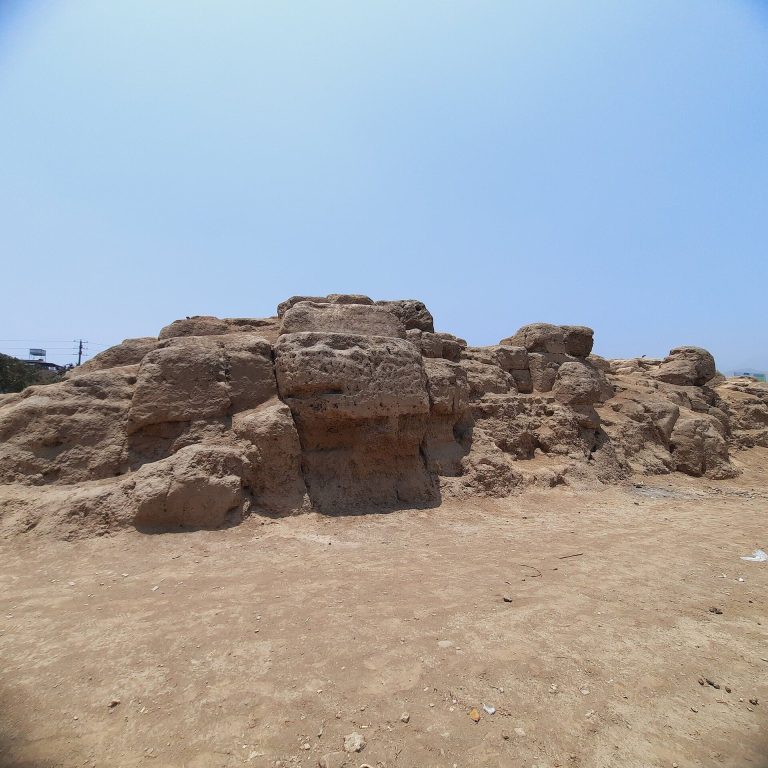
Huaca Pro is a pre-Columbian pyramidal ceremonial and administrative monument in Parque La Huaca, in Los Olivos, Lima, Peru. More than a millennium old, it developed through successive occupations and gained particular importance before the Late Intermediate Period, an era of regional Andean societies before Inca expansion. It was not a residential settlement for the surrounding population, but retained religious and ceremonial functions throughout its history.
Early construction and transformation
The site began with high walls and carefully finished floors, forming its first ceremonial and administrative complex. During a second building phase, lower walls were raised over the earlier foundations and the floors were filled in, possibly as part of rituals involving the burial of offerings. Archaeological investigations in 2014 and 2015 identified three sectors, three levels, and three successive construction phases.
The third phase ended with the abandonment of the huaca, although ritual deposits and burials continued to be placed there periodically during the Late Horizon, the period associated with Inca imperial expansion. Human and animal remains, burned timbers, and other offerings were recovered from the site. Some deposits have been interpreted as evidence of human sacrifice, while the burned wood was probably used in ritual activities.
Yshma use and the ceremonial landscape
Ceramics from Huaca Pro indicate contact with, or influence from, several societies of the lower Chillón Valley, including the Chancay, Colli, Lima, and Yshma. Yshma pottery is the most abundant, supporting the interpretation that the huaca reached its greatest prestige as a ceremonial center under the Yshma, a pre-Inca polity of the central Peruvian coast. The structure was later abandoned during the Late Horizon, though ritual activity continued into that period.
Huaca Pro formed part of a wider ceremonial system with Cerro Pro, approximately 200 meters away. Both were associated with the former Pro estate, which extended across the hill and the huaca. Urbanization and suburban growth followed the disappearance of the estate and disrupted the former physical and ceremonial connection between the two features.
Archaeologist Antonio Raymondi associated Huaca Pro and Cerro Pro with another paired ceremonial and funerary landscape in the present-day Collique area, formed by Huaca Alborada and Cerro Zorro. In this interpretation, the huacas served ceremonial purposes while the hills had funerary functions. Huaca Pro was eventually abandoned, whereas Huaca Alborada remained in use beyond the Late Horizon.
Name, protection, and modern use
The name Pro is traditionally linked to the former estate. The alternative name Huaca de Oro is associated with gold offerings and the illicit treasure seekers, or huaqueros, who came in search of them. Residents once reported finding pre-Columbian ceramics readily at the site, which encouraged repeated searches for buried objects. These activities contributed to the huaca’s local reputation as a dangerous or disreputable place.
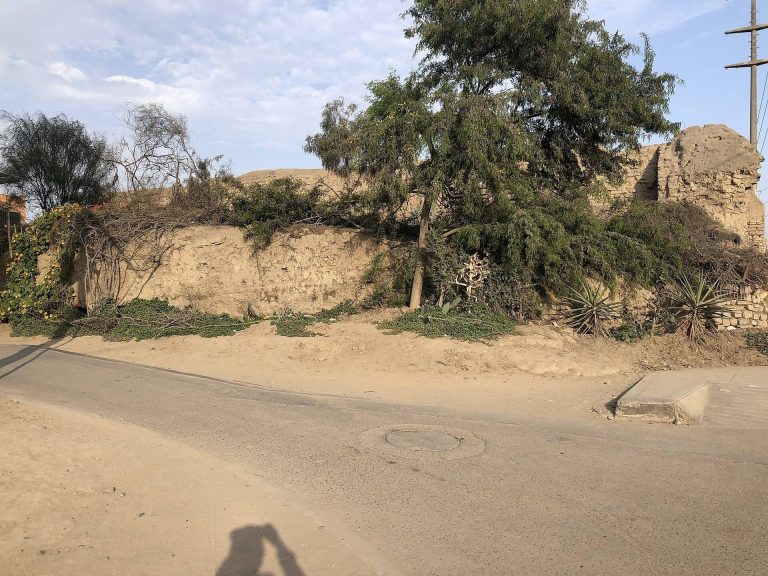
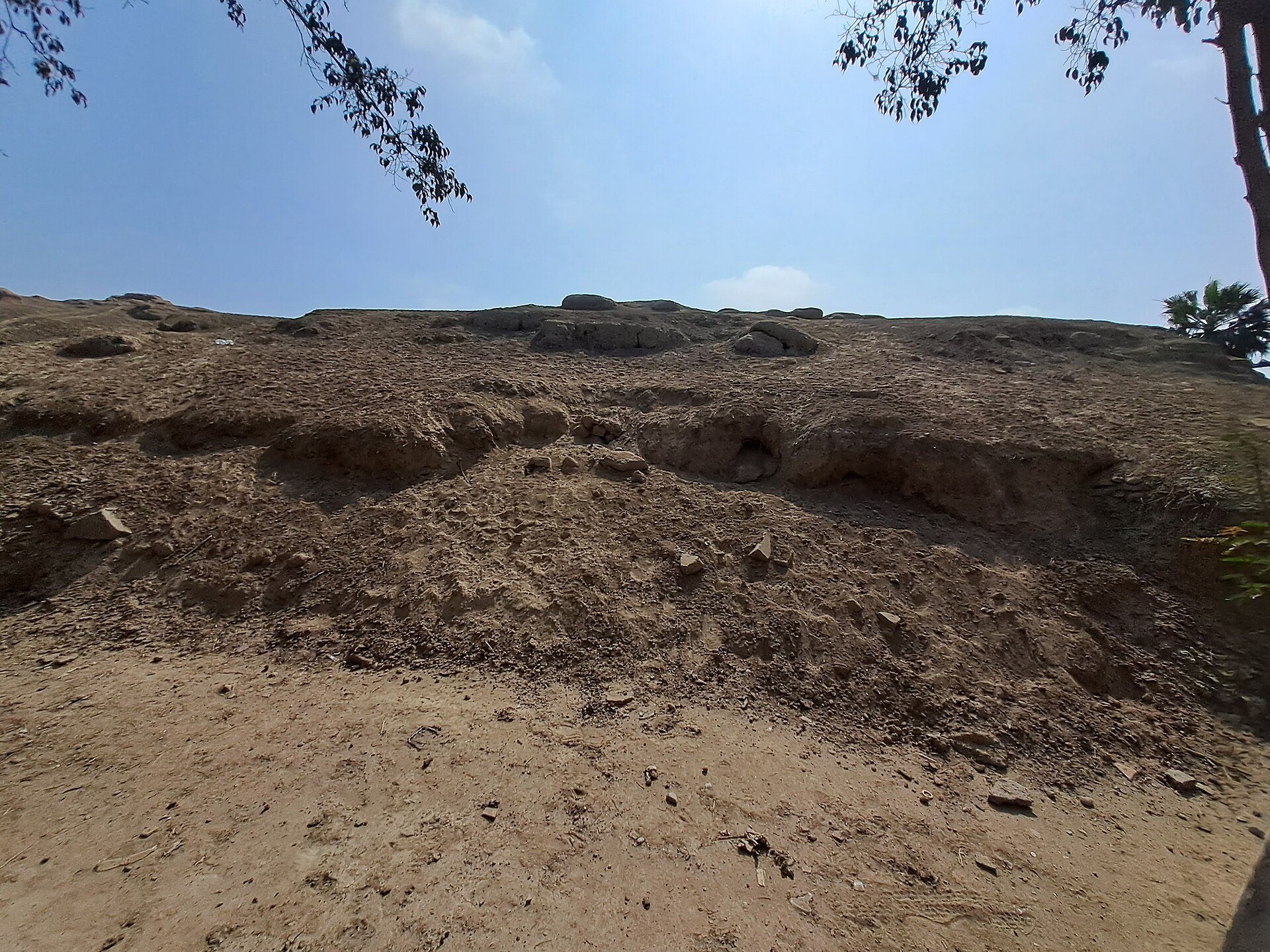
After a period of neglect, Huaca Pro received protected cultural-heritage status in 2002. In 2016, the municipality announced plans for its recovery for tourism and community use, while the adjacent park received improved care and the nearby Huaca de Oro School organized awareness campaigns. Conservation and public-awareness work later brought the monument into active community use. Local residents and children now use the site recreationally, although planting at its base has been criticized because regular contact with water can cause adobe structures to sink or deteriorate.
Remains
Pyramidal structure and construction phases
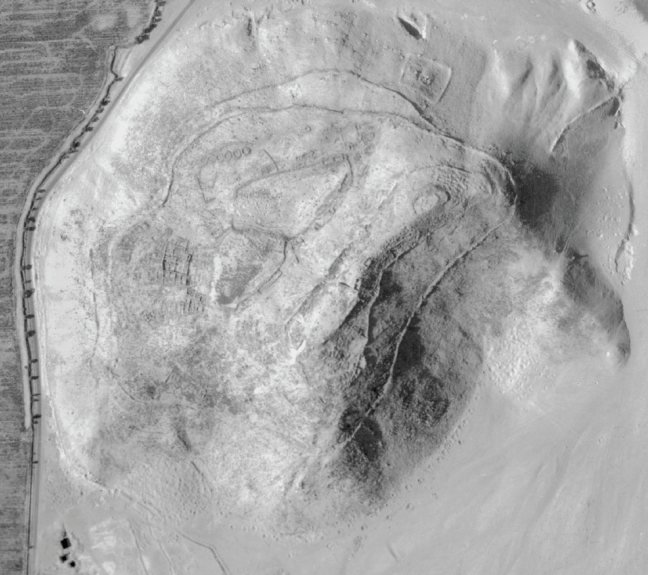
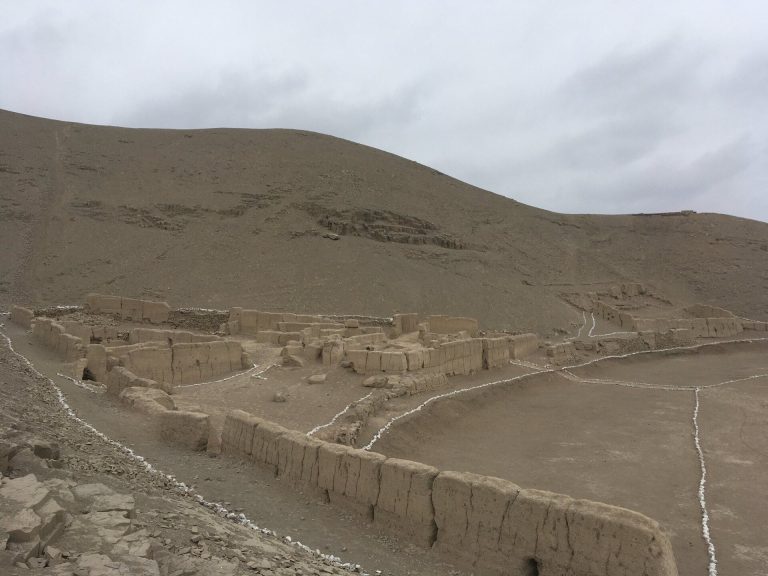
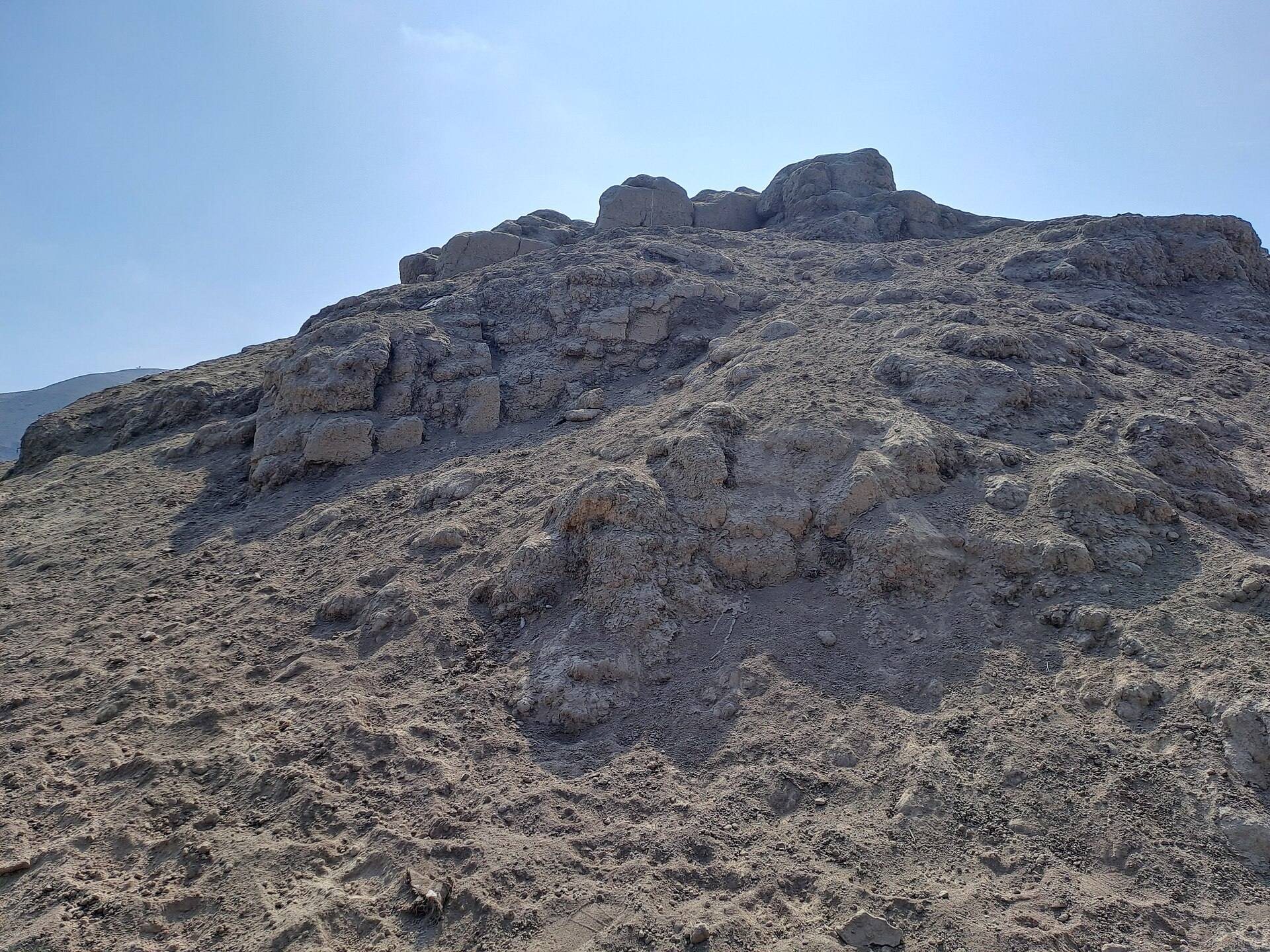
Huaca Pro is a pyramidal structure organized into three sectors and three levels. Its successive phases were built from large adobe blocks, sun-dried earthen units widely used in ancient coastal Andean monuments. Rooms and passageways were progressively buried as later construction was added. The first phase contained high walls and well-finished floors, while the second placed lower walls over the earlier foundations and filled the floors. These alterations produced the layered form visible in the surviving monument.
Ritual deposits and archaeological remains
Archaeological work recovered seals and ceramics from the different levels, including fragments of aríbalos, distinctive Inca-period vessels with narrow necks and pointed lower bodies. Yshma pottery is especially abundant. Excavated deposits also contained human and animal remains, burned tree trunks, and other offerings associated with burials and ritual activity. Some of these practices continued through the third phase and into the Late Horizon.
Urban setting and relationship with Cerro Pro
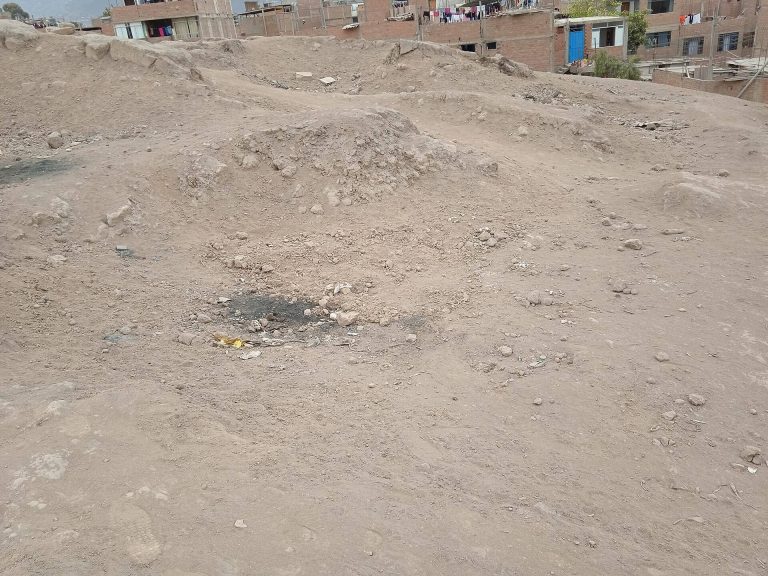
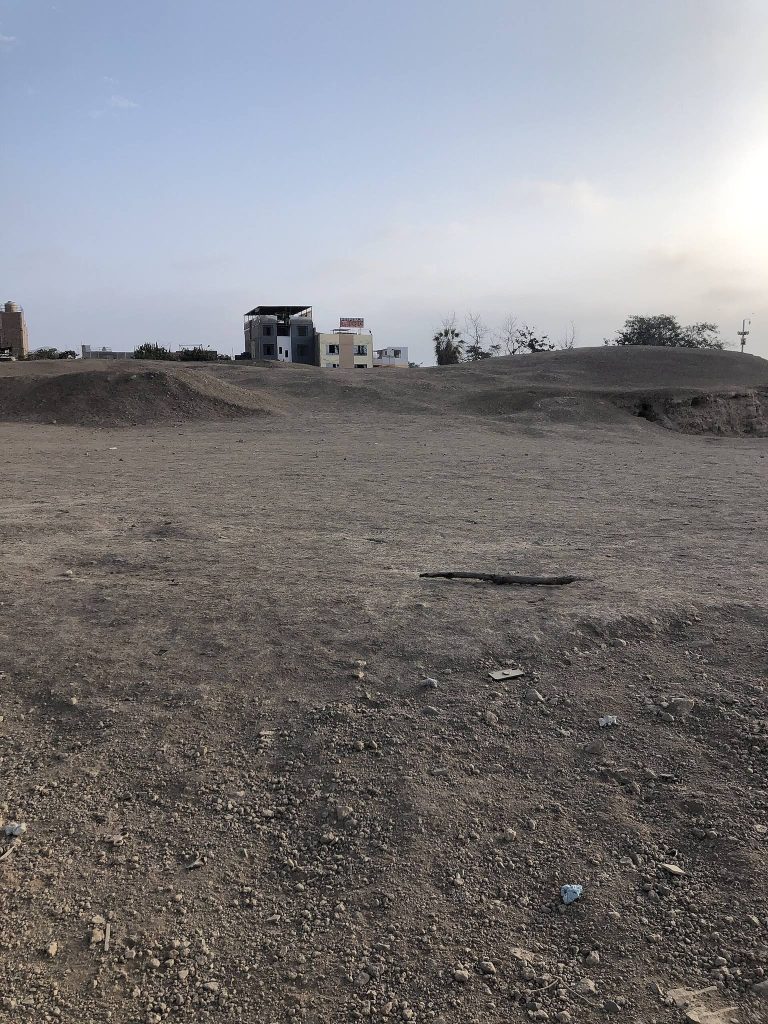
The huaca now stands within an urban park and neighborhood landscape surrounded by La Huaca de Oro Park and the Pro urbanization. Cerro Pro remains approximately 200 meters away, but the former relationship between the two features was disrupted by urban development. The summit is used for recreational activities, including kite flying, while planting at the base has raised conservation concerns because water can affect the stability of the adobe construction.