Cross Bath: A Historic Thermal Pool in Bath, England
Site at a Glance
- Popularity
- Medium
- Country
- United Kingdom
- Primary era
- Early Modern
- Eras represented
- Early Modern
- Civilizations
- British
- Site type
- Sanitation
- Remains
- Baths
On this page8 sections
History
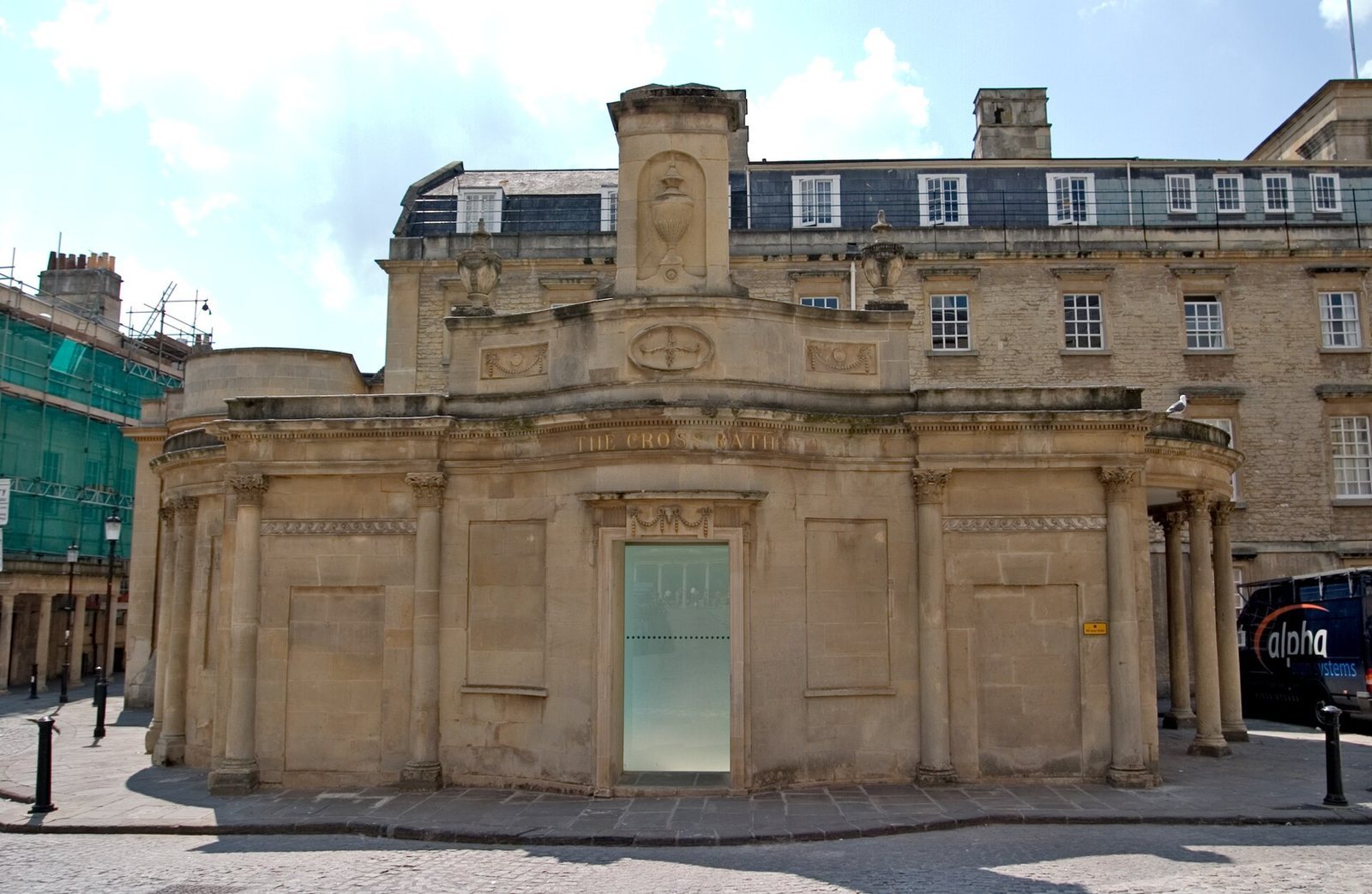
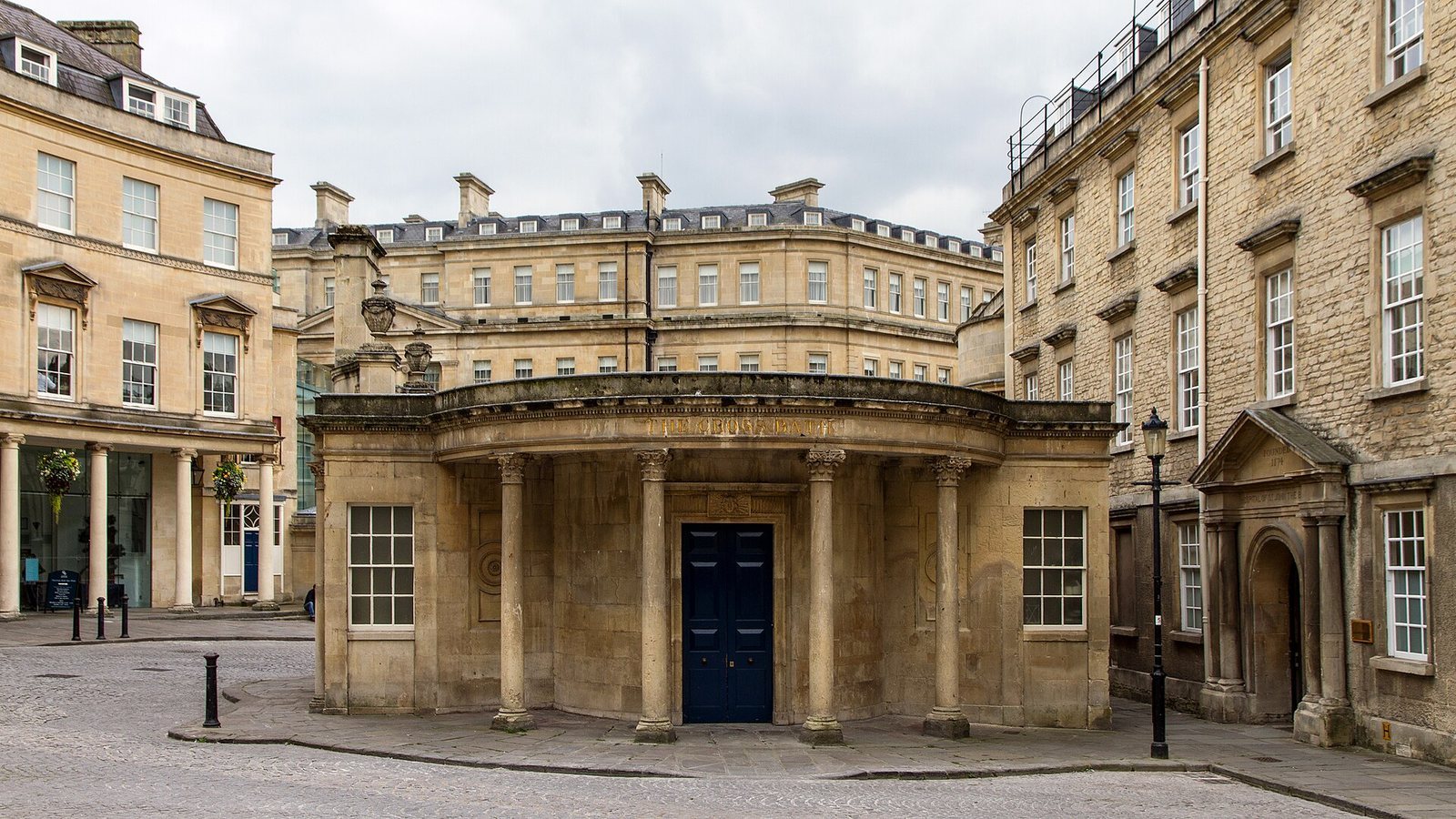
Cross Bath is a historic bathing pool on Bath Street in Bath, Somerset, England, in the United Kingdom. Use of its hot spring may predate the nearby Roman Baths. Thomas Baldwin built the structure around the pool in 1784 in a style associated with Scottish architect Robert Adam and the development of British neoclassical architecture.
Early traditions and healing
The bath’s name is traditionally linked to the journey of St Aldhelm’s body from Doulting to Malmesbury Abbey in 709. Aldhelm was an Anglo-Saxon churchman and saint, and tradition holds that his body rested at the spring during the journey.
The waters’ reputed healing properties were one reason Bishop Reginald Fitz Jocelin founded St John’s Hospital in Bath around 1180. The hospital is among England’s oldest almshouses, charitable residences for people in need.
Royal visits and Georgian rebuilding
Royal visitors used the baths between the sixteenth and eighteenth centuries, helping to spread their popularity. In 1688, Mary of Modena, wife of James II, gave birth to a son, James Francis Edward Stuart, nine months after bathing at Cross Bath. The Melfort Cross was erected that year to celebrate the birth.
John Palmer remodelled Baldwin’s pool structure in 1789.
Restoration and listed status
Donald Insall Associates restored the bath during the 1990s. Cross Bath has been listed at Grade I, England’s highest listed-building category, since 12 June 1950.
Remains
The pool and its water
The site is organized around a bathing pool enclosed by a structure and supplied by a naturally heated spring.
Pool enclosure
Sixteenth-century English antiquary John Leland described a cross in the middle of the pool and eleven or twelve stone arches along its sides, where bathers could shelter from rain. He called the water temperate and pleasant and wrote of people with leprosy, pox, scabies and severe aches bathing there.
Spring source
Rainwater from the nearby Mendip Hills passes through limestone aquifers, permeable rock layers that store and carry groundwater, to depths of 2,700–4,300 metres. Heat from within the Earth raises the water’s temperature to 64–96 °C. Under pressure, it rises through cracks and faults in the limestone. At the Pennyquick fault, a fracture in the Earth’s crust, water emerges at Cross Bath at 46 °C, at a rate of about 1,170,000 litres per day.