Château de la Rivière in Thomery: A Historic French Estate
Site at a Glance
- Popularity
- Medium
- Country
- France
- Primary era
- Modern
- Eras represented
- Early Modern, Modern
- Civilizations
- French
- Site type
- Domestic
- Remains
- Castle
On this page6 sections
History
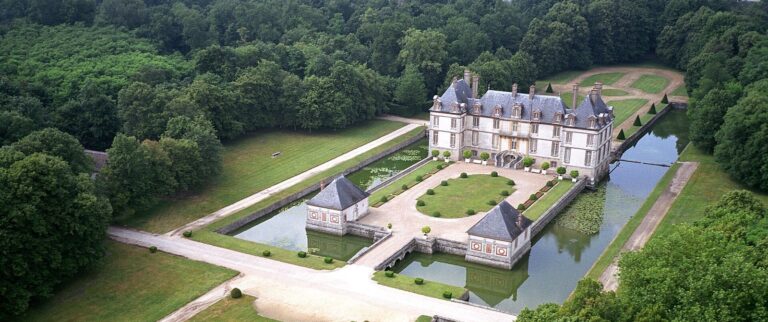
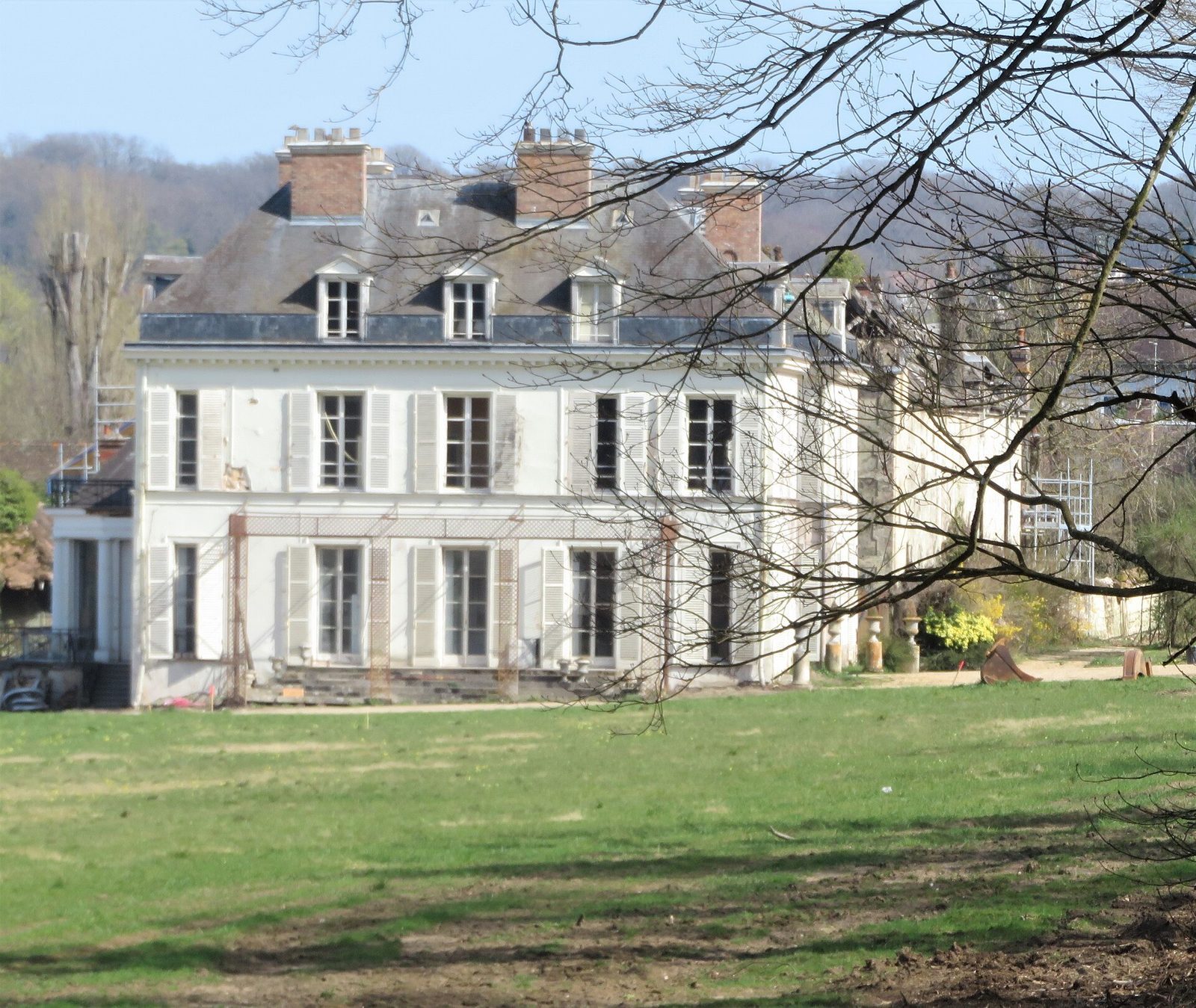
Château de la Rivière is a château and estate in Thomery, in France’s Seine-et-Marne department, begun in the early seventeenth century by Roch Le Baillif, a close associate of Henry IV. Its history includes successive noble owners and extensive nineteenth-century construction and remodeling.
Early origins and transfers
After Le Baillif, the estate passed to the Count of Toulouse, a son of Louis XIV and Madame de Montespan, and then to the Count’s son, the Duke of Penthièvre. Pierre de Forges, Marquis of Châteaubrun, later transferred it to Marquis Jean-Étienne de Narp. François Boursier, a royal financial officer in the Paris administrative district, acquired the property in 1791.
Nineteenth-century building and ownership
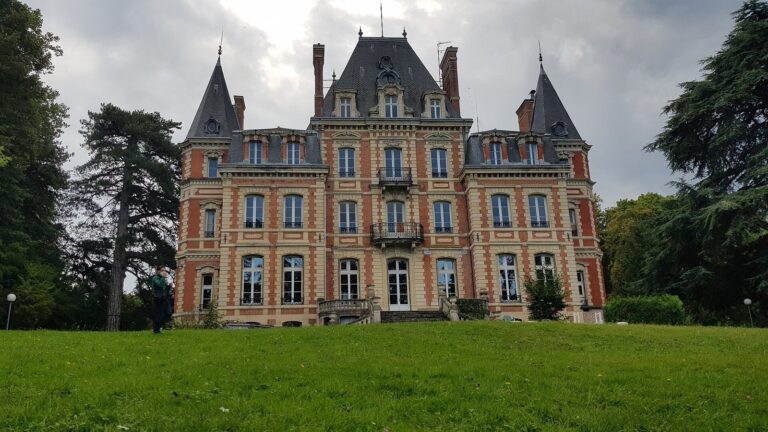
Most of the château’s construction took place in the nineteenth century, when it was also extensively remodeled. Philippe-Paul de Ségur, a French general and historian of the revolutionary and Napoleonic periods, acquired the estate in 1828. The Greffulhe family owned it afterward, until 1912.
War and later history
During the Second World War, the German army used the estate as an ammunition depot. The depot apparently exploded on 21 August 1944, during the Liberation, when German occupation of France was ending. In 1947, the Domaine de la Rivière was listed as a protected site for its picturesque character.
Edmond Fabre-Luce, father of the writer and diplomat Alfred Fabre-Luce, later became an owner. The estate is now privately owned by Edmond’s granddaughter Françoise Fabre-Luce, wife of Dreyfus, and is used as a residence.
Remains
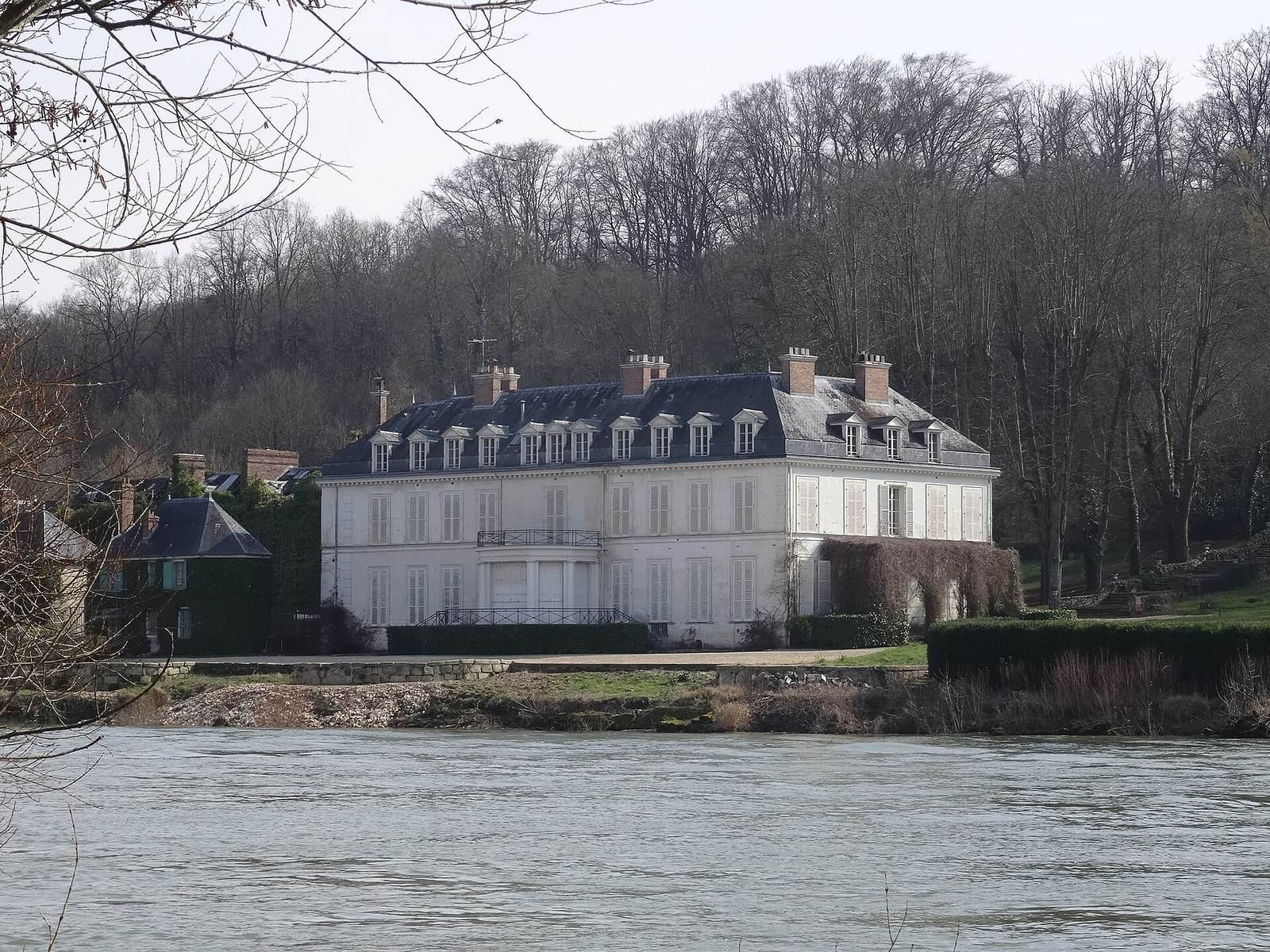
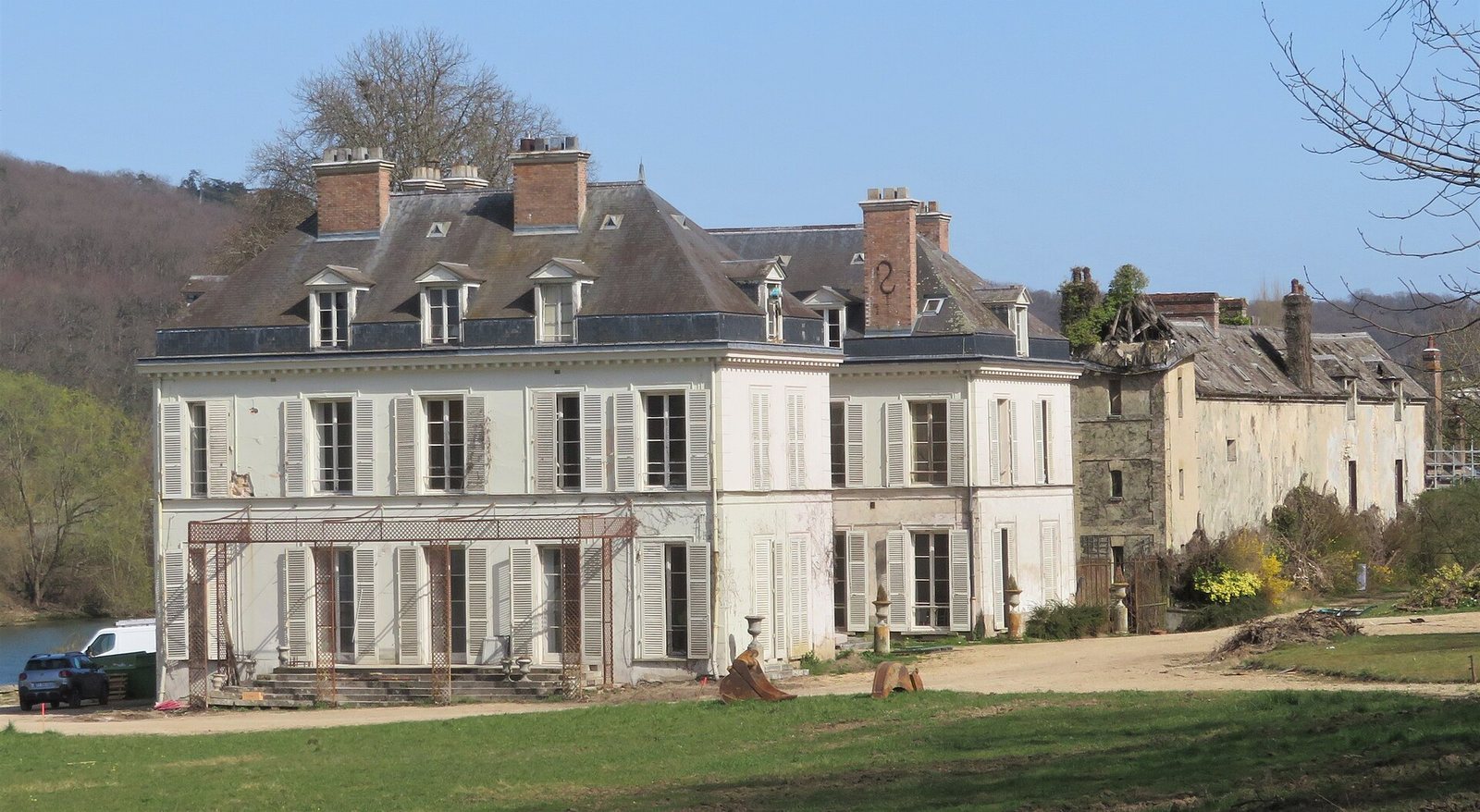
The château and its 66-hectare park lie at Thomery’s northwestern edge beside the Seine, near the royal Château de Fontainebleau. The grounds include riverside meadow and woodland extending toward departmental road 138.
Park and approaches
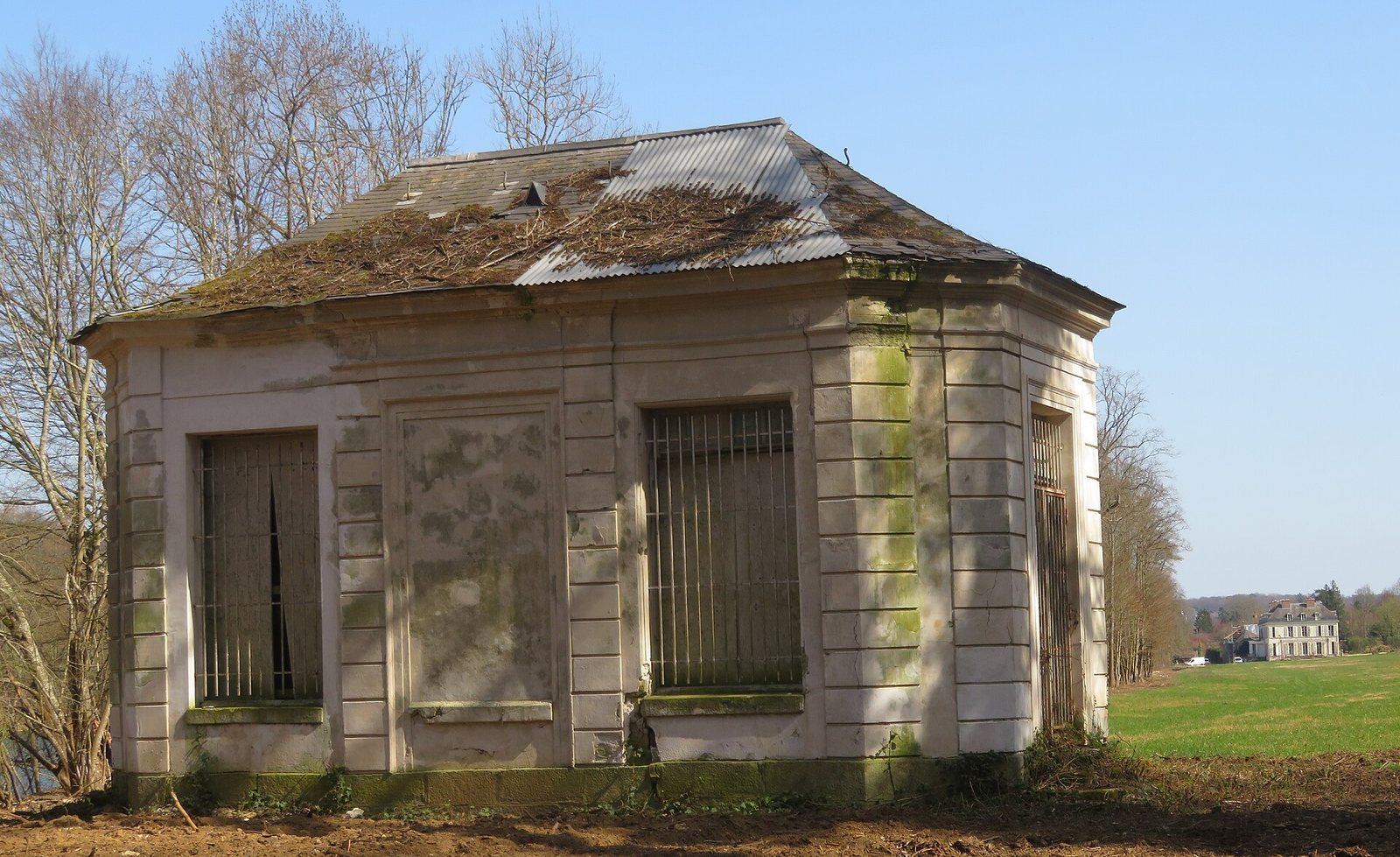
The meadow stretches from the château to a corner pavilion near the remains of a basin. The wooded part of the park reaches the departmental road, formerly the Burgundy road, and a boundary wall runs along this area. An unmaintained carriage road leads to a gate, with two ruined pavilions bordering it. The Prince’s Route was paved in 1726 to connect the château with the Palace of Fontainebleau. The park is poorly maintained and has undergone extensive tree felling.