Condes de Castro Guimarães Palace: An Aristocratic Residence and Museum
Site at a Glance
- Popularity
- Medium
- Country
- Portugal
- Primary era
- Modern
- Eras represented
- Modern
- Civilizations
- Portuguese
- Site type
- Domestic
- Remains
- Castle
On this page7 sections
History
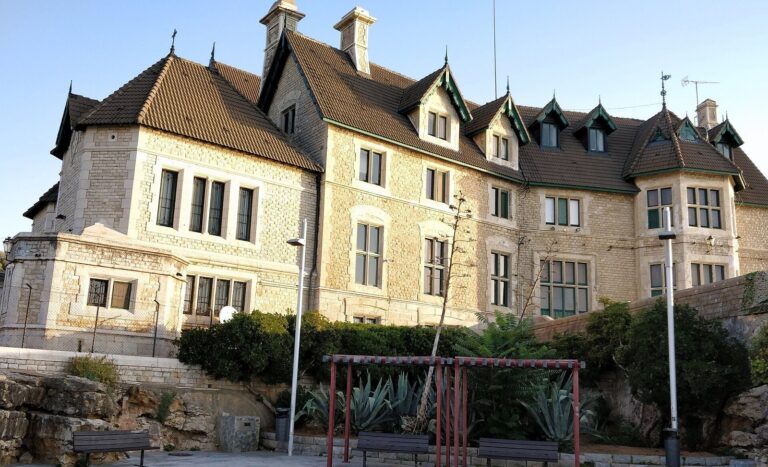
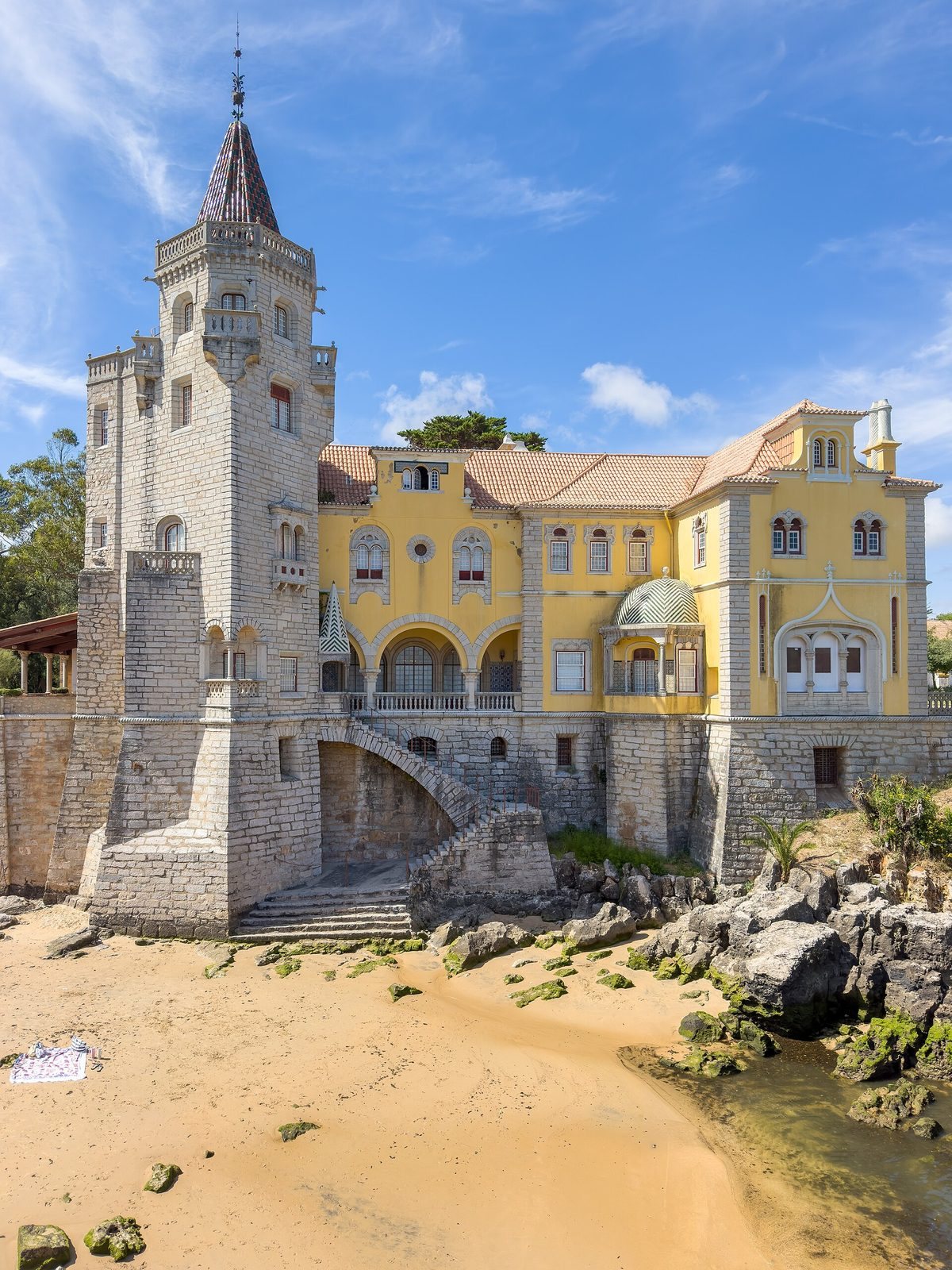
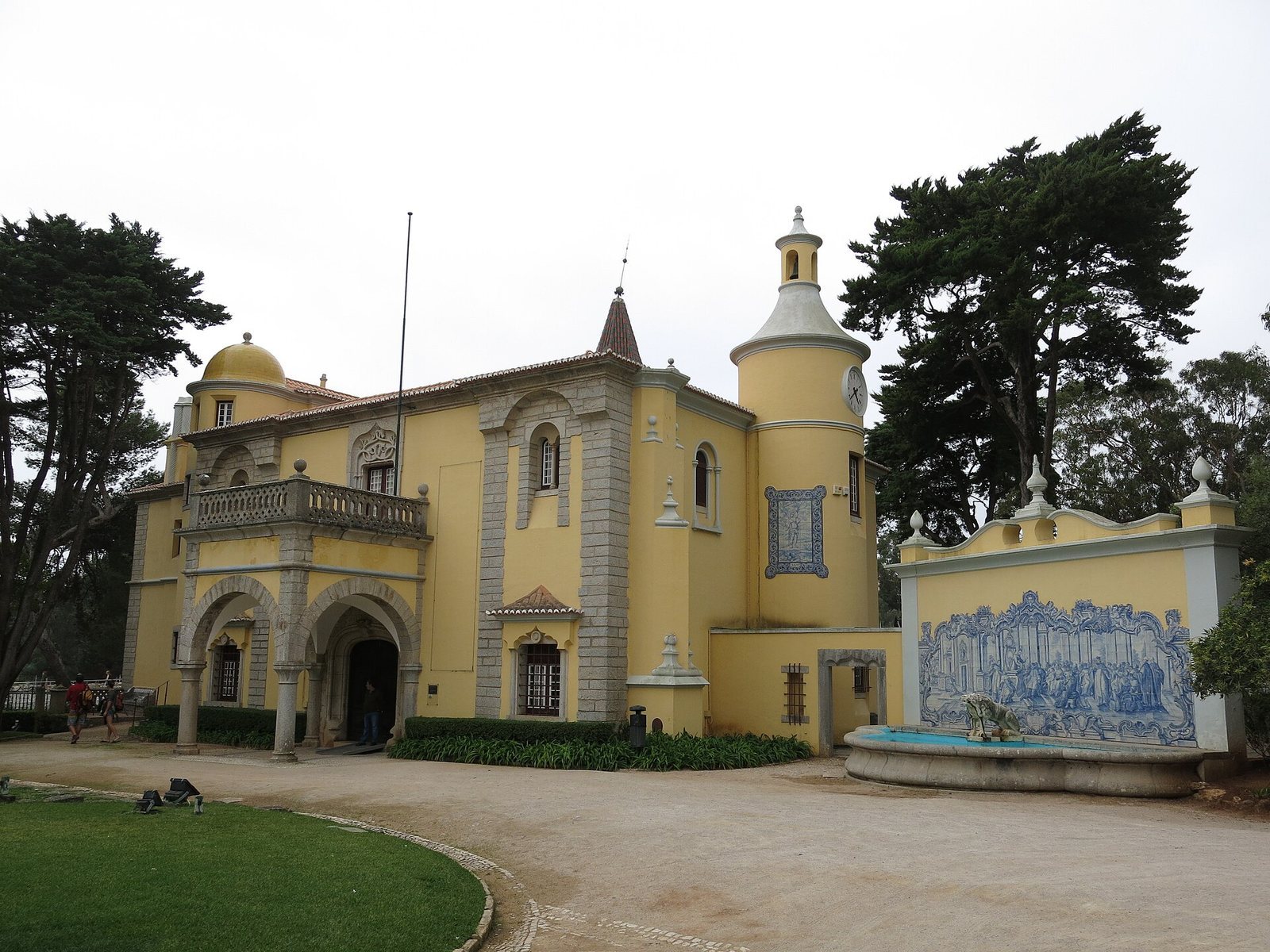
The Condes de Castro Guimarães Palace is a former aristocratic summer residence and museum in Cascais, Portugal. Portuguese aristocrat Jorge O’Neill built it in 1900, with architect Francisco Vilaça designing a revival-style building that combines Neo-Romantic forms evoking an idealized medieval past, Neo-Gothic forms that renew Gothic architecture, Neo-Manueline, a revival of Portugal’s ornate Manueline style, and Neo-Moorish forms inspired by Moorish design. Its original name was Torre de São Sebastião. O’Neill, who had distant Irish ancestry, maintained several business interests, including Portugal’s match monopoly.
From private residence to museum
In 1910, the house passed to the 1st Count of Castro Guimarães, who lived there with his wife until 1927. Many objects that later became part of the museum’s collection were acquired during this period.
When the count died in 1927, he donated the house and garden to the state, asking that the property be used as a museum and art gallery. The Condes de Castro Guimarães Library Museum opened on 12 July 1931 and for many years was Cascais’s only museum. The palace is designated a property of public interest, a Portuguese heritage-protection category.
Remains
Exterior and plan
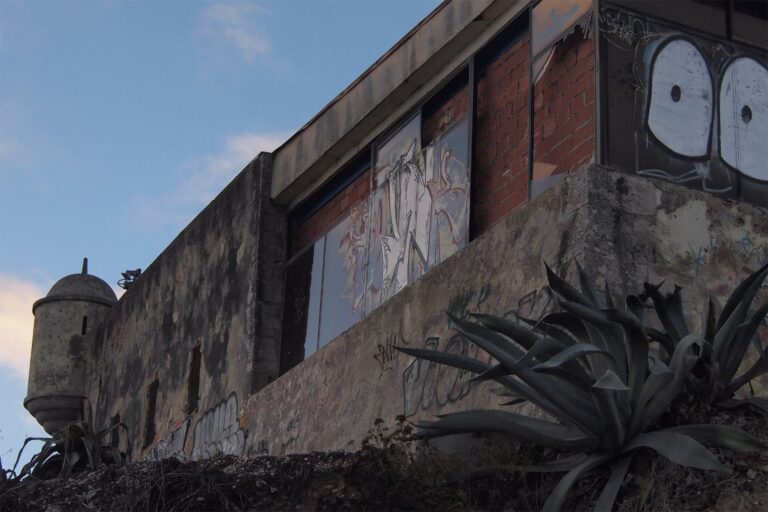
The palace’s irregular rectangular plan brings together sections of two, three, and four storeys, giving the building an overall appearance reminiscent of a medieval castle. Its tower is a prominent part of the exterior, with its base extending into a small cove. The facade also features principal windows and triple windows, along with gargoyles, projecting eaves, and porches. References to O’Neill’s Irish heritage appear throughout the building.
Interior and collections
Rooms and courtyard
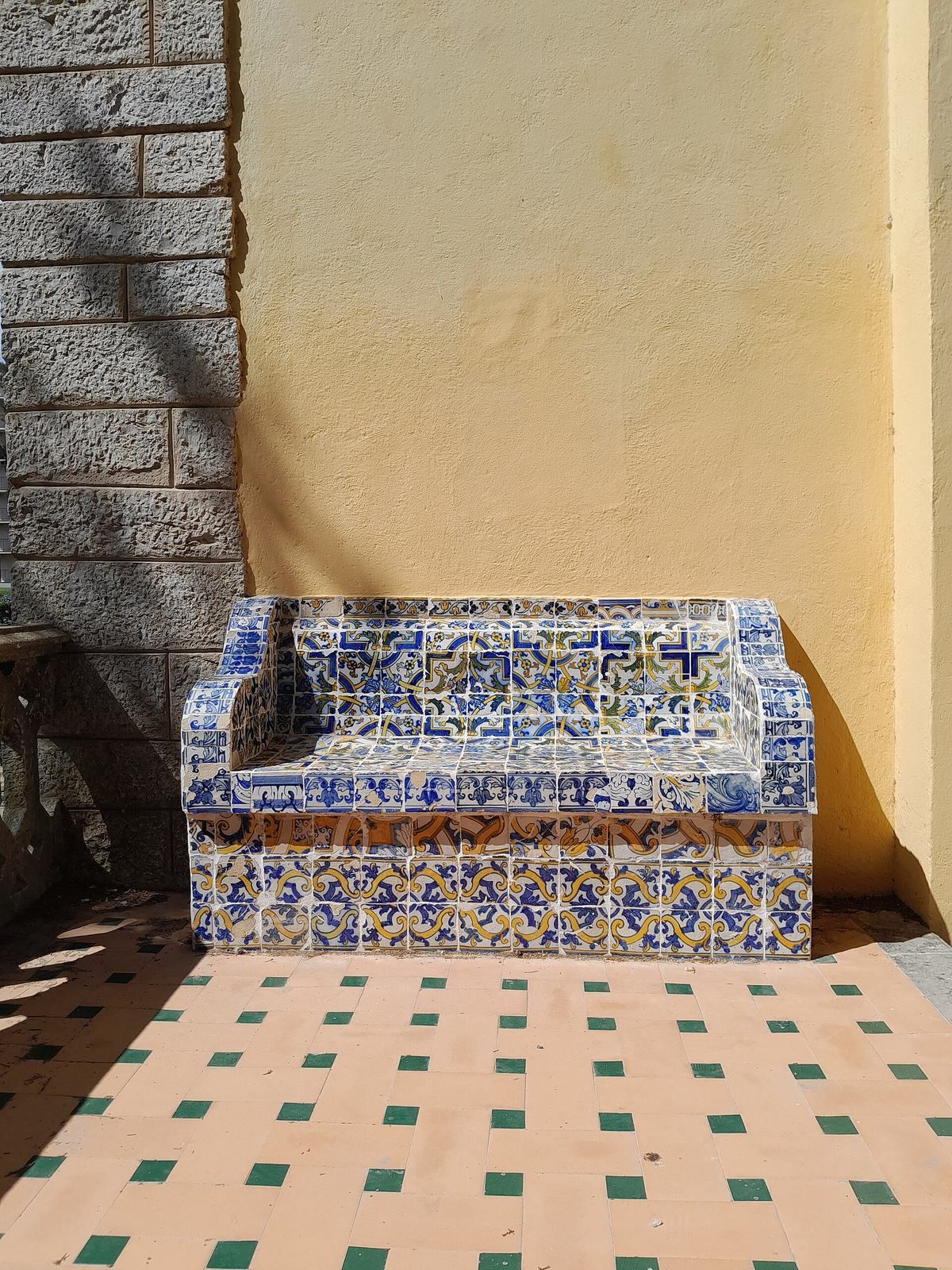
The interior is arranged around a quadrangular cloister, a covered passage surrounding an enclosed courtyard. The main rooms connect to one another and have beamed ceilings and floors of ceramic tiles in several colors; some walls are tiled as well. Nearly every room has a tiled stove, a heating appliance finished with ceramic tiles. Some of these stoves were brought from other buildings. The Shamrock Room is a particularly clear expression of the palace’s Irish references.
Museum collections
The collections include paintings of national and international importance, furniture, porcelain, jewellery, and a Neo-Gothic organ made for the count. Among the rare sixteenth-century manuscripts is the Chronicle of Don Afonso Henriques, written by Portuguese chronicler Duarte Galvão (1446–1517). Afonso Henriques was Portugal’s first king.