Hohenaltheim Castle: A Baroque Residence in Germany
Site at a Glance
- Popularity
- Medium
- Country
- Germany
- Primary era
- Early Modern
- Eras represented
- Early Modern
- Civilizations
- Holy Roman Empire
- Site type
- Domestic
- Remains
- Castle
On this page6 sections
History
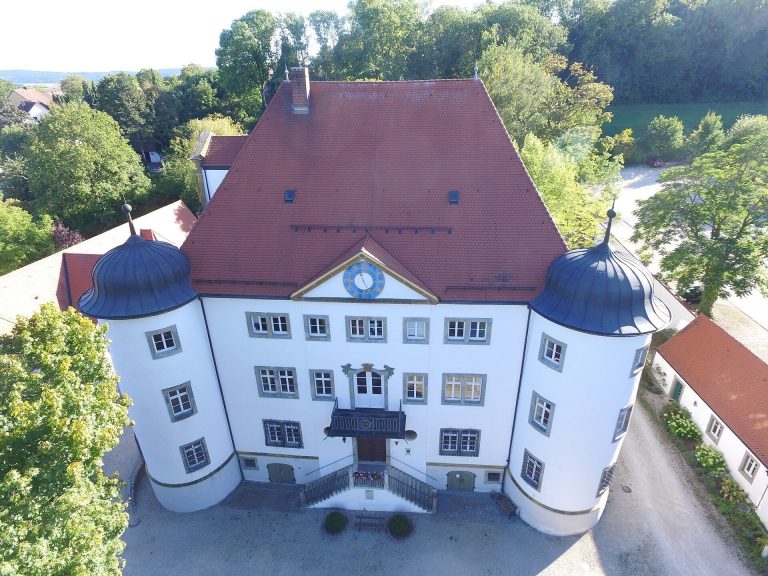
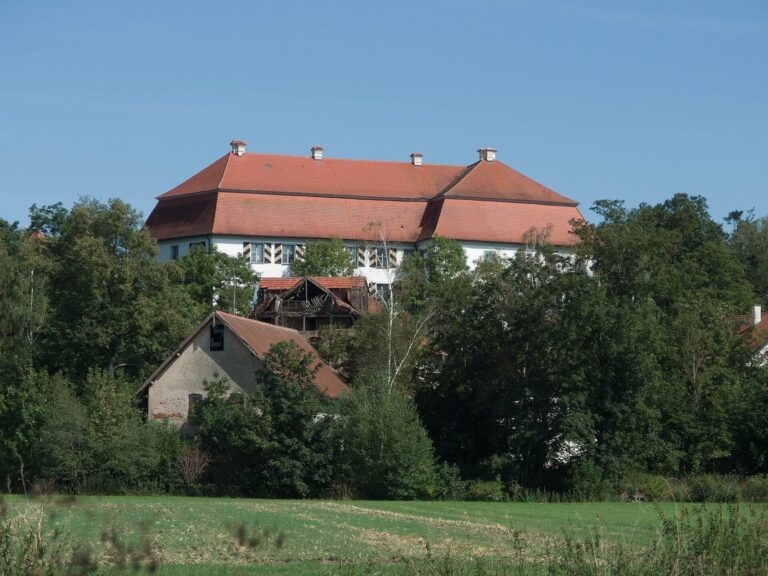
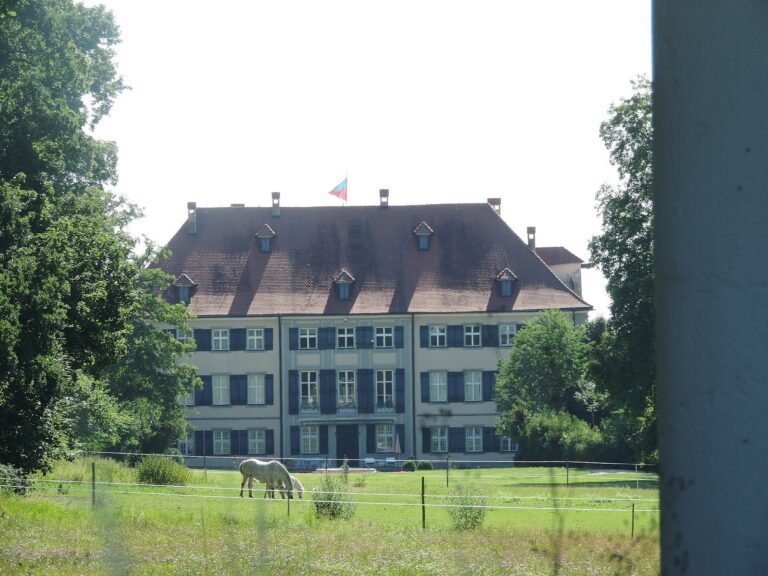
Hohenaltheim Castle is a Baroque residence at the northern entrance to Hohenaltheim in Germany’s Donau-Ries district, and the seat of the ancient House of Oettingen-Wallerstein.
Baroque rebuilding and court life
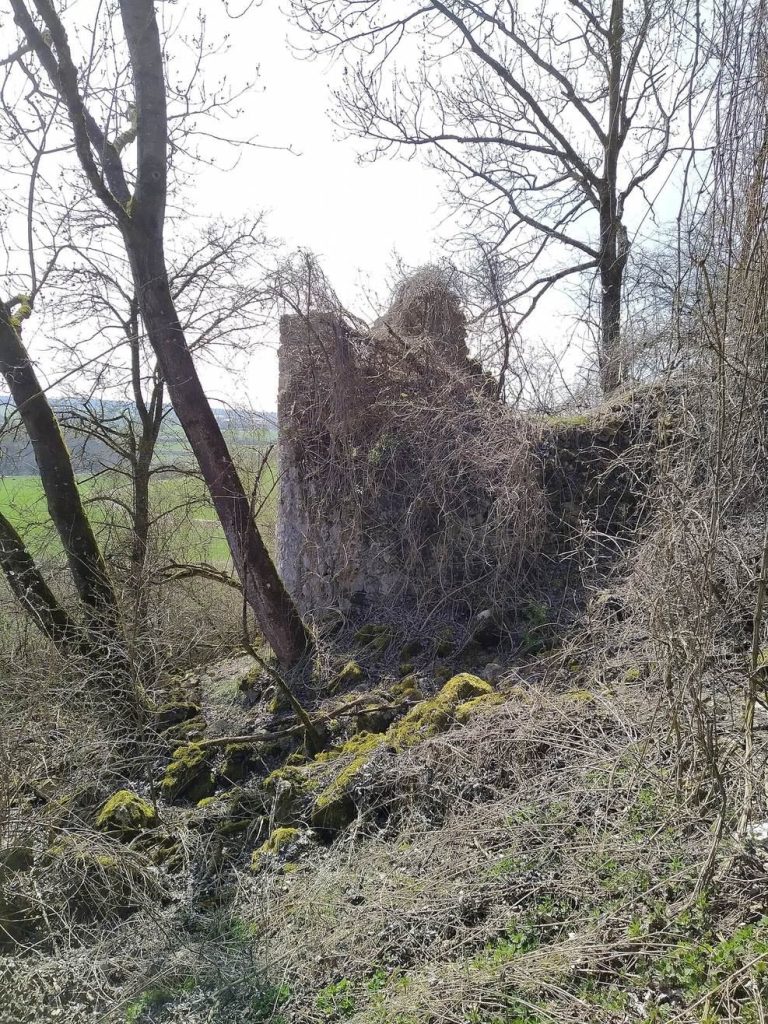
A small water castle once stood on the site. Prince Albrecht Ernst II of Oettingen-Oettingen commissioned its Baroque replacement, a project that took about twenty years. Engineer Wilhelm Heinrich Behringer directed building work from 1700 to 1712 and probably prepared most of the plans. The earlier castle was demolished in 1710 to make way for the new residence.
Several notable figures were present in Hohenaltheim. In October 1777, Austrian composer Wolfgang Amadeus Mozart unsuccessfully applied for a Kapellmeister position, a role directing music at a court or church. Others included Prussian king Frederick William I and his son, Crown Prince Frederick, later Frederick II, known as Frederick the Great; Margrave Karl Wilhelm Friedrich of Brandenburg-Ansbach, a territorial ruler; and Duke Ludwig Rudolf of Blankenburg.
Remains
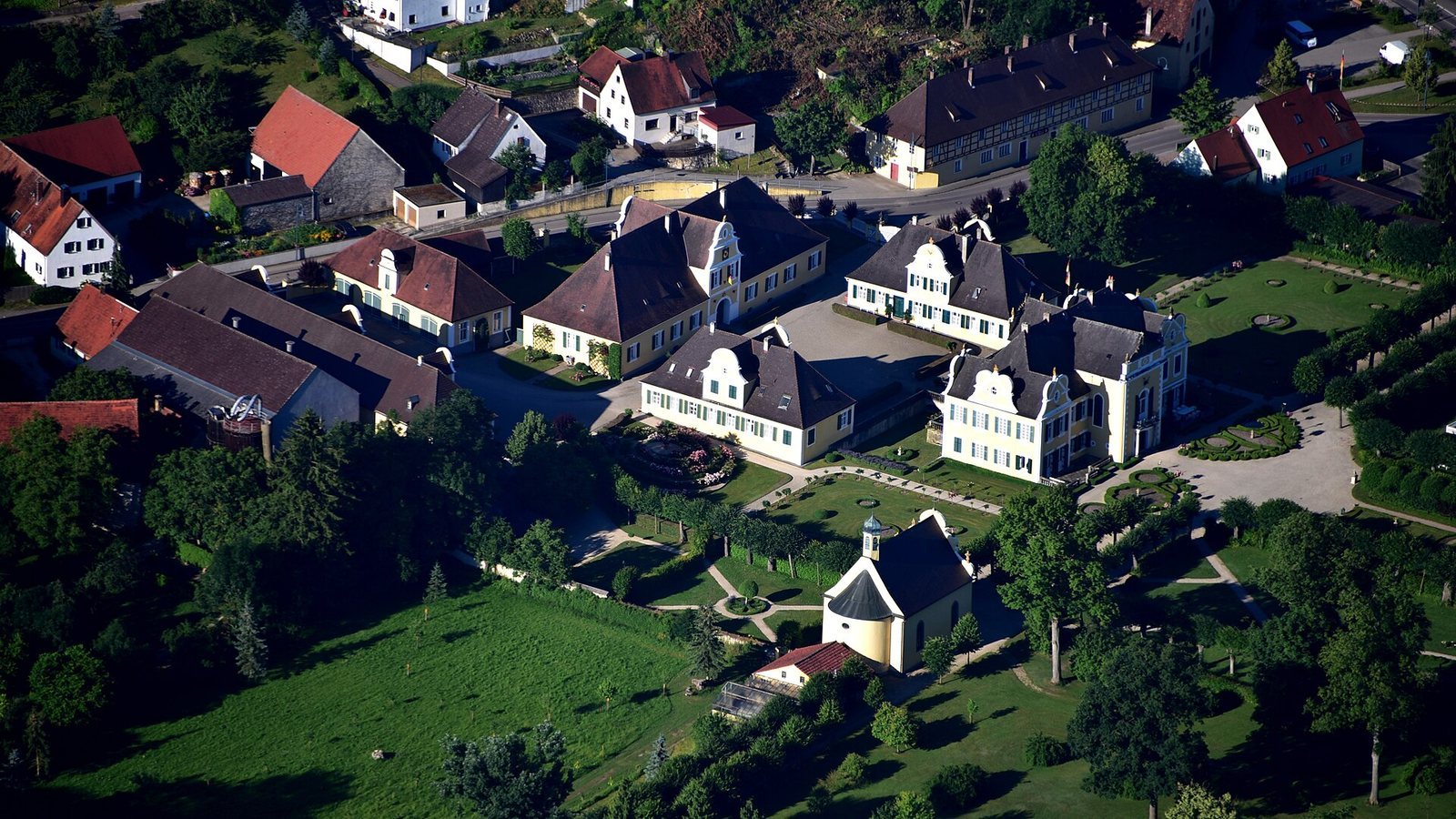
The surviving Baroque complex is arranged as a princely residence on a reduced scale, reflecting eighteenth-century expectations for a royal home. Its main building occupies almost one-third of the overall complex, while a palace park surrounds the grounds.
Buildings and grounds
Main residence
The principal building contains a hall across its upper floor, serving as the residence’s main formal space.
Supporting buildings and park
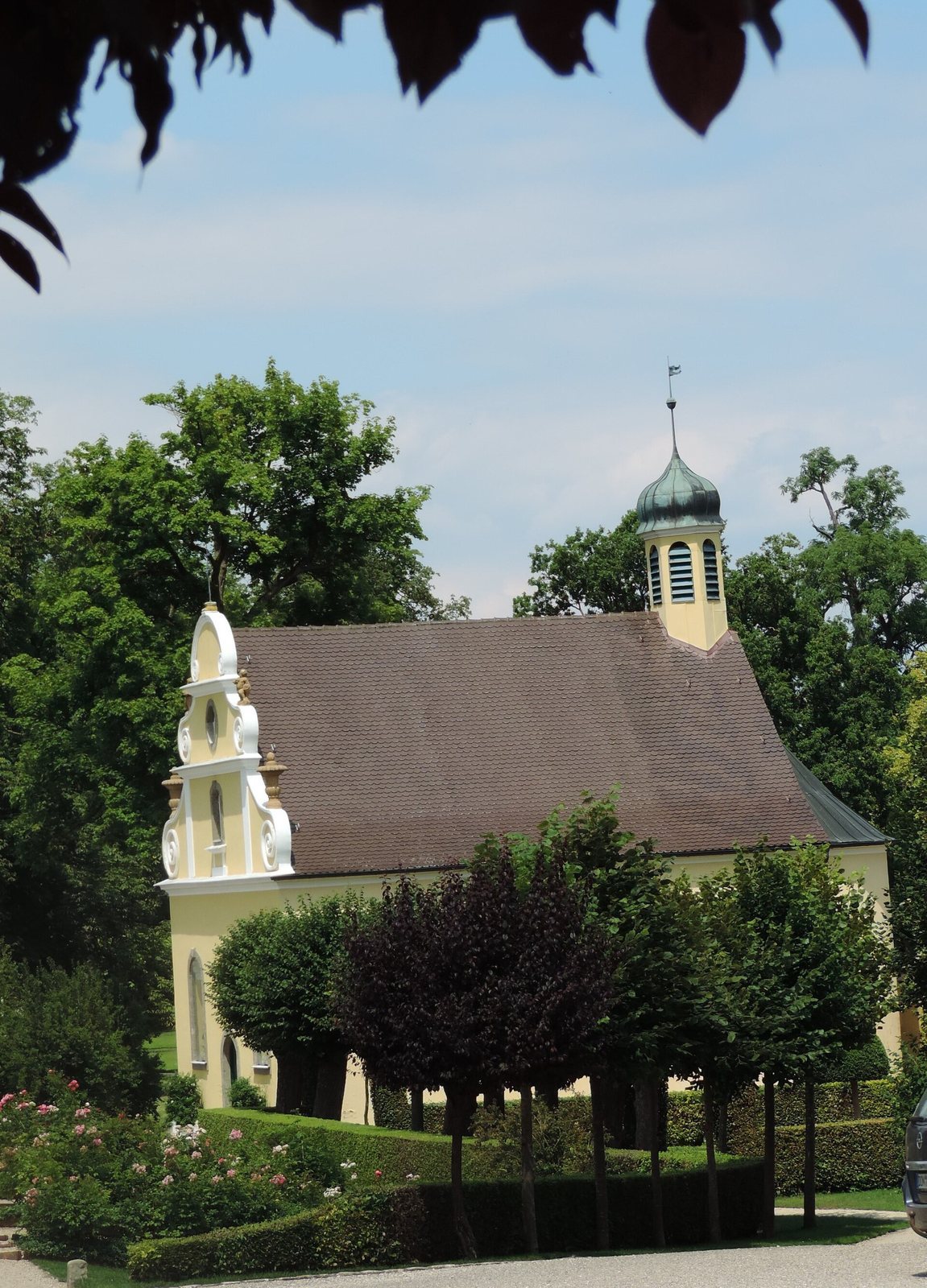
The complex also comprises two princes’ buildings, a kitchen building, a riding hall, an orangery, a chapel, and a garden hall. The Baroque palace park extends around the grounds.