Palmela Palace: A Nineteenth-Century Summer Residence in Cascais
Site at a Glance
- Popularity
- Medium
- Country
- Portugal
- Primary era
- Modern
- Eras represented
- Modern
- Civilizations
- Portuguese
- Site type
- Domestic
- Remains
- Elite Residence
On this page7 sections
History
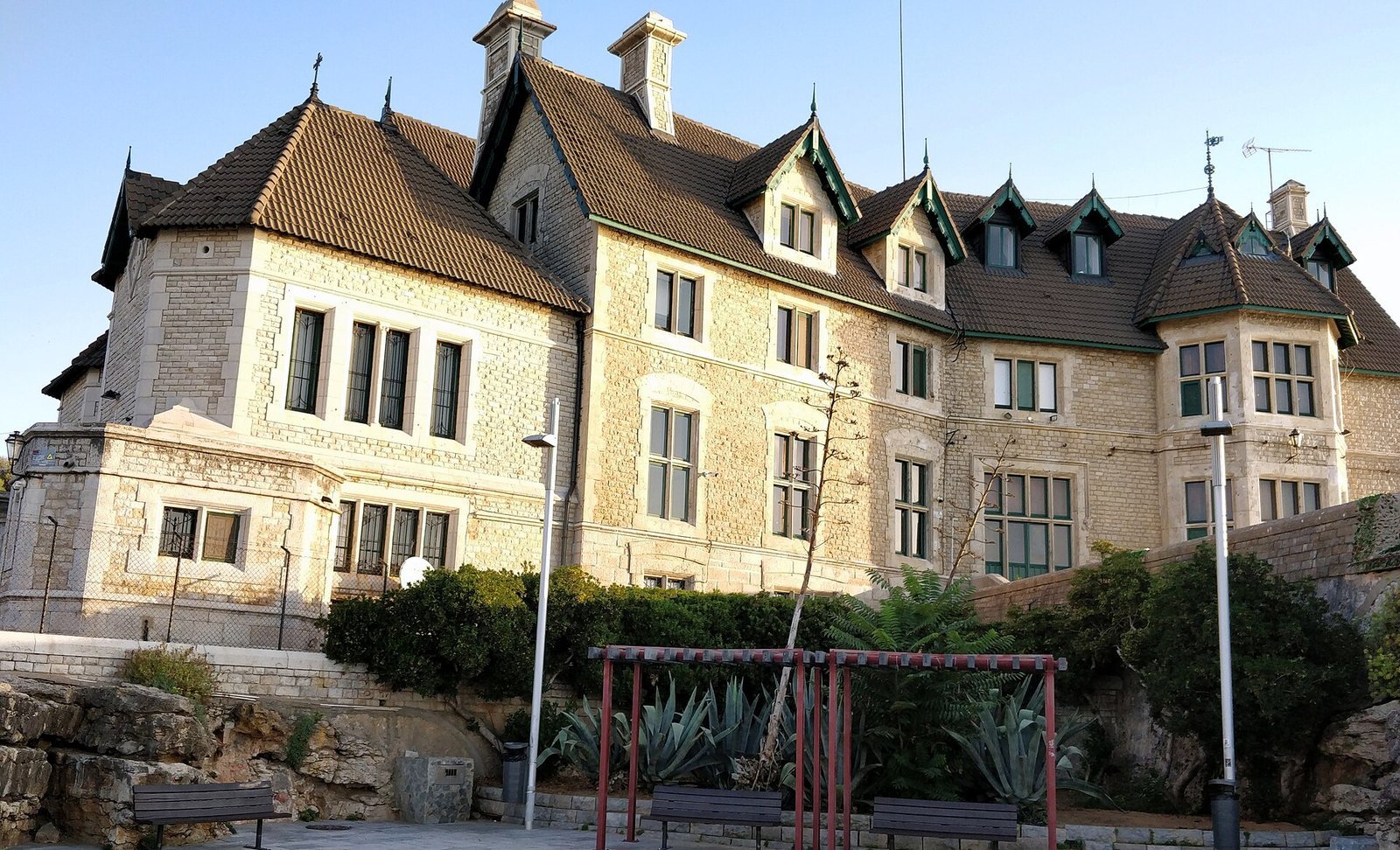
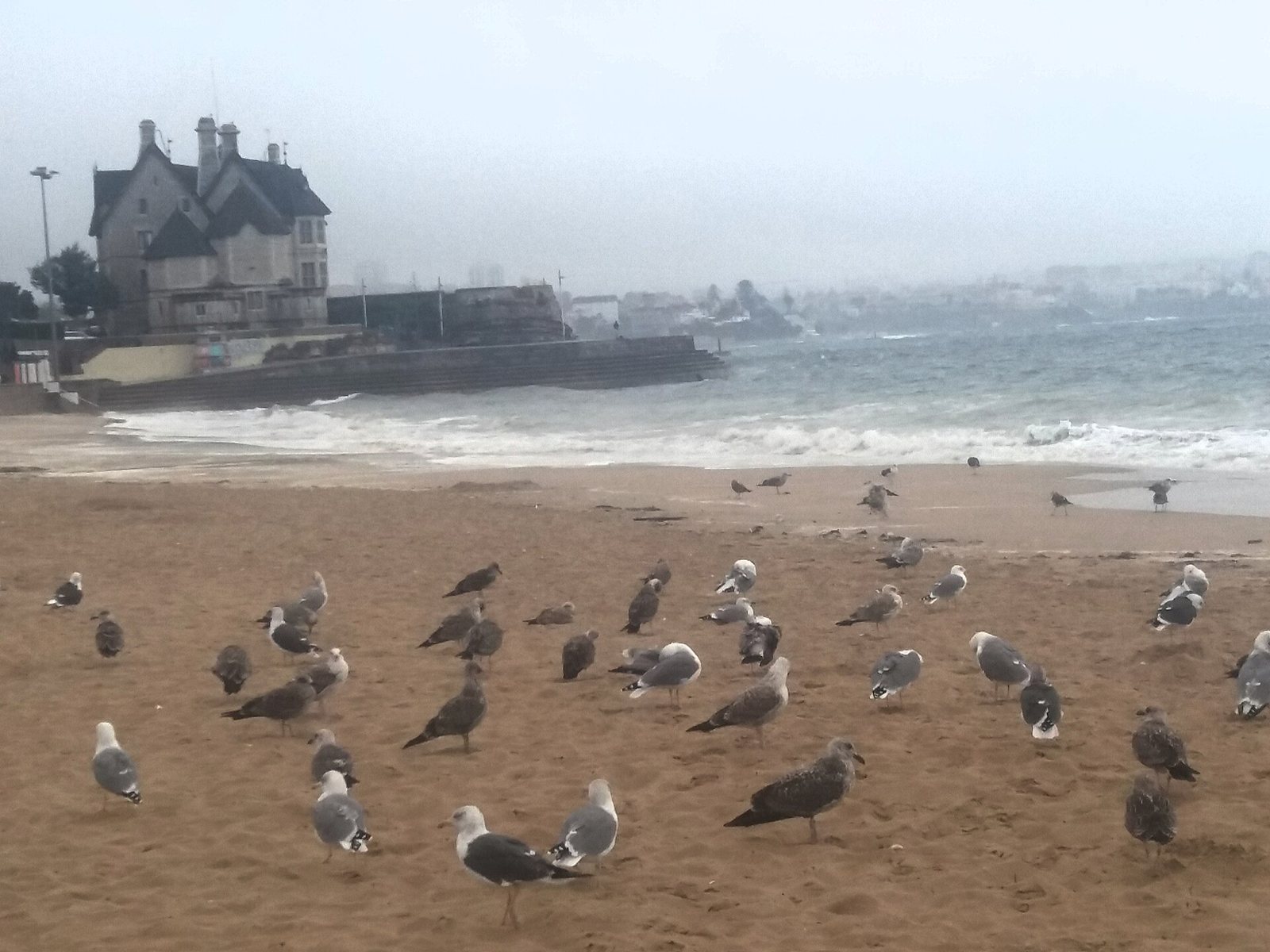
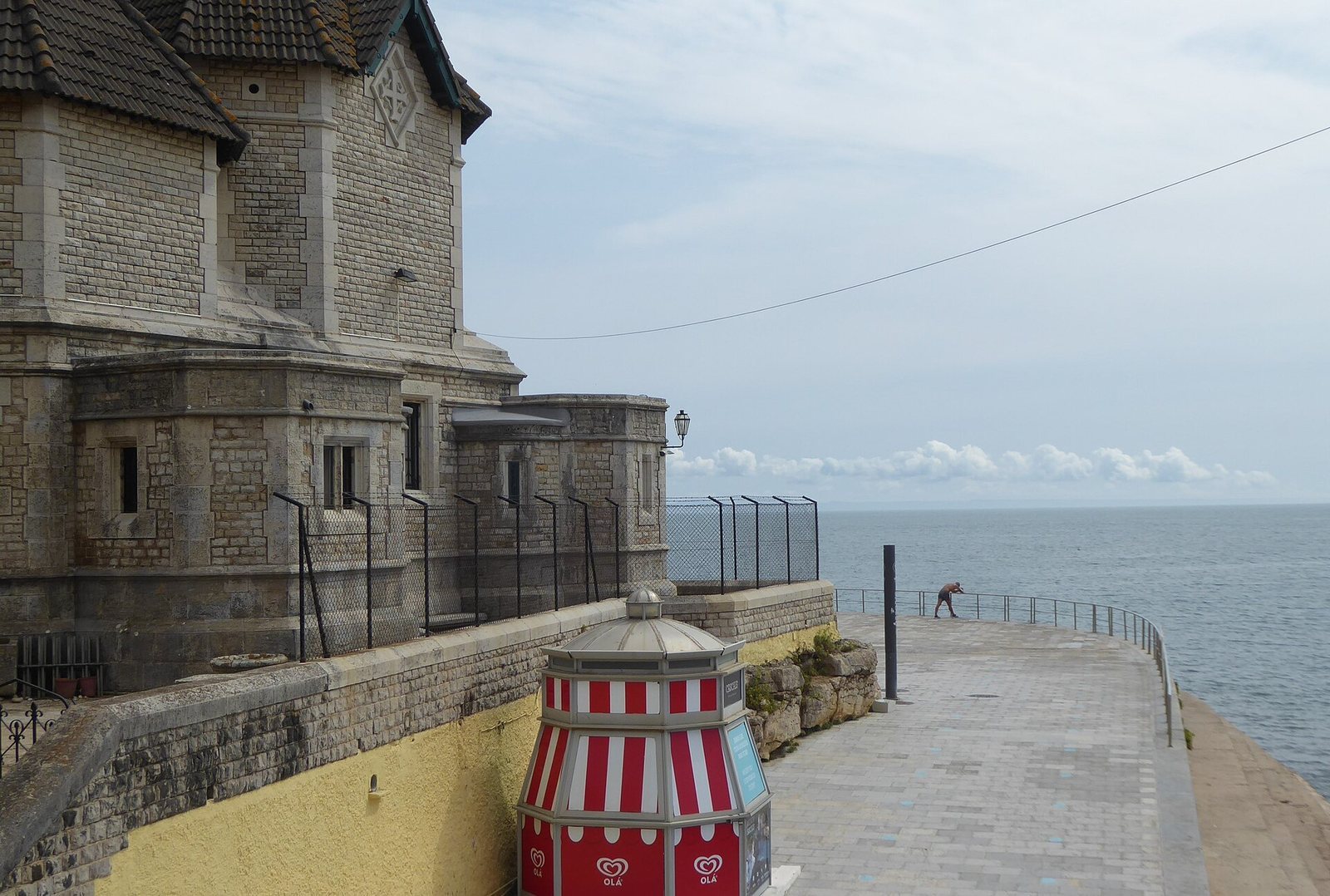
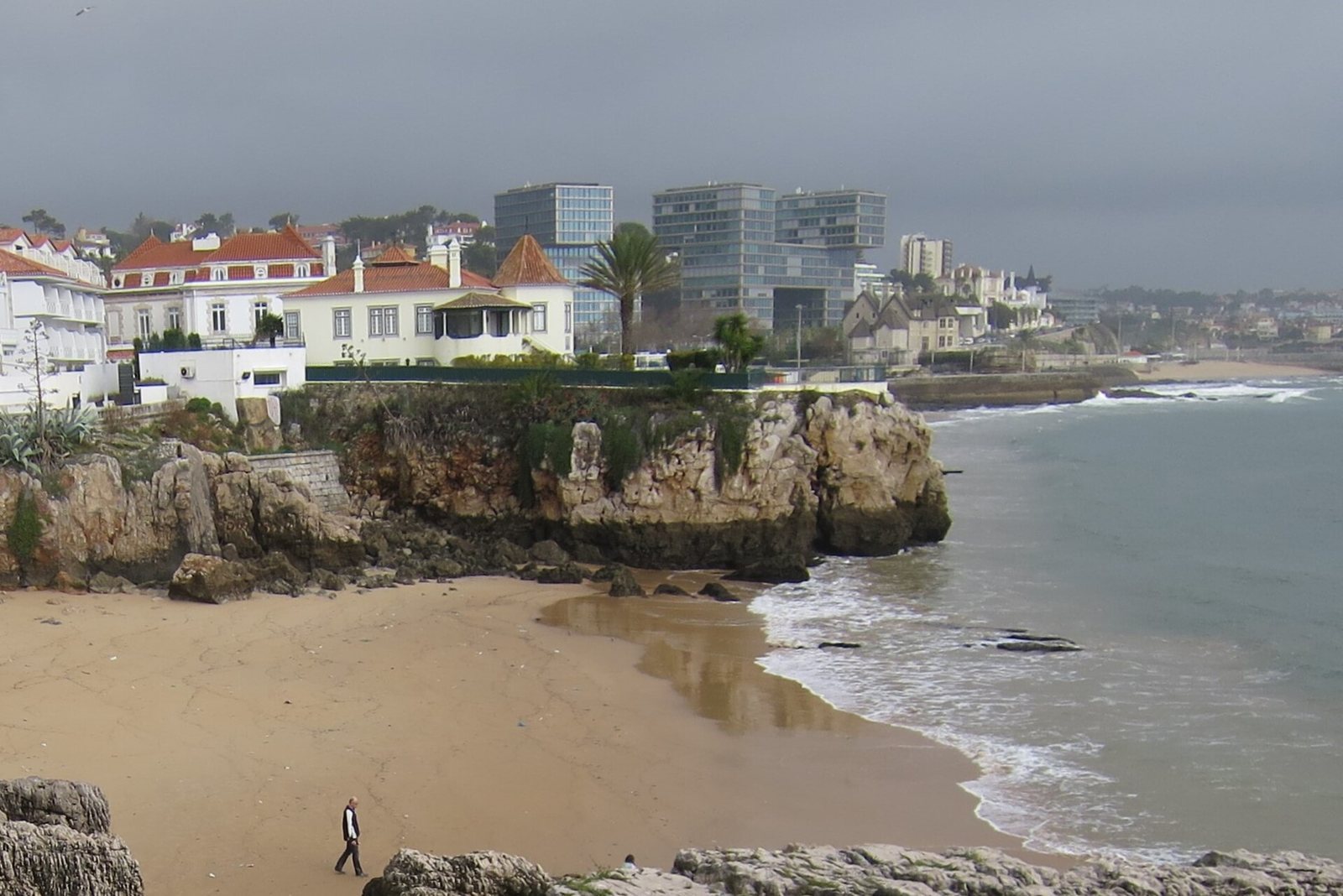
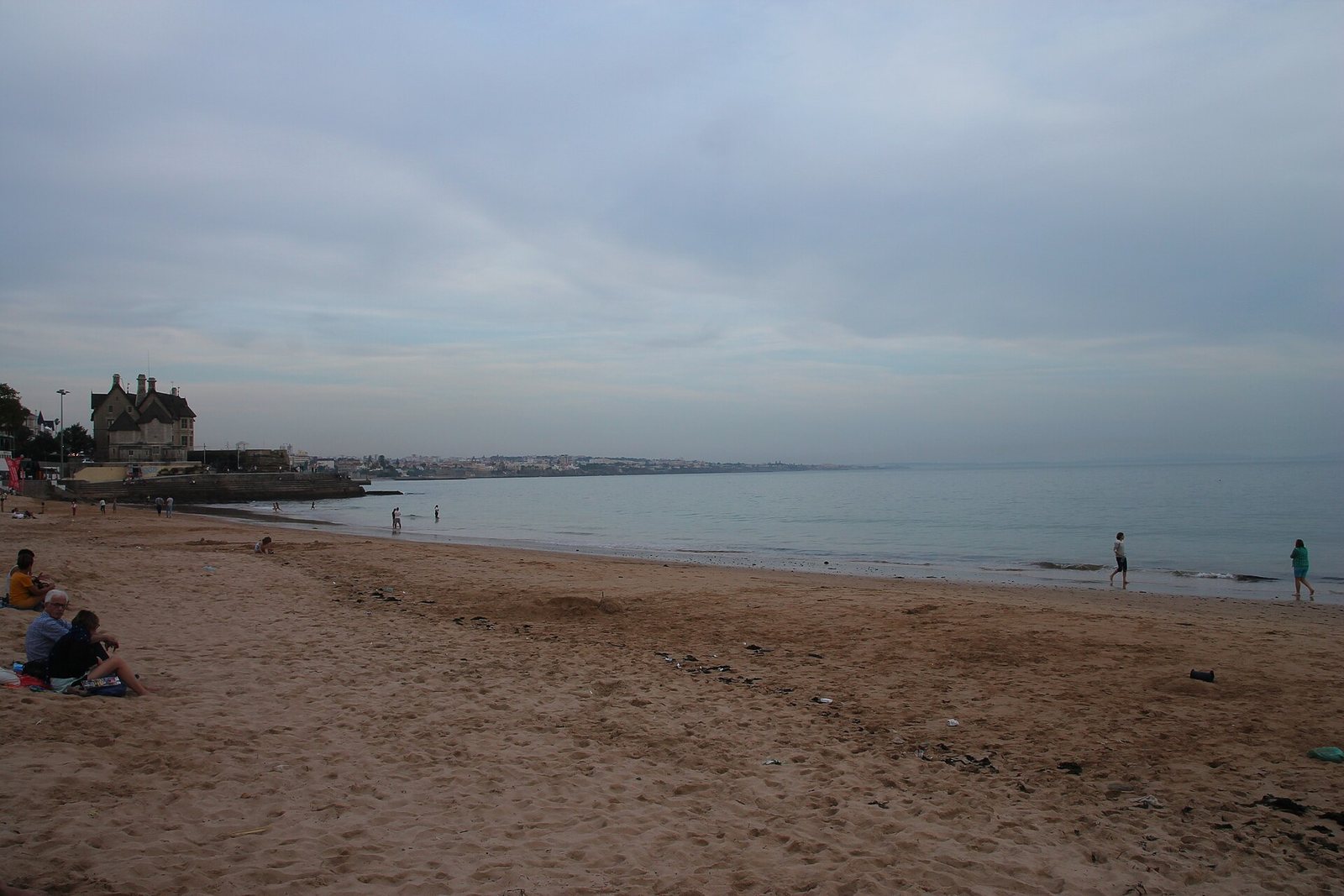
Palmela Palace is a nineteenth-century summer residence in Cascais, Portugal, built for the Duke and Duchess of Palmela. Its design drew strongly on Perpendicular English Gothic, a late English Gothic style marked by vertical emphasis and rectilinear patterns. It was among the largest houses commissioned by Portuguese nobility in Cascais at the time and is a major example of the area’s summer architecture, which developed as the Portuguese royal family and court made the town a summer resort.
Construction and purpose
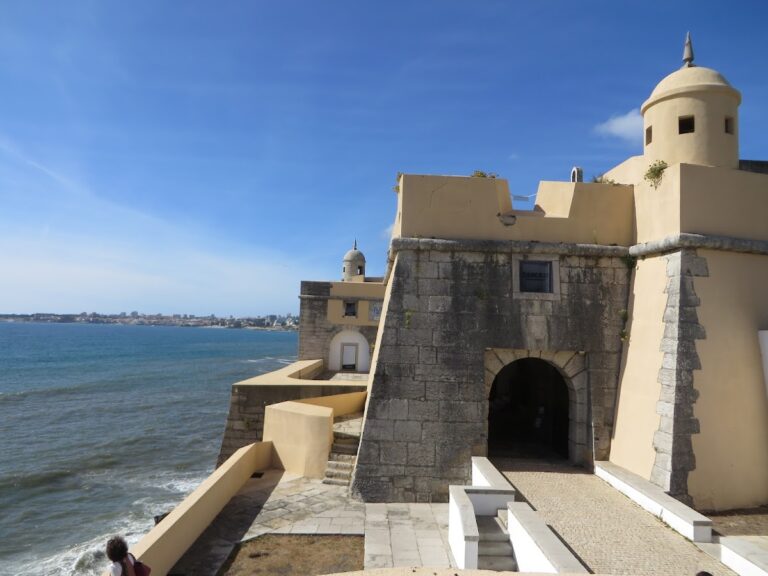
The palace was built on the site of the disused Fort of Our Lady of the Conception, which the Palmela family acquired from the state in 1868 or 1869. The purchase agreement required the family to keep the fort’s coastal firing range clear, so the site could serve military purposes in wartime.
Plans were delivered in 1873, and construction began that year or in early 1874.
Alterations and park
In the 1880s, work to make room for a chapel was considered inadequate. The Duke of Palmela then commissioned further renovations, carried out between 1890 and 1895.
Under the Duchess’s close supervision, a park was developed around the palace. The railway linking Cascais and Lisbon divided the grounds in 1889 and reduced their area.
Remains
The principal building is an asymmetrical palace of local stone, set within parkland that survives on a smaller scale than its original extent.
Architecture and landscape
Palace
The palace’s detailing uses vertical emphasis and rectilinear patterns. Its asymmetrical plan was intended to suggest an older house that had been restored and enlarged. Gazebos and bay windows reflect the building’s seaside setting.
Park
The grounds contain trees and small artificial lakes, as well as a Canary Island pine that is a rare example of the species in Portugal.