Moutot Funerary Complex at Lavau: A Cemetery from the Bronze Age to the Gallo-Roman Period
Site at a Glance
- Popularity
- High
- Country
- France
- Primary era
- Iron Age
- Eras represented
- Bronze Age, Iron Age
- Civilizations
- Hallstatt culture
- Site type
- Burial
- Remains
- Necropolis
On this page15 sections
History
The Moutot funerary complex is an archaeological cemetery at Lavau, near Troyes in France. It was used from the Late Bronze Age, the final phase of the Bronze Age before the Iron Age, through the Gallo-Roman period of Roman rule and cultural influence in Gaul. Its exceptional chariot burial and long history of funerary use place it within a broader archaeological landscape along the middle Petite-Seine.
Bronze Age burial ground
The cemetery’s earliest graves date to approximately 1300–800 BC. Burial activity continued through the Gallo-Roman period, at least until its close, making the complex a place of funerary use across many centuries.
Iron Age monumental phase
Around 500 BC, as the Hallstatt period gave way to the La Tène period, earlier funerary monuments and the principal chariot burial were brought together as one monumental complex. Hallstatt and La Tène are successive archaeological periods of the Iron Age in central and western Europe. The principal burial itself dates to the beginning of the fifth century BC.
The grave provides evidence for exchanges between Hallstatt central Europe and the ancient Mediterranean, including connections involving the Lingones, an ancient Gallic people. The complex may also point to a prehistoric center of power downstream along the Petite-Seine, comparable with the large fortified settlement at Mont Lassois.
Discovery and interpretation
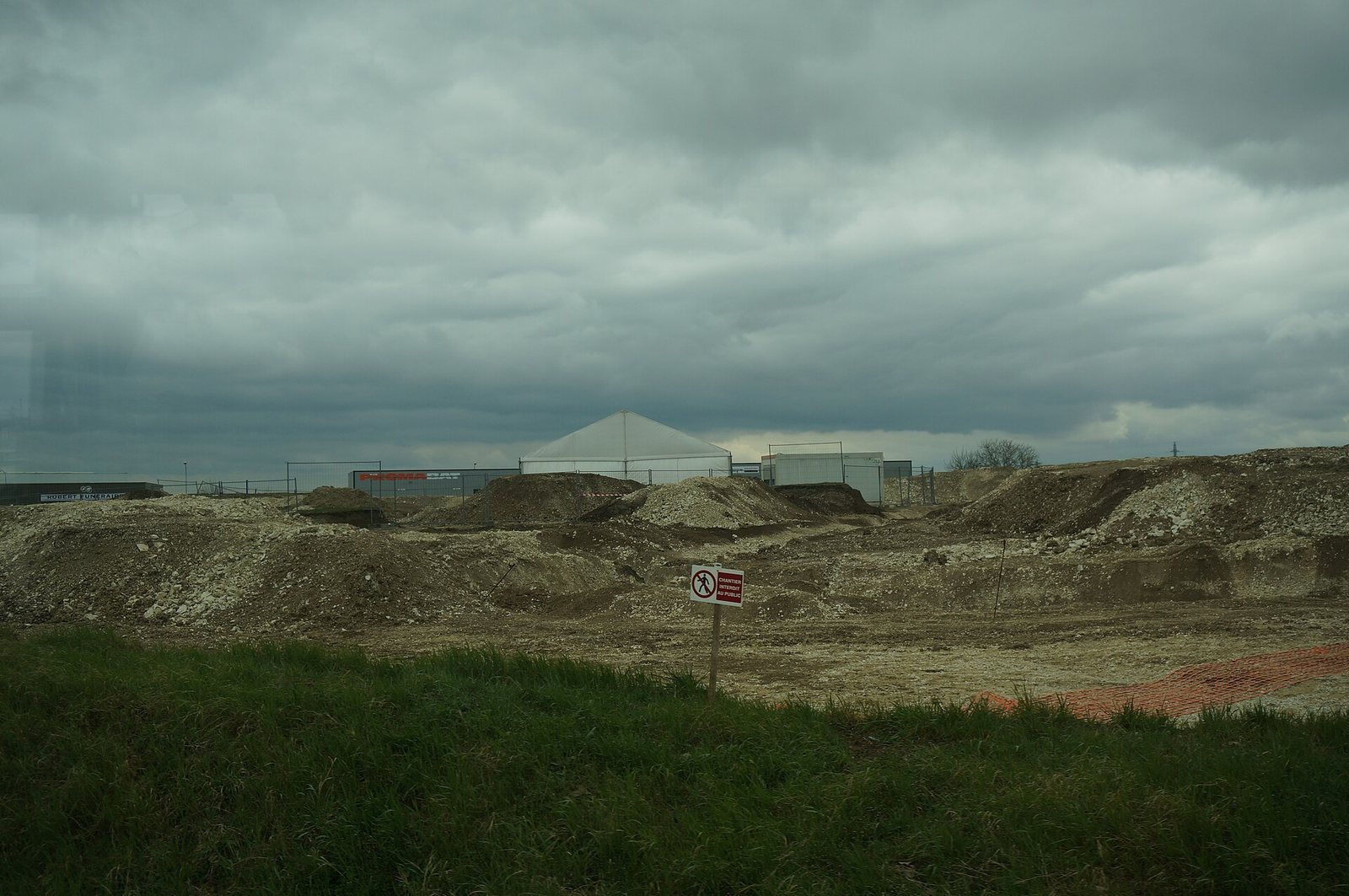
A diagnostic survey in August 2014 led to six months of preventive excavation by France’s National Institute for Preventive Archaeological Research. The work took place ahead of industrial development at the Moutot activity zone, and the discovery was announced on 4 March 2015. The grave goods were subsequently analyzed by the Center for Research and Restoration of the Museums of France.
The burial was first interpreted as princely. Whether the deceased was a warrior has since been questioned, and he may instead have belonged to an intellectual or religious elite, perhaps as a druid, a learned religious figure in ancient Celtic societies. The tomb was better preserved than the comparable burials at Vix and Hochdorf.
Remains
The cemetery’s remains include circular burial mounds, ditched enclosures, cremation burials and a timber-framed chamber beneath the principal mound. Its physical layout combines earthwork boundaries and timber construction, with an older rectangular funerary enclosure on the mound’s northwest side.
Earlier burials
Late Bronze Age graves
Late Bronze Age features include circular mounds edged by ditches, associated with the Tumulus, or burial-mound, culture. Cremation burials in small containers relate to the Urnfield culture, which used urns for cremated remains. Finds from this period also include a funerary urn assigned to Hallstatt A2, a handled pot classified as A1, a bowl and a large storage vessel.
Early Hallstatt graves
Among the early Hallstatt burials was a man buried with an iron sword. A woman’s grave contained bronze bracelets.
The principal burial and its enclosures
Mound and enclosing features
The principal grave lay beneath a mound about 40 metres across and 10 metres high, part of which remained raised above ground. A ditch and palisade encircled the mound, while a separate ditch about three metres deep enclosed the funerary area. An older rectangular enclosure, roughly 100 metres long, adjoined the mound on its northwest side and had two smaller burial mounds at each end. The relationship between this enclosure and the later burial has been likened to that of a heroon, a monument associated with a hero or honored dead. This is an interpretation of the structures’ relationship, not a confirmed identification of a shrine.
Timber-framed chamber
The burial chamber covered nearly 14 square metres and was built with a timber frame. Inside, a man lay on a two-wheeled chariot with his head pointing south.
Grave goods
Drinking vessels and equipment
A large bronze vessel, used as a cauldron or mixing bowl, measured about one metre across and held approximately 250–300 litres. It was probably made in Greece or Etruria and cast using the lost-wax method, in which a wax model forms the mold for the metal. Its four handles were decorated with detailed heads of Acheloos, a Greek river god, and the vessel also carried eight raised feline heads. A handled wickerwork structure was found around or in association with it, though its purpose is uncertain. A corded bronze, bucket-shaped vessel lay beneath it.
The drinking equipment also included an Attic black-figure wine jug, made in the region around Athens and decorated with dark figures against the clay. It depicts Dionysus, associated with wine and revelry, with Demeter, associated with agriculture and grain, and a satyr, a male nature spirit. Gold and silver wire decoration encircled the jug’s base and neck in an elaborate arrangement made locally, described as the northernmost known example of its kind. Other drinking cups included cantharus cups and kylikes. Inside the bronze vessel were a strainer with a serpent-shaped handle and horned head, a bent silver spoon and a cup foot that may have been made in a similar manner to the jug.
Other vessels and implements
Other grave goods included vases, an Etruscan bronze vessel, a silver cup, finely fluted pottery and a knife or dagger in its sheath. The vessels and implements are associated with banqueting and wine drinking.
Clothing and personal ornaments
The man wore a smooth gold neck ring weighing 580 grams. Its ends were pear-shaped, and its decoration included a double motif of winged monsters turned toward the left shoulder and concentric circles at its thickest point. He also wore a closed gold bracelet on each wrist, each ornamented with two opposed waterfowl heads; both showed wear of undetermined age. A lignite armlet, made from a soft brown coal used as an ornamental material, was found at his left upper arm.
Amber beads near his neck may have belonged to a necklace or a hair ornament. Two iron garment fasteners decorated with red coral and iron rivets came from a partly preserved leather garment. Bronze lace fittings and clasps belonged to his footwear.