Allée couverte des Grèves de Frécul: A Neolithic Tomb in Troyes
Site at a Glance
- Popularity
- Very Low
- Country
- France
- Primary era
- Stone Age
- Eras represented
- Stone Age
- Civilizations
- Unclassified
- Site type
- Burial
- Remains
- Tomb
On this page6 sections
History
Neolithic setting
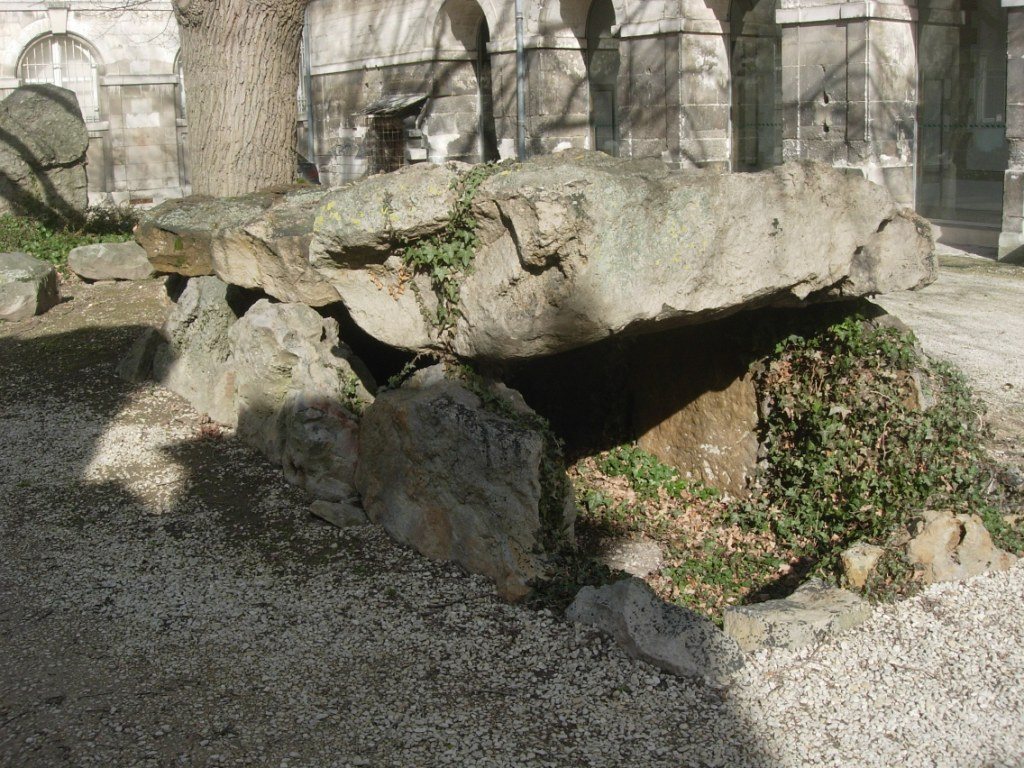
The Allée couverte des Grèves de Frécul is a Neolithic covered-gallery tomb, a long, roofed burial chamber built from large stones, now in Troyes, France. It originally stood in Bois du Charnier, in Barbuise. The surrounding Seine alluvial plain was widely inhabited during the Neolithic, the later Stone Age, and the Bronze Age. The territories of Barbuise and La Saulsotte contain at least four and twelve prehistoric monuments respectively, though the locations of many are uncertain.
Excavation and relocation
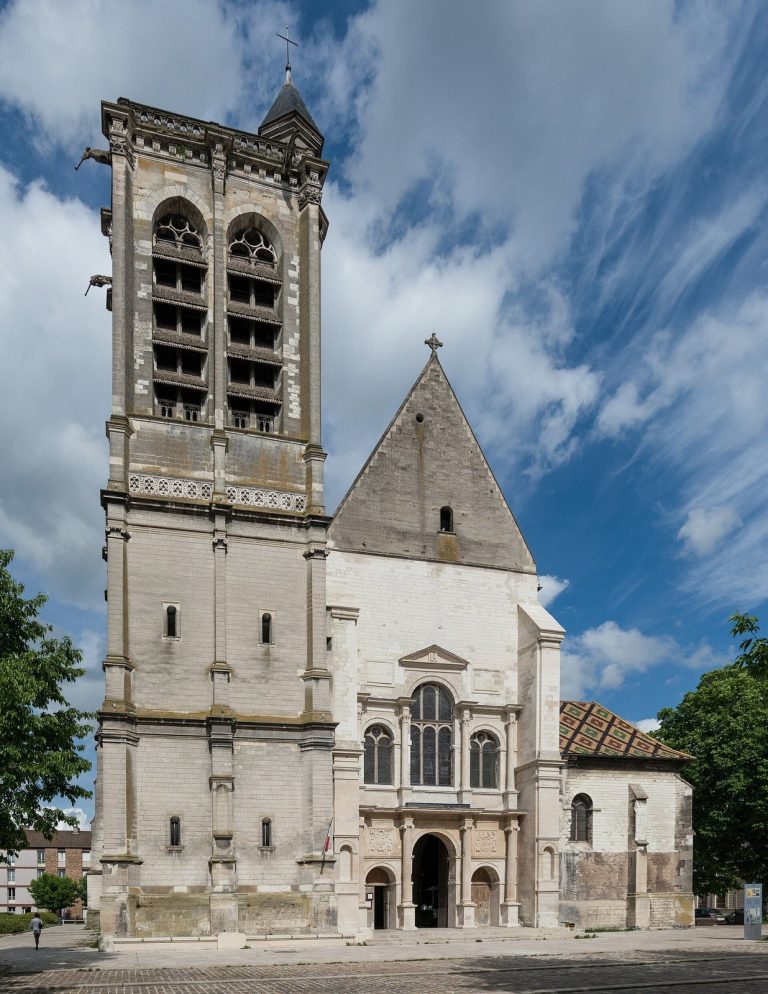
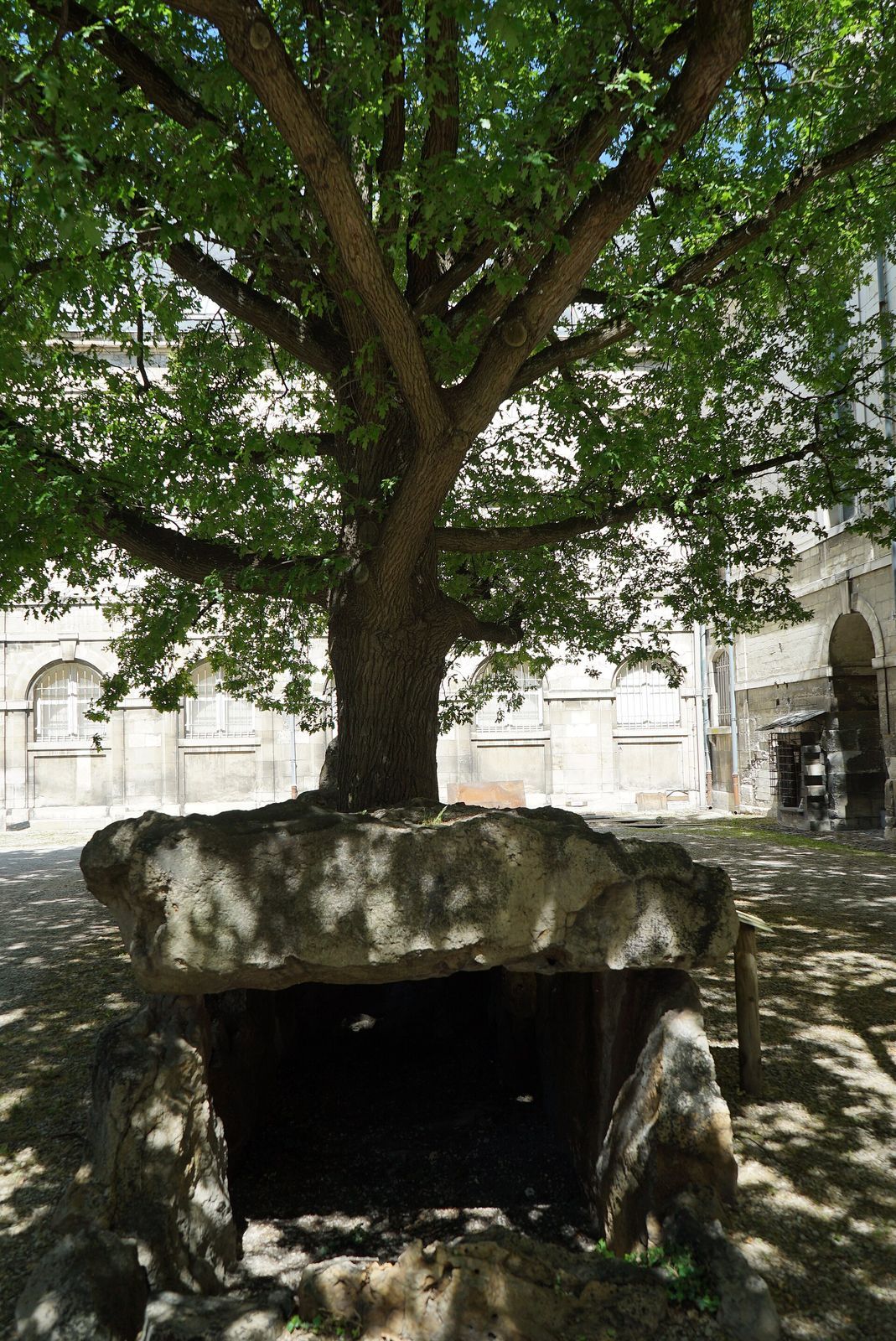
The tomb was excavated in place in 1864. In the 1870s, it was moved to prevent quarrying from destroying it, and it now stands in the courtyard of the Musée Saint-Loup. It received Historic Monument status in 1993, a French designation that provides official heritage protection.
Remains
The tomb’s long, roofed stone gallery runs north to south and linked a burial chamber with the largest of the Frécul dolmens. The structure is now partially preserved in the museum courtyard.
Burial chamber and stones
The chamber measures 4.40 metres long, 1.55 metres wide and 1.25 metres high. Its surviving structure includes seven upright stones that supported it, three roof stones, and four smaller slabs at the entrance.
Burial finds
The archaeologist Philippe Salmon described numerous bones piled together without a particular arrangement. Finds included three flint blades, one measuring 12 centimetres, two fragments of polished axes, a black-stone adze, a cutting tool, and the broken end of a green-stone axe. Animal remains included a bird bone and a cattle tooth; a shell and pottery fragments were also recovered. The pottery is associated with the Seine-Oise-Marne culture, an archaeological grouping identified from material in parts of northern France, and with the Bronze Age. Drawings preserve the appearance of two vases that are now lost, one of which had a flowerpot-shaped form.