Church of the Assumption in Jankowice Wielkie: A Gothic Church with Changing Religious Use
Site at a Glance
- Popularity
- Very Low
- Country
- Poland
- Primary era
- Medieval
- Eras represented
- Medieval, Early Modern
- Civilizations
- Habsburg, Holy Roman Empire
- Site type
- Religious
- Remains
- Church
On this page4 sections
History
Medieval origins
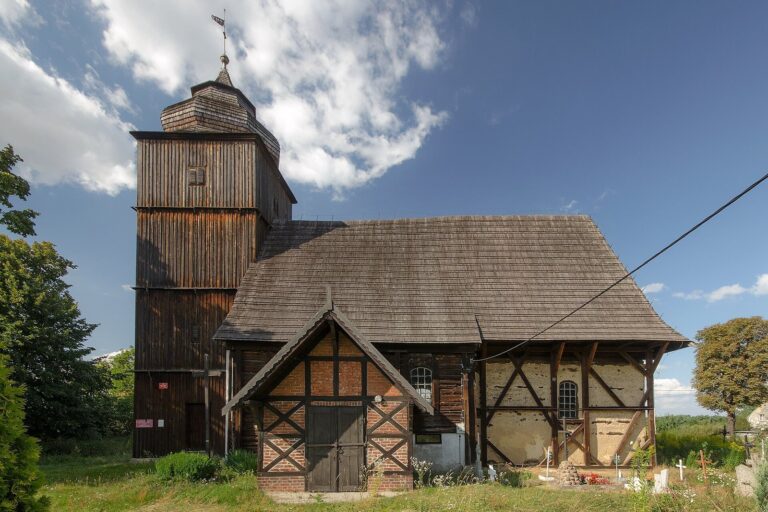
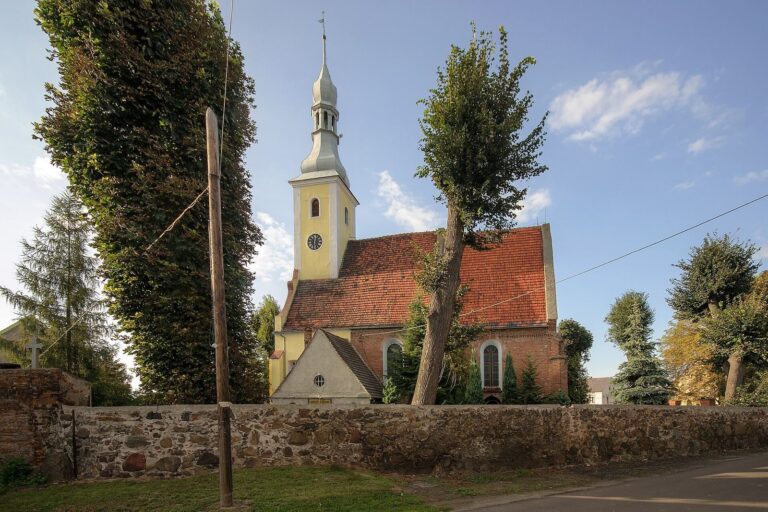
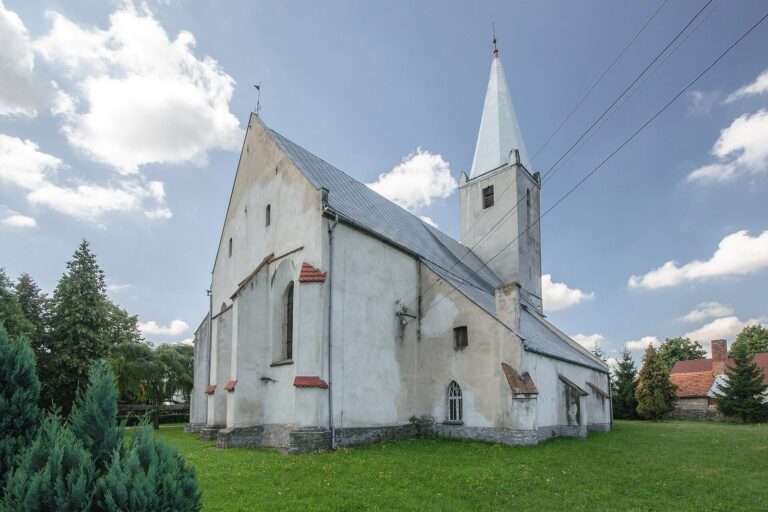
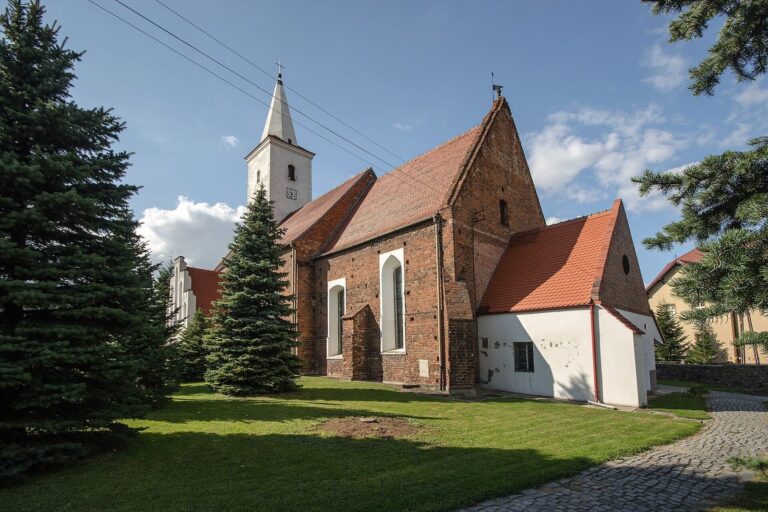
The Church of the Assumption in Jankowice Wielkie, Poland, is a Gothic building dating to the early 14th century. Gothic was a medieval European architectural style. The church’s first recorded mention dates to 1483.
Religious change and present use
From 1535 to 1945, the church served Protestant worship. After the Second World War ended in 1945, it passed to the Catholic community.
Today it is a Roman Catholic filial church, meaning it is attached to a parish rather than serving as its principal church. Dedicated to the Assumption of Mary, the Catholic belief that Mary was taken into heaven, body and soul, it belongs to the parish of St Michael the Archangel in Wierzbnik. The parish is part of the Grodków deanery, an administrative grouping of parishes within the Diocese of Opole. The church’s liturgical feast is observed on 15 August.
Remains
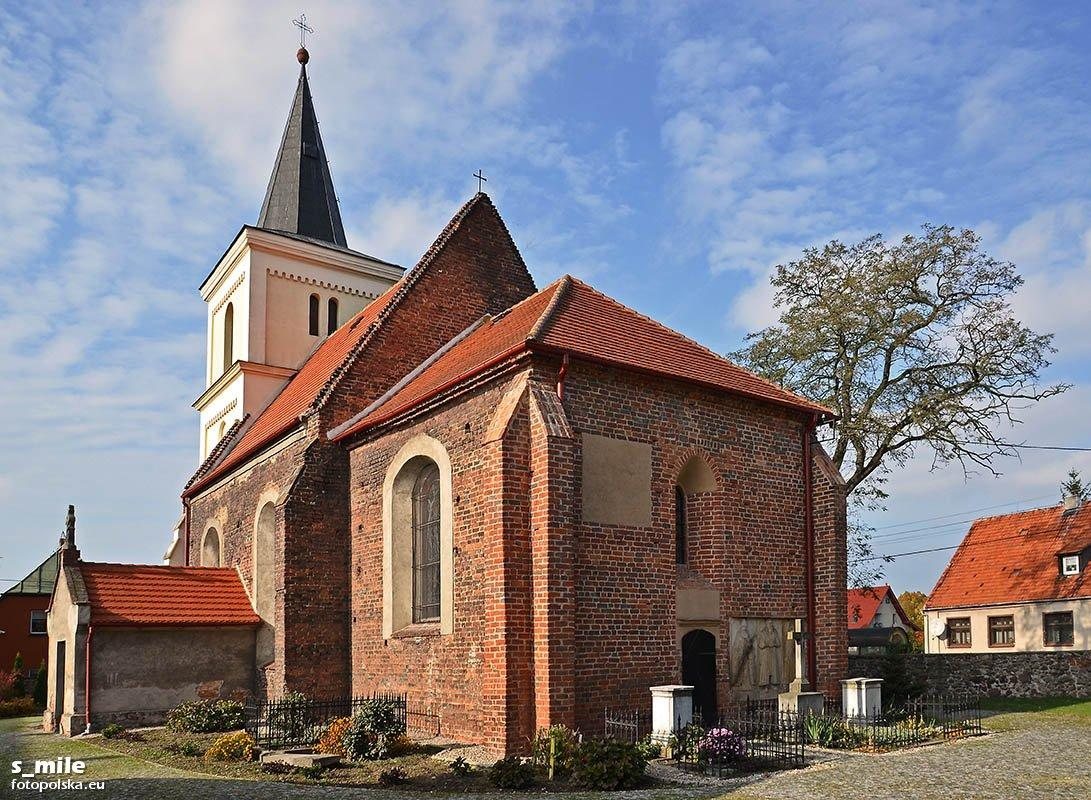
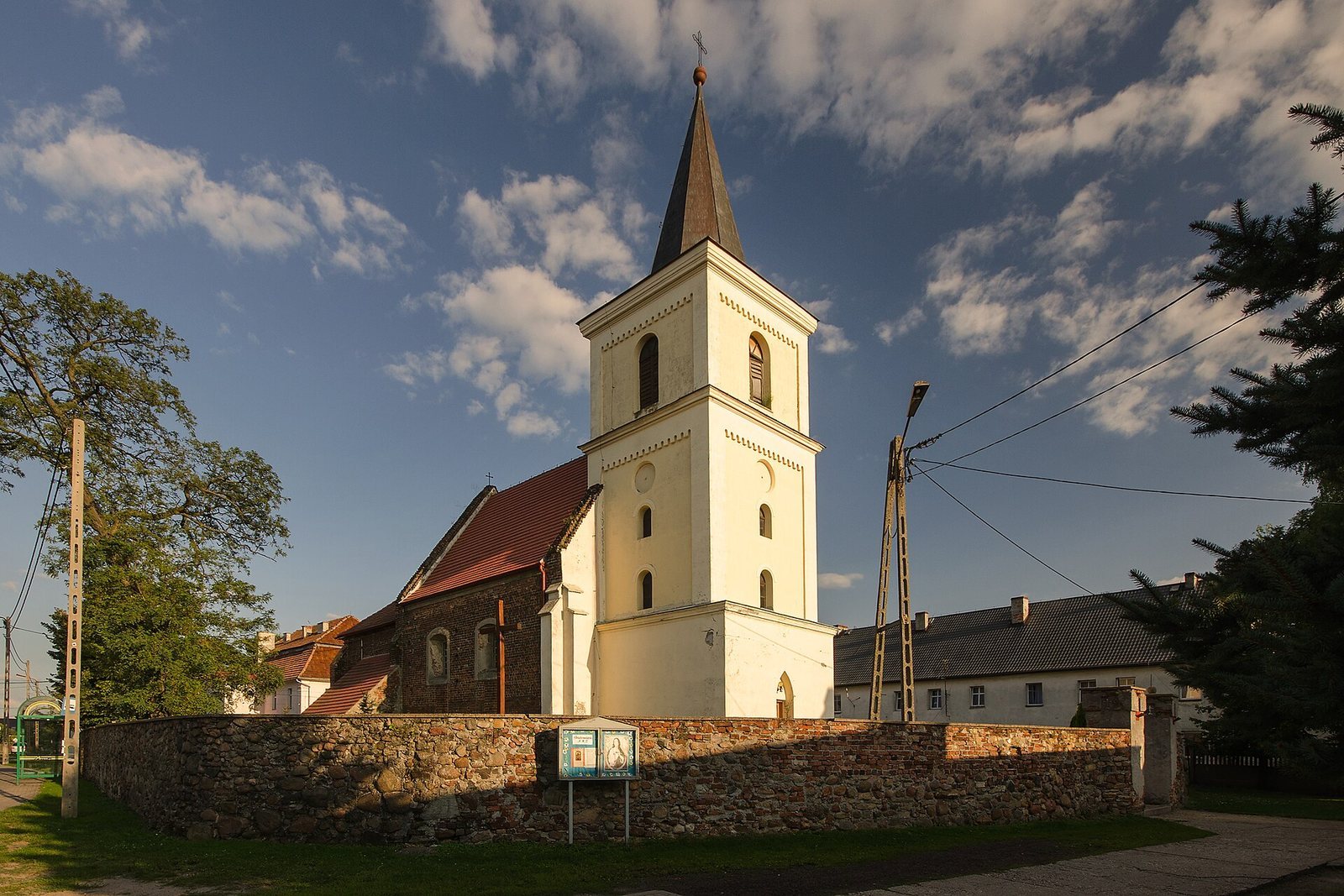
The brick church has one tower and an interior with three altars. Renaissance, an artistic style of the early modern period, tomb slabs decorate the east wall of the altar area. The main altar dates to the turn of the 17th and 18th centuries and is adorned with figures of angels. The interior also contains a pulpit with carved images of Saints Mark, Matthew, Luke, and John, traditionally associated with the four New Testament Gospels. A baptismal font in the Baroque style, an artistic style of the later 16th through 18th centuries, and sculptures of John the Baptist, the biblical preacher who baptized Jesus, and Moses, a leader and lawgiver in the Hebrew Bible, are also part of the furnishings.
The church is included in the Brzeg Polychrome Route, which links churches with wall, ceiling, and vault paintings in 18 localities near Brzeg. Its paintings are attributed to the Master of the Brzeg Adoration of the Magi, a conventional name for an unidentified painter.