Sacred Heart Church in Czeska Wieś: A Gothic Roman Catholic Church
Site at a Glance
- Popularity
- Very Low
- Country
- Poland
- Primary era
- Medieval
- Eras represented
- Medieval, Early Modern
- Civilizations
- Habsburg, Holy Roman Empire, Kingdom of Bohemia
- Site type
- Religious
- Remains
- Church
On this page9 sections
History
Medieval church and remodeling
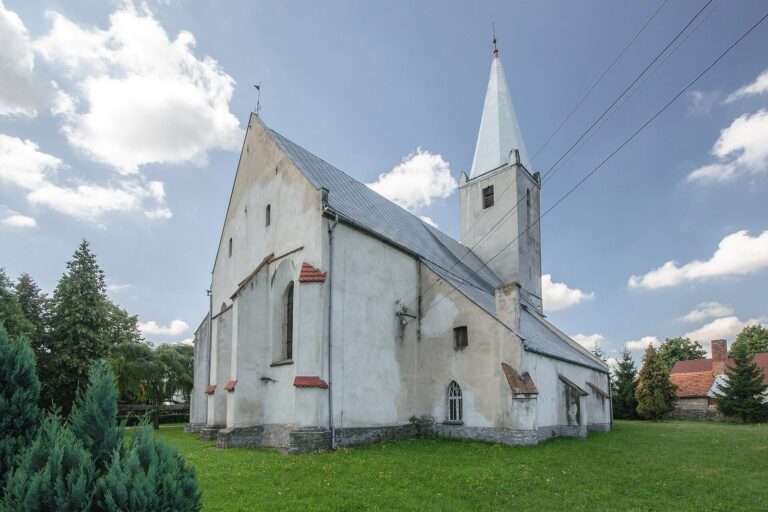
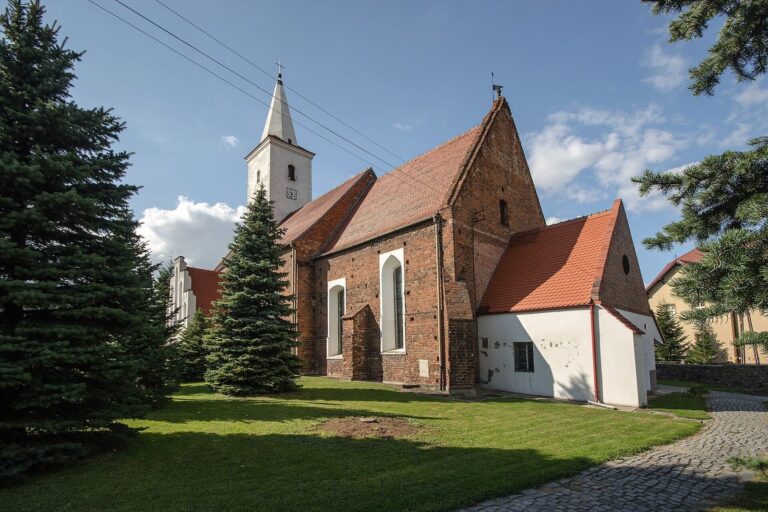
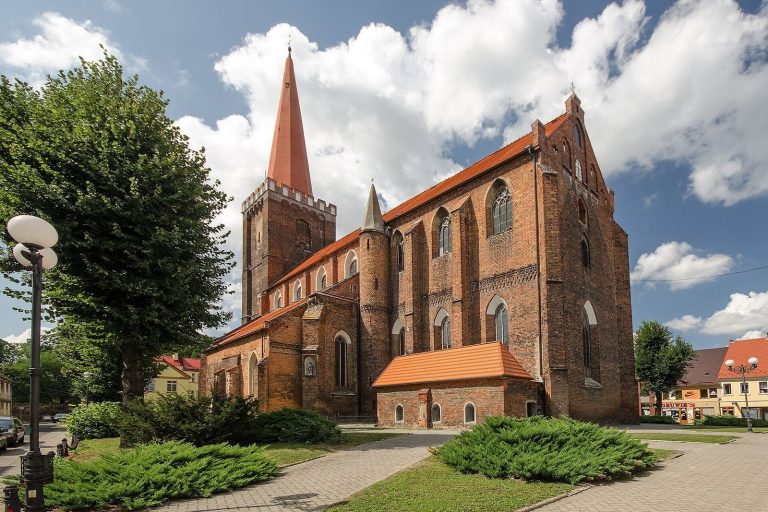
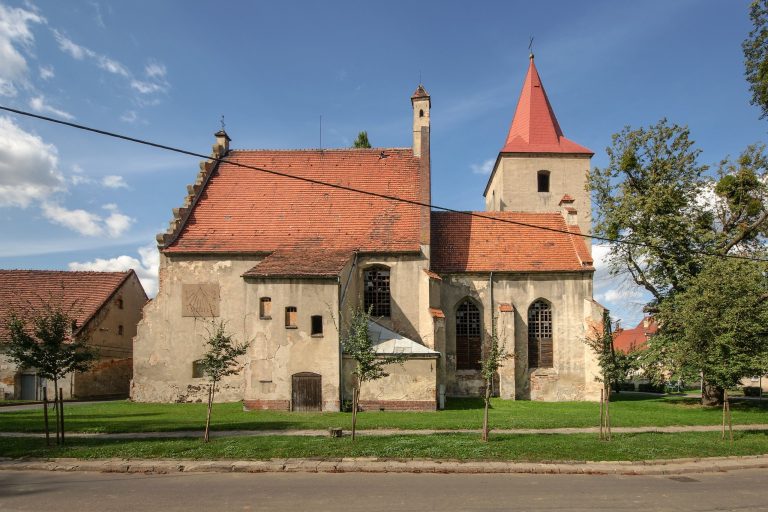
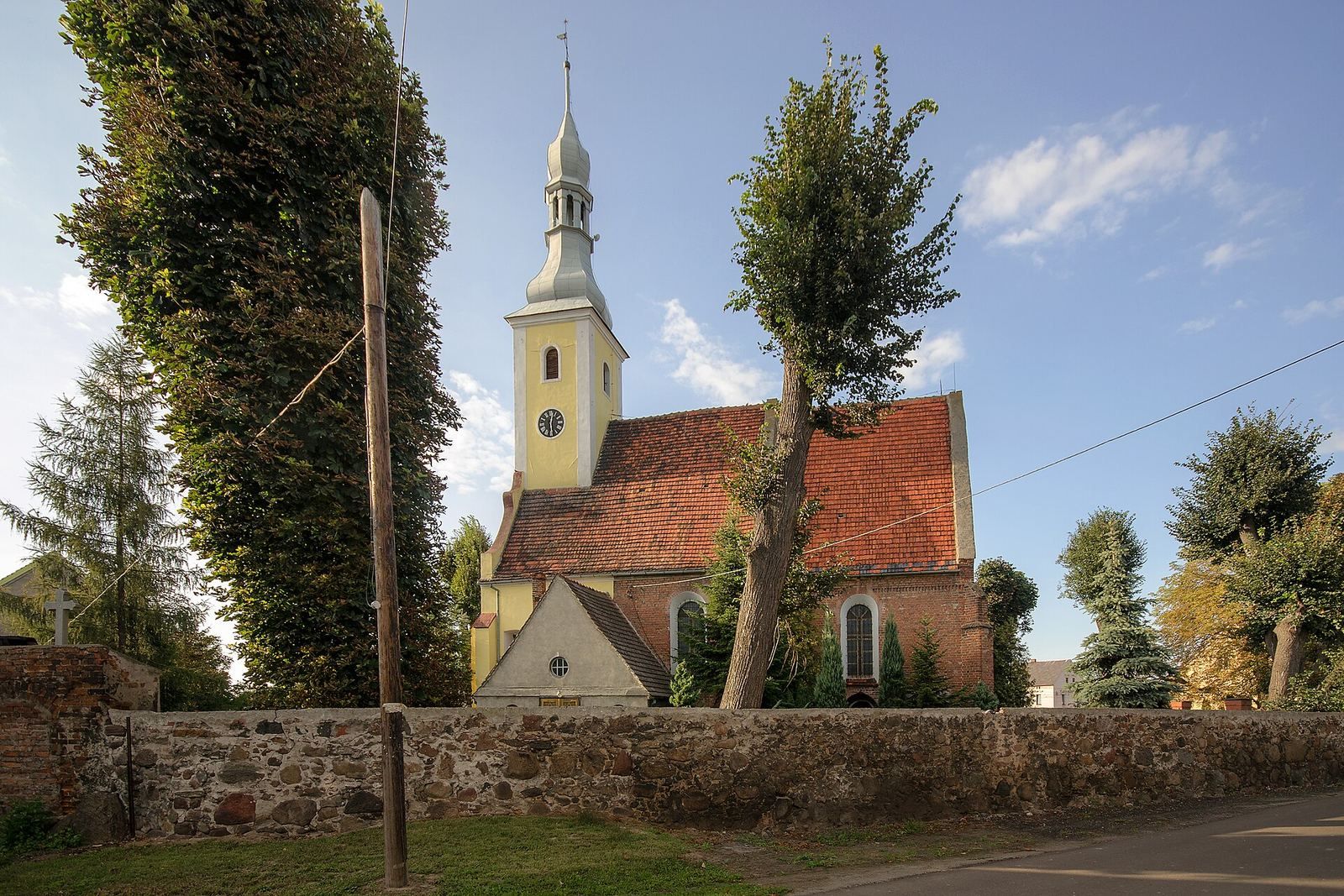
The Sacred Heart church in Czeska Wieś, Poland, is a Gothic brick church whose present building dates to the early 14th century. A church at the settlement was first recorded in 1310. The building was remodeled in 1826–1827.
Religious use
The church formerly served Protestant worship and is now a Roman Catholic filial church, dependent on a parish rather than its principal church. It belongs to the Parish of St Hedwig of Silesia in Michałów, named for a medieval duchess and Catholic saint. The parish is part of the South Brzeg Deanery, a grouping of parishes, within the Archdiocese of Wrocław, a major regional church jurisdiction. The church is dedicated to the Sacred Heart of Jesus, a Catholic devotion that regards Christ’s heart as a sign of his love. The solemnity of the Sacred Heart is its liturgical feast.
Remains
Building and painted decoration
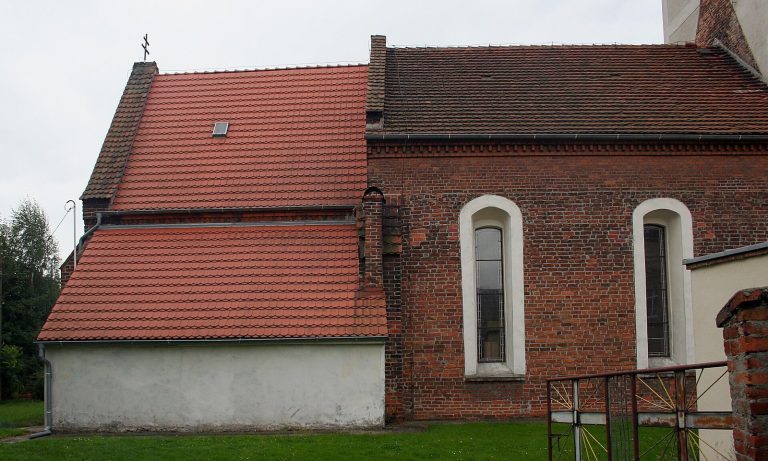
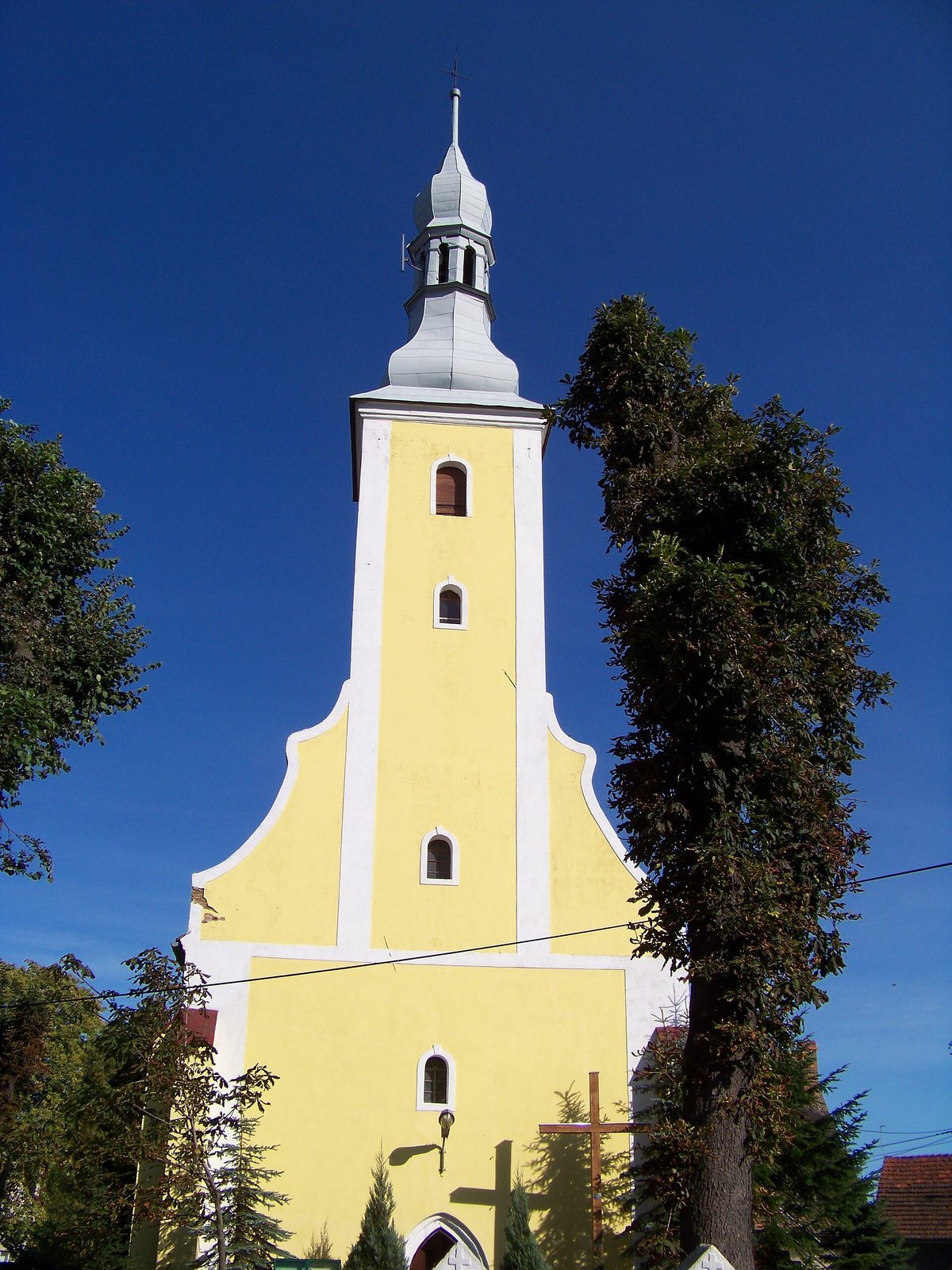
The church is an oriented Gothic brick building with one tower. Gothic paintings in several colors survive beneath the interior plaster. The church also belongs to the Brzeg Polychrome Route, which links churches in 18 localities around Brzeg. The route is associated with a concentration of paintings on walls, ceilings, and vaults described as the largest of its kind in Poland.
Interior furnishings and memorials
Main altar
The wooden main altar is Baroque and dates to the turn of the 17th and 18th centuries.
Pulpit
The wooden Baroque pulpit dates to the 17th century and retains paintings of the Evangelists, the traditional authors of the four canonical Gospels.
Font, paintings, and other features
The Renaissance baptismal font dates to 1575. A painting of the Crucifixion of Jesus was made around the turn of the 16th and 17th centuries, and the music gallery dates to the 16th century. Two bronze bells bear the date 1747. An epitaph commemorates pastor Daniel Becker and his wife, Dorota.