Church of Saint Urban: A Medieval Parish Church in Slovakia
Site at a Glance
- Popularity
- Very Low
- Country
- Slovakia
- Primary era
- Medieval
- Eras represented
- Medieval, Early Modern, Modern
- Civilizations
- Habsburg, Hungarian
- Site type
- Religious
- Remains
- Church
On this page6 sections
History
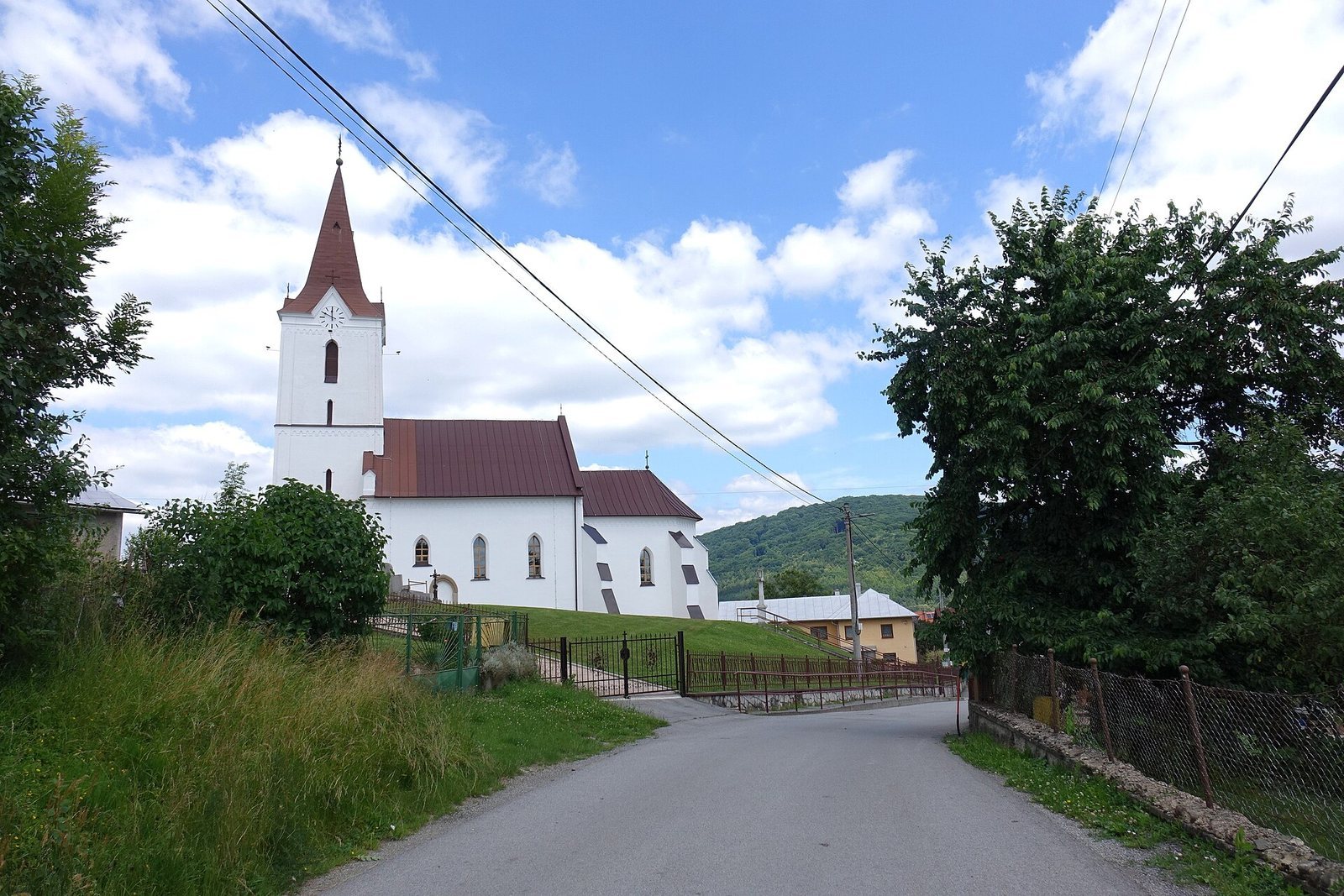
The Church of Saint Urban is a Roman Catholic parish church in Bystré, Slovakia, and the village’s oldest surviving historical monument. Its exact construction date is unknown, but it is thought to have been built in the second half of the 14th century with the involvement of the Soós landowning family. Dedicated to Saint Urban I, a third-century pope venerated as a saint, it serves the Bystré parish. The parish belongs to the Deanery of Vranov nad Topľou, a grouping of parishes, within the Archdiocese of Košice, a diocese led by an archbishop, and the Eastern ecclesiastical province, a grouping of dioceses.
Later additions
The church was enlarged in 1490 with the addition of a chancel. A sacristy, a room for storing items used in worship, was added during the first half of the 19th century.
Twentieth-century changes
Extensive repairs took place during the 20th century. In 1914, the original shingle roof was replaced with sheet metal. Bells dating from 1636 were requisitioned for military use in 1917, and two replacement bells were made afterward. On 17 April 1963, the church received Slovakia’s National Cultural Monument designation, a status for protected cultural heritage.
Remains
The church’s layout consists of a single nave and one tower, with a chancel and sacristy as additional parts of the building.
Plan and tower
The tower contains two bells dating from 1921. The larger is dedicated to Saint Urban, and the smaller to Saint John the Baptist, a major Christian prophet.
Main altar and carvings
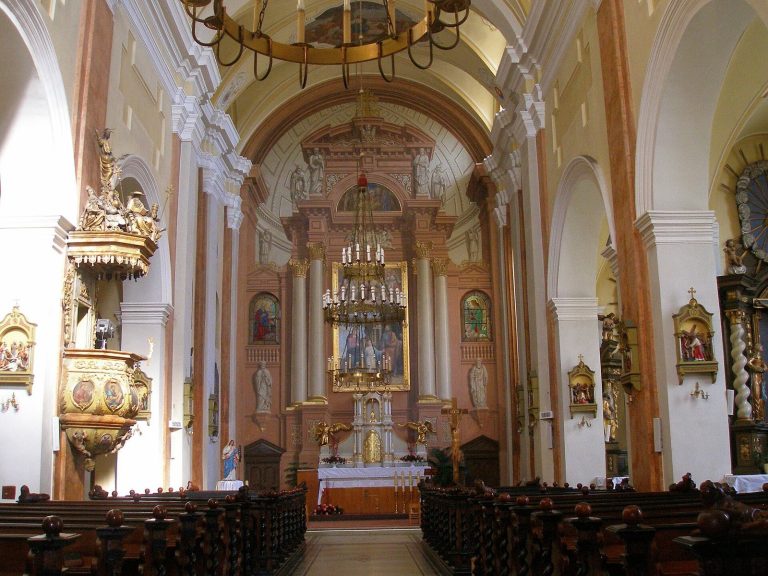
The main altar has a Neo-Gothic altarpiece, an ornamental structure associated with an altar and inspired by medieval Gothic forms. It contains a late-Gothic relief, a carved image projecting from a flat surface, depicting the Coronation of the Virgin Mary, the mother of Jesus. Sculptures of Saints Peter and Paul stand in niches on either side. The relief and figures form a multicolored woodcarving ensemble dating to around 1500, attributed to the Prešov woodcarver Ján Weiss.