Chilworth Manor: A Historic Country House and Estate
Site at a Glance
- Popularity
- Medium
- Country
- United Kingdom
- Primary era
- Early Modern
- Eras represented
- Early Modern
- Civilizations
- British, English
- Site type
- Domestic
- Remains
- Manor House
On this page9 sections
History
Medieval estate and monastic use
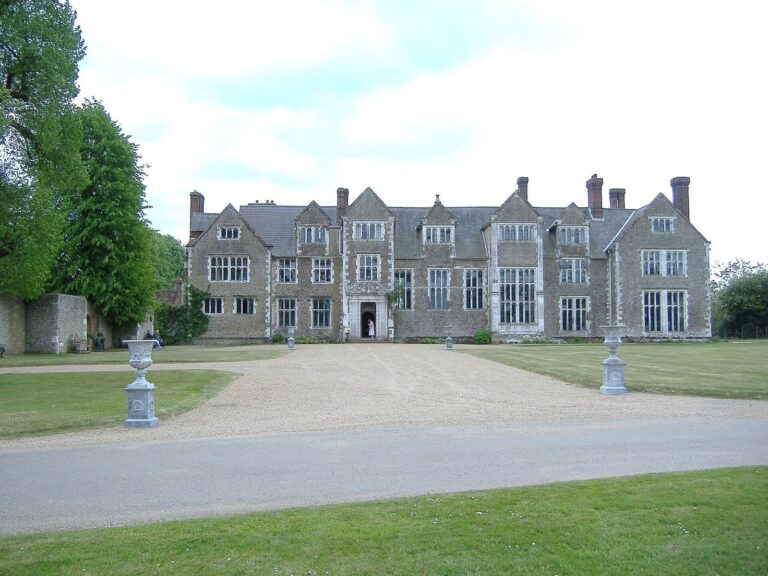
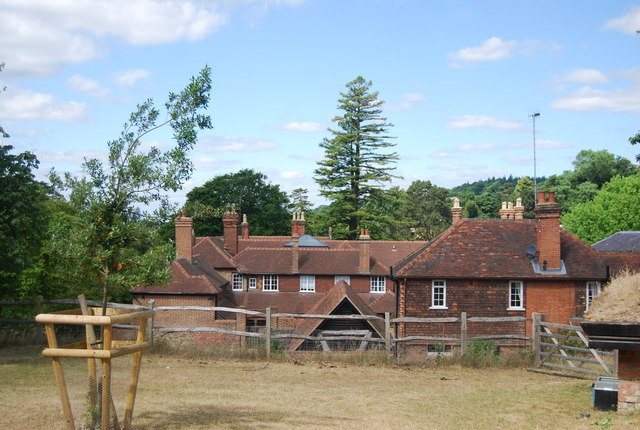
Chilworth Manor is a country house in the United Kingdom, midway between Chilworth and St Martha’s Hill, which lies to its north. Chilworth, a manor (a landed estate held under a lord’s authority), appears in the Domesday Book, the survey of English landholding completed in 1086. Alwin held the estate before the Norman Conquest, the Norman takeover of England in 1066; afterward, it belonged to Odo of Bayeux, a Norman bishop and half-brother of William the Conqueror. The estate later came under the lordship of Bramley, lay partly within St Martha and partly within Shalford, and eventually became part of Albury.
A monastic cell, a small religious house dependent on a larger institution, occupied the manor-house site. It belonged to the Augustinian canons of Newark Priory in Surrey, a community whose members followed the Rule of St Augustine. One of the priory’s canons probably served the parishioners of St Martha during the Middle Ages. After Henry VIII’s sixteenth-century dissolution of the monasteries, William Morgan owned Chilworth by 1580. He also held the neighboring manor of Tyting with Henry Polsted.
The Morgan and Randyll families
William Morgan settled Chilworth on his son John when John married Anne Lumsford in 1583, and again when John married Margery Goldinge in 1589. John’s wife, Lady Margaret, hosted the poet Robert Tofte and his brother at the manor. In 1598, Tofte dedicated his translation of Matteo Maria Boiardo’s chivalric poem Orlando Innamorato to her. In 1602, John’s daughter Anne married Sir Edward Randyll, and John gave her a half-share of the manor of Wotton on that occasion. John later married Elizabeth Rich. He died at Chilworth in 1621, and his settlement of the estate allowed his widow to remain there until her death in 1633. She had meanwhile married John Sotherton the younger.
The Randyll family held Chilworth for more than a century. In 1626, the English East India Company, a trading company, selected the estate for a gunpowder manufactory and agreed a 21-year lease with the family. Production stopped in 1632. The Company transferred its interest in the mills to Samuel Cordwell in 1637, shortly after contracting to supply Charles I.
The king’s monopoly expired in 1641, and the mills were demolished to prevent Royalist seizure. During the English Civil War, the conflict between supporters of Charles I and Parliament, the mills were operating again by 1643 and supplying Parliament. When the original lease ended in 1649, Vincent Randyll let the mills on a year-by-year basis.
Later owners and restoration
Morgan Randyll, Member of Parliament for Guildford from 1680 to 1712, sold the property because of the expense of elections. Richard Houlditch, a director of the South Sea Company, bought it, then sold it after losing money in the South Sea Bubble, the financial speculation that collapsed in 1720. Sarah Churchill, Duchess of Marlborough, acquired the manor in 1725. The property later passed to her grandson John Spencer and, through inheritance, to the Dukes of Northumberland, who held it until the 1930s. Alfred Mildmay then acquired the manor and carried out major renovations.
Sir Lionel and Lady Heald bought Chilworth Manor in 1945 and lived there for more than 60 years. After Lady Heald died in 2004, extensive restoration work was undertaken. A tradition holds that John Bunyan, who lived nearby, based the Hill of Difficulty in The Pilgrim’s Progress on the path between the manor and St Martha’s Chapel.
Remains
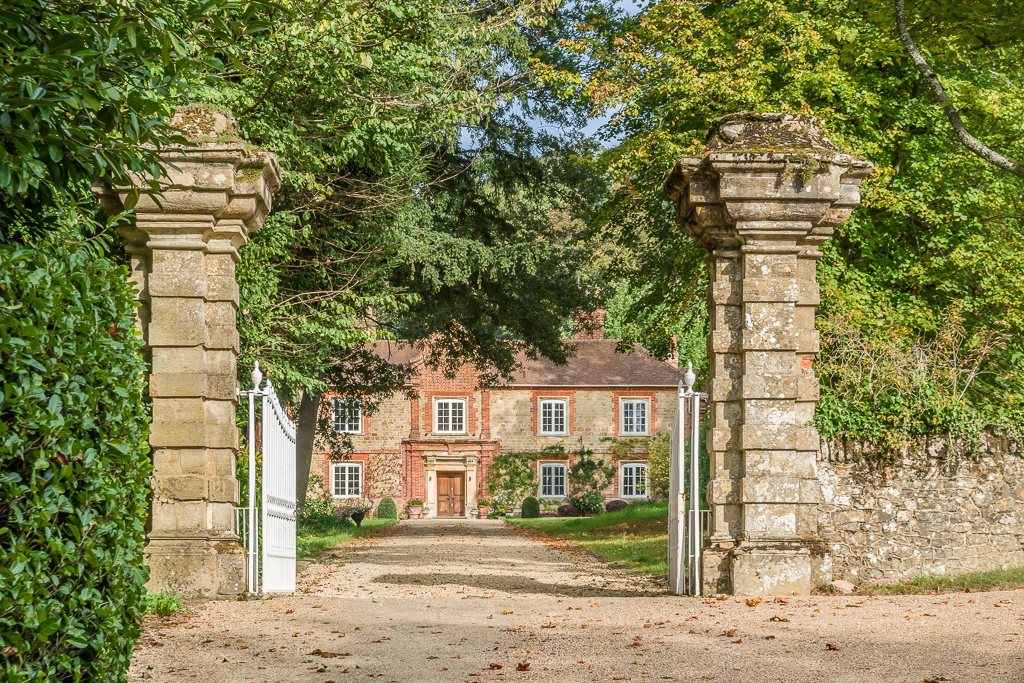
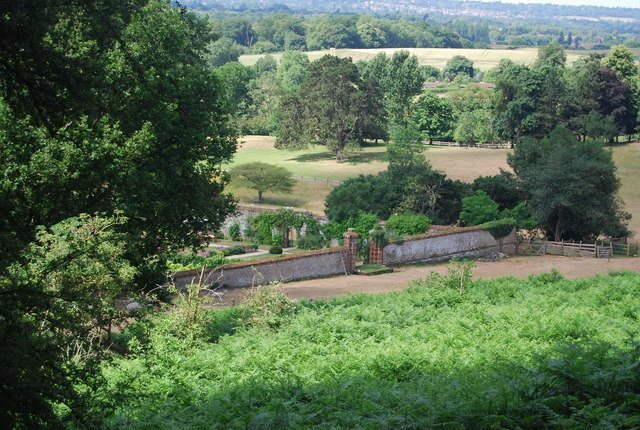
The surviving property combines an expanded country house with a garden formed on sloping ground. Its identified house elements belong to different periods of the estate’s development.
The manor house
South front
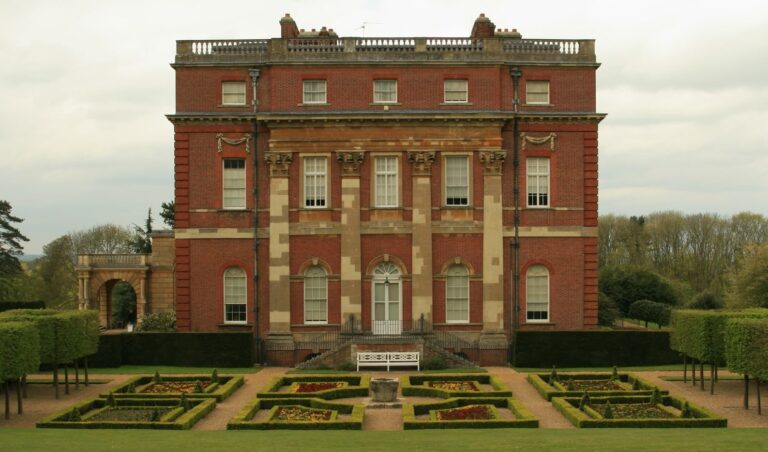
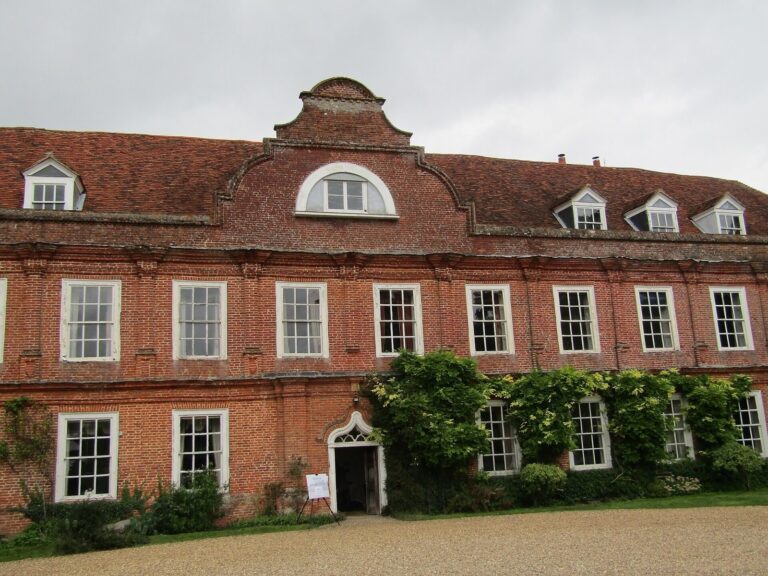
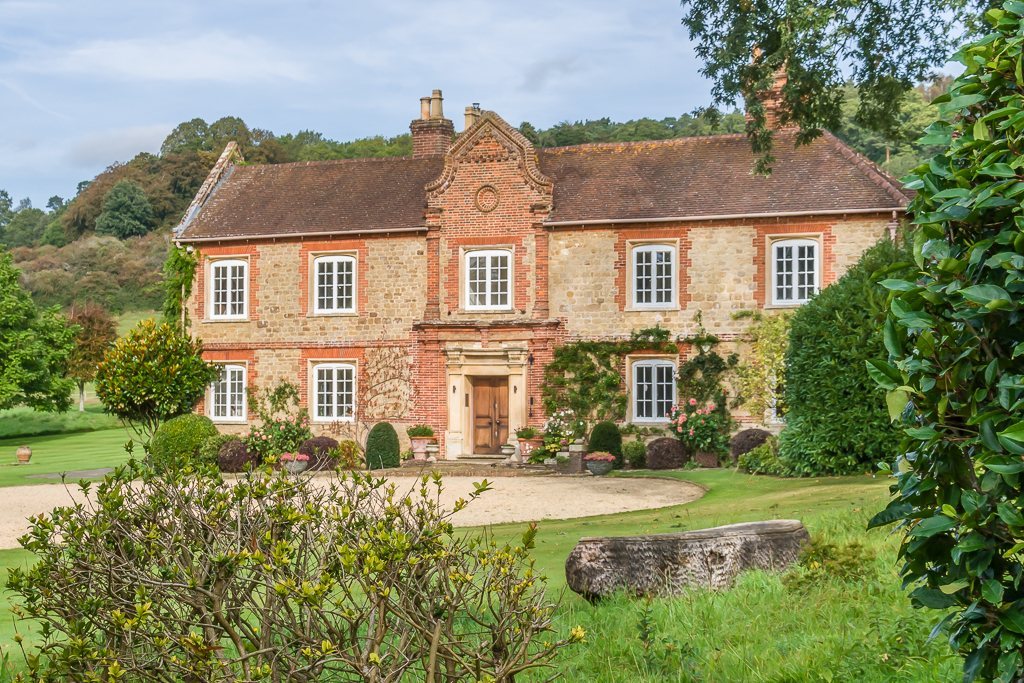
The south front is the earliest part of the existing house. It was built during the Randyll family’s ownership.
Marlborough Wing
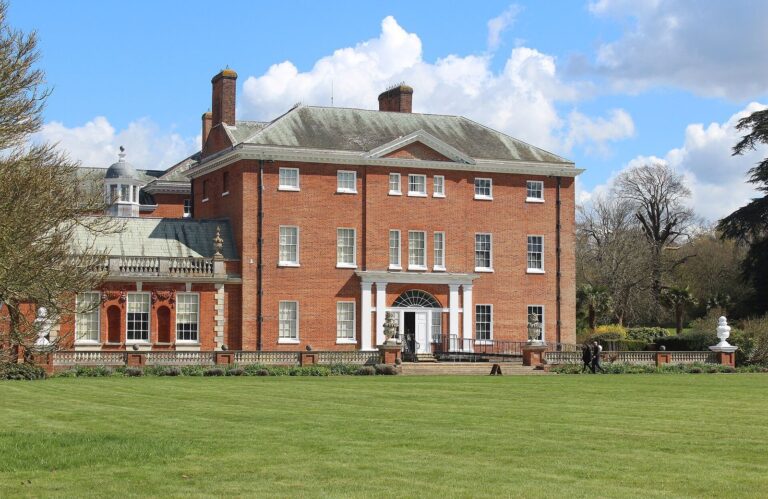
Sarah Churchill added the Marlborough Wing to the manor house during her ownership of the estate.
Garden and chapel path
The garden, still known as the Duchess’s Garden, is arranged in tiers excavated into a sloping hillside. A path runs from the manor to St Martha’s Chapel.